Breckenridge
Rocky Mountains
United States
Colorado high alpine resort in Summit County | Known for: Five Peaks, Freeway Terrain Park, 22 ft Superpipe, Imperial Express, Lake Chutes, 2908 acres, Dew Tour heritage, and a long spring park season | Season: November to April with upper mountain spring operations depending on snowpack | Best for: park riders, halfpipe skiers, spring crews, high alpine freeskiers, and mixed groups chasing both progression laps and bowl terrain
Peak 8 And The Five Peak Freeski Spine
Breckenridge Ski Resort reaches 12998 feet on Peak 8, with a 9600 foot base and nearly 3000 acres spread across Peaks 6, 7, 8, 9, and 10. Those Five Peaks define the resort’s freeski logic. Breck is not a single-face mountain. It is a high-elevation grid where park laps, exposed bowls, beginner zones, intermediate cruisers, and steep alpine panels all sit within the same Summit County resort.
The official mountain stats list 2908 skiable acres, 187 trails, 35 lifts, 355 inches of average annual snowfall, 3 terrain parks, and 40 percent of the resort above treeline. That last number is central to the mountain’s identity. Breckenridge is famous for park and pipe, but it also gives freeskiers real high-alpine decisions: wind, visibility, patrol openings, corn cycles, and the timing of when to move from lower park lanes into upper bowls.
Imperial Express And The Bowl Terrain Above 12000 Feet
Imperial Express is the lift that changes Breckenridge from a busy Colorado resort into a serious high-alpine freeski venue. The chair tops out at 12840 feet and is promoted as North America’s highest chairlift. From that elevation, skiers can access Imperial Bowl, Whale’s Tail, Peak 7 Bowl, Horseshoe Bowl, and routes toward the Lake Chutes when conditions and patrol control allow.
That terrain does not ski like a park lap with a longer runout. Wind can strip the ridge, refill pockets, and turn visibility into the day’s main variable. The best freeski approach is sequence-based. Warm up below treeline, check the live terrain status, use T-Bar or Imperial only when the upper mountain is ready, then ski exposed panels one at a time. Breck’s alpine terrain can look approachable from the lift, but at this elevation, speed, edge hold, regroup points, and exit discipline matter.
Freeway Superpipe And The Peak 8 Park Engine
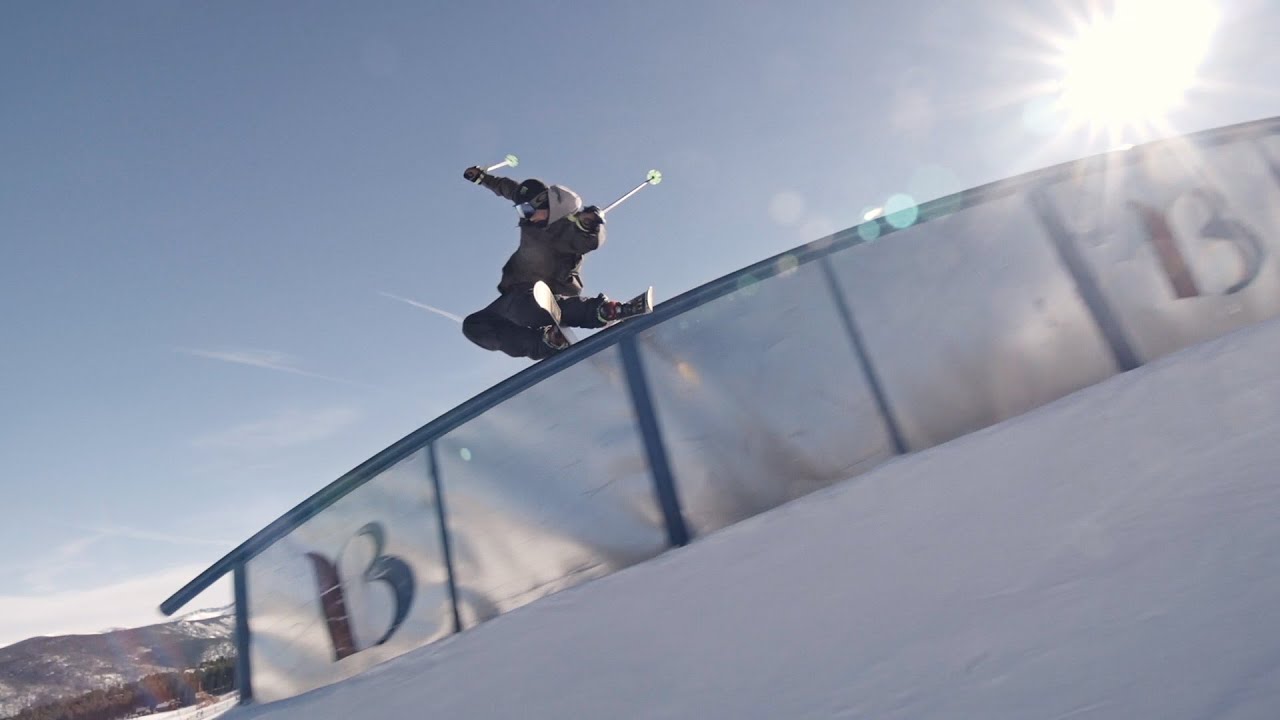
Freeway is the name that keeps Breckenridge relevant in park and pipe conversations. Official terrain-status language describes Freeway Terrain Park as a world-class venue with a 22 ft Superpipe, expert jumps, and rails. Breck also supports Gold Run for smaller jumps and boxes, plus Park Lane for intermediate progression, giving the resort a clear ladder from early freestyle movement to advanced features.
That structure is why Breck works for so many different riders. A beginner can start with boxes and small takeoffs, an intermediate skier can build rail timing and jump confidence, and stronger skiers can watch or session Freeway when the large setup is open. Compared with Copper Mountain, Breckenridge has less current World Cup pipe focus, but its park identity remains deeply tied to Peak 8, the 22 ft pipe, and years of elite visibility through Dew Tour footage.
Dew Tour Years And The Breck Competition Memory
Breckenridge’s freestyle history is inseparable from the Winter Dew Tour. The resort hosted the event for more than a decade before the tour moved to Copper Mountain, and the 2018 edition still stands as a useful marker. U.S. Ski and Snowboard reported 19 podiums for U.S. athletes over four days at the 2018 Dew Tour in Breckenridge, including superpipe, slopestyle, team and streetstyle formats.
That era helped make Breck a reference point for modern freeski park viewing. The Dew Tour brought large jump builds, modified pipe formats, rail sections, television pressure, Olympic qualification context, and athlete-heavy early-season energy into the center of town and mountain culture. The current resort calendar is not built around the same annual elite event block, but the memory still matters. A skier dropping into Freeway is riding inside terrain language shaped by those years.
Peak 6 Bowls Peak 10 Steeps And The Weather Pivot
The Five Peaks layout gives Breckenridge options when the day shifts. Peak 6 brings high-alpine intermediate terrain and hike-accessed advanced bowls. Peak 7 is efficient for flowing blue laps and quick mileage. Peak 8 carries the main park and alpine identity. Peak 9 gives progression terrain and access from the town side, while Peak 10 is the steeper, more advanced pod with sustained fall-line runs and lower traffic compared with the central lifts.
That variety is practical for freeskiers. A storm morning can begin below treeline while upper visibility is flat. A calm midday can open Imperial or Peak 6 into chalky alpine turns. A sunny afternoon can shift back toward Freeway or Park Lane when landings soften. Breck is strongest when skiers do not force one objective. The right day might be pipe laps, Imperial Bowl, Peak 10 chalk, or spring park filming depending on wind and surface quality.
BreckConnect Gondola And The Town To Peak Flow
Breckenridge has a rare resort-town flow because skiing is tied directly to a historic Colorado town. The BreckConnect Gondola links town access with Peaks 7 and 8, while the Town of Breckenridge Free Ride system and Summit County transit options make car-free movement realistic. Official resort parking guidance also points visitors toward reservations, early arrival, overflow lots, and shuttle access during busy periods.
That matters for content trips. Park riders can stage around Peak 8 for repeat laps. Mixed crews can use town lodging and transit instead of moving cars every morning. Denver International Airport remains the major gateway, with the drive running west on I-70 to Frisco and then south toward Breckenridge. Traffic, weather, and parking should be treated as part of the ski plan, especially on weekends and holidays. A smooth Breck day often starts before the first lift spins.
Altitude Park Etiquette And Alpine Discipline
Breckenridge’s 9600 foot base is not a small detail. Visitors arriving from low elevation should pace the first day, hydrate, and avoid treating the morning like a contest warmup. Long periods above 11000 feet can make fatigue arrive early, especially when hiking into alpine terrain or repeating pipe and jump laps. Altitude affects judgment as much as legs.
In the parks, Breckenridge points riders toward SMART Style and Park SMART principles: start small, make a plan, always look, respect other users, and take it easy. That is basic because it works. Freeway, Park Lane, and Gold Run can all become busy on clear days. Call your drop, inspect lips and landings, never stop under knuckles, and keep filming setups out of active lanes. Beyond the boundary, the Colorado Avalanche Information Center forecast should be part of any backcountry plan. Resort access does not make Tenmile Range snowpack casual.
The Spring Breck Window
Spring is one of Breckenridge’s best freeski windows. The resort’s elevation helps preserve upper-mountain snow, while longer light and softer landings make park progression more productive. Breck has historically shifted late-season operations toward higher terrain when lower mountain access winds down, keeping the focus on Peaks 6, 7, and 8 when coverage allows.
For park crews, March and April can be better than deep winter. Features are more mature, speed is easier to judge, and the cold is less punishing. For alpine skiers, spring can bring buffed chalk in the morning, corn cycles later in the day, and high-elevation wind texture that skis fast when timed correctly. The risk is variability. Freeze-thaw, sun, wind, and melt can change the surface quickly, so the best Breck spring plan keeps both park and bowl options open.
The Breckenridge Use Case For Freeskiers
Breckenridge matters because it connects two freeski worlds that often live separately. One side is structured progression: Gold Run, Park Lane, Freeway, a 22 ft Superpipe, jump lines, rail lanes, and a competition history shaped by Dew Tour. The other side is high alpine skiing: Imperial Express, Horseshoe Bowl, Whale’s Tail, Peak 6 bowls, Lake Chutes, Peak 10 steeps, and weather-driven decisions above treeline.
A smart trip should use that overlap. January and February are the best cold-snow months for chalk, storms, and midwinter park structure. March and April bring the strongest mix of spring park laps, softer landings, high-alpine access, and long filming light. Breckenridge’s concrete value is clear: 2908 acres, 187 trails, 35 lifts, 355 inches of average snowfall, Five Peaks, 40 percent above treeline, Freeway Superpipe, Imperial Express at 12840 feet, and a Summit County setting where park progression and bowl skiing can happen in the same day.