Overview and significance
Breckenridge, Colorado is anchored by Breckenridge Ski Resort, a five-peak complex in the Tenmile Range known for high elevation, broad bowl skiing, and a long-running park-and-pipe tradition. Official mountain stats list 2,908 acres, 35 lifts, 187 trails, an average of about 355 inches of annual snowfall, and a highest elevation of 12,998 feet on Peak 8, with roughly 40% of terrain above treeline (Mountain Information). The Imperial Express carries skiers to 12,840 feet and is promoted as North America’s highest chairlift—an access point that puts in-bounds alpine lines within easy reach. For freeskiers, Breck’s identity blends reliable progression parks and a 22-foot superpipe with quick transitions into hike-to steeps when patrol opens the upper bowls. The resort also spent more than a decade as a Winter Dew Tour host through the 2018 season, a run that helped standardize modern jump and pipe shaping before the tour moved to Copper Mountain (event history). Within the skipowd.tv ecosystem, Breck is a pillar of the state’s scene covered on our Colorado page.
Terrain, snow, and seasons
The layout runs north to south across Peaks 6, 7, 8, 9 and 10. Peak 6 adds accessible, above-treeline bowls and hike-to variants; Peaks 7 and 8 form the high-throughput core with direct lines into alpine panels; Peak 9 offers forgiving groomers and learning terrain; Peak 10 leans steeper with sustained black trails. The resort markets a large share of lift-served high alpine terrain, with bowls like Imperial, Horseshoe and Contest opening when control work and weather align (High Alpine; Five Peaks).
Snow quality trends continental and preserves well on north and east aspects between resets. The core operating window typically runs from November into April, with late-spring shifts focused on upper elevations and a published spring operations plan when coverage allows (Spring Skiing). Because so much terrain sits high and exposed, wind can delay alpine openings; storm days reward treeline pods until visibility improves. Always start with the live Lift & Terrain Status and weather report.
Park infrastructure and events
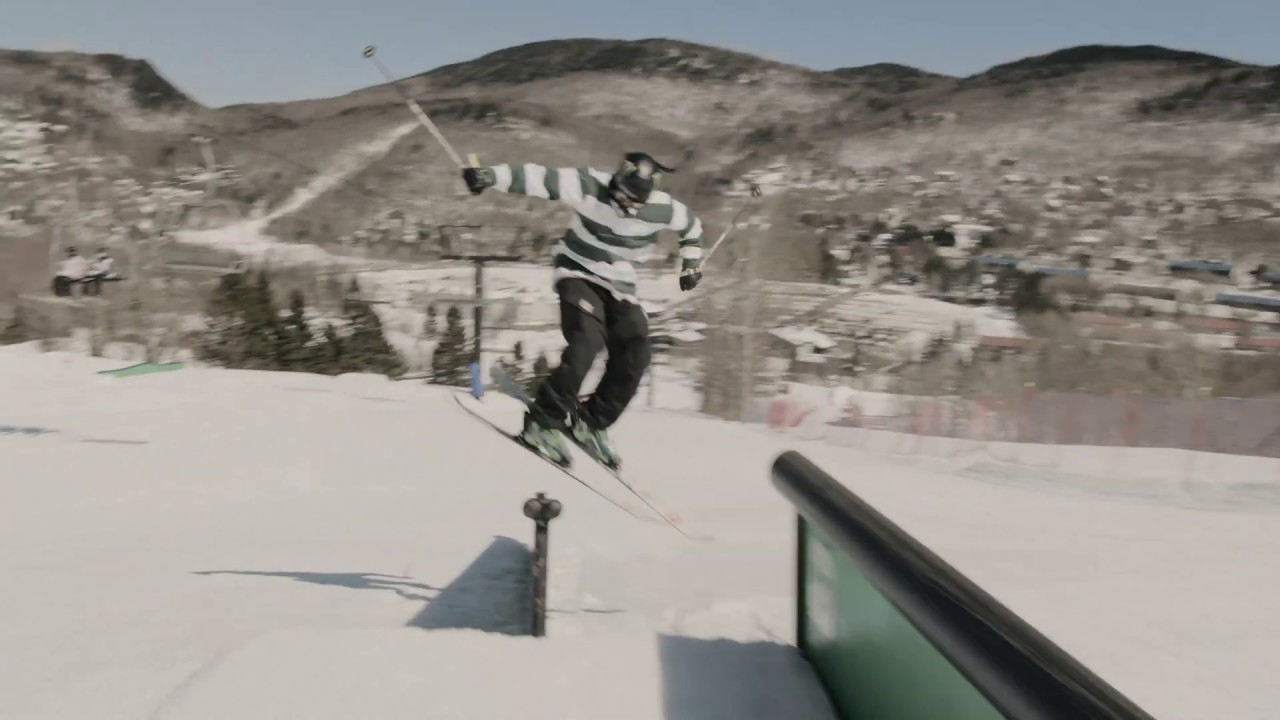
Breckenridge’s park program is compact, clearly tiered, and supported by high-capacity uplift on Peak 8. The 2024–25 trail map labels three zones—Eldorado (small), American (medium), and Freeway (large)—with Freeway hosting the 22-foot Superpipe when snow volume and weather allow. The map also marks a Toyota-branded banked slalom lane on Park Lane, which appears in strong build phases (Trail Map). Day to day, placement and feature counts change with storms and rebuilds, so speed-check each set before committing and watch the operations feed for openings, rebuild timings, and pipe status.
Event pedigree is part of Breck’s DNA. The mountain hosted the Winter Dew Tour for more than a decade, including Olympic-qualifying editions ahead of Sochi 2014; the tour later relocated, and today the resort’s calendar leans into grassroots and regional comps while major World Cup/Grand Prix blocks typically land at Copper or Aspen (history recap). Safety messaging follows Park SMART and SMART Style standards, explained on the resort’s terrain parks safety page—start small, plan your line, and take it one at a time.
Access, logistics, and on-mountain flow
Most travelers route through Denver International, driving I-70 to Frisco and CO-9 south to town. Car-free works well: the countywide Summit Stage and the town’s Breck Free Ride buses are free and frequent. The BreckConnect Gondola links town to Peaks 7 and 8 and is free to ride during the winter and summer operating windows (hours; gondola FAQ). Parking at the main gondola structures is managed and may require reservations on peak days—confirm the current process on the Getting Here page.
On snow, think in circuits. For park volume, build from Eldorado to American and into Freeway as features open, using Peak 8 chairs for short, repeatable laps; the superpipe typically sits adjacent to the large-line zone when active. For freeride, start with sheltered trees and mid-mountain groomers while wind calms, then step up to Peak 7/8 alpine faces and Imperial once patrol gives the all clear. Peak 6 adds hike-to options that reward partner travel and one-at-a-time skiing in consequential panels. The trail map and live operations page will help you align lift choice with the zones you want to session.
Local culture, safety, and etiquette
Breck pairs big-resort throughput with a park-savvy culture. Freestyle lanes are busy on bluebird days; call your drop, keep lines predictable, and clear landings quickly. The resort’s broader safety guidance, including Your Responsibility Code and lift safety, is centralized on its safety pages. Backcountry gates and ridge exits lead to true avalanche terrain; if you plan to travel beyond the boundary, treat it like a separate day with partners, rescue gear, and a plan informed by the Colorado Avalanche Information Center forecast.
Altitude is a real factor here. With a 9,600-foot base and long periods above 11,000 feet, hydrate, pace your first day, and respect wind and visibility limits. When upper terrain opens, ski steep panels one at a time with clear regroup points below blind rolls; that habit keeps everyone safer and the zone moving smoothly.
Best time to go and how to plan
January through late February stacks the odds for cold snow and preserved chalk; spring brings long days, stable speed, and forgiving landings that are ideal for park progression. Breck often publishes a late-season plan that consolidates access into fewer lifts while keeping upper-elevation panels online as long as coverage allows (spring operations). Lock in lift access early via Epic products if you’re targeting peak dates, and use the resort’s daily status to build your lap plan around wind and sun. If you’re mixing skills work and filming, schedule a midweek block to reduce park traffic and line up rebuild windows, then add a storm-flex day for upper-bowl laps when visibility returns.
For passes, Breck access sits on the Epic platform; compare your trip length and blackout needs on Epic Pass. If you’re new to town, consider car-free logistics: ride public transit, stage from the gondola base, and let weather dictate the order—pipe and large jump lanes on cold, calm mornings; bowls and ridge lines when control work finishes; sunset laps on groomers to close the day.
Why freeskiers care
Breckenridge strikes an uncommon balance: repeatable park lines anchored by a 22-foot pipe and large jump set in Freeway, plus quick access to legitimate alpine bowls off the highest chairlift on the continent. The five-peak spread keeps options open in changing weather, the gondola and bus network make car-free days realistic, and the scene—shaped by years of top-tier events—values both speed control and craft. Add reliable winter cold at elevation and a spring that stretches productive sessions well into April, and you get a destination where volume, variety, and progression converge.