K2
United States
Brand overview and significance
K2 is one of skiing’s foundational manufacturers, born in Washington State in 1962 and long associated with pioneering fiberglass construction, playful shapes, and a culture that flows easily between racing heritage, freeride, and park. Today the brand designs from the Pacific Northwest with an innovation hub in Seattle, and fields a full ecosystem—skis across piste, all-mountain, freeride, freestyle, and touring; boots ranging from three-piece freestyle shells to BOA®-equipped all-mountain and hybrid-touring models; plus poles and skins. On Skipowd, our curated hub for K2 groups the brand’s stories, edits, and rider projects in one place for quick reference.
K2’s significance is breadth plus personality: it can carve with precision on hard snow, feel loose and energetic in the park, and stay composed at big-mountain speeds. The brand also helped organize product for women earlier than most—with a focused program in the late 1990s—and maintains a visible athlete roster across World Cup slopestyle, the Freeride World Tour, and film-driven freeride. For skiers who want modern shapes backed by a deep bench of engineering and rider input, K2 remains a first-call option.
Product lines and key technologies
K2’s freeride core is the Mindbender family, which uses two distinct constructions to tune feel and power: Titanal Y-Beam in the Ti variants for edge hold and high-speed stability, and Spectral Braid (variable-angle fiber layups) in the carbon-labeled models for a lighter, more maneuverable ride. The Reckoner series handles the playful, surf/skate side of resort freeride and backcountry booters; these skis lean on Carbon Boost Braid working with K2’s long-running Triaxial Braid to add pop without a harsh ride. For competition-grade freestyle, the Omen Team succeeds K2’s long-standing park benchmark with a durable sidewall, reinforced edges and bases, and a shape designed for predictable speed and takeoffs. On piste, the Disruption line focuses on carve precision and damping; Dark Matter Damping (a high-modulus carbon sandwich with a polymer damper) is strategically placed near the edges to reduce chatter and keep the edge quiet when the snow turns firm.
Touring is covered by the Wayback collection, which pairs low mass with downhill-first intent. Snowphobic topsheets shed buildup on the skintrack, while Titanal Touring laminates and rocker profiles keep performance intact when the fall line steepens. Boots span three main experiences: the FL3X three-piece shells (Revolve/Method) for progressive-flex freestyle feel; Mindbender hybrid boots with walk modes for freeride/touring crossover; and all-mountain platforms like Recon and BFC, many offered with the BOA® Fit System for micro-adjustable wrap and easier instep management—useful on cold mornings and long days. The overall message is consistent: pick your terrain and preferred feel, and there’s a K2 chassis tuned for that job.
Ride feel: who it’s for (terrains & use-cases)
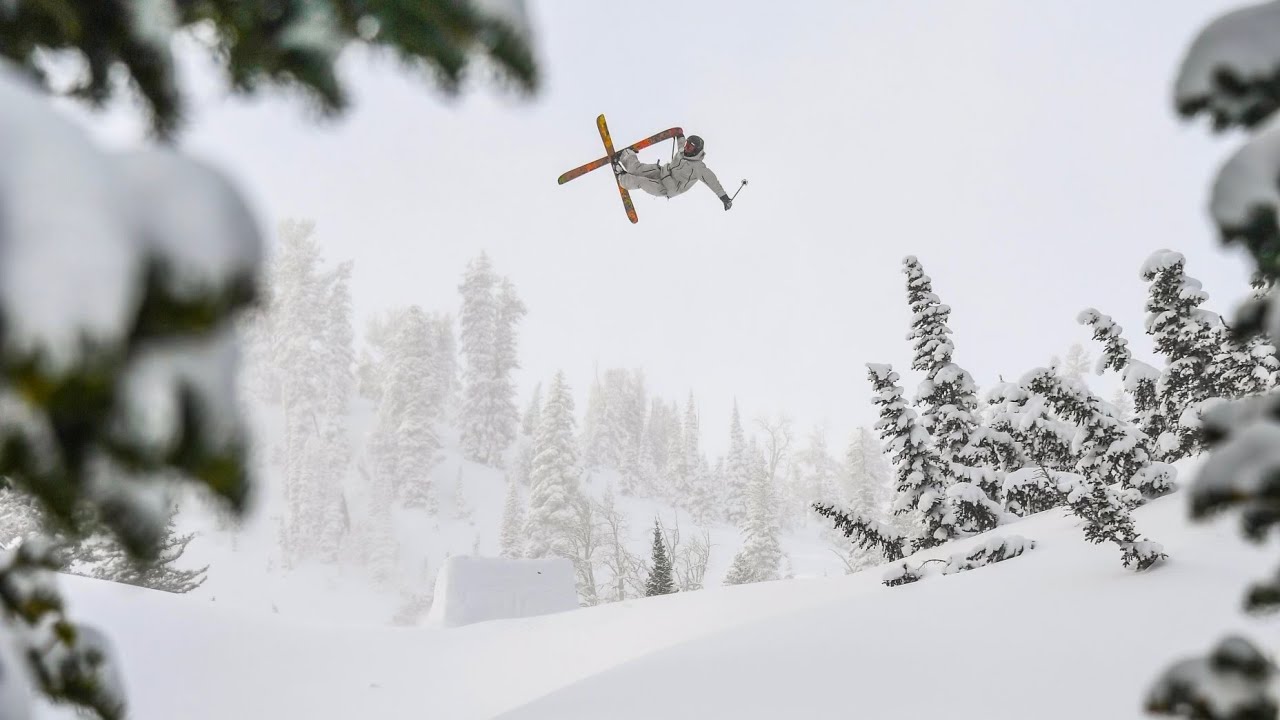
If you spend your time off-piste and want power with security, Mindbender Ti models deliver a planted platform that stays calm through cut-up snow and steep chalk. Lighter skiers or those who prefer a more agile feel often gravitate to the carbon-braided Mindbenders for quicker edge-to-edge moves and easier pivoting in trees. Resort freeriders who butter rollers, hunt wind lips, and bounce between park and pow will feel at home on Reckoner shapes, which favor a lively tail and easy release. Dedicated park riders will appreciate the Omen Team’s stable platform on jump lanes, along with materials and sidewall treatments that hold up to rail seasons and night-lap repetition.
On groomers, Disruption skis reward clean inputs with strong edge hold and a damp, confidence-building ride—helpful in early-morning corduroy, late-day hardpack, or when you’re working on higher-edge-angle carve drills. For long approaches and big days on skins, Wayback models keep weight down without feeling nervous on firm exits, so you can prioritize line choice instead of babying the ski. Boot selection mirrors this spread: choose a three-piece FL3X for presses and playful park riding, a Mindbender-style hybrid if you want a real walk mode for sidecountry gates and tours, or a Recon/BFC BOA® shell if all-day resort comfort and quick, even forefoot wrap are your priorities.
Team presence, competitions, and reputation
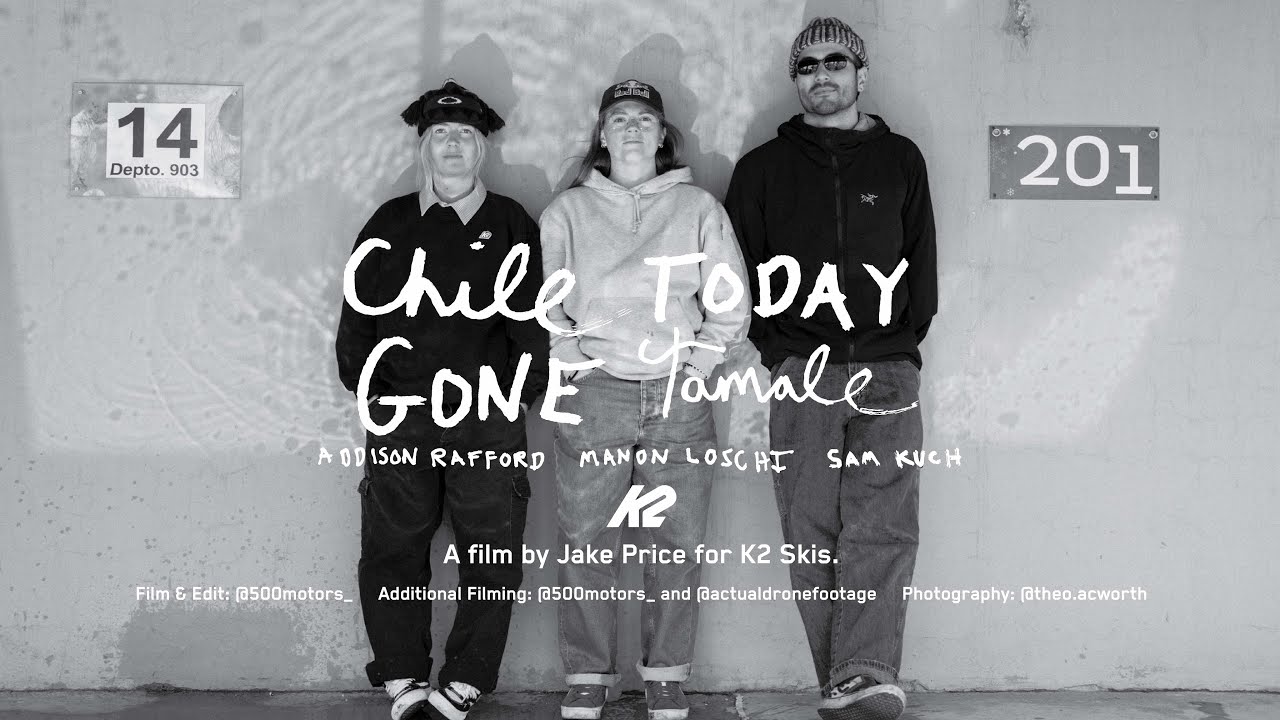
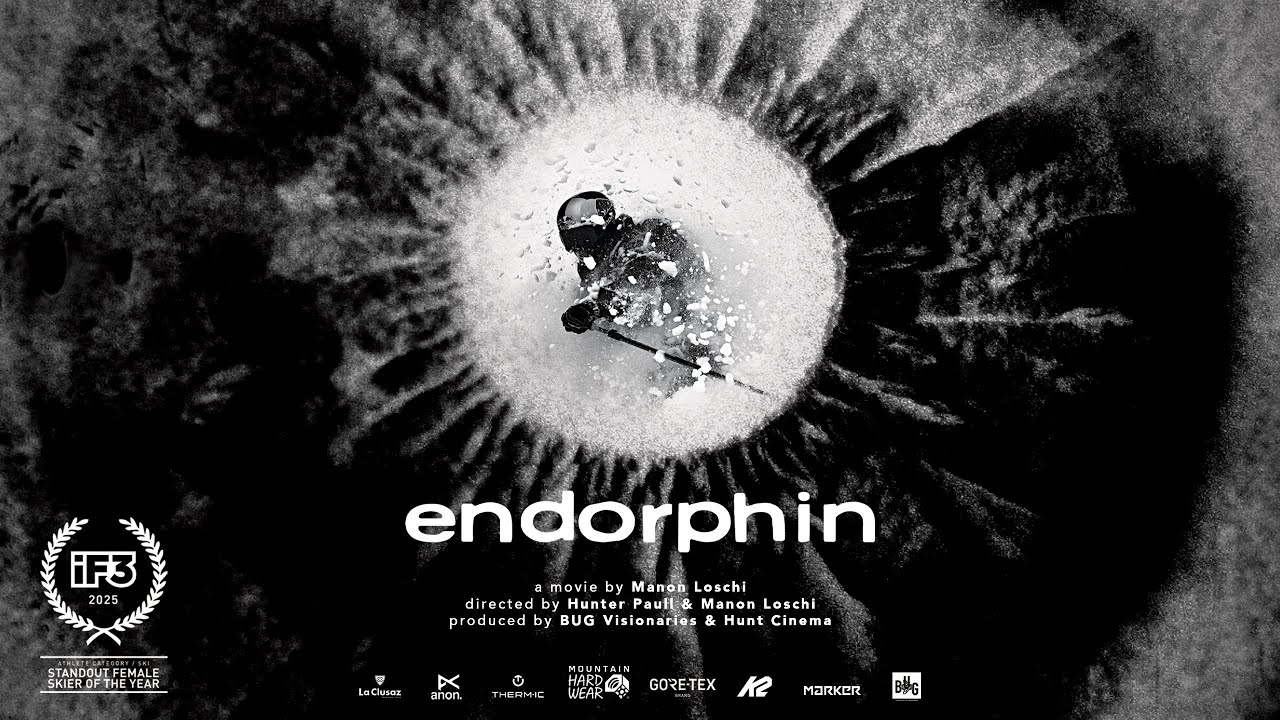
K2’s team spans film and contest worlds, which is why you’ll see the brand equally in backcountry segments and at slope and big-air venues. Recent seasons have featured riders such as Sam Kuch in the film sphere and champions like Max Hitzig on big-mountain stages, plus strong freestyle representation from names including Maggie Voisin, Joss Christensen, and Colby Stevenson. The point isn’t a single podium; it’s a pipeline of feedback that loops quickly into shapes, layups, and durability choices. That ecosystem keeps K2 visible at the Freeride World Tour, in X Games windows, and in indie and marquee film projects—all of which helps the skis feel “vetted” before they hit public demo fleets.
Geography and hubs (heritage, testing, venues)
K2’s design and prototyping live in the Pacific Northwest, and the brand’s daily testing culture reflects that terrain: coastal storms, variable snowpacks, and quick switches from groomers to glades. You’ll spot K2 teams and friends lapping summer lanes on Mt. Hood, stacking mileage on early-season hardpack across the West, and filming through deep storm cycles in British Columbia. Whistler-side build quality and big-line speed reads have shaped many of the freeride design choices; the hub at Whistler-Blackcomb remains a reliable proving ground for mixed conditions and long days. Historically, the brand’s origin story traces to Washington state, and that Pacific Northwest DNA—damp, powerful, composed—still shows up in the skis’ personalities.
Construction, durability, and sustainability
Under the topsheets, K2 combines wood cores with directional braids and metal laminates to tune energy and damping without pushing weight out of range for daily use. Spectral Braid adjusts fiber angle by zone to blend bite and looseness where you need each; Carbon Boost Braid adds snap along ski length for pop off features; and Titanal Y-Beam or I-Beam plates reinforce underfoot and into the edges for edge hold that doesn’t feel dead. Disruption’s Dark Matter Damping targets the chatter you notice most—right at the edge—so you can stay committed on scratchy mornings. Touring models pack in snow-shedding topsheets and Titanal Touring laminates to keep downhill performance intact despite low mass.
On the responsibility side, K2 publishes sustainability commitments (materials choices, packaging changes, and energy steps) and has begun integrating natural-fiber reinforcements such as flax in select constructions where it improves tracking and suspension. The boots program adds practical longevity—heat-moldable liners and shells, serviceable hardware, and outsole standards that play nicely with modern bindings—so keeping gear alive for multiple seasons is simpler. While no ski is immortal, K2’s bias toward robust sidewalls, proven edge stock, and glovably repairable bits shows up clearly after a season of laps.
How to choose within the lineup
Match terrain first, then pick your feel. If you want a do-everything freeride tool for big resort days, start with Mindbender: choose the Ti build if you prioritize top-end stability and hard-snow grip, or the carbon-braided build if you want a slightly easier, more forgiving ride that still holds on edge. If your resort days mix side hits, trees, and park with surprise storms, try Reckoner at the width that fits your home mountain; you’ll gain a looser, more playful tail without losing all-mountain ability. If you live in the park or plan to stack jump and rail reps, Omen Team is the contest-capable chassis built to last through a season of impacts and edge work. For groomer carving and high-edge-angle practice, Disruption models offer the edge-quiet assurance that makes progress feel easier.
Tourers and sidecountry riders should look at Wayback widths that suit their snowpack: ~89–98 mm for long approaches and mixed conditions; wider for mid-winter powder zones. Boots follow the same logic: FL3X for freestyle flex and shock absorption; hybrid walk-mode boots when your days include gates and skins; BOA® wraps when fit precision and even pressure are the priority (especially for high-volume feet or tricky insteps). Finally, if you’re between sizes or constructions, demo in the conditions you ski most; K2’s shapes are sensitive to length choice, and one size up or down can change personality more than you expect.
Why riders care
Riders care about K2 because the skis feel sorted where it matters—edge hold when it’s firm, looseness when you want to smear or butter, and confidence when you point it. The brand backs that up with a real team presence, a Seattle-based design engine that prototypes quickly, and hard-won material choices that balance energy with composure. Whether your winter is groomers and drills, storm-day trees, park laps under lights, or dawn-to-dusk tours, K2 offers clear options that map to each use-case without mystery. Add a track record that runs from Washington-state fiberglass experiments to modern freeride and slopestyle podiums, and you get a label that’s earned its place in most skiers’ shortlists—and often on their feet.