capeesh fashion house
Norway
Brand overview and significance
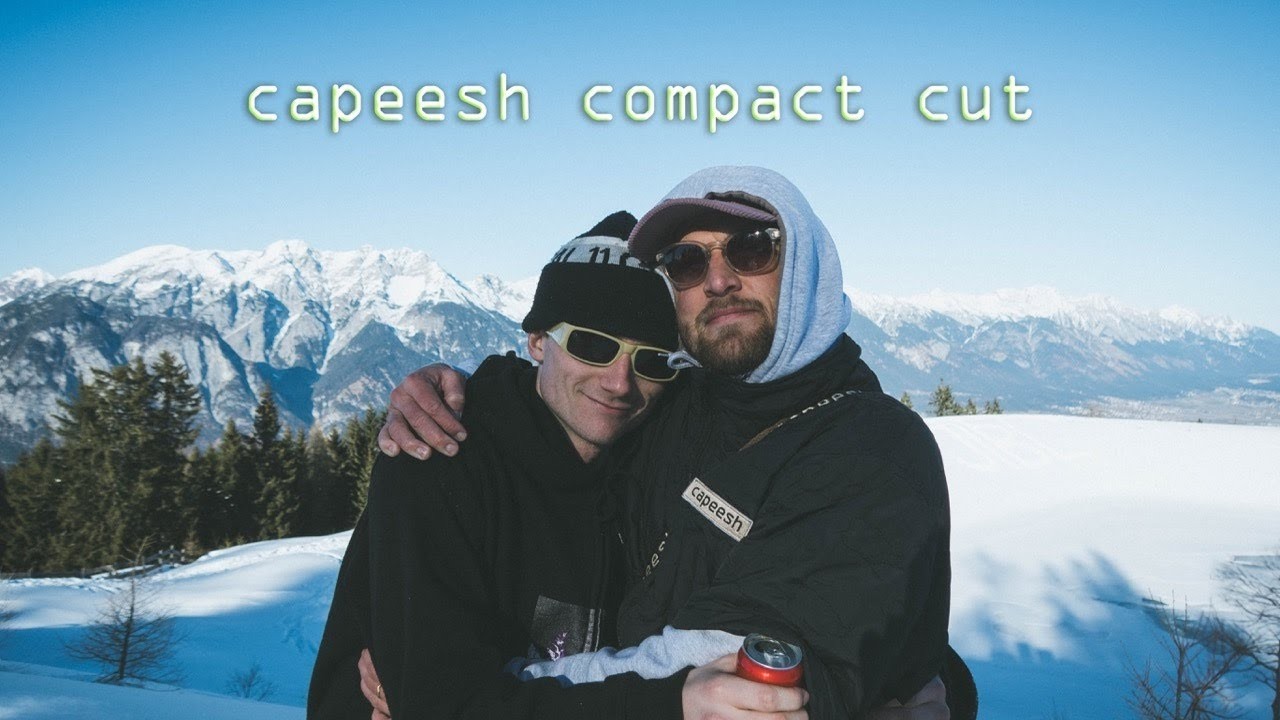
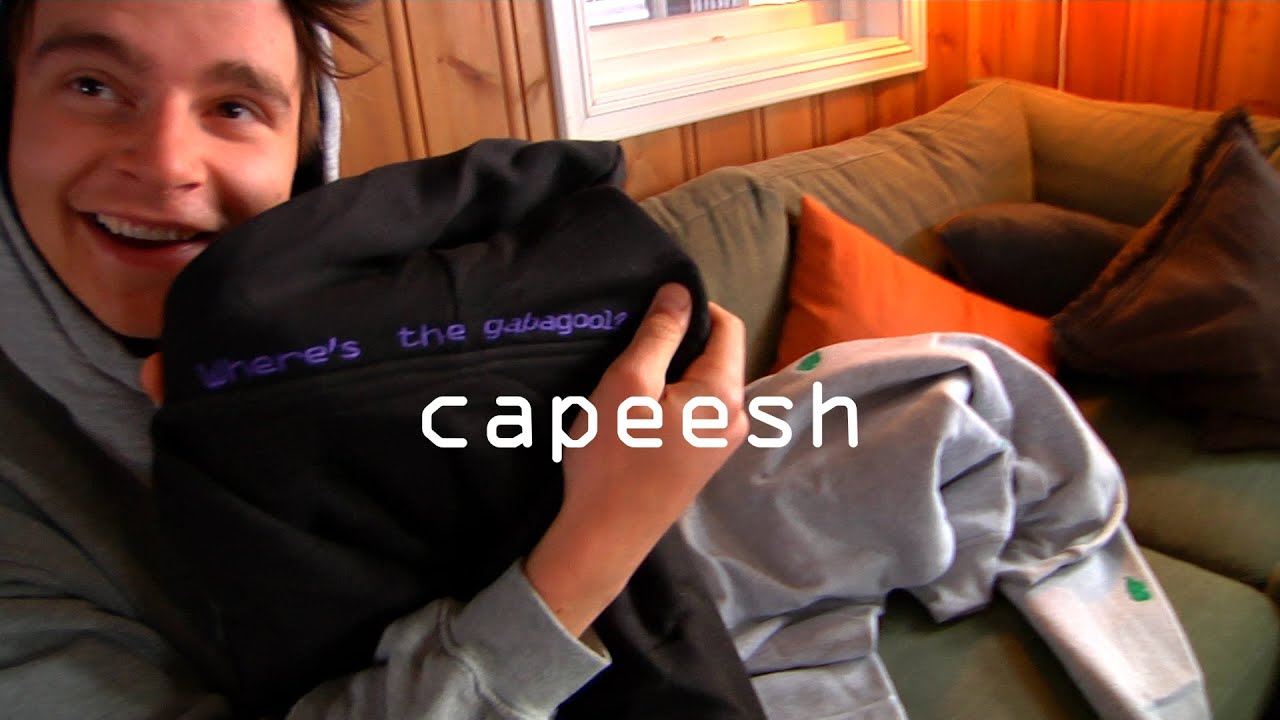
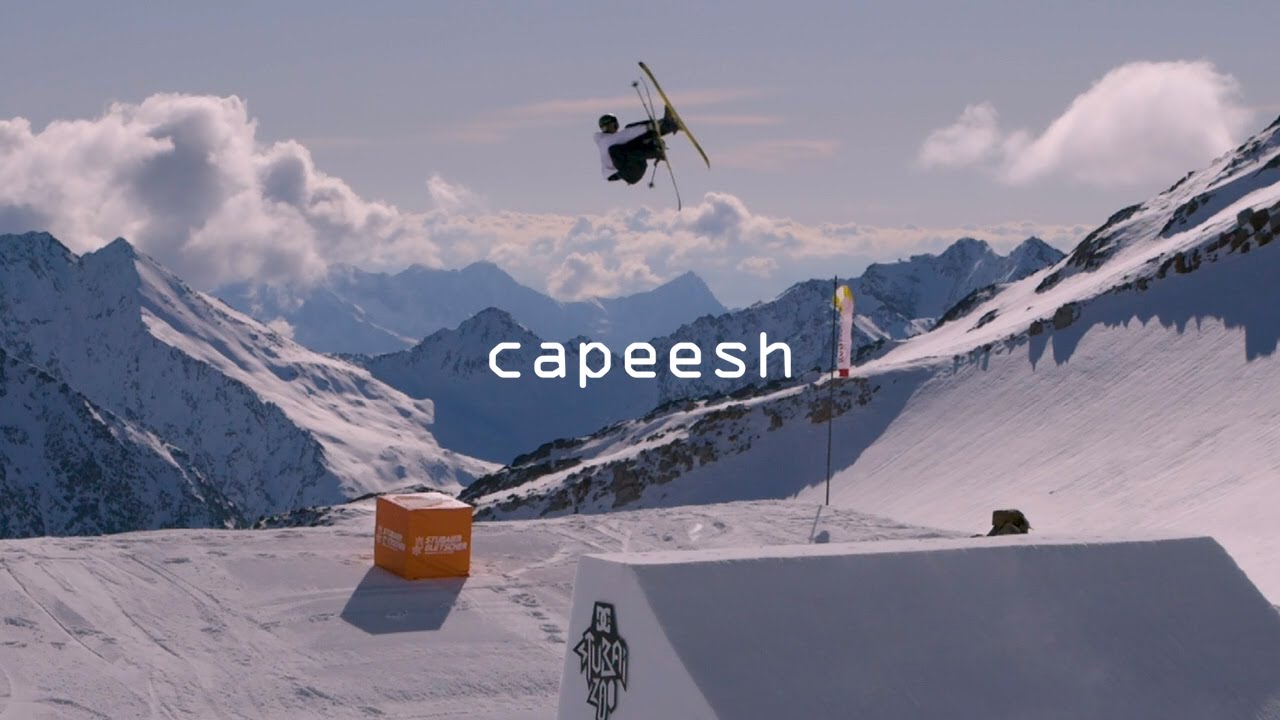
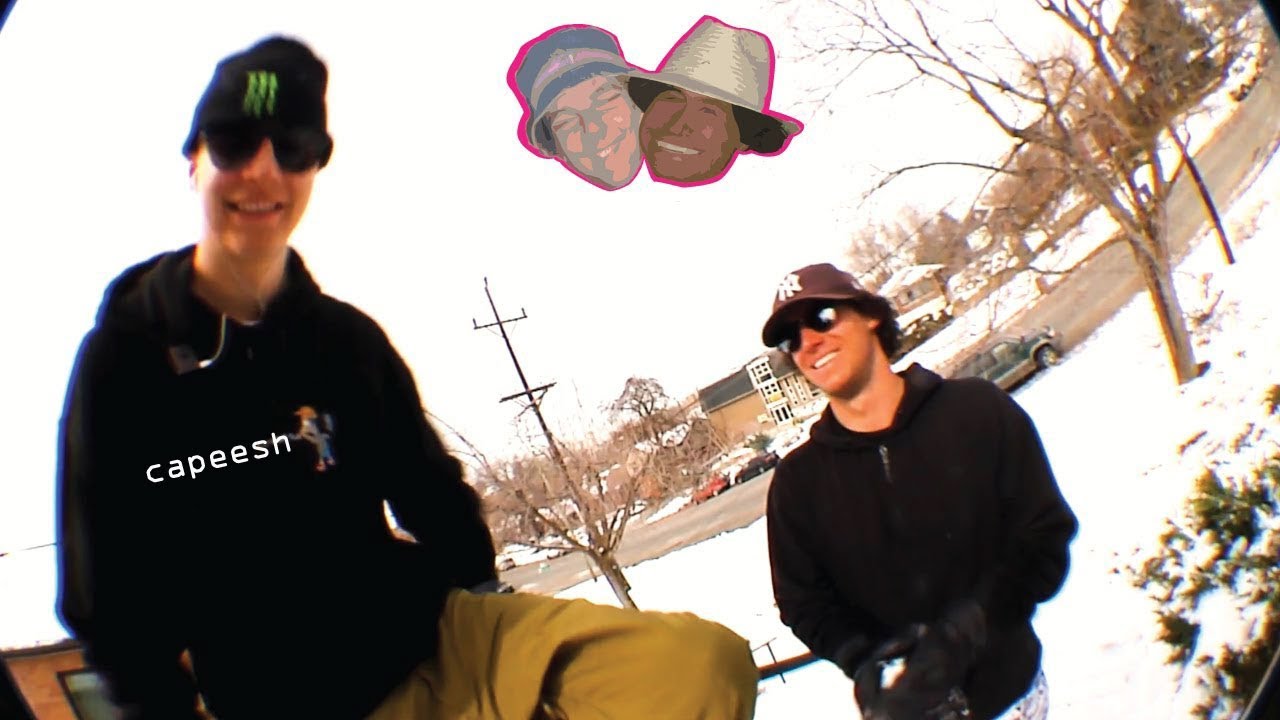
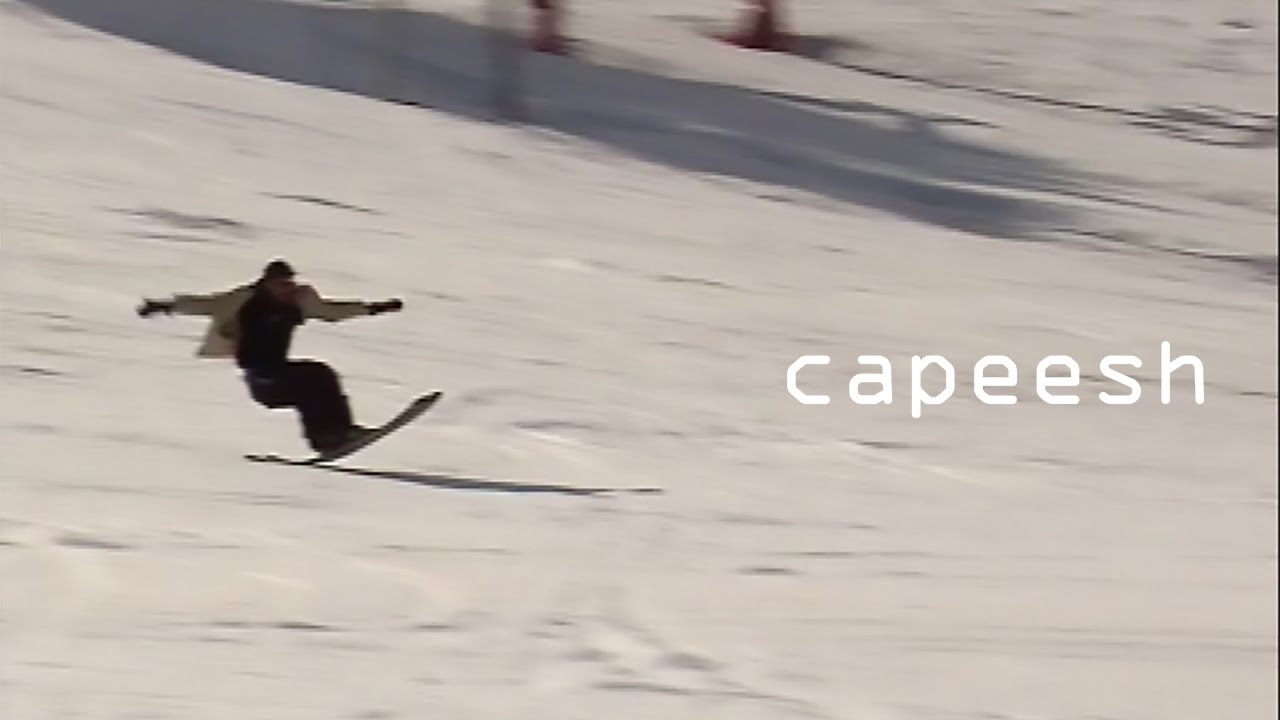
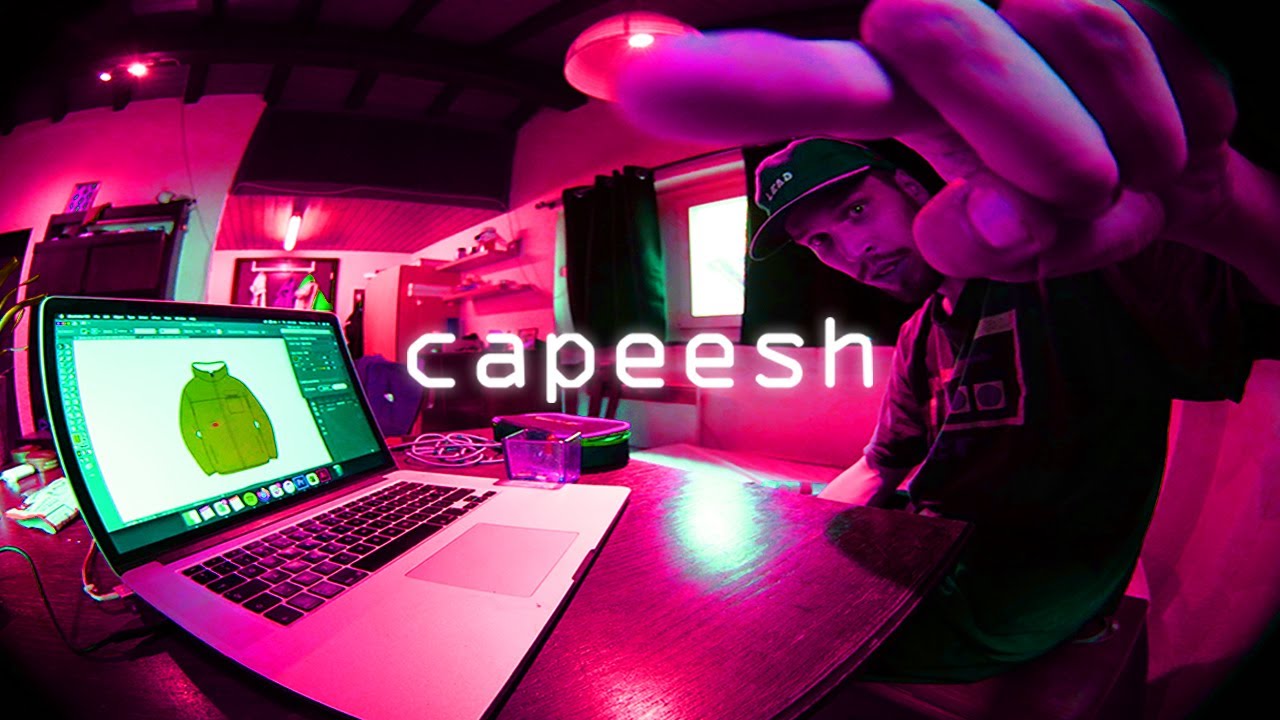
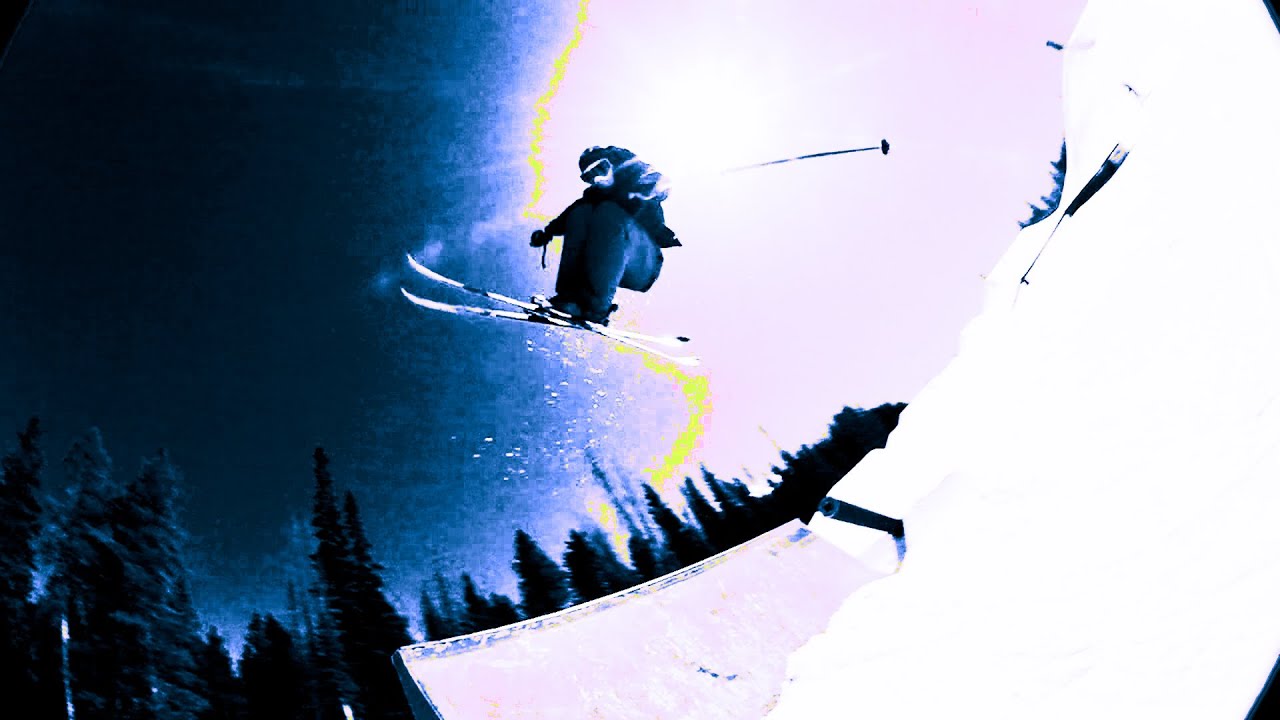
Capeesh (often seen online as “capeesh fashion house” or Capeesh Supply) is an independent ski apparel and streetwear label created in 2020 by Norwegian freeskier Ferdinand “Ferdi” Dahl and two childhood friends. Born out of park and street skiing rather than a traditional outerwear company structure, the brand is positioned as a rider-led fashion house: part technical outerwear builder, part creative studio, and part community project for skiers who live in baggy pants and belts all winter long.
Instead of chasing mass-market volume, Capeesh works in tight seasonal collections with a clear visual identity: oversized silhouettes, exaggerated cuffs, bold plaids and washed tones, plus visible stitching and details that nod to workwear and vintage snowboard gear. Early on, the woven belt line became a calling card, showing up in park edits and on lift lines well before the outerwear range expanded. By the time insulated jackets and shell pants arrived, the brand already had a recognizable look that slotted straight into the modern freeski aesthetic.
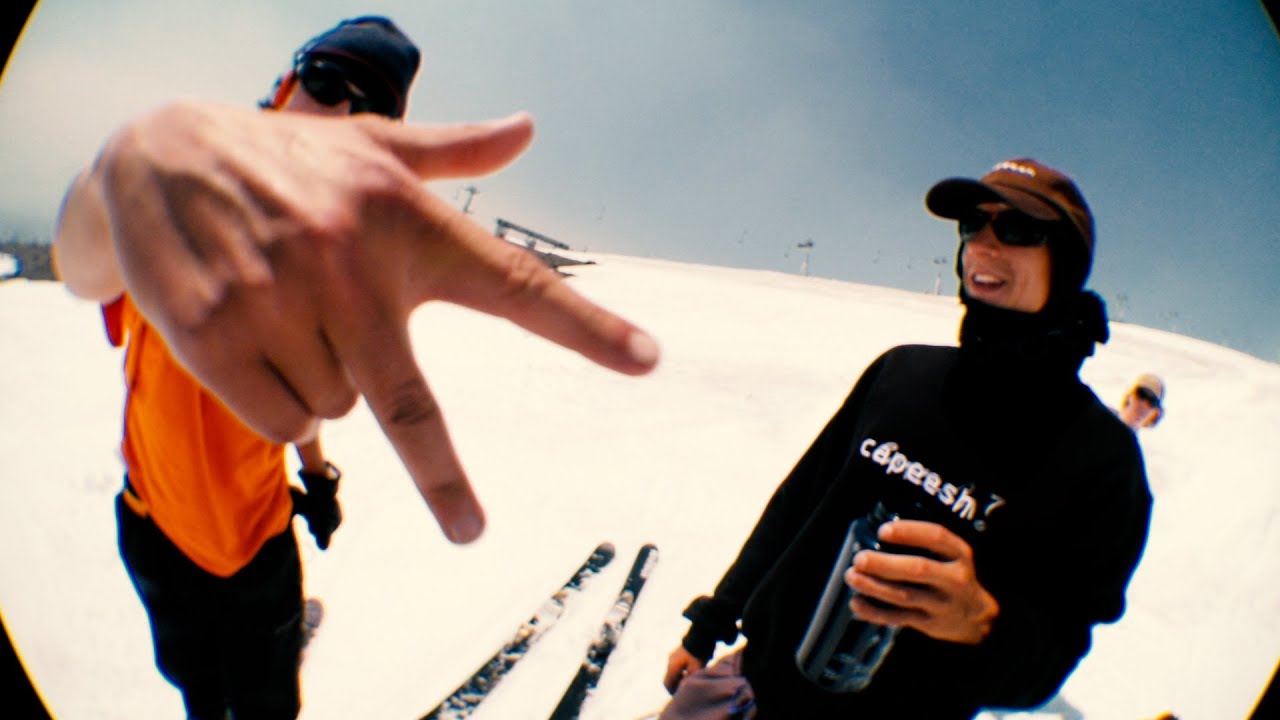
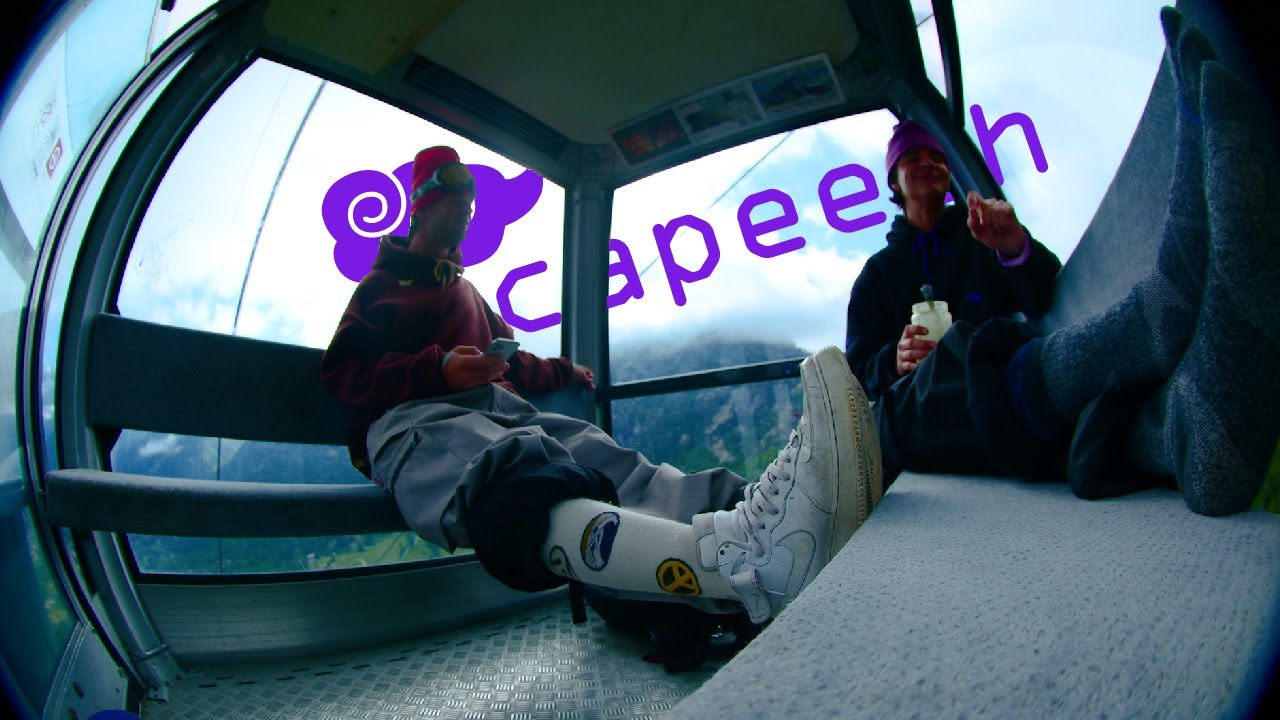
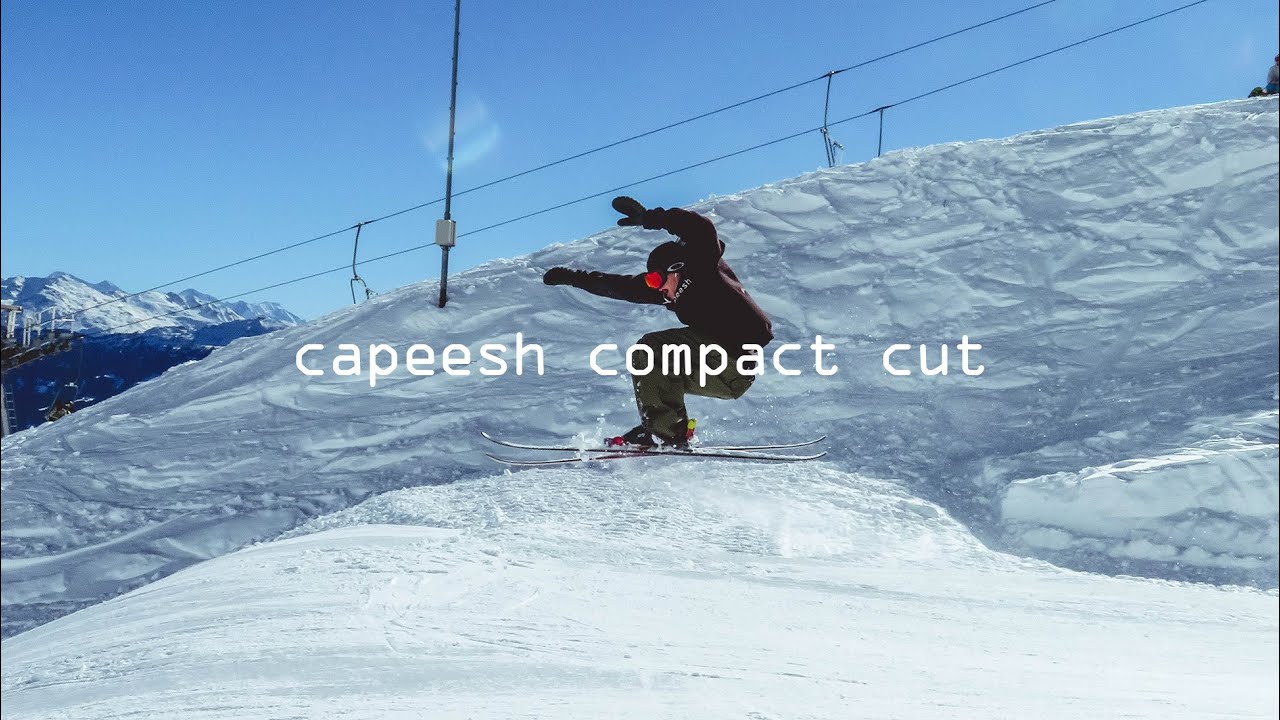
Within the freeski ecosystem, Capeesh sits in the same cultural lane as other rider-founded outerwear labels, but with its own twist: a heavy emphasis on tailoring, cut, and styling as much as on pure tech numbers. Their pieces appear in influential edits, SLVSH games, and Jib League sessions, which means many skiers encounter the brand first on screen, then start spotting it on-hill. For Skipowd.tv viewers, Capeesh is best understood as a small but influential fashion house that treats freeskiing as both sport and style language.
Product lines and key technologies
Even though the brand is compact, Capeesh offers a full ecosystem of on-hill and off-hill pieces. The outerwear line centers on loose-fit jackets like the Revamp and Bombshell, plus insulated silhouettes such as the Big Puffy. These jackets typically use polyester shells with around 10K waterproof and 10K breathable ratings, PFC-free water-repellent treatments, fully taped or critically taped seams, and YKK zippers. Select insulated models use premium synthetic fills like Primaloft Gold around the torso for warmth without excessive bulk, keeping the profile baggy in look but practical in function.
Pants—names like Pantaloni, Fancy Pant and various Deconstructed iterations—follow the same design philosophy. They pair 10K/10K-rated polyester shells with fleece and mesh linings, long inseams, and wide legs that stack naturally over boots. Many models integrate venting, magnet-secured pockets, and the brand’s signature interchangeable Velcro patch system, letting riders swap logo patches or graphics without changing the pant itself. That patch ecosystem extends across some jackets too, making the kit feel modular and collectible.
Beyond outerwear, Capeesh keeps a deep bench of layering and lifestyle pieces: hoodies, “hoodiys,” quarter-zips, crewnecks, long sleeves, tees and ribbed beanies. These are generally cotton or cotton-blend basics sized to match the outerwear’s oversized cut, so a rider can build a fully coordinated look. Accessories—most notably the woven belts—carry low-profile buckles, often magnetic Fidlock closures, and colorways that tie back into the seasonal jackets and pants. Together, the collection functions as a small but cohesive wardrobe rather than a disconnected set of products.
Ride feel: who it’s for (terrains & use-cases)
On snow, Capeesh outerwear is built for park laps, resort jibbing and street missions first, with all-mountain usage as a solid secondary role. The 10K/10K fabric spec and DWR treatment are dialed toward typical resort conditions—cold, dry days, intermittent snow, and the occasional storm session—rather than multi-day backcountry objectives or the wettest coastal climates. In practice, that means you can expect to stay dry through long park days, rail sessions, and normal chairlift cycles, especially when you manage layers correctly underneath.
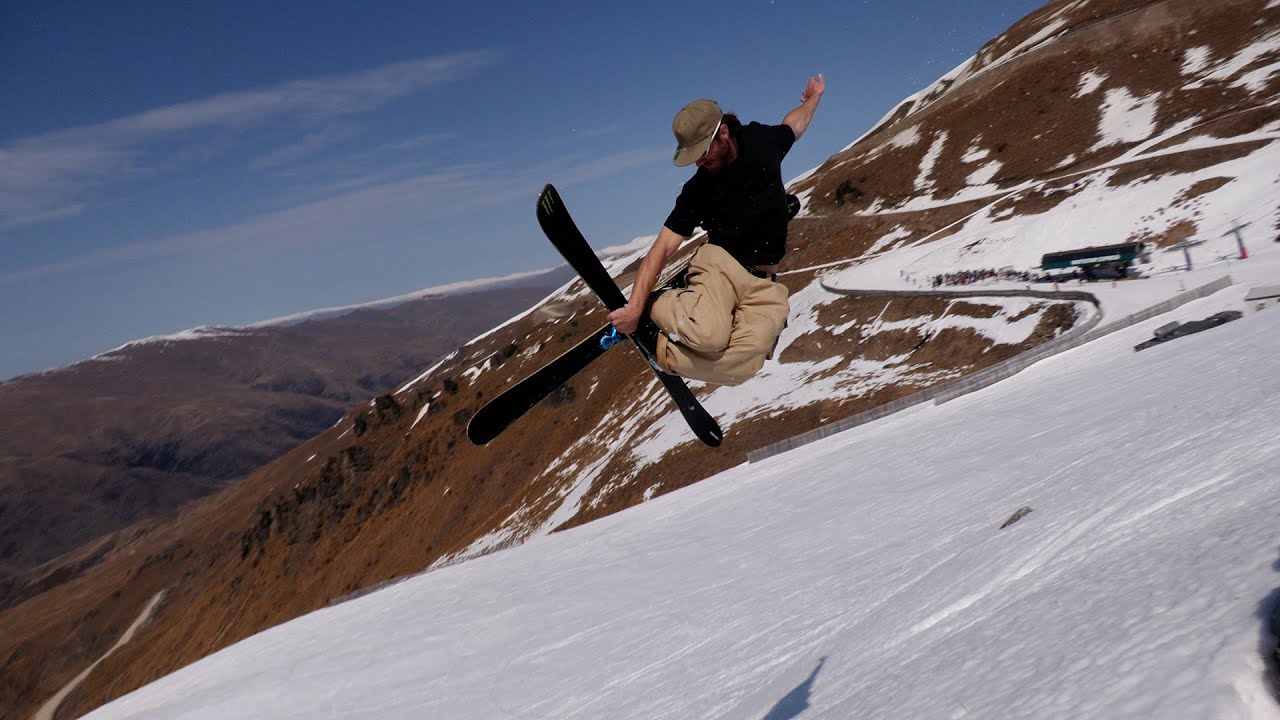
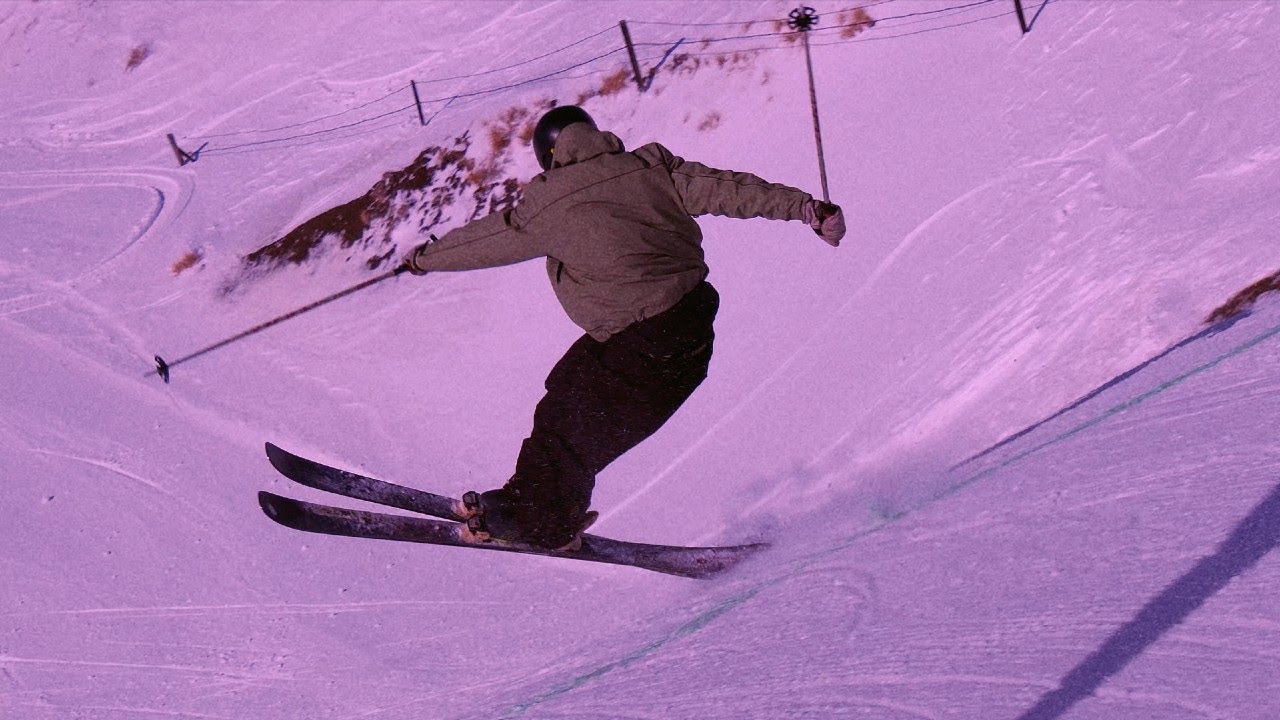
Fit is a major part of the “ride feel.” Pants run long and wide so they drape over highbacks and ski boots, giving that modern, stacked silhouette that many park skiers want, while still allowing full range of motion for butters, nose blocks and big spins. Jackets are cut loose with dropped shoulders and generous hem lengths that cover you on hand drags and low rail tricks without riding up. The overall experience is best suited to skiers who value style and freedom of movement over ultra-minimalist, race-inspired cuts.
For riders who split their time between resort park, side hits, and occasional tree laps, Capeesh outerwear slots in as an everyday kit that looks right in rail gardens, plaza-style parks, and nighttime sessions under the lights. Those charging high-speed alpine lines in harsh weather or doing full-day touring may prefer higher-spec shells, but a surprising number of all-mountain skiers still choose Capeesh for the blend of comfort, warmth, and expressive silhouette.
Team presence, competitions, and reputation
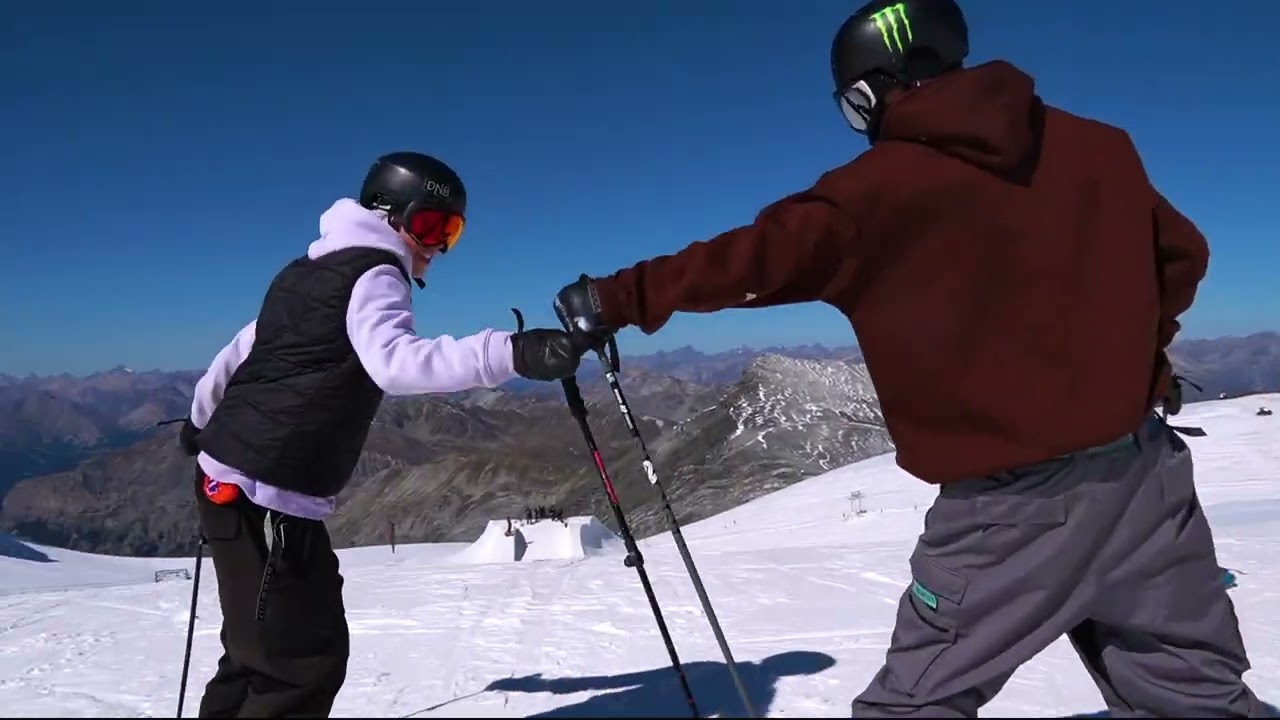
Capeesh’s credibility is tied directly to its founder. Ferdinand Dahl is not only a designer and co-owner; he is a multi-time X Games medalist and Olympic slopestyle finalist whose skiing has shaped the current era of park and street riding. When he wears Capeesh at major events or in parts, it sends a clear signal about the brand’s authenticity. Viewers spot the pants and belts in footage from Jib League stops and in SLVSH games filmed at locations like Grandvalira, where Dahl’s runs help define the visual identity of the sessions.
The wider “team” is less about a conventional, heavily marketed roster and more about a recurring cast of filmers and skiers appearing across Capeesh edits, the brand’s inspiration page, and collaborative projects. Many of these riders have main hardware sponsors from big ski and energy drink brands, but choose Capeesh for outerwear or belts, reinforcing the label’s status as a culture-first choice rather than a purely commercial one. It’s common to see the gear alongside other core brands in international competition recaps and independent movies.
In community discussions, Capeesh generates strong opinions—exactly what you’d expect from a design-forward brand. Some skiers praise the quality and fit, calling out improved construction over earlier micro-brands, while others debate the aesthetics and the premium price point. That friction is part of its reputation: Capeesh is not trying to please everyone; it is building a distinct look for skiers who want their outerwear to communicate identity as clearly as their trick selection.
Geography and hubs (heritage, testing, venues)
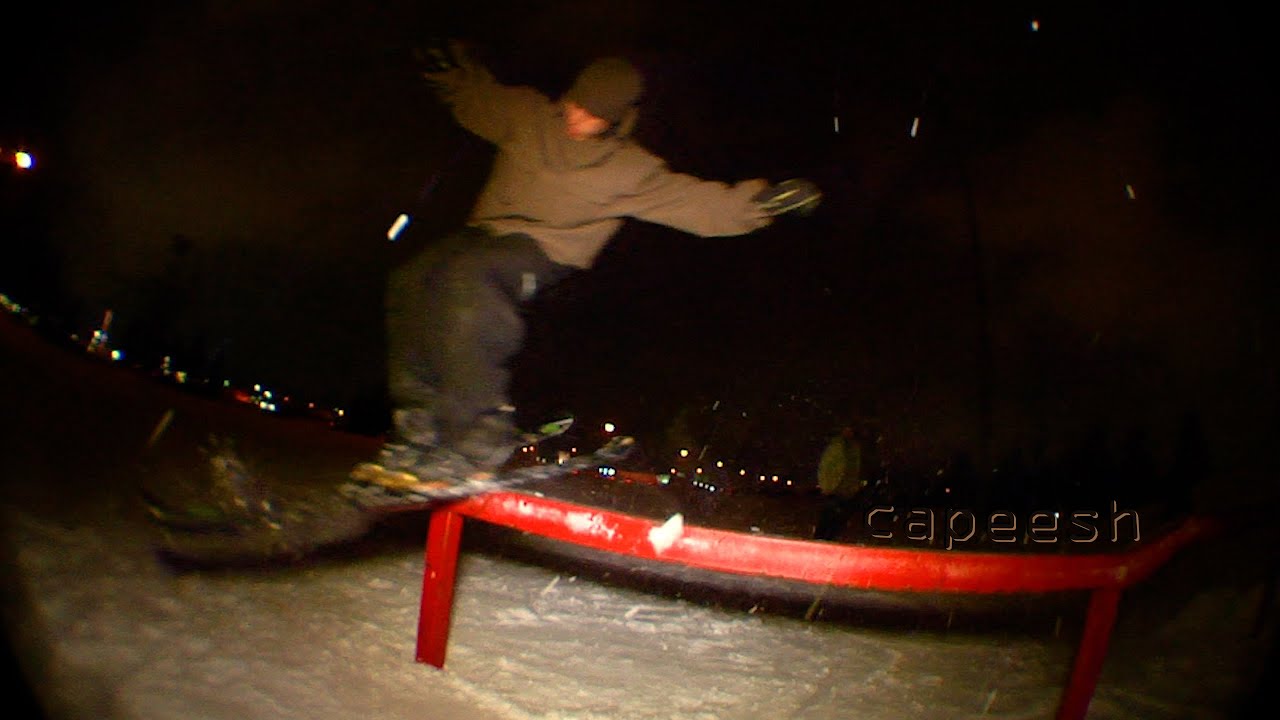
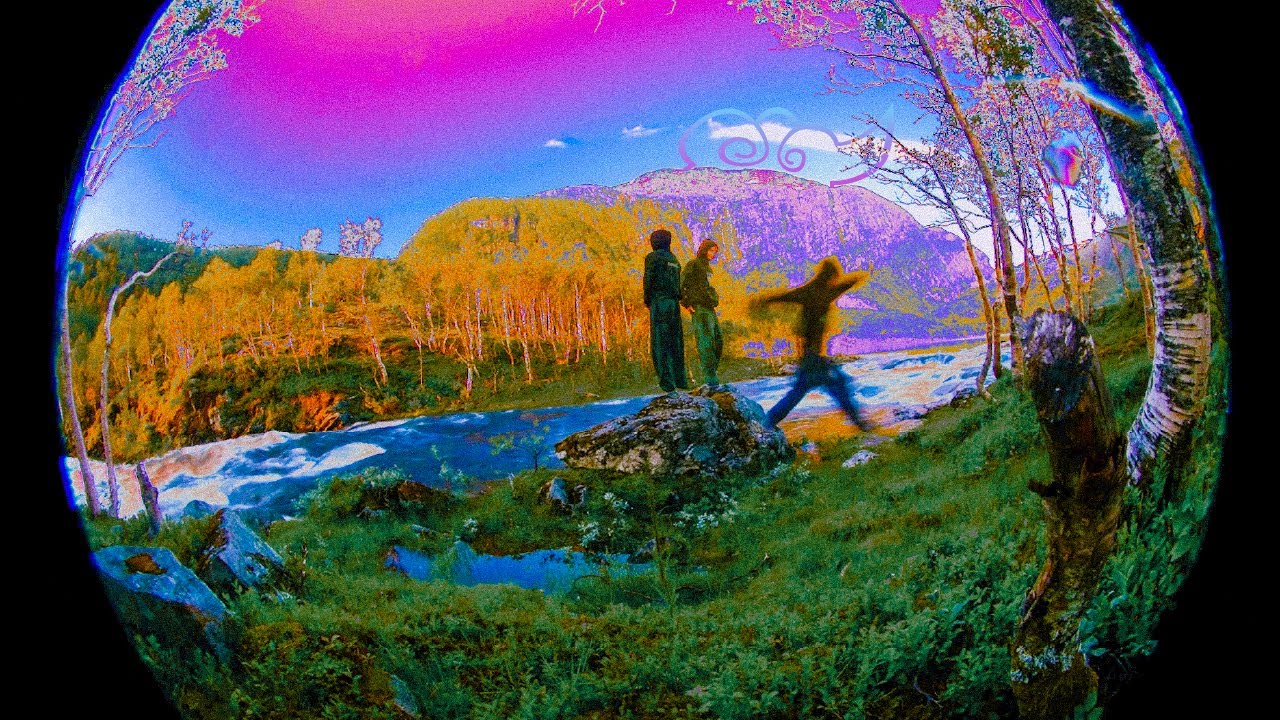
Capeesh is registered in Norway, and that Scandinavian backdrop is visible across its imagery and edits—urban rails, floodlit parks, and long winter nights where outerwear doubles as everyday clothing. Much of the early brand story took shape in and around Norwegian resort parks and street spots, where cold, dry snow and consistent night-skiing conditions influence how riders layer up and how garments must resist abrasion from concrete, metal and icy landings.
As the line has grown, Capeesh has expanded its footprint beyond Norway. International shipping is baked into the online store with dedicated flows for Europe and North America, and the brand partners with core freeski retailers abroad. In Québec, for example, the gear appears on the shelves of D-Structure, a freeski specialist whose own presence on Skipowd.tv and long-running community role make it a natural match for a rider-led clothing house. That shop connection also offers North American customers a more local way to see and size pieces.
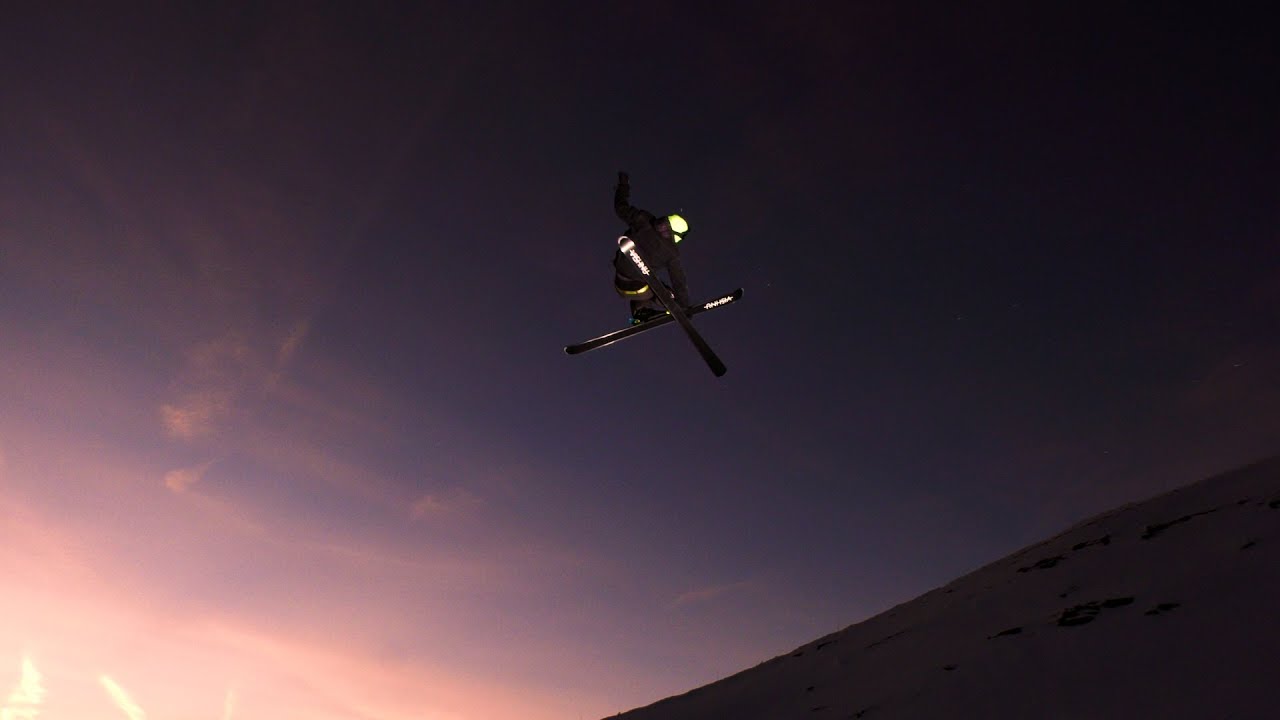
On film, Capeesh frequently shows up at destination parks and event venues. One recurring backdrop is Sunset Park Henrik Harlaut by night in Andorra’s Grandvalira area, where SLVSH Cup Grandvalira sessions create high-visibility moments under stadium-style lighting. These settings are not just scenic; they are proving grounds for how the garments move, vent and layer when riders are repeatedly hiking features, filming clips, and skiing into the evening.
Construction, durability, and sustainability
Capeesh’s construction story blends technical function with an explicit commitment to “sustainable and ethical practices” across sourcing, manufacturing and shipping, as outlined in the brand’s own informational pages. In practical terms, that shows up in choices like polyester shells with PFC-free water-repellent treatments, Primaloft Gold insulation in select jackets, and the use of proven hardware such as YKK zippers and magnetic pocket or belt closures designed for long-term reliability.
Pants and jackets lean on 10K/10K membranes, fleece and mesh linings, and careful seam work to balance comfort, warmth and durability. Reinforced cuffs help protect against edge cuts; vent zips and mesh-backed openings are placed to dump excess heat during hikes or street sessions without compromising weather protection. The interchangeable patch system, meanwhile, has an unexpected sustainability angle: by allowing riders to refresh the look of a garment season after season with new patches instead of new pants, it encourages longer product life.
Quality control is supported by collaboration with trusted retailers and ongoing feedback from a demanding core audience. Because many Capeesh customers are filming, hiking, and lapping rails almost daily, any failure in stitching, waterproofing or trims surfaces quickly in the community. The brand’s continued growth in that space suggests that its construction choices are holding up under real-world abuse—though like any 10K/10K street-influenced kit, its strengths lie more in day-to-day resort and park use than in high-altitude expedition contexts.
How to choose within the lineup
Choosing the right Capeesh setup starts with being honest about your climate, how you ski, and how baggy you want your silhouette to be. If you ride cold, dry resorts with lots of park time, insulated jackets like the Big Puffy or similarly warm silhouettes will keep you comfortable through long chairlift rides and night laps. In milder conditions or if you run hot, lighter insulated or shell-style pieces such as the Revamp series pair better with midlayers underneath, giving more control over temperature.
For pants, think about stack and volume. Pantaloni and Fancy Pant styles emphasize the full baggy look, especially when sized up, and work well for riders who value maximum range of motion and a draped profile over their boots. The Deconstructed variants add visual interest through paneling and seam details, and may offer slightly different pocket layouts or patch locations. Riders spending more time in the streets or on harsh rails should prioritize models with reinforced cuffs and consider pairing them with base layers or long thermals for warmth.
Accessories tie the kit together. The brand’s woven belts are a functional upgrade if you like to wear pants low but still need security on big spins and drops; the magnetic buckles are quick to open and close with gloves on. Hoodies, quarter-zips and tees can be chosen based on how they sit under your jacket—many skiers prefer slightly shorter tops under very long jackets to keep movement clean. In all cases, reference the brand’s size charts carefully; Capeesh pieces are intentionally roomy, so many riders stay true to size and still get a relaxed, modern fit.
Why riders care
Riders gravitate toward Capeesh because it feels like an extension of the scene rather than a distant corporation. The person designing and wearing the clothes is the same one stacking clips at high-level events and in influential edits, and that credibility matters in a culture where authenticity is constantly scrutinized. The gear itself walks a line between technical outerwear and fashion: waterproof and warm enough for real winters, yet expressive in cut and detail so it looks as intentional in the city as it does in the park.
For Skipowd.tv users scrolling edits and then heading out for their own laps, Capeesh offers a tangible way to plug into that world—belts that hold up through a full season, pants that match the way modern freeskiing moves, and jackets that photograph well without sacrificing basic functionality. It is not the only path a skier can take, and it won’t suit every budget or taste, but for those who see skiing as a blend of style, community and progression, this small Norwegian fashion house has become one of the clearest visual signatures on snow.