Overview and significance
Banger Park in Scharnitz, Tyrol, is a purpose-built, summer-only freestyle training ground where skiers and snowboarders send into oversized landing airbags from dry-slope in-runs. Set on the Seefeld plateau about half an hour from Innsbruck, it operates from roughly May to the end of November and positions itself as a high-output progression venue with multiple jump sizes and a jib platform. The model is simple but powerful: repeatable airtime, safe landings, and fast feedback so you can take new tricks to snow with confidence when winter returns (official FAQ).
The facility’s reputation reaches beyond the local scene. National teams, clubs, and independent crews fold Banger Park into their off-season calendars because it compresses a month of trial and error into a handful of sessions. Public lanes let newcomers and intermediates build air awareness, while pro-sized features run on bookable slots for advanced training. For freeskiers who value deliberate practice as much as storm-day luck, it’s one of Europe’s most efficient places to get better fast.
Terrain, snow, and seasons
There’s no natural snow here—consistency is the point. The in-runs are synthetic, speed is managed, and the landings are massive airbags that forgive under- or over-rotation. Because the setup isn’t tied to winter, sessions continue through warm spells and showers, and reshapes are quick. The tradeoff is obvious: you exchange alpine scenery and powder for hundreds of controlled hits that refine axis, pop timing, and grab placement without the risk profile of hard-snow landings. The operating season runs spring to late autumn, so you can arrive rusty in May, regain axes in June, and show up to glaciers or early winter with tricks that already feel automatic (season info).
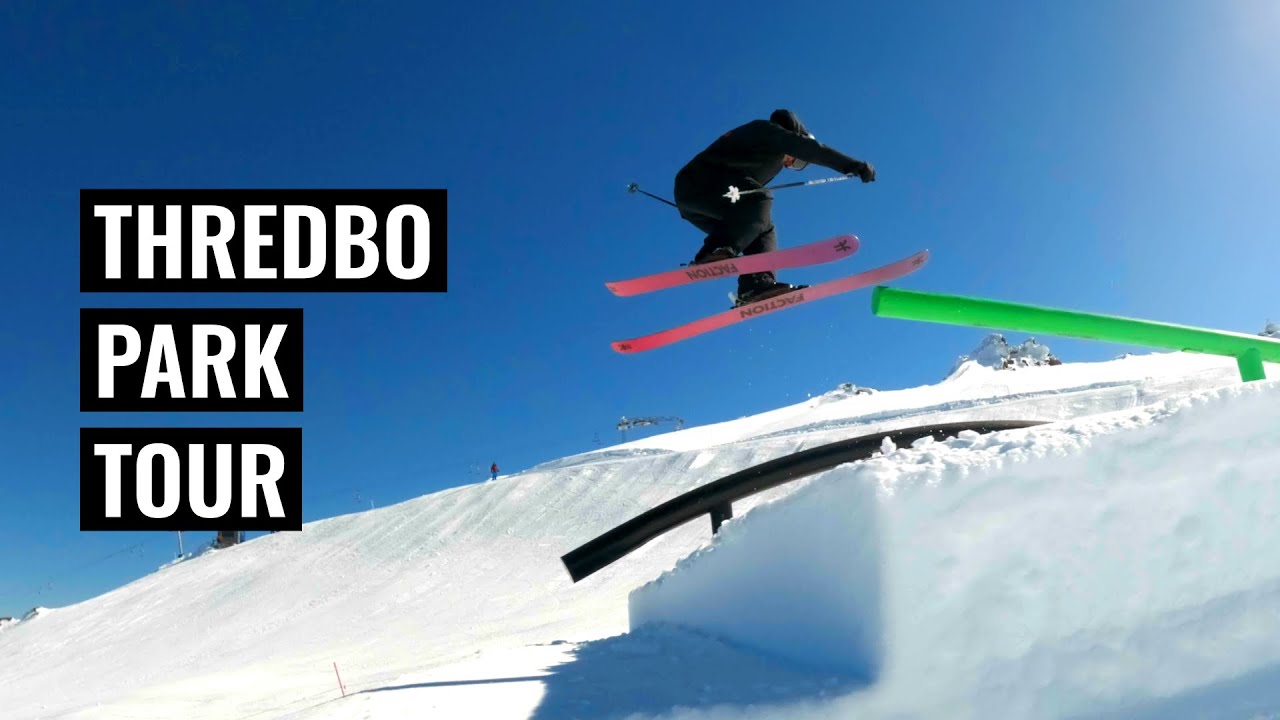
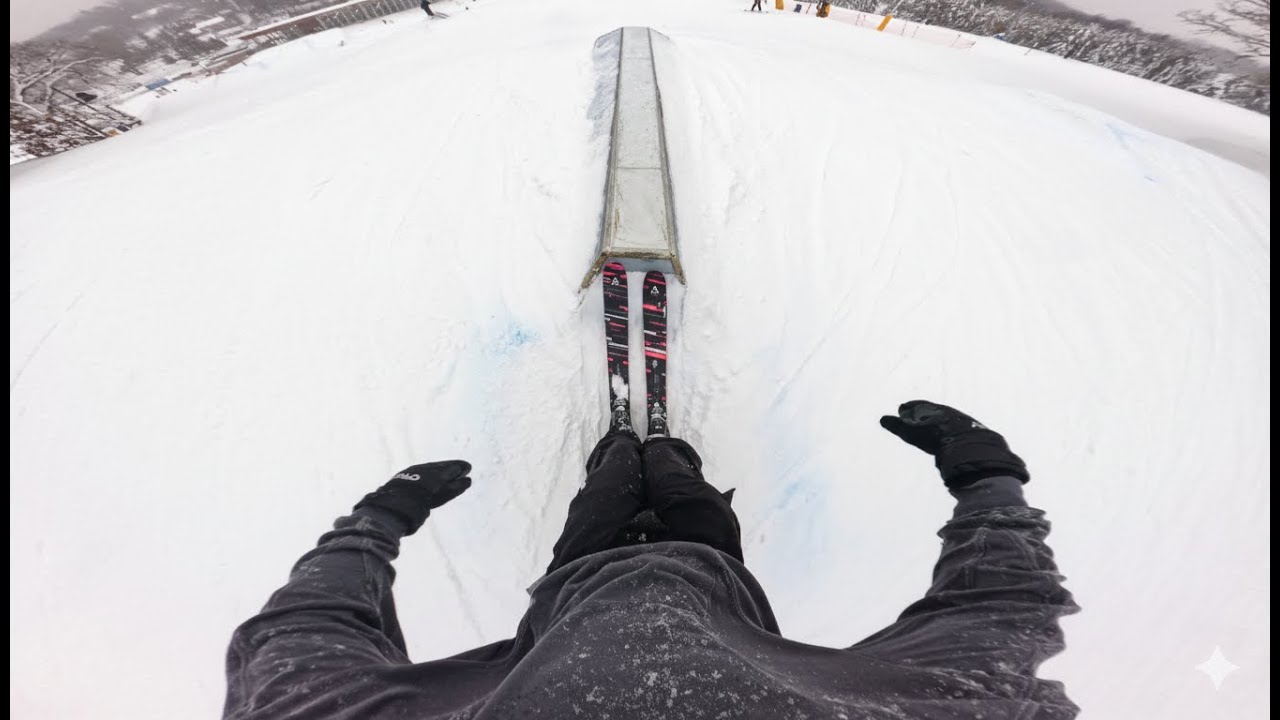
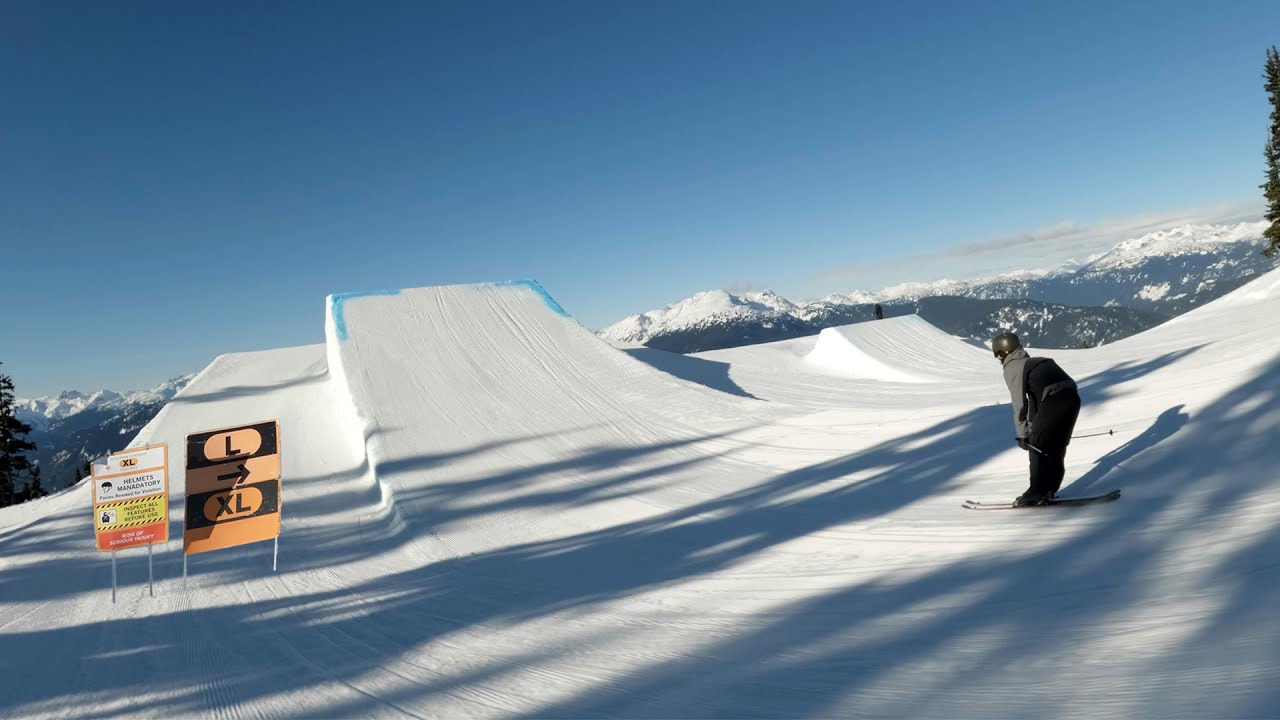
Feature sizing is staggered. The Public Park includes a Small Jump, a Medium Jump, and a dedicated jibb platform for takeoff control and rail approach work. The Pro Park—an XL Jump and “Side Hits” line—runs on reserved sessions for riders who already have speed, pop, and inversion basics wired. That separation keeps traffic predictable and lets everyone train at an appropriate pace.
Park infrastructure and events
Banger Park is engineered around progression. Lanes are monitored, lip shapes are tuned for consistency, and the airbags (developed by the same team behind BangerBags) are sized to absorb real mistakes while preserving air awareness. Public sessions are first-come on the smaller jumps and jib zone; XL and Side Hits require booking via the office, which keeps rider counts tight and speeds consistent (booking guidance).
The venue attracts structured coaching weeks. Club programs and camps use the park’s cadence—hit, review, adjust—to stack high-quality repetitions and immediate video feedback. Elite squads from countries with limited summer snow also drop in for focused blocks; even a rainy day turns productive when the goal is dialing spin to grab timing rather than filming scenic lines (example team training note).
Access, logistics, and on-mountain flow
Getting there is straightforward. Scharnitz sits on the Seefeld plateau with rail links from Innsbruck and Munich; the Scharnitz Bahnhof is a short walk from the park, and there’s on-site parking for those driving. The official address is Feldweg 390, 6108 Scharnitz (location). Base in Seefeld or Innsbruck for the widest lodging options and easy transfers.
Bring your own skis, boots, and a helmet—protective gear is standard and expected—and wear durable, preferably waterproof clothing since bag landings can run damp. Before your first session, check edges for burrs or cracks so you don’t damage the landing surface. A productive day starts with warm-up hits on the Small or Medium line to calibrate speed and snap, then moves to targeted trick reps with short video reviews between attempts. If you’ve booked the XL or Side Hits, arrive early, review speed marks with the crew, and communicate clearly at the drop so intervals stay clean (rider guidelines).
Local culture, safety, and etiquette
The culture is safety-first and progression-minded. Call your drop, clear the landing promptly, and keep the run-out free for the next rider. Respect closures during reshapes and stay on the line that matches your current speed and pop; stepping up is the goal, but predictability is what keeps the session productive for everyone. Coaches and filmers should set up where they don’t obstruct the exit lanes, and athletes should expect quick, constructive feedback rather than marathon filming breaks.
Because this is a training venue rather than a resort, self-management matters. Show up with a short list of tricks, hydrate in summer heat, and plan micro-sets of five to eight hits followed by immediate review. If you fatigue or timing drifts, downshift to the medium line and rebuild rhythm before returning to the big feature. The best sessions feel boring in the moment—repeat, refine, repeat—and pay off later when you transfer to snow.
Best time to go and how to plan
Late spring and early summer are prime for rebuilding air awareness after the season, while mid-summer through early autumn is ideal for learning a new axis or lock-in grab without winter logistics. The park’s official guidance notes operations from May until the end of November, subject to weather and maintenance. Book travel through Innsbruck for the shortest transfers; Munich also works with a longer drive or direct train. If you’re pairing bag sessions with alpine days, base around Innsbruck and add early-morning groomers at nearby hills once they open for winter while keeping afternoons for Banger Park reps.
Planning tips that actually help: arrive with wax that matches ambient temperatures so takeoffs feel predictable; bring spare screws and a pocket tool; and schedule short daily edits so your next session starts with concrete notes. If you’re transitioning tricks to snow later in the year, look for early-season resort parks or glacier setups where speed is controlled and tables are conservative—your bag timing will translate best there.
Why freeskiers care
Banger Park strips progression down to the essentials: safe, repeatable airtime; clean lip shapes; and lines scaled from first 360s to pro-sized sends. Add easy access from Innsbruck, a clear split between public and pro features, and an operating window that covers the off-season, and you get a training base that makes winter more productive. If your season goals include learning a new axis, locking a grab, or turning a sketchy trick into a contest-ready move, this Tyrolean airbag park delivers the volume and structure to make it happen.