Perisher
Snowy Mountains
Australia
Australian alpine resort in the Snowy Mountains | Known for: 1245 ha of terrain, 47 lifts, Perisher Valley, Smiggin Holes, Blue Cow, Guthega, Front Valley park laps, Skitube access and Southern Hemisphere winter progression | Season: June to October depending on snow and operations | Best for: park riders, Southern Hemisphere training, mixed crews, resort freeriders and skiers building repeatable freestyle mileage
Four Snowy Mountains Sectors Under One Lift Network
Perisher is Australia’s largest ski resort system, spread across Perisher Valley, Smiggin Holes, Blue Cow and Guthega in New South Wales. The official resort stats list 1245 hectares, 3076 acres, 47 lifts, 355 meters of skiable vertical, a highest lifted point of 2042 meters on Mt Perisher 6, and lift capacity of 53990 skiers per hour. That scale makes the resort the main Australian reference for skiers who need terrain variety, park access and reliable winter operations inside one connected area.
The resort does not ski like one steep fall-line mountain. It works as a broad network of pods. Perisher Valley is the central hub and the park-facing base. Smiggin Holes is more sheltered and beginner-friendly. Blue Cow gives longer views, upper-mountain terrain and useful wind-window options. Guthega feels quieter and more alpine, especially when weather and lift status align. For freeskiers, that layout is valuable because the day can move by surface, wind, visibility and feature status rather than one fixed run plan.
Front Valley Lights And The Perisher Park Ladder
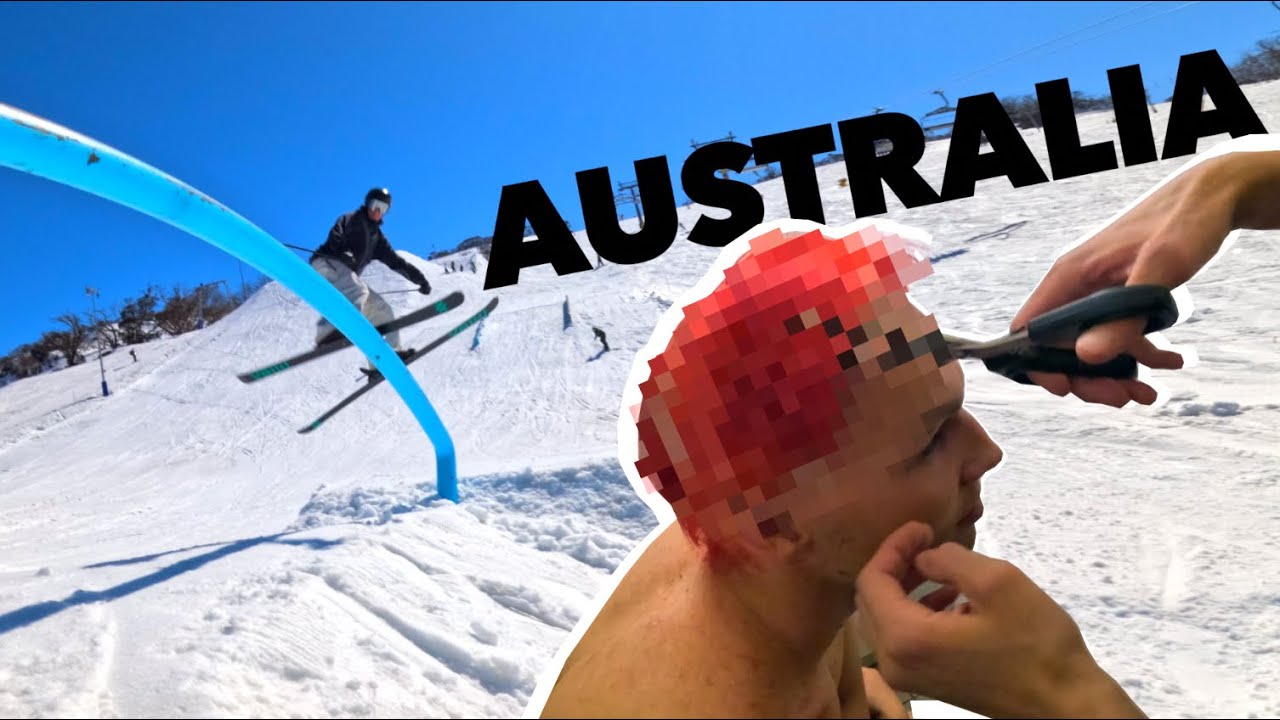
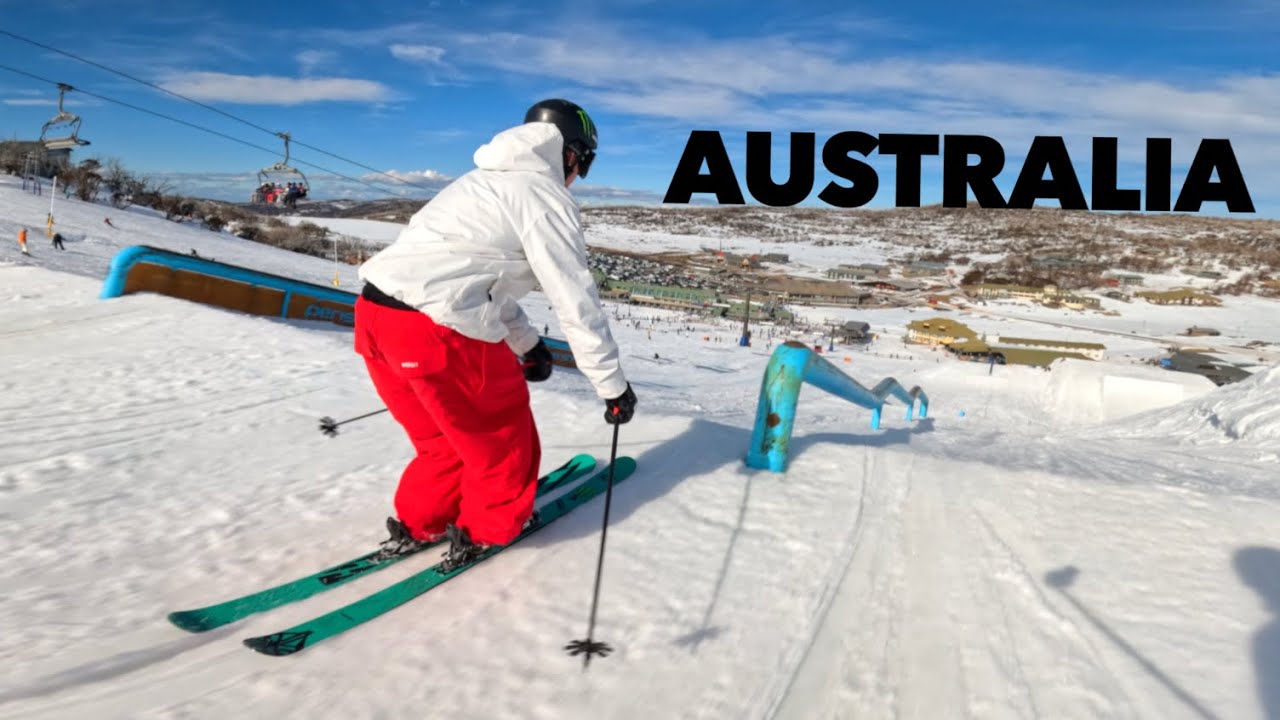
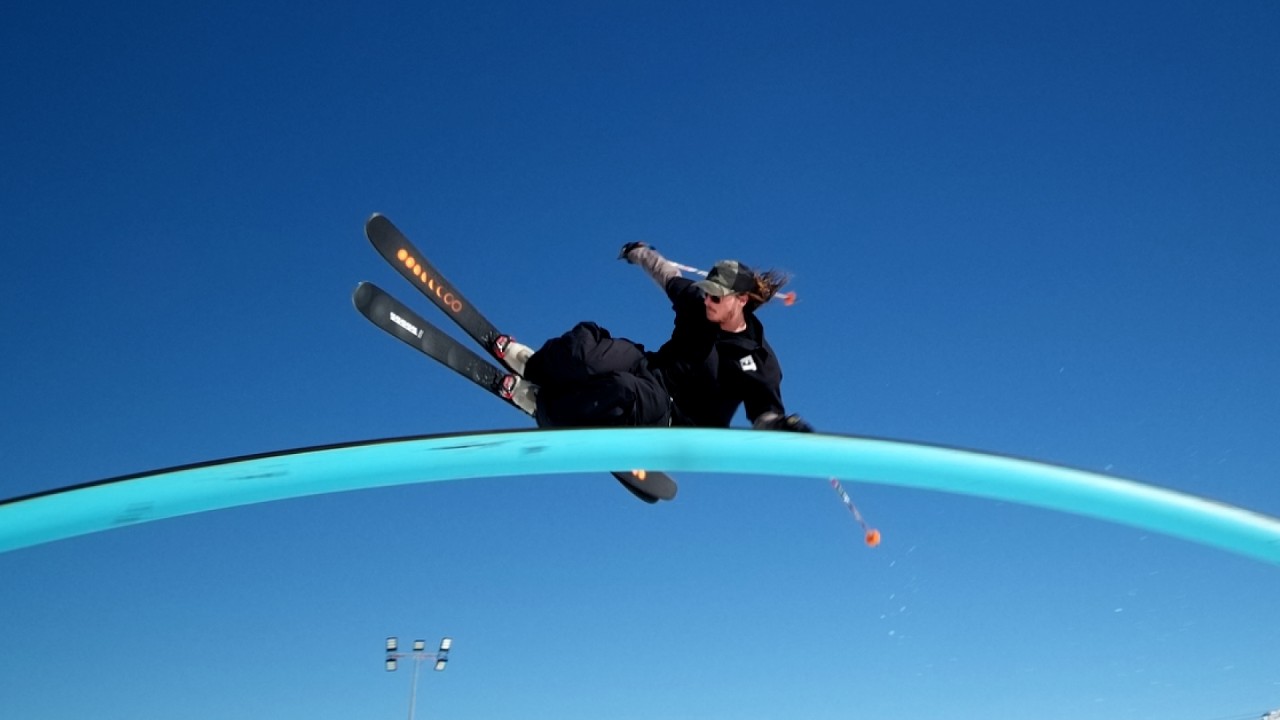
Perisher’s freestyle identity is built around its terrain parks. The official Perisher Parks page describes the program as an award-winning park system for skiers and snowboarders of all levels, with features ranging from first boxes to advanced jumps and rails. Front Valley is the public-facing park stage, close to the village and visible enough that park laps can become the main event of the day rather than a side session.
The strongest park value is progression. Yabby Flat Mini Park gives beginners and younger riders a low-pressure place to learn speed, box balance and first takeoffs. Leichhardt and Blue Cow park zones can support medium rails, boxes and jumps when conditions allow. Front Valley is where stronger riders look for more complete slopestyle energy. This ladder is the reason Perisher works for Southern Hemisphere training. A skier can start small, repeat cleanly, then step into stronger features without leaving the resort network.
Blue Cow Guthega And Longer Alpine Panels
Blue Cow and Guthega give Perisher more depth than a park-only resort would have. Blue Cow’s lift-served terrain sits higher and often becomes useful when visibility opens after a storm or when skiers want longer, faster turns away from the Front Valley concentration. Guthega adds a more open mountain feel, with views into the Main Range and a quieter rhythm than the central valley.
These sectors matter for freeskiers because park riders still need all-mountain mileage. Long groomers teach edge pressure and landing direction. Wind-buffed pitches teach stance and speed discipline. Natural rollers and cat-track transitions create side-hit opportunities when the snow surface is right. Perisher’s vertical is smaller than Thredbo’s continuous drop, but its footprint is much larger. The useful skill is movement: knowing when to leave the park, when to return, and which sector is skiing best at that hour.
Smiggin Holes And The Sheltered Learning Layer
Smiggin Holes is easy to overlook from a freeski perspective, but it plays an important role in the resort’s full system. The terrain is gentler, more protected and better suited to early progression, warm-up laps and lower-stress days. In windy or flat-light conditions, that sheltered feel can be more productive than forcing speed on exposed terrain.
For younger riders, Smiggins can be the first step before Perisher Valley park laps. For mixed crews, it gives beginners a place to ski while stronger riders work other zones. For filmers, it can also offer small terrain, approachable side hits and calm lift flow when the main park is busy. A resort of this size works best when every sector has a purpose, and Smiggin Holes gives Perisher its low-pressure base layer.
Skitube Access And Storm Day Logistics
Perisher’s access story is unusual in Australia because of the Skitube Alpine Railway. The resort notes that the Skitube is not included in the lift count, but it is central to how many visitors reach Perisher Valley and Blue Cow. Skiers can park at Bullocks Flat below the snow line, then use the railway to reach the resort, which can be especially useful during busy weekends or storm periods when alpine road travel becomes slower.
Most trips still run through Jindabyne and Kosciuszko National Park, so road planning remains part of the ski day. Chains, park entry requirements, weather changes and parking pressure can affect the morning. The practical routine is simple: check road status, check lift status, check park status, then decide whether the day belongs to Front Valley, Blue Cow, Guthega or a sheltered Smiggins lap cycle. Perisher is large enough that one closed or wind-affected zone does not automatically end the day.
Southern Hemisphere Training During Northern Summer
Perisher’s season gives it international training value. While the Northern Hemisphere is in summer, Australian winter lets park riders, coaches and film crews keep skiing from June through the main midwinter period. July and August are usually the most reliable months for park speed, snowmaking support, feature maturity and winter surface quality. September can bring softer landings, longer light and spring-style park filming when coverage remains strong.
This timing explains why both Australian riders and visiting crews use Perisher as a progression base. The resort’s terrain does not need huge Alpine vertical to be useful. It needs consistent features, enough terrain to reset between park laps, and enough operations depth to keep sessions alive through changing weather. Perisher delivers that better than most Australian ski areas because of its size, parks and transport structure.
Martin Longhitano And The Local Park Thread
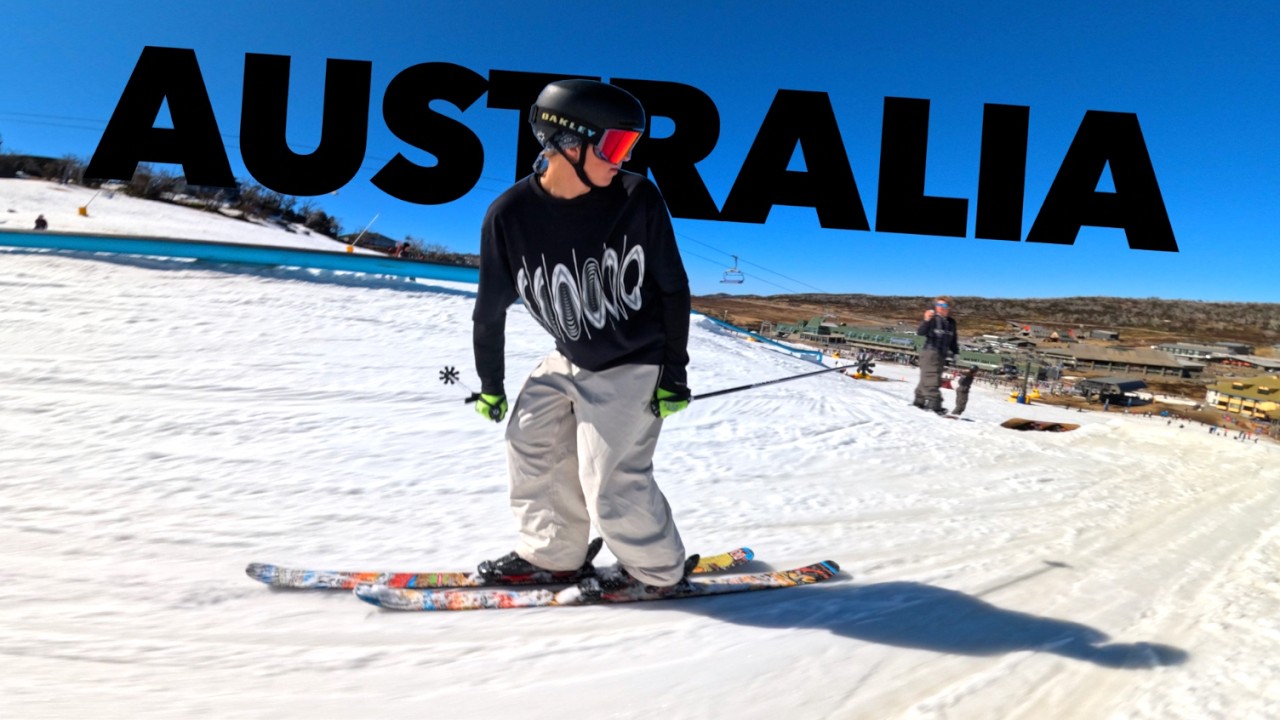
Martin Longhitano gives Perisher one of its clearest modern freeski connections. His verified skipowd.tv profile links him to Perisher park laps, Australian street projects and rider-led jam formats, while the Perisher page includes “A Tour Of Perishers 2025 Terrain Park With Martin Longhitano.” That makes the resort more than a destination statistic. It is part of an Australian freestyle pathway where riders build style through repeated park mileage.
Ski Addiction also appears through the internal Perisher archive, with a park-tour video focused on the 2025 terrain setup. That connection fits the resort’s role. Perisher is a place where a tutorial or feature breakdown makes sense because the park system is structured, visible and useful for progression. The mountain can be filmed as a learning environment, not only as a highlight reel.
Sebastian Schjerve And The International Visitor Signal
Sebastian Schjerve appears in the verified Perisher archive through “PERISHER SHRED OG CRAZY ROOKIECUT / VLOG 2” and “DOWN UNDER NEXT - ReiseLyfe og $hred / VLOG 1.” That does not turn Perisher into a European contest venue, but it shows the resort’s seasonal pull. Northern Hemisphere riders can use the Australian winter for park laps, vlogs, rail sessions and off-season snow time when their home resorts are closed.
This visitor layer is important for the page because it separates Perisher from a purely domestic resort profile. The park system, Epic Australia access, Snowy Mountains location and Southern Hemisphere calendar all create reasons for international riders to appear here. The footage does not need to be a major competition to matter. It shows how Perisher functions in the global freeski calendar: a winter option when Europe and North America are in summer mode.
Epic Australia Pass And Multi Resort Planning
The Epic Australia Pass connects Perisher with Falls Creek and Hotham, giving skiers a wider Australian planning frame. Perisher is the biggest and most park-relevant of the three for many freestyle crews, but the pass structure matters because snow conditions in Australia can vary sharply by storm, elevation and region. A flexible skier can use Perisher as the main Snowy Mountains base, then consider Victorian resorts when weather and travel timing support it.
The closest natural comparison remains Thredbo. Thredbo has Australia’s strongest continuous vertical and a compact village-to-peak rhythm. Perisher has more area, more lift pods and a deeper park network. The best Snowy Mountains trip can use both. Choose Thredbo for long fall-line laps and a tighter resort village feel. Choose Perisher for park volume, sector variety and broad terrain that can keep a mixed crew busy for several days.
Snowy Mountains Safety And Park Discipline
Perisher is a managed resort, but the Australian alpine environment still changes quickly. Wind, fog, rain, refreeze, thin cover, rocks, hard landings and fast park surfaces can all shape the day. Inside the resort, closures and rope lines should be respected. In the parks, riders should inspect features first, call drops clearly, clear landings immediately and avoid stopping on knuckles or blind transitions.
Beyond controlled terrain, the Main Range requires real backcountry preparation. The Mountain Safety Collective publishes backcountry conditions for New South Wales and Victoria during the season, and skiers leaving managed terrain should carry beacon, shovel, probe, navigation tools and partners who know rescue practice. Perisher’s scale can make the resort feel forgiving, but the Snowy Mountains still demand careful decisions when visibility, wind or snowpack stability changes.
The Perisher Reason For Freeskiers
Perisher matters because it gives Australia its biggest resort canvas and one of its strongest park progression systems. Front Valley supplies the visible freestyle stage. Yabby Flat and smaller zones build first-feature confidence. Blue Cow and Guthega add longer alpine texture. Smiggin Holes keeps the learning layer sheltered. Skitube access makes storm and weekend logistics more manageable than a road-only plan.
The cleanest editorial angle is Perisher as the Southern Hemisphere progression hub: broad terrain, many lifts, structured parks, international off-season pull and a verified skipowd.tv archive that already includes Martin Longhitano, Sebastian Schjerve and Ski Addiction. It is not the steepest resort in Australia and it is not a global mega-event stage, but it is the Australian location where terrain volume and park repetition combine most clearly.