Marcus Vanheyst
British Columbia, Canada | Active: 2021-present public video record | Known for: dirt skiing, brown pow, GoPro POV, British Columbia freeride clips | Current: skier, mountain biker and North Shore trail crew member
Brown Pow Above The Bike Line
The dirt chute in British Columbia looked more like a mountain-bike trail than a ski run: loose dust, narrow corners, exposed grass and no snow to soften the exit. Marcus Vanheyst dropped in anyway, skis rattling over the surface while Alexandre Chapellier followed close behind on a mountain bike. That clip explains his public ski identity better than a contest result ever could. Vanheyst is not known for FIS slopestyle starts or X Games medals. He is known for refusing to let the season end, turning dirt, grass, drainage ditches, rock-streaked slopes and spring melt lines into ski footage.
North Shore Gravity Before The Ski Clips
Vanheyst’s public trail-work profile places him on Vancouver’s North Shore, with Mt. Fromme trails close to home and mountain biking and hiking part of his life from childhood. That background matters because his skiing often reads like mountain biking translated back onto skis. He looks for fall-line movement, loose-surface control, speed pockets, berm-like corners, natural transitions and terrain that can be read without groomed snow. The North Shore is a logical base for that mindset: wet winters, steep forest, roots, dirt, rock, trail-building culture and a community used to making technical terrain rideable by hand.
Grouse And Seymour In The Early Video Record
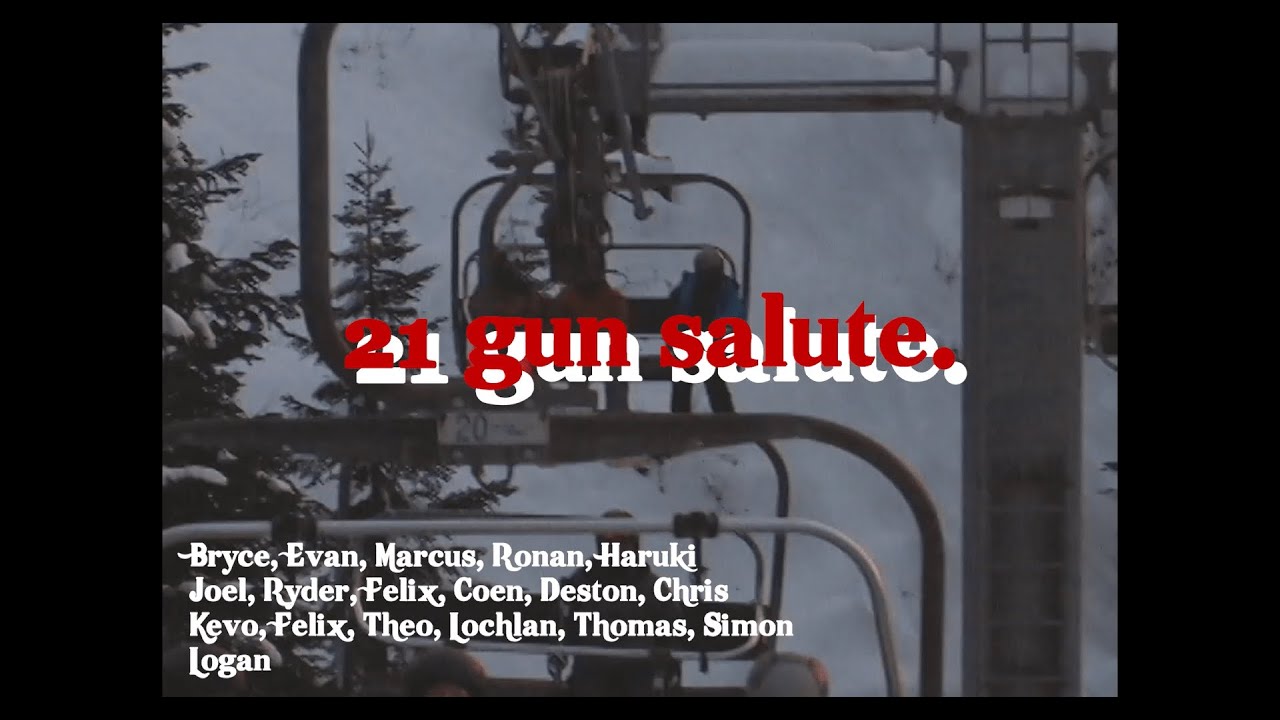
One of the earlier public ski markers around Vanheyst appears in the 2021 Newschoolers video “21 Gun Salute,” filmed at Grouse Mountain and Seymour Provincial Park. The skier list includes Marcus Vanheyst alongside Lochlan Wilson, Chris Grillman, Bryce Menning, Evan Friesen, Simon Burns, Ryder Bartlet, Joel Macnair, Haruki van Veenendaal, Thomas Cok, Ronan Hoey and others. That setting anchors him in coastal British Columbia ski culture before the dirt-skiing clips reached a wider audience. Grouse and Seymour are not huge alpine resorts. They are local mountains where park laps, rails, jumps, wet snow and after-school sessions can build a practical, improvisational style.
GoPro Found The Four-Season Angle
The wider audience arrived when GoPro-related coverage identified Vanheyst as a GoPro YourSummer award recipient for skiing all seasons in British Columbia. The clip language was simple and effective: snow is optional, skis still work, and the mountain can be ridden after winter has disappeared. That award matters because it moved his off-season experiments beyond a local joke. It showed that action-sports media could understand the idea instantly. The performance is partly novelty, but the control is real. Dirt skiing punishes over-rotation, backseat pressure and panic movements faster than spring snow does.
The Same Dirt Line Twice
Unofficial Networks highlighted one of Vanheyst’s clearest crossover ideas in 2025: skiing and mountain biking the same dirt line. The concept sounds simple until the surfaces are considered. A bike can absorb chatter through tires and suspension. Skis slide, skip, grab and accelerate whenever the slope steepens. Vanheyst’s clip works because he commits to the line early, keeps the upper body quiet and lets the skis run across rough ground without trying to force carved turns where none exist. The movement sits somewhere between freeride skiing, grass skiing, scree riding and downhill-bike line choice.
Pond Skim Without The Snow Run-In
The dirt-ski pond skim pushed the same idea into a more absurd setup. Unofficial Networks described Vanheyst searching British Columbia for brown-pow zones before finding a spot that allowed a high-speed dirt approach into a pond skim closeout. On snow, a pond skim already asks for balance, speed and commitment. On dirt, the approach adds friction, vibration and unpredictable acceleration before the water even appears. The clip’s appeal comes from that contradiction. It looks ridiculous, but the execution depends on real ski fundamentals: centered stance, flat ski management, visual focus, speed control and enough confidence to stay quiet over the roughest surface.
Alexandre Chapellier And The Bike-Ski Chase
Chapellier’s follow-the-leader clips helped make Vanheyst’s summer skiing easier to understand. A single skier on dirt can look like a stunt. A mountain biker following the same pitch gives the terrain scale, speed and consequence. Unofficial Networks quoted Chapellier describing one British Columbia run as steep, tight and hard to miss, which matches the visual problem in the footage. Vanheyst is not simply sliding down a grassy hill. He is choosing lines where a biker also has to manage braking, corners and exposure. The shared descent turns the ski clip into a gravity-sports comparison rather than a one-off gag.
How He Keeps Skis Alive On Dirt
Vanheyst’s technique depends on restraint. Dirt skiing does not reward big edging movements, deep knee drops or aggressive carving. The skis need to stay flatter, the body needs to stay stacked, and the turn shape has to follow the surface rather than fight it. Loose soil, embedded rock, gravel, grass and drainage concrete all create different friction. He absorbs that through ankles and knees, then keeps the shoulders facing down the line. The same toolkit transfers back to snow: freeride POV, pillow lines, side hits, wet coastal powder and spring laps where the snowpack changes every few meters.
British Columbia As The Whole Playground
The geography around Vanheyst is central to the archive. Coastal British Columbia gives him wet snow, fast spring transitions, exposed dirt, steep trail systems and local ski hills close to Vancouver. Interior and resort zones add freeride faces, powder days, rocky exits and long shoulder seasons. His clips work because the terrain is varied enough to keep the idea fresh. One week can be a snow line at Whistler or Cypress. Another can be a drainage ditch, dusty face, grassy slope or bike trail. The unifying thread is not the surface. It is the willingness to ski whatever gravity offers.
The Vanheyst Lane Now
Marcus Vanheyst’s verified profile remains video-led and unconventional. There is no major competition résumé, sponsor history or film-company catalog strong enough to place him beside established freeride stars. The public record is still clear: British Columbia skier, dirt-ski specialist, GoPro YourSummer recognition, Unofficial Networks coverage, Grouse and Seymour video roots, North Shore trail culture and bike-ski collaborations with Alexandre Chapellier. His value for a ski-video platform is specific. He represents the edge case where freeskiing leaves the resort, loses the snow, and still keeps the same central question: can this line be ridden?