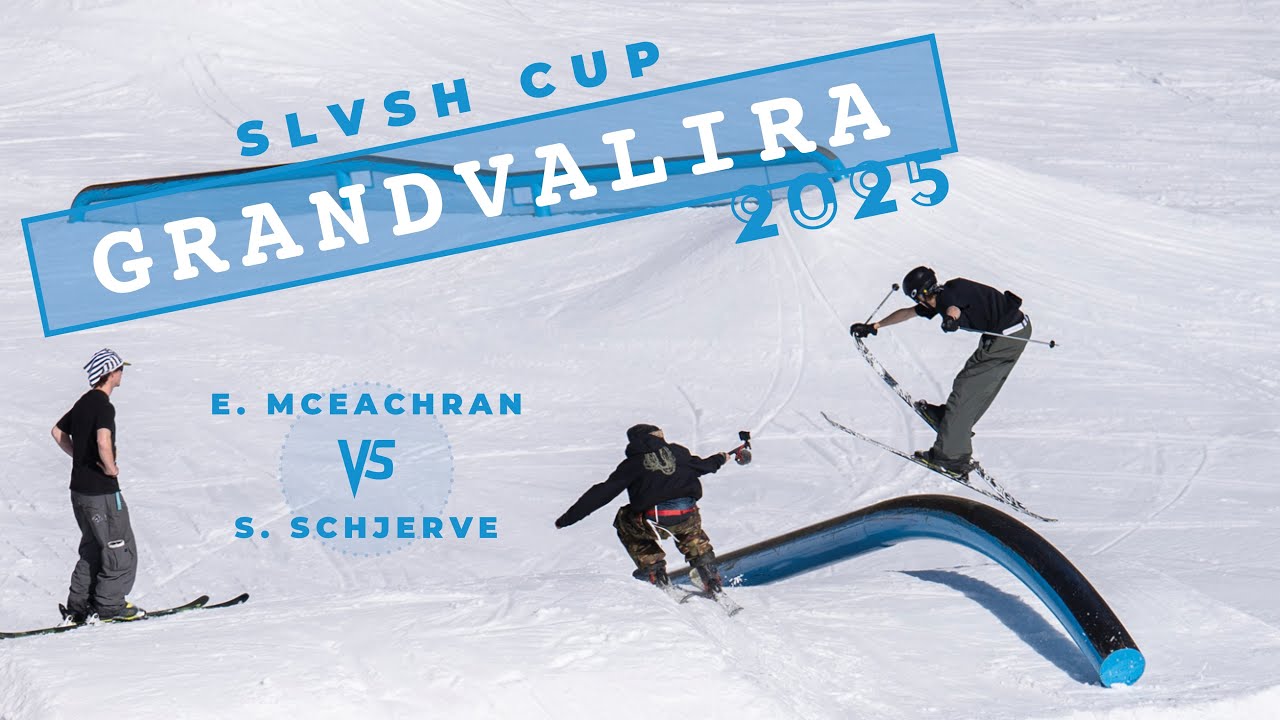
Sebastian Schjerve
Namsos, Norway | Active: 2016-present FIS record | Discipline: Slopestyle and Big Air | Known for: Olympic slopestyle final, World Cup podiums, X Games Aspen, Red Bull Unrailistic
Livigno When Run Three Finally Held
The Livigno slopestyle course sat under Olympic pressure, rails first, jumps after, with flat light turning every takeoff into a late decision. Sebastian Schjerve had almost nothing from his first two final runs at Milano Cortina 2026: 28.50, then 1.38. On run three, he cleaned the rails, kept the speed alive, and landed the run that moved him to 76.20. It was not a medal. It was sixth place, behind Birk Ruud, Alex Hall, Luca Harrington, Andri Ragettli and Jesper Tjäder. For a Norwegian skier still chasing a first World Cup win, the result mattered because it placed him inside an Olympic final when the course punished almost everyone.
Namsos Roots And The Åre Cabin
Schjerve’s FIS profile lists him as Norwegian, born on March 16, 2000, from Namsos, with FIS code 2533816 and active status. That gives the official base, but his public skiing has always stretched beyond one town. X Games notes that one of his favourite places to ski is the family cabin in Åre, Sweden, a detail that places him inside the Scandinavian park circuit as much as the Norwegian national structure.
Åre matters because it is not only a resort name in his story. It is a place with park laps, spring sessions, rail culture and easy contact with Swedish freeskiers who shaped the same creative-contest language. Schjerve’s skiing carries that mix: national-team competition discipline, but also backyard rails, cabin trips, social clips and a loose Scandinavian approach to park skiing.
Norwegian Titles Before The World Cup Podiums
Red Bull’s 2026 Unrailistic profile credits Schjerve with five Norwegian championship wins. That domestic record is important because it explains how he became more than a one-result World Cup name. Norway’s freeski field has been unusually deep during his era, with Birk Ruud, Tormod Frostad, Øystein Bråten, Ferdinand Dahl and younger riders all giving the national scene international weight.
Winning at home in that environment is not a small detail. Norwegian slopestyle and big air have produced Olympic medals, X Games regulars and some of the most technical rail skiers in Europe. Schjerve’s national titles placed him inside that system before the wider public saw him on podium graphics. The national scene gave him pressure, peers, and a reason to make rails count before the jumps opened the score.
Copper Mountain And The First Big Air Podium
The first major World Cup podium in the current public record came at Copper Mountain in 2022, where Red Bull lists Schjerve third in FIS World Cup big air. Copper is a useful venue for a Norwegian big air breakthrough because the jump is fast, the landing is wide, and the field often arrives with early-season tricks already tuned for North American snow.
That podium showed that Schjerve was not only a slopestyle rail technician. Big air strips the argument down to trick choice, amplitude, grab quality, rotation control and landing. A skier cannot hide behind a strong upper rail section or course rhythm. Schjerve’s Copper result gave him a single-hit marker against athletes who were already pushing double and triple cork variations, switch takeoffs and high-degree rotations into standard podium requirements.
Mammoth Mountain And The Slopestyle Step
Red Bull also lists Schjerve second in FIS World Cup slopestyle at Mammoth Mountain in 2023. That result changed the shape of his profile because Mammoth rewards a complete run. The California course usually asks skiers to handle technical rails before opening into large jumps, with sun, soft landings and speed changes making the course feel different from lap to lap.
Second at Mammoth placed him closer to the center of the men’s slopestyle field. It showed that his skill set could carry through a full course, not only a single big air jump. The result also fit what X Games later wrote about him: a skier quietly building momentum on the world stage, without the same hype as Ruud, Hall or Ragettli, but with enough consistency to stay dangerous when the rails lined up.
Tignes And The Front-Swap Gamble
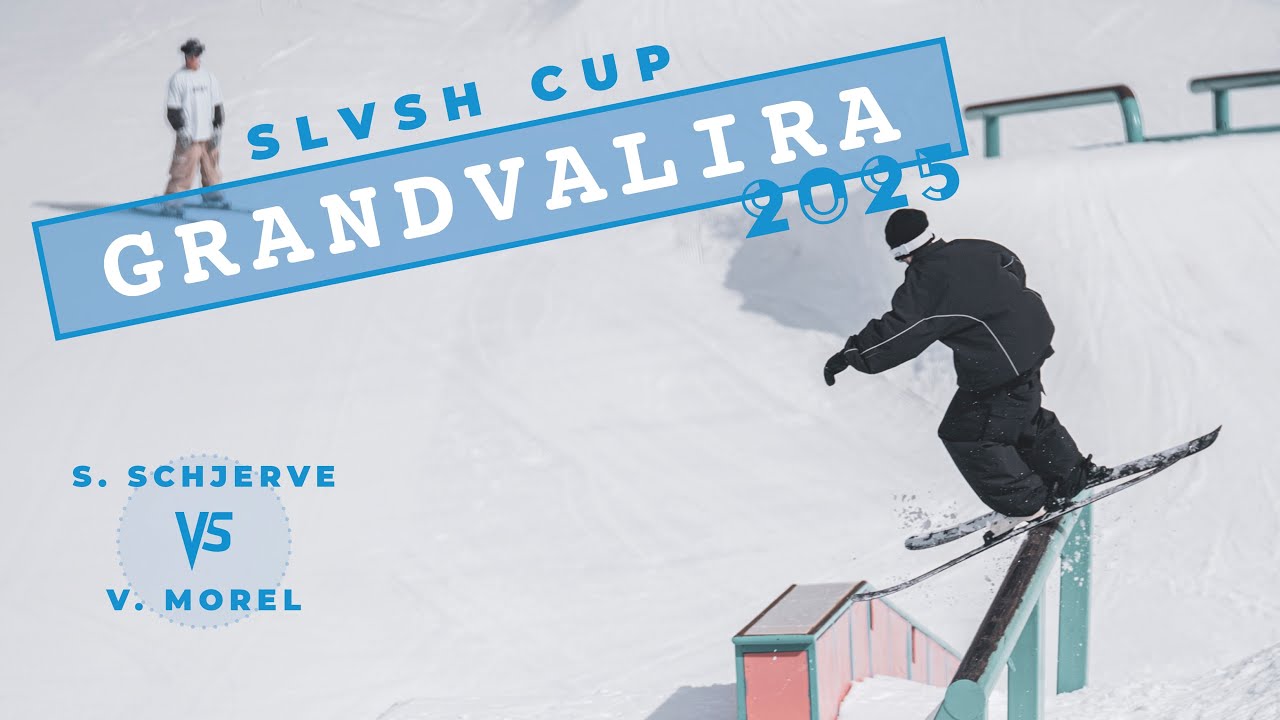
The Tignes 2025 World Cup podium gave Schjerve his sharpest technical snapshot. FIS lists him third in the men’s slopestyle final behind Alex Hall and Andri Ragettli, with 83.48 points. Dalbello’s event recap described his rail section as a front swap to front swap gap pretzel 270, a risky sequence that helped him lead early before Hall and Ragettli pushed above him.
That rail line explains Schjerve better than a generic trick list. A front swap into another front swap, then a gap pretzel 270, requires pressure changes, edge control, patience and body position over metal before the run has even reached the jumps. It is the kind of sequence that can make a full slopestyle run feel different from the first feature. Schjerve’s podium came from using rails as a scoring weapon, not as decoration.
Aspen Fifth And The X Games Ceiling
X Games lists Schjerve’s best result there as fifth in ski slopestyle at Aspen 2022. That is not a medal, and the page should not pretend otherwise. Still, fifth at X Games has value because Aspen is a different stage from a normal World Cup. The field is smaller, the broadcast attention is sharper, and the run has to carry both score and replay value.
Schjerve’s X Games record places him just below the medal tier. That distinction is useful for his importance rating. He has not crossed into the category of X Games medalist, but he has shown that his skiing belongs in the same contest conversation. Aspen also reinforced the rail-first identity that later appeared in Tignes and Livigno. He is most readable when the course gives him room to build difficulty before the first major jump.
How Schjerve Builds A Contest Run
Schjerve’s technical profile sits between Norwegian rail precision and modern slopestyle jump requirements. His Red Bull Unrailistic profile lists Bio 7 Blunt or railslide as favourite tricks, which says plenty. A bio 7 blunt is not a maximum-spin statement. It is a style-and-axis trick, one that depends on body shape, grab timing and a clean landing more than degree count alone.
The rest of his public record points to a skier who values rail complexity: front swaps, pretzels, gap movements, switch approaches, disaster-style entries, blind rotations, double corks, bio rotations and controlled jump landings. Compared with Birk Ruud’s polished all-event range or Alex Hall’s technical invention, Schjerve’s lane is narrower but distinct. He makes the early part of the course matter, then uses the jumps to keep the score alive.
Navasport, Backyard Rails And The Family Workshop
X Games gives one of the best details about Schjerve’s preparation: he trains on a backyard rail setup and still has his skis tuned by his father at the family-run Norwegian shop, Navasport. That detail is stronger than a sponsor list because it explains the texture of his skiing. Rails are not only contest features for him. They are part of a daily setup and a family workshop rhythm.
The ski-tuning detail matters in slopestyle. Edges, bases and wax can change how a skier locks onto rails, holds speed across flats or survives a fast takeoff after a technical upper section. Schjerve’s public equipment picture is not as cleanly documented as some global stars, so the safer story is the one that is confirmed: a Norwegian athlete with family support, rail repetition, and a direct link between home preparation and competition execution.
Milano Cortina Made The Final Real
Schjerve’s first Olympic Games came at Milano Cortina 2026. Official results place him 20th in men’s big air qualification, but the slopestyle result carried much more weight. He qualified 11th with 67.63, then finished sixth in the final with 76.20. Reuters also reported that Norway put Birk Ruud, Tormod Frostad and Schjerve into the slopestyle final, giving the event a heavy Norwegian presence.
The final itself was chaotic. Ruud won gold with 86.28, Hall took silver with 85.75, and Harrington climbed to bronze with 85.15. Schjerve’s third run did not reach that medal cluster, but it was one of the cleaner late responses on a difficult course. For his career, sixth place changed the label. He was no longer only a World Cup podium skier. He was an Olympic finalist.
Åre And The Unrailistic Test
The next public marker is Red Bull Unrailistic 2026 in Åre, Sweden. The event fits Schjerve almost too well: unusual rails, strange transfers, feature reading, fast decisions and a format built by Jesper Tjäder’s idea of what freeskiing can look like when the standard course design loosens. Red Bull lists Schjerve as making his Unrailistic debut there.
That endpoint gives his current story a clean direction. He is still hunting his first World Cup win, but the results already justify a major profile: Olympic slopestyle sixth, three World Cup podiums, X Games fifth, five Norwegian championship wins and active status in one of the sport’s deepest national teams. Schjerve’s next step will likely be measured on rails first, whether that happens in Åre, Tignes, Mammoth, Copper or another slopestyle final where the early features decide the run before the jumps even begin.