Profile and significance
Veeti Komsi is a Finnish freeski rider and editor whose work sits at the heart of the country’s modern street-and-park movement. As a key member of the PAAKKU collective, he helped shape two widely circulated street films—“PAAKKU 22” (2022) and “who else but us” (2023)—the latter crediting Komsi as executive producer. In late 2024 he stepped onto a broader stage with a clean, replayable entry for the B-Dog Off The Leash Video Edition, a rider-judged street contest curated by Philip Casabon. Komsi’s significance comes from clarity rather than chase-the-algorithm novelty: he builds lines that read at half speed, with measured setups, defined grabs and presses, and exits that keep momentum alive for the next feature. For skiers who learn from edits as much as from results sheets, his segments have become study material.
Competitive arc and key venues
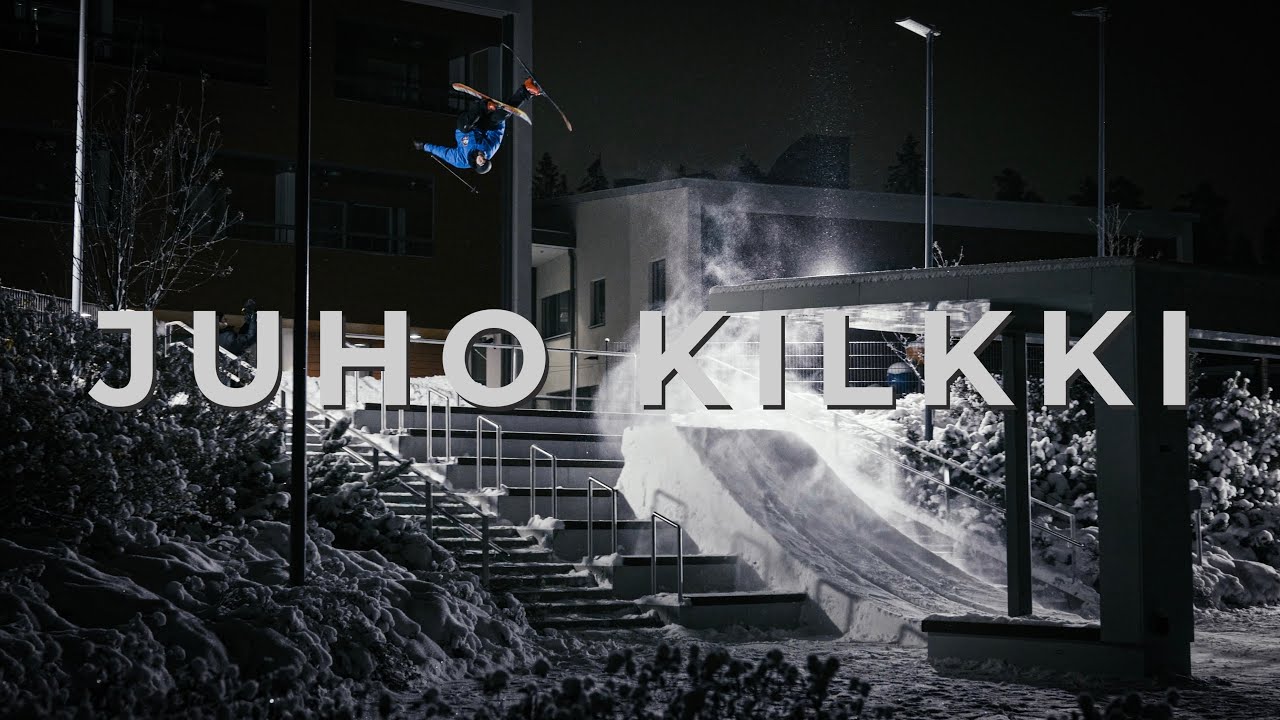
Komsi’s path is film-first and peer-reviewed. PAAKKU’s releases—supported by Vishnu Freeski—put him alongside a deep Finnish cast and placed his name in festival and community spotlights. Off The Leash added start-gate pressure without the gate, asking for a concise, rider-voted street part under a shared time cap. Between these touchpoints sit the venues that built his skiing. In the north, the long, LED-lit lines of Ruka Park deliver repetition and honest speed on dense rail sets, a perfect rehearsal space for calm entries and square exits. Farther north and east, Pyhä contributes compact park rhythms and dependable shapes that punish rushed takeoffs. Urban chapters across Finnish cities fill in the rest—thin cover, short in-runs, and quick resets that turn precise edging and speed choice into second nature. The arc is less about rankings than about a production rhythm that rewards durable habits.
How they ski: what to watch for
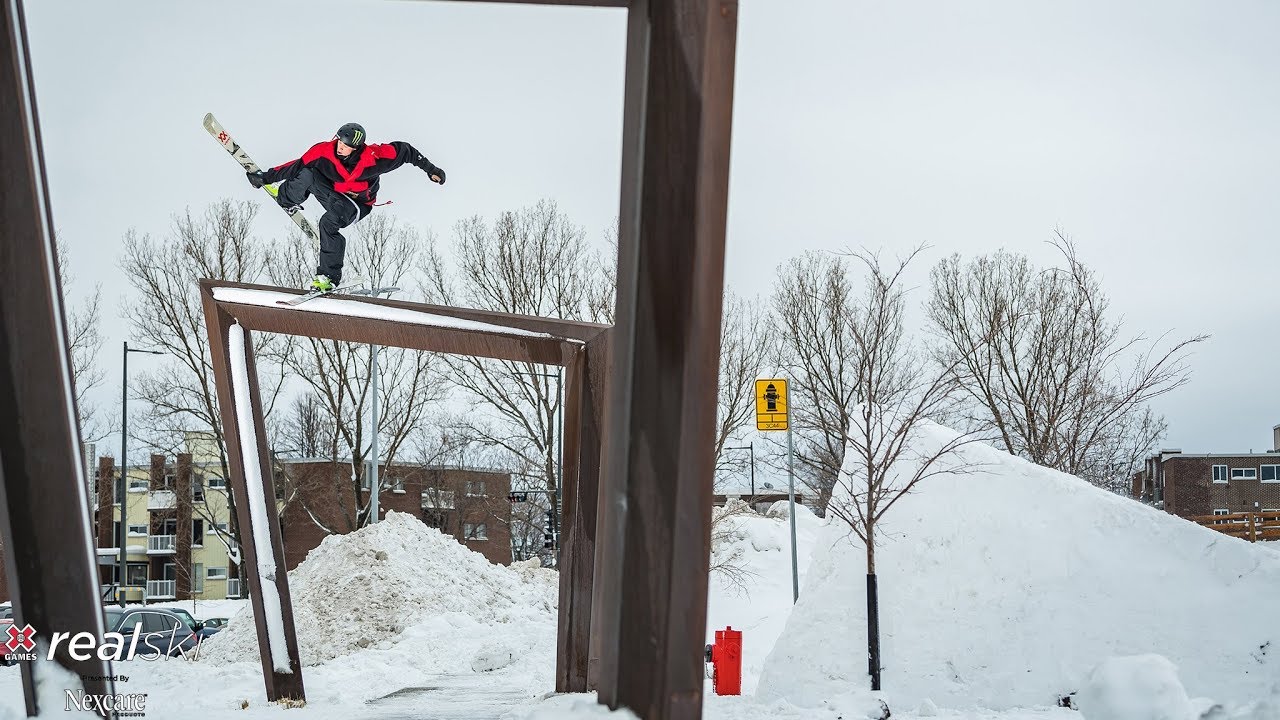
Komsi skis with economy and definition—the two traits that make slopestyle and urban/street mechanics teachable. Into any takeoff he stays tall and neutral, sets rotation late, and secures the grab before 180 degrees so the axis breathes on camera. On rails, look for square, unhurried entries; presses and backslides held just long enough to be unmistakable; minimal arm swing on change-ups; and exits where the shoulders remain aligned so momentum carries cleanly into the next feature. Surface swaps are quiet because edge pressure is organized early, keeping the base flat through kinks instead of relying on last-second saves. Landings read centered and inevitable—hips over feet, ankles soft—which is why his clips hold up in slow motion and translate directly to the parks most riders actually lap.
Resilience, filming, and influence
The PAAKKU films established Komsi not only as a rider but as a shaper of projects. “PAAKKU 22” announced the crew’s look with clear line design and honest speed; “who else but us” refined it, credited him as executive producer, and arrived with a raw cut that showed the shovel work and speed checks behind the shots. His Off The Leash entry distilled that method into a tight, one-song statement. Because the edits are framed to show approach speed and slope angle, they double as a practical curriculum: calm entry, patient pop, early definition, square-shoulder exit. Over time, that consistency nudges taste—once you recognize a held press or a quiet landing, it’s hard to unsee rushed setups elsewhere.
Geography that built the toolkit
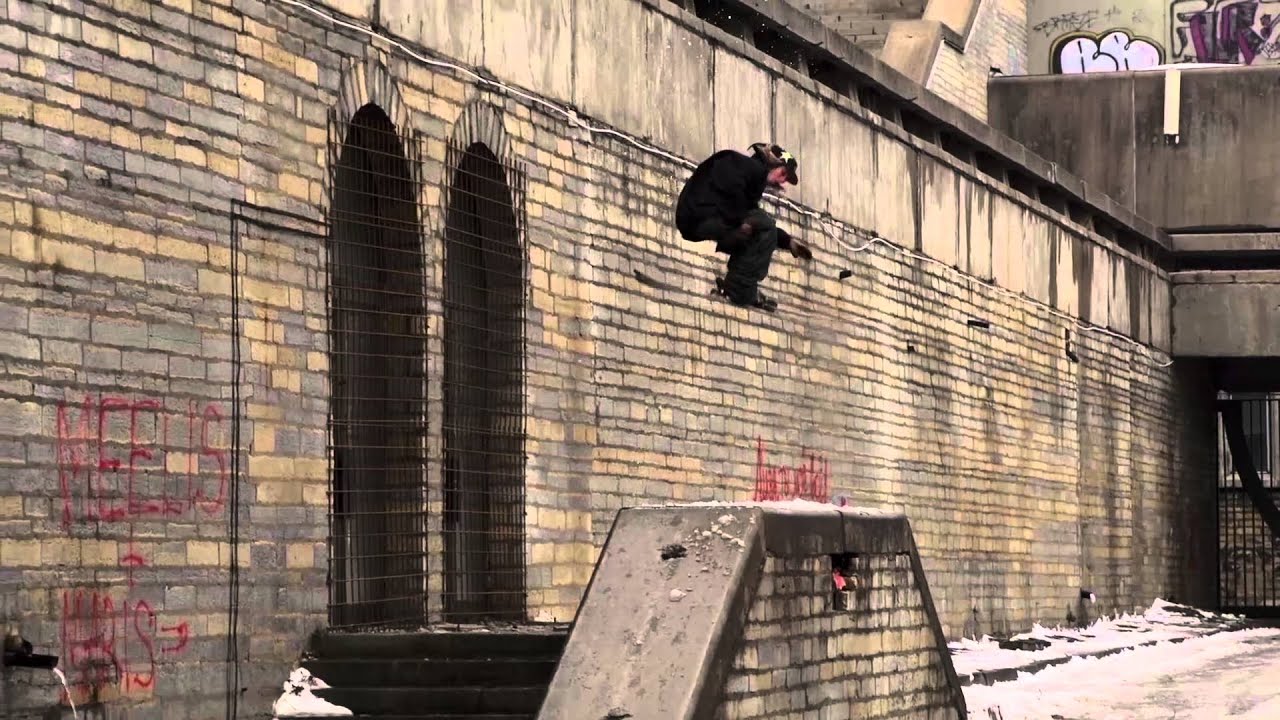
Finland shaped the movements you see on screen. The floodlit mileage at Ruka Park makes repetition non-negotiable and exposes sloppy organization immediately. Sessions at Pyhä add compact spacing and rebuild frequency that sharpen timing and both-way spins. Winter city storms turn stairs and rails into short-run-in classrooms, where thin snow, awkward angles, and tight exits force deliberate edging and speed choice. Link those geographies and Komsi’s habits—patient timing into the lip, grabs defined early, presses that read, landings that keep speed—make perfect sense.
Equipment and partners: practical takeaways
While PAAKKU’s projects have been supported by Vishnu Freeski, Komsi keeps the hardware message simple and process-first. If you want to borrow the feel, start with a true park twin that has a balanced, medium flex you can press without folding and that stays predictable on moderate-size takeoffs. Detune contact points just enough to reduce rail bite while preserving trustworthy grip on the lip. Choose a near-center mount so presses sit level and switch landings feel neutral, and avoid binding ramp angles that push you into the backseat. Then copy the workflow his edits model: film laps, check shoulder alignment and hip-to-ankle stack against a short checklist, and repeat until calm entries, early grab definition, and square-shoulder exits become automatic.
Why fans and progressing skiers care
Fans care about Veeti Komsi because his skiing is built to last at half speed. The segments favor timing, organization, and line choice over noise, whether the backdrop is a night lap at Ruka Park, a compact build at Pyhä, or an urban handrail after a city storm. Progressing riders care because the same choices are transferable to normal parks and real streets: stay tall into the lip, set late, define the grab early, hold presses long enough to read, and exit with shoulders square so speed survives for what’s next. That blueprint—refined in PAAKKU films and confirmed in a rider-judged contest part—makes Komsi a useful reference point for anyone trying to turn modest features into stylish, reliable freeskiing.