Scott
Switzerland
Swiss based multisport ski brand | Founded 1958 by Ed Scott in Sun Valley and now headquartered in Givisiez | Known for: the first tapered aluminium ski pole, SEA freeride skis, Pure piste and freeride tools, Explorair touring skis, goggles, helmets, poles and Freeride World Tour safety partnership | Focus: technical equipment for skiers who value big mountain confidence, lightweight touring movement, clear vision and protective systems.
1958 Sun Valley and the aluminium pole that started Scott
Scott began with a ski equipment breakthrough, not with a marketing campaign. In 1958, Ed Scott, an engineer and ski racer living in Sun Valley, Idaho, introduced the first tapered aluminium ski pole. At the time, bamboo and steel poles were still common. Scott’s aluminium pole was lighter, cleaner and more modern, and it immediately positioned the company as a technical innovator inside skiing.
That origin still defines the brand. Scott is now a Swiss based multisport company with a headquarters in Givisiez, near Fribourg, but its snow identity remains linked to skiing’s practical equipment problems: poles that swing better, goggles that improve contrast, helmets that protect without feeling awkward, and skis that help strong riders move faster through changing mountain terrain. Unlike brands that entered snow through apparel or fashion, Scott’s first product was a functional ski tool.
The company expanded through motocross goggles in 1970, lightweight ski boots and ventilated goggles in 1971, advanced ski pole manufacturing in 1986, winter gloves in 1994, technical winter apparel in 1997 and ski production in 1998. That timeline explains why Scott feels broader than a normal ski manufacturer. It is a full equipment ecosystem rooted in poles, optics, protection, apparel, boots and skis rather than a single hardgoods category.
SEA Pure Explorair and Pure Tour on the modern Scott wall
Scott’s current ski wall is smaller than the catalog of the largest alpine giants, but it is clear in purpose. SEA is the freeride and all mountain creative line, with widths such as SEA 88, SEA 98, SEA 108 and SEA 116. These skis are built for skiers who want to move across resort, soft snow, side hits, natural terrain and freeride lines with enough looseness to be playful but enough platform to stay confident.
Pure covers the more directional performance side. Pure 77 Limited Edition brings a piste focused shape with a premium wood top sheet, titanal reinforcement, torsional stiffness and a freeride inspired sidecut logic adapted to hard snow. Pure Tour extends the same name into a one ski quiver touring and freeride direction, using poplar, titanal reinforcement, full length sidewalls, Air Tec technology and Scott’s Hook Skin Fixation System on relevant models.
Explorair is the newer touring oriented family. Explorair 95, Explorair 92 LT and Explorair 88 are designed for skiers who want uphill efficiency, spring objectives and challenging snow performance without turning the descent into an afterthought. Scott also continues to support ski boots, poles, helmets, goggles, protection, packs and technical apparel, which makes the brand especially relevant to freeride and touring skiers building a complete mountain kit.
Stable freeride shapes and touring weight discipline
The Scott ski feel depends on the family. SEA skis are designed around freeride movement. They need to pivot, slash, release and float, but they also need enough structure for speed and landings. That makes them useful for skiers who want a mountain ski with style rather than a locked in directional charger. The wider SEA models naturally belong in soft snow and open terrain, while narrower widths make more sense as playful daily drivers.
Pure skis are calmer and more directional. The Pure 77 piste model focuses on grip, rebound and stability, with a wood core, titanal inlay and 45 degree carbon fibers used to create power and maneuverability. Pure Tour skis translate that freeride confidence into lighter construction, making them attractive to skiers who tour but still want a strong ski on the way down.
Explorair focuses more strongly on uphill movement and mountain efficiency. A touring ski has to be light enough for skin tracks, kick turns and long approaches, but it also needs enough torsional honesty for refrozen exits, spring corn, wind crust and variable alpine snow. Scott’s strongest touring products sit in that practical middle ground: not ultralight race tools, not full resort chargers, but skis built for real days where the climb and descent both matter.
Jérémie Heitz and the freeride team built for speed
Scott’s ski culture leans toward freeride, speed and mountain exposure. Its official freeride team includes names such as Fabian Lentsch, Jérémie Heitz, Stefan Häusl, Lorraine Huber, Jackie Paaso, Sam Cohen, Carl Regnér, Elyse Saugstad, McKenna Peterson, Todd Ligare, Molly Armanino, Parkin Costain, Max Hitzig and Nikolai Schirmer. That roster gives Scott credibility in the part of skiing where equipment is tested by real consequence.
Jérémie Heitz is especially important to the Scott story. His skiing is defined by high speed, steep faces and technical freeride lines, which matches the brand’s emphasis on stability, vision and protection. Scott’s history also connects him to products like the Scrapper line, where big mountain athlete input helped shape lightweight but stable freeride skis. Even as model names evolve, that athlete feedback loop remains part of Scott’s snow identity.
The Freeride World Tour partnership adds another layer. Scott is Premium Partner and Official Goggle and Safety Partner of the FWT, equipping crew with goggles and safety products. That does not make every Scott ski a contest ski, but it does place the brand inside the world of high consequence freeride, where clear optics, helmets, protectors and reliable equipment matter every run.
Sun Valley origins with Swiss Alps headquarters and global faces
Scott’s geography is unusual. The brand was born from an American ski innovation in Sun Valley, then developed a major European base in Givisiez, Switzerland. That split identity works well for modern skiing. Sun Valley gives Scott a North American origin story built around practical ski equipment and mountain performance. Switzerland gives the brand an Alpine testing and design environment close to freeride venues, touring culture and European ski heritage.
The products travel through a much wider map. Scott freeride and touring gear belongs naturally in the Alps, British Columbia, Alaska, Norway, Japan and the Rockies. The same brand can appear on a skier hiking a spring couloir, a Freeride World Tour crew member looking across a face, a patroller using protective gear, or an everyday skier carrying Scott poles and goggles through a storm day.
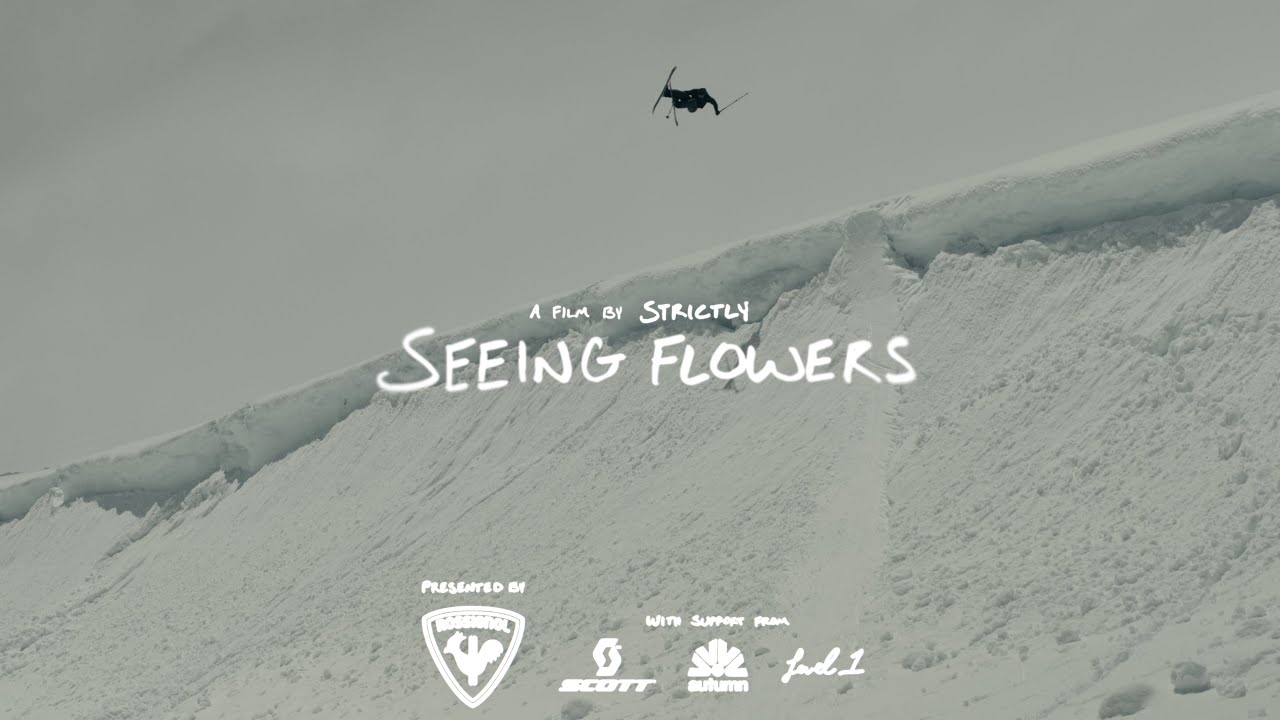
On skipowd.tv, Scott’s sponsor page connects the brand to video culture through projects such as Seeing Flowers and Mark Draper season content. That is a useful reminder that Scott is not only an expedition or safety brand. Its equipment appears in park, street, freeride and editorial ski media, even if its strongest identity remains technical and big mountain oriented.
Amplifier lenses MIPS helmets and Re Source material choices
Scott’s construction story extends beyond skis. The brand has long experience in goggles and protection, including early foam ventilated ski goggles in 1971, goggle innovations such as RAM Air ventilation and Amplifier lens technology, and helmet development including the Biomex helmet. Modern Scott snow products continue that protection and vision logic through goggles, helmets, back protectors and packs.
Amplifier lens technology is central to the optics story. In skiing, contrast is safety as much as comfort. Flat light can erase bumps, landings and texture. A skier moving fast through storm snow or variable alpine light needs to see the surface before making decisions. Scott goggles, including current Ambit and Shield lines, are built around that need for wider vision and better snow detail.
The sustainability side is handled through the Re Source by Scott program. For hardgoods, Scott defines Re Source products through recycled, bio based or renewable third party certified materials representing at least 50 percent more eco responsible materials by weight. The program has included winter products such as the Shield Recycled goggle, Superguide LT 95 ski and Couloir Tour helmet. This is a pragmatic sustainability position: not a claim that technical gear has no impact, but an effort to improve material choices where performance allows.
Choosing SEA Pure Explorair goggles helmets or poles
Choosing Scott starts with terrain. If the goal is freeride creativity, soft snow, side hits and natural features, SEA is the first family to study. SEA 88 and SEA 98 make more sense for all mountain and mixed resort days, while SEA 108 and SEA 116 push toward soft snow, powder and bigger freeride terrain. Skiers should choose width based on snowpack rather than ego. A wider ski is useful when storms stack, but narrower widths are usually better for firm resorts and daily versatility.
If you prefer directional power and carving confidence, Pure is the cleaner direction. Pure 77 belongs on piste and hard snow, while Pure Tour makes sense for skiers who want freeride personality in a touring capable package. Explorair is the touring choice for spring raids, weekend missions and alpine objectives where weight matters every step. Explorair 88 suits longer approaches and firmer snow, while Explorair 95 offers more float and security in variable soft conditions.
For optics and protection, fit matters more than brand loyalty. Choose Scott goggles by light condition, face shape and lens change needs. Choose helmets by head shape, ventilation, goggle compatibility and protection technology. Poles should match use: fixed poles for resort simplicity, adjustable poles for touring and freeride travel, and straps or grips that work with gloves in cold weather. Scott’s strongest setup is a complete system that keeps skis, vision, protection and poles working together.
Why Scott still matters in ski equipment culture
Scott matters because it has been part of ski equipment innovation since the late 1950s. The tapered aluminium pole was not a minor accessory improvement. It changed the way skiers thought about weight, swing and modern materials. From there, Scott expanded into goggles, boots, gloves, apparel, helmets, skis and touring equipment while maintaining a consistent focus on technical function.
The brand deserves a 5 out of 5 importance rating because its influence reaches across several essential ski categories. It is not the biggest pure ski manufacturer, and it does not have the same ski race identity as Rossignol or Atomic. But Scott has a rare combination of heritage, broad winter equipment depth, freeride athlete credibility, touring relevance, optics leadership and safety partnership with the Freeride World Tour.
On skipowd.tv, Scott belongs as a major ski and wintersports equipment sponsor. It connects Sun Valley innovation, Swiss based product development, freeride athletes, touring skis, contrast boosting goggles, helmets, protectors and poles into one coherent mountain system. Whether the clip shows a fast alpine face, a touring descent, a street influenced season edit or a storm day through low visibility, Scott represents equipment built for skiers who need calm tools when the mountain starts moving fast.