Jyväskylä
Finland
Finland
Urban freeski city in Central Finland | Known for: Real Skifi creativity, Laajis snowparks, Laajavuori night laps, compact city street features, frozen surfaces, winter filming, and a practical training hill 4 km from downtown | Season: December to March | Best for: street skiers, rail crews, creative film projects, park progression, and riders who turn limited terrain into original ski ideas
Laajavuori Above The City Grid
Jyväskylä sits in Central Finland, far from Alpine scale but close to one of the most recognizable creative ski cultures in Europe. The city’s freeski identity is built around short distances: downtown streets, lake edges, schools, pedestrian zones, winter banks, and Laajavuori hill all sit close enough to make skiing feel like part of the city rather than a separate mountain trip.
Laajis is the practical anchor. Visit Finland lists the ski area 4 km from the Jyväskylä city center, with 12 slopes, 6 lifts, 3 snowparks, 105 meters of vertical and the 914 meter Koukkari I as the longest slope. Those numbers make it clear that Jyväskylä is not a destination for big vertical. Its value is frequency. A rider can ski after school, after work, under lights, and between city sessions without needing a full travel day.
Real Skifi And The City As A Trick Problem
Real Skifi is the reason Jyväskylä matters beyond its small hill. The crew’s skipowd.tv profile identifies it as a Finnish freeski video crew and creative ski studio active since late 2010, with a focus on urban skiing, one-ski tricks, impossible surfaces, visual gags and everyday objects turned into ski terrain. That description fits Jyväskylä’s physical limits perfectly.
The city does not give skiers big bowls or massive park lines. It gives benches, stairs, playgrounds, rails, walls, snowbanks, frozen surfaces, small slopes and awkward spaces that require invention. Real Skifi turned those limits into a signature. Instead of asking where the best mountain is, the crew asks whether a doorway, a chair, a tiny patch of snow, or a wall edge can become a valid ski spot. That changed how many skiers understood street skiing.
Eturi Jumps Junnuparkki Rails And Lumimaa First Hits
Laajis gives Jyväskylä its controlled freestyle ladder. The official snowpark page describes Snowpark Laajavuori as a combination of three different parks around the resort. The original Laajis Snowpark sits on the Eturi front slope and carries the biggest jumps and longest rails. Auris parkki, also called Junnuparkki, is easier and more jib-friendly, while Lumimaa miniparkki gives beginners a place to try small obstacles safely.
That structure matters for street skiers because urban clips are rarely built from raw courage alone. A skier needs rail timing, balance on fast surfaces, takeoff patience, and the ability to test speed without panic. Laajis gives those basics in repeatable form. Riders can build small-rail confidence in Auris, step to longer rails on Eturi, then take the same pressure control back into the city. The hill is short, but the feedback loop is useful.
Juho Kilkki And The Jyväskylä Filming Grammar
Juho Kilkki is the strongest individual link between Jyväskylä and the wider freeski audience. His skipowd.tv profile connects him to Real Skifi as a founding rider and creative engine, with projects ranging from the early numbered episodes to Warren Miller’s SNO-CIETY era. The important point is not only that he skis well. It is that he makes small spaces readable on camera.
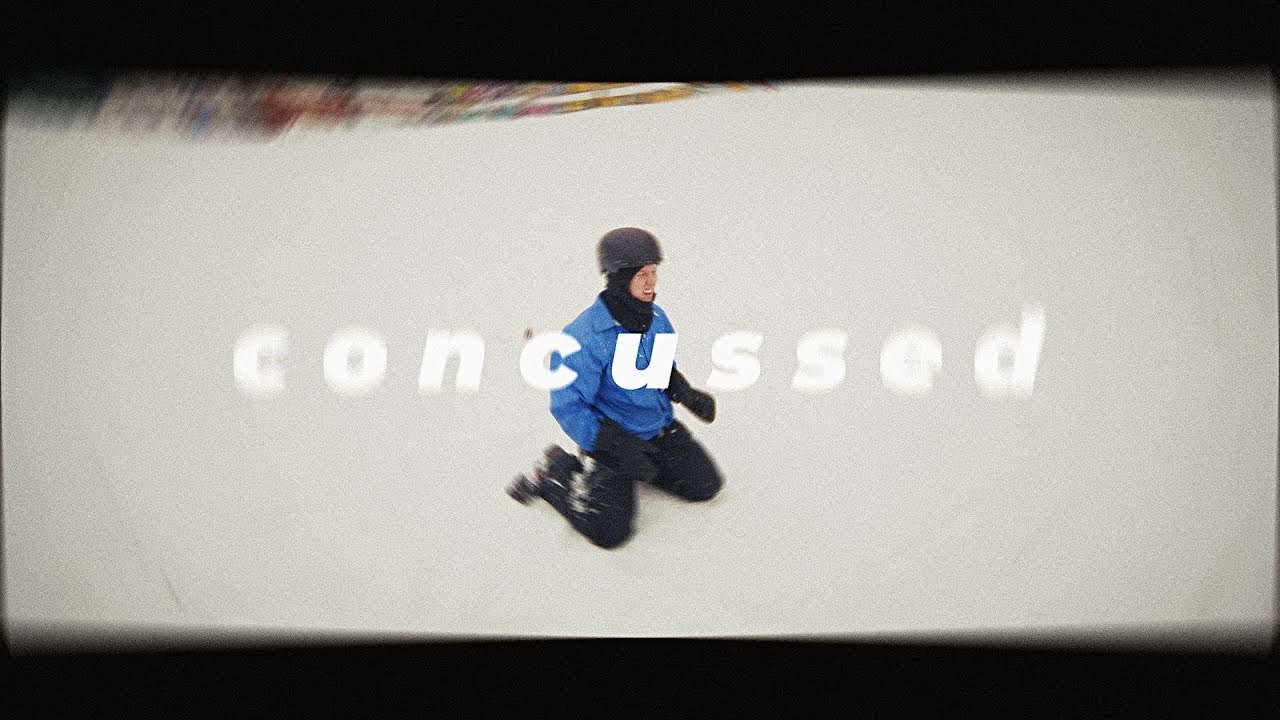
Kilkki’s style turns Jyväskylä into a filming grammar. A flat run-in is not a problem if the trick is planned around low speed. A frozen surface is not useless if balance becomes the main feature. A crash can remain part of the rhythm if the idea is strong enough. That approach has influenced how younger street skiers think about clips. The spot does not need to be famous. The idea needs to be exact.
Kortepohja Snowbanks And Lutakko Night Sessions
Jyväskylä’s urban value comes from ordinary winter infrastructure. Student areas around Kortepohja, the city center grid, Lutakko, lakeside paths near Jyväsjärvi, schoolyards, stairs and transit edges can all become possible filming zones when snow cover, light and access line up. The best street spots are usually temporary. A plowed bank, a frozen run-in, or a soft landing may exist for one evening and disappear the next morning.
That makes logistics part of the skiing. Crews need shovels, spotters, low-impact builds, permission where required, and enough restraint to avoid damaging public or private property. Jyväskylä’s strongest clips often look playful, but the process is still work: checking approaches, shaping landings, keeping pedestrians safe, testing speed and leaving before a session turns into a conflict. The city works because it is compact, snowy and familiar to local riders, not because every rail is automatically a legal ski feature.
Tino Lehtinen And The Wider Finnish Street Lane
Tino Lehtinen shows how Jyväskylä fits into a broader Finnish street map. His skipowd.tv profile connects him to Finnish street and park video appearances, including Off The Leash Video Edition 2024 and crew footage around Disico. That kind of profile is important because Finland’s freeski identity is often built through small crews, short edits, cold weather, rails and compact park hills rather than huge resorts.
Jyväskylä sits naturally inside that network. Riders can film locally, travel to other Finnish park hills for repetition, and return with ideas that fit the city’s surfaces. The scene is not separated into clean categories of resort skiing and street skiing. Park laps feed street tricks. Street ideas reshape park style. Crew videos become the archive. That crossover is why a modest city can carry more cultural weight than a mountain-stat comparison would suggest.
Winter Timing And Low Light Discipline
The best Jyväskylä window runs from midwinter into early spring. January and February give the most useful cold for rail speed, snowbank preservation and night sessions. Early season can be productive for simple rails and low-risk features once Laajis has enough coverage, while March can bring softer landings and longer light if the snowpack holds.
Low light changes the session. Winter evenings can make rails hard to read, landings look flatter than they are, and icy patches disappear under thin snow. Headlamps, proper lighting, reflective clothing for street sessions, helmets and spotters are not optional details when skiing in a city. At Laajis, riders should inspect features, call drops, clear landings and respect rebuild closures. In the city, the same discipline expands to pedestrians, cars, homeowners and snow removal crews.
The Jyväskylä Use Case For Freeskiers
Jyväskylä matters because it proves that freeski culture does not require huge terrain to become original. The city has Laajis 4 km from downtown, 12 slopes, 6 lifts, 3 snowparks, a 105 meter vertical drop, night-lap practicality, and a creative film culture led by Real Skifi. Those facts make it a training and filming base rather than a classic destination resort.
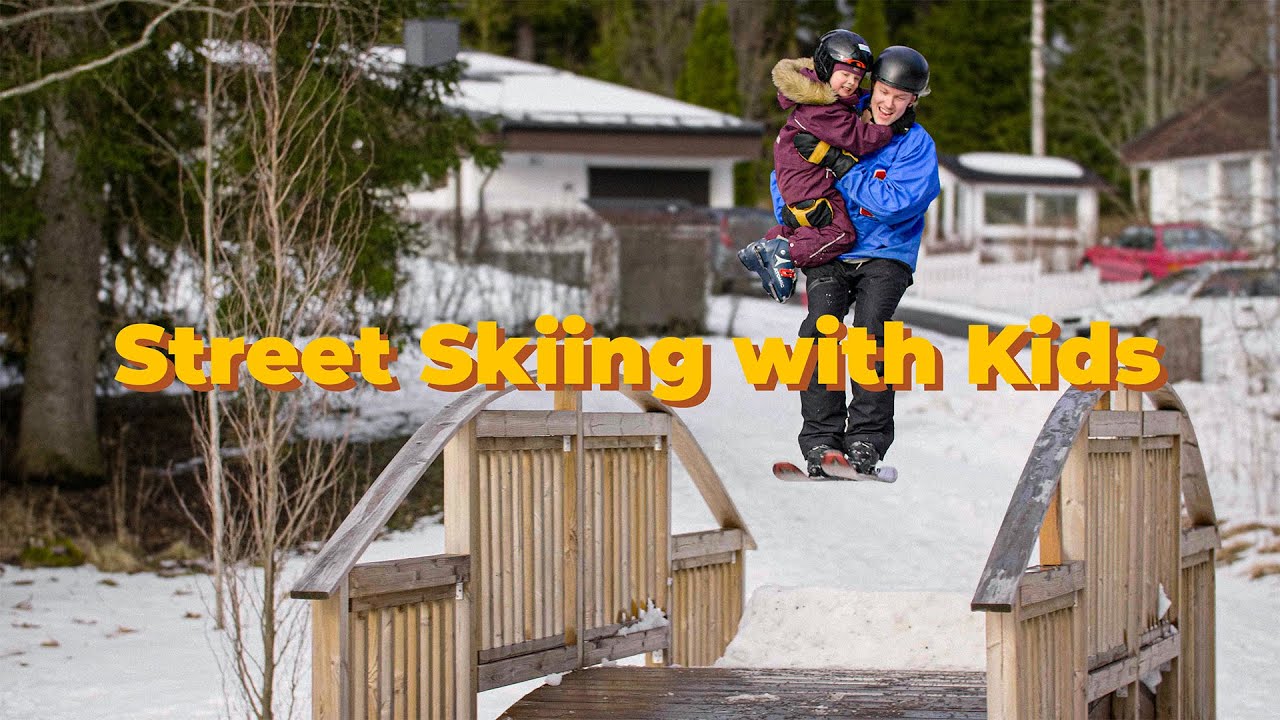
For skipowd.tv, the strongest Jyväskylä content will usually be street, creative skiing, rail clips, Real Skifi videos, crash edits, kid-friendly creative segments, Laajis park laps and Finnish winter culture. The city’s concrete value is not vertical or powder depth. It is repeatability, imagination and proximity: a place where a short hill, frozen streets, local crews and one strange idea can turn Central Finland into a freeski spot worth cataloging.