Profile and significance
Teal Harle is a Canadian freeski powerhouse who has left a major mark on slopestyle and big air before pivoting into big-mountain filming. Born in 1996 in Campbell River, British Columbia, he grew up skiing at Mount Washington on Vancouver Island, working his way from local programs into the national team and the biggest stages in the sport. As a two-time Olympian and one of Canada’s most technically gifted park skiers, he finished fifth in slopestyle at PyeongChang 2018 and later added a new specialty in big air, becoming a regular threat on the FIS World Cup and at elite invite-only events.
Harle’s competitive résumé includes multiple World Cup wins and podiums in slopestyle and big air, highlighted by victories in Silvaplana, Switzerland and Mammoth Mountain in the United States. He then cemented his status among the world’s best jumpers with back-to-back Winter X Games medals in Aspen: a bronze in men’s ski big air in 2022 followed by silver in 2023. Those results, plus years of consistent top finishes, made him one of the defining all-round park skiers of his era. More recently he has extended his reach beyond competition, becoming an ambassador for Norrøna, skiing on Atomic equipment, and starring in Teton Gravity Research’s film “Pressure Drop,” where he trades slopestyle courses for serious backcountry terrain.
Competitive arc and key venues
Harle’s competitive arc starts on Vancouver Island, where he raced as a kid before discovering freestyle through local programs at Mount Washington. As a teenager he moved quickly through provincial and national circuits, representing British Columbia at the Canada Winter Games and appearing on the Association of Freeskiing Professionals tour. By 2014 he was racing FIS points events, and in March 2015 he made his World Cup debut in slopestyle at Silvaplana. Two years later, at that same Swiss venue, he announced his arrival by winning the World Cup slopestyle finale with a high-scoring run on one of the circuit’s most respected courses.
The momentum continued into the 2017–18 season. Harle claimed another World Cup slopestyle victory at Mammoth Mountain in California and added further podiums in both slopestyle and big air, finishing near the top of the discipline rankings. That form carried directly into the 2018 Winter Olympics at PyeongChang, where he qualified for the men’s slopestyle final and finished fifth, narrowly missing the podium but proving he could deliver on the biggest stage. He returned to the Olympic stage at Beijing 2022, this time contesting both slopestyle and the newly added men’s freeski big air, gaining experience even as the results did not match his earlier high point.
Parallel to his Olympic and World Cup efforts, Harle built a strong record at major showcase events. He has represented Canada at multiple FIS World Championships and has been a fixture at the Winter X Games since 2018. His breakthrough came in Aspen’s big air contest, where he earned bronze in 2022 and upgraded to silver in 2023 with massive, well-grabbed spins that impressed both judges and fans. He also teamed up with fellow Canadian Megan Oldham to win the Ski Team Challenge at the Dew Tour, underscoring his versatility and value in multi-rider formats. Key venues across his competitive story include Silvaplana, Mammoth Mountain, Aspen, Beijing, Stubai and Chur, each adding another layer to a career that spans technical slopestyle courses and high-pressure big air scaffolds.
How they ski: what to watch for
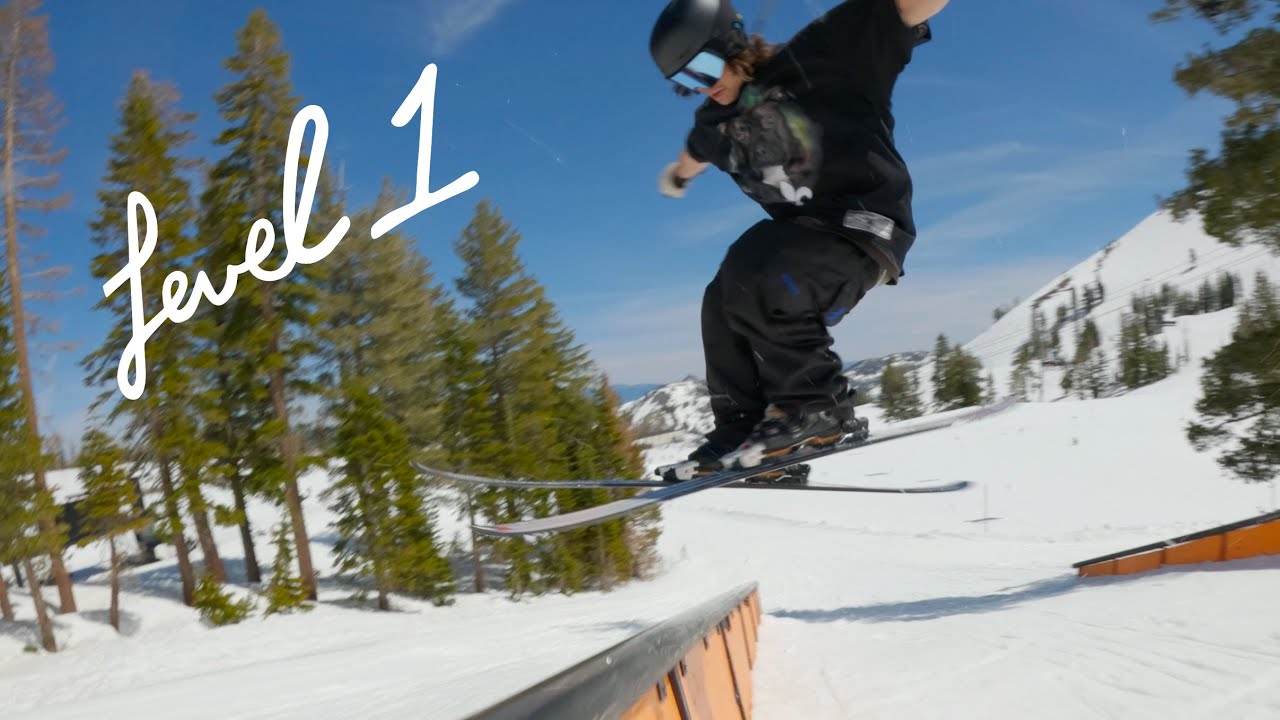
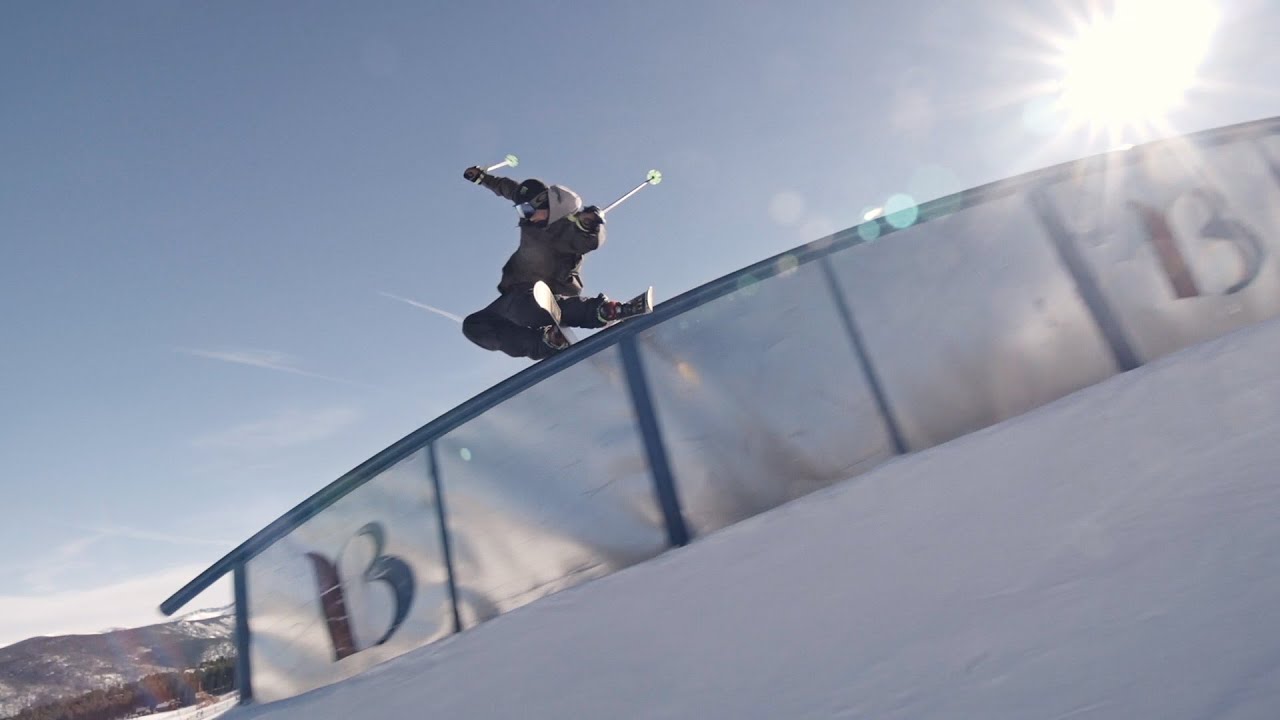
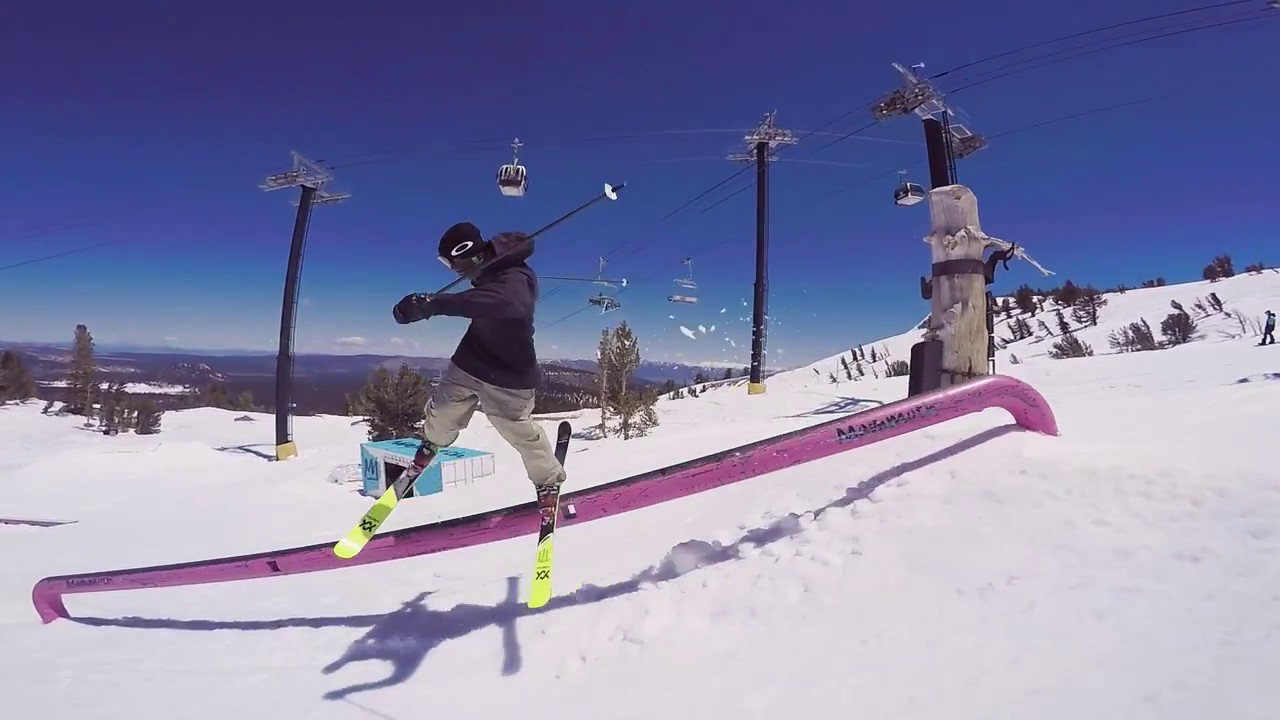
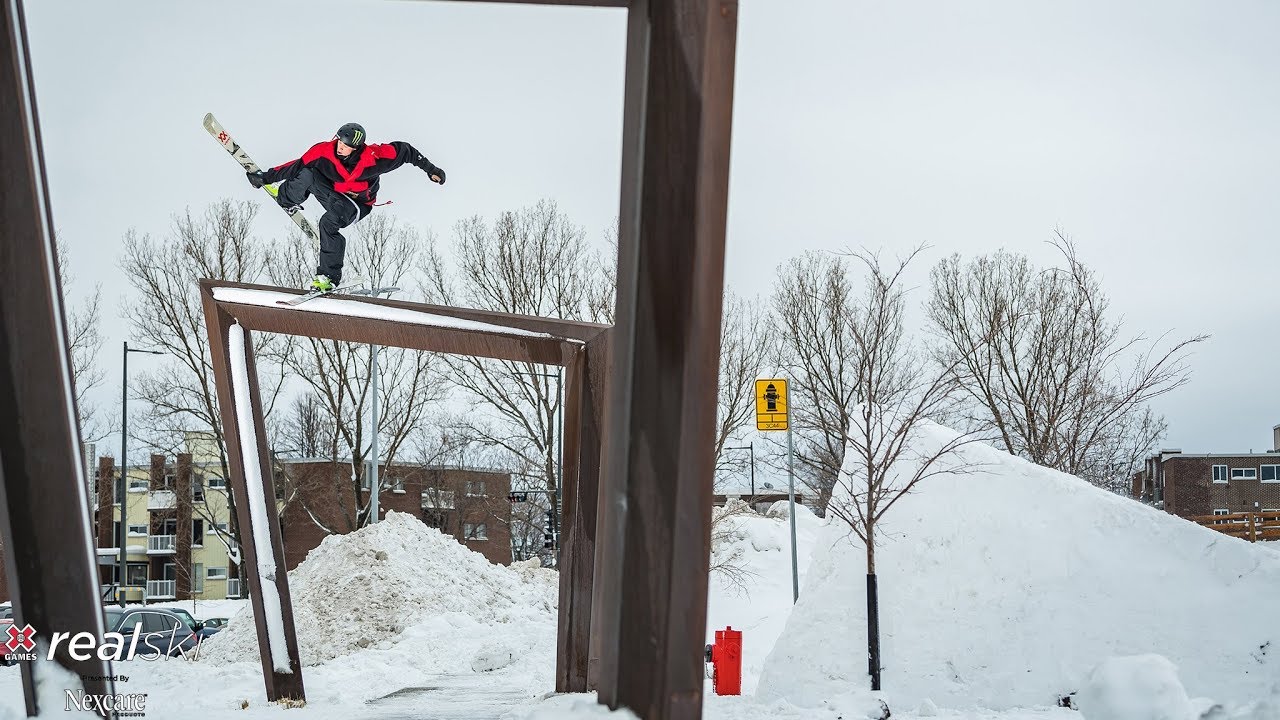
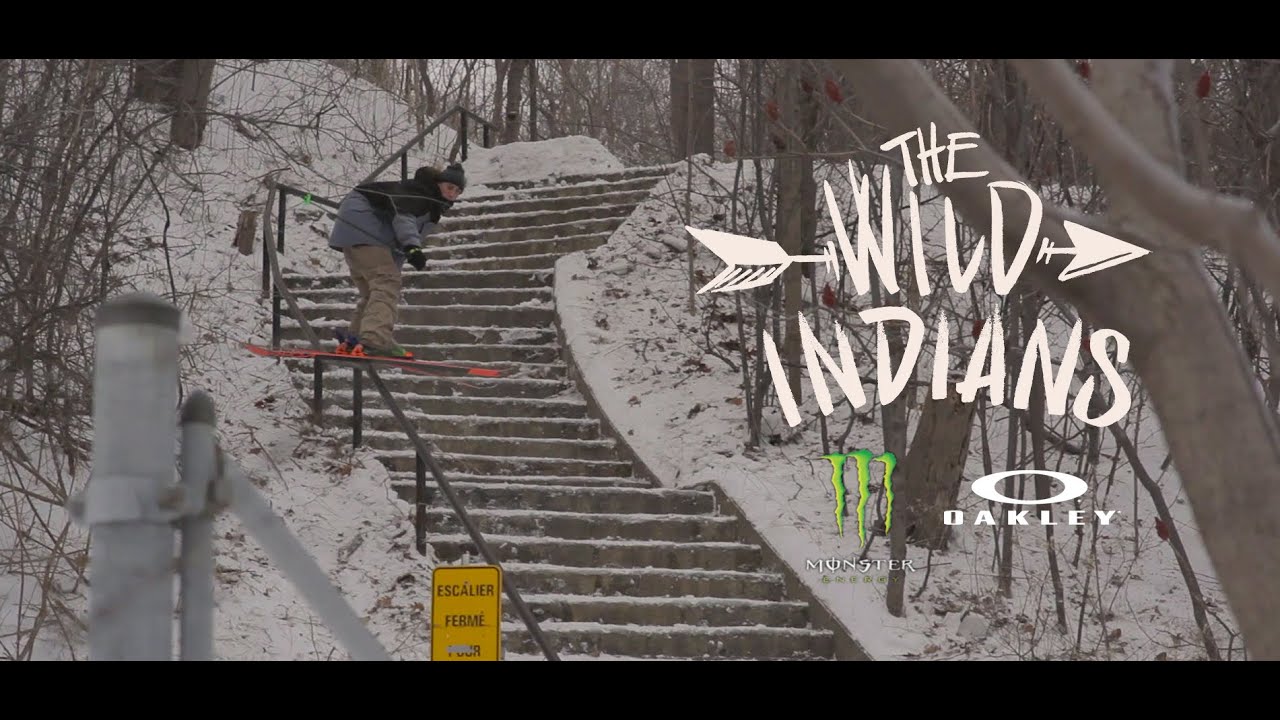
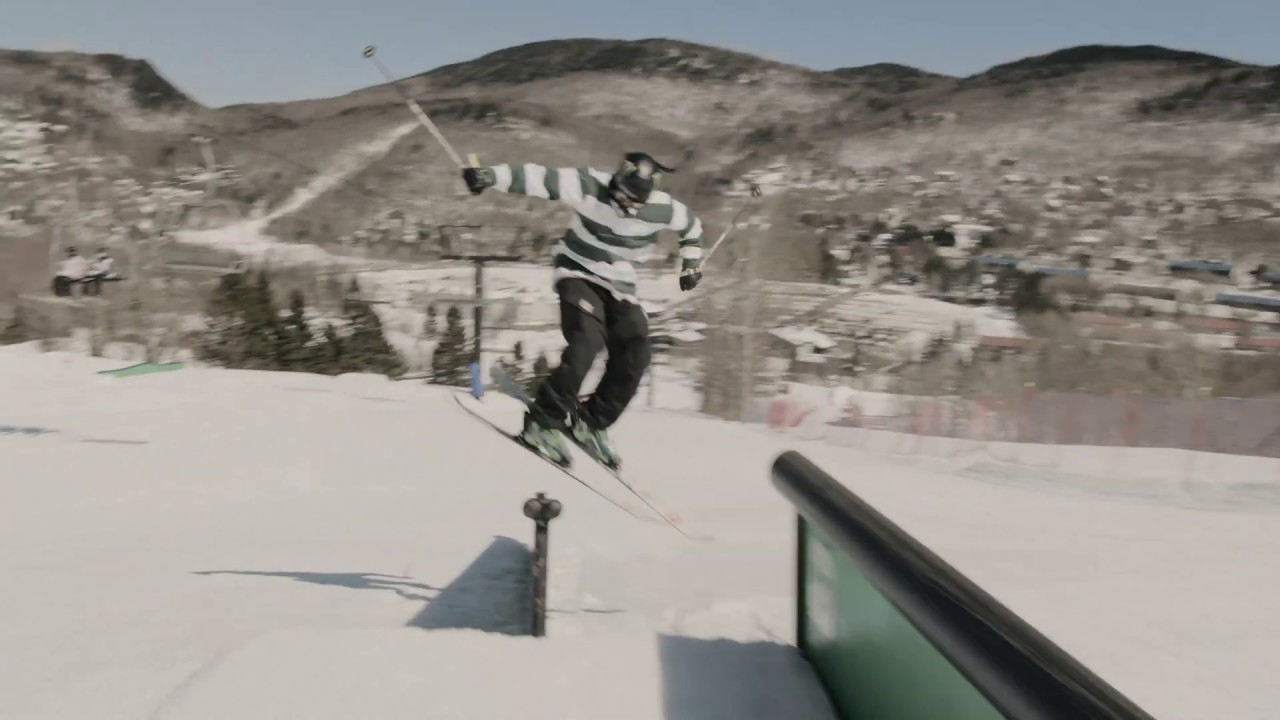
Teal Harle’s skiing is defined by precision, variety and a calm sense of control. On slopestyle courses he is known for the way he pairs technical rails with large, stylish jumps, rarely leaning on a single trick to carry a run. Approach lines are clean and deliberate: he sets his speed early, keeps his upper body quiet and lets his skis and edges do the subtle work. On rails he is comfortable spinning both ways, landing and taking off switch, and layering in changes of direction that demand strong edge control and balance rather than blind risk.
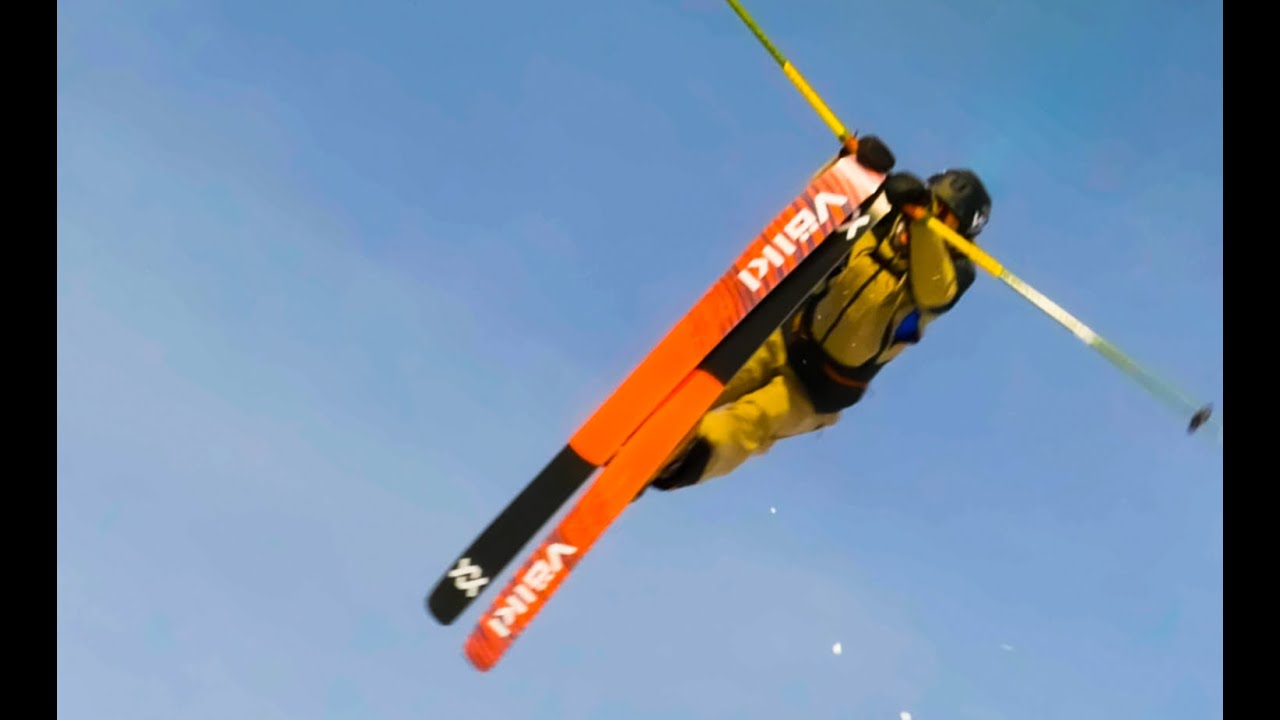
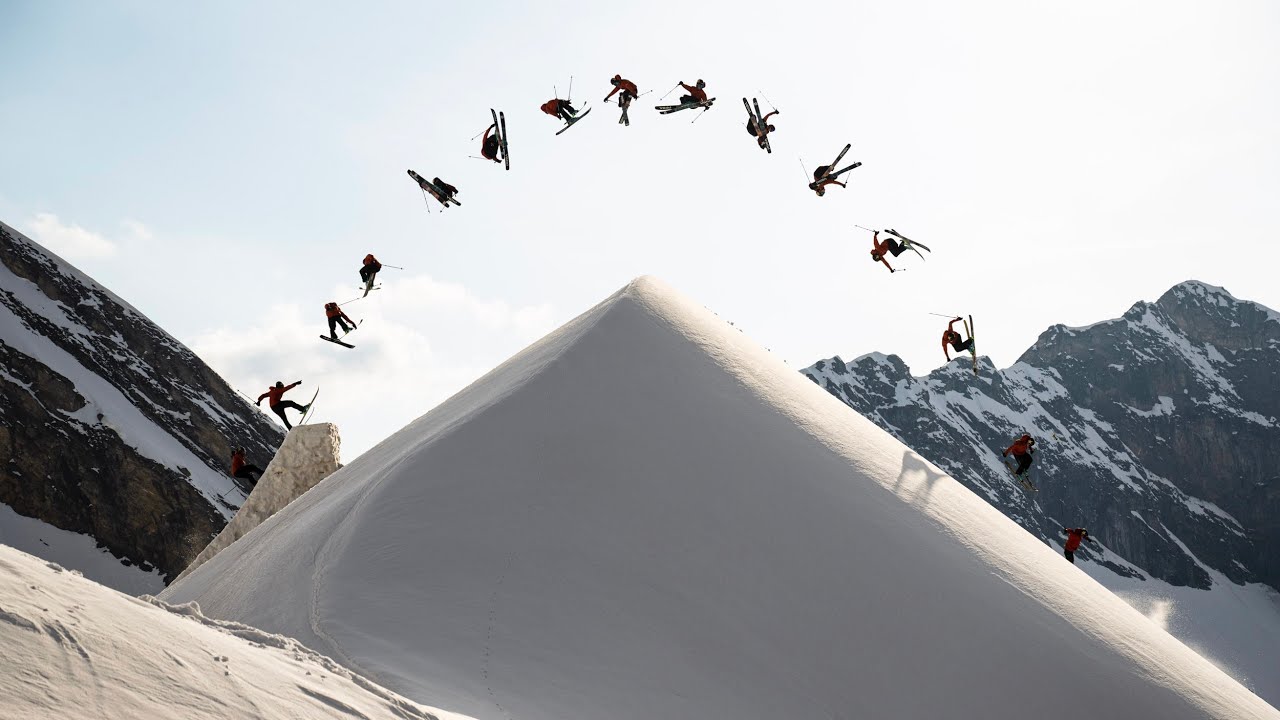
On jumps Harle combines high-end difficulty with classic style cues that make his tricks easy to watch and analyse. He is capable of multiple off-axis rotations and large spins, but the details often stand out more than the spin count: patient takeoffs, fully locked-in grabs, and landings that match the rotation speed rather than forcing a skid. Even under pressure in big air finals, his body position tends to stay relaxed, with a head-up, forward-looking posture that helps him spot landings early. For viewers trying to learn from his skiing, this is the key: he treats every feature as a problem to solve with timing and body awareness, not just raw fearlessness.
Resilience, filming, and influence
Harle’s career also tells a story of resilience and reinvention. After the high of PyeongChang, he faced the usual mix of injuries, variable results and a rapidly progressing field. The Beijing 2022 Olympics were particularly challenging, with tough days in both big air and slopestyle. Instead of fading, he used the following seasons to refocus, translating years of contest experience into some of his best big air performances at the World Cup and X Games. The 2022 and 2023 Aspen medals were more than just podium finishes; they were proof that he could still evolve with the sport and stand out in fields stacked with younger specialists.
That same mindset underpins his move into film projects. In Teton Gravity Research’s “Pressure Drop” and related content, Harle steps into serious backcountry and heli-ski terrain, bringing his slopestyle skills to natural features shaped by storms instead of park shapers. Interviews around the project describe how he leaned on the visualization habits he developed for contests to manage the mental load of first descents and large backcountry airs. Rather than simply transplanting contest tricks into the mountains, he focused on natural takeoffs, organic lines and moments that serve the story of the segment. This willingness to pivot from competition to film, while still pushing his skiing, has made him an influential figure for younger athletes who see more than one possible path through a freeski career.
Geography that built the toolkit
Geography has played a major role in shaping Harle’s style. Growing up in Campbell River on the east coast of Vancouver Island, he spent countless days at Mount Washington Alpine Resort, a coastal mountain known for deep snowfall and a tight-knit community. Local reporting often refers to him as a Mount Washington alumnus, and early articles describe him winning provincial medals while attending a snow-sports academy based on the hill. That environment—mid-sized vertical but big storms and a culture of creative skiing—gave him a base of comfort in mixed conditions and a strong overall feel for snow.
As his ambitions grew, Harle’s map expanded to the bigger playgrounds of the Coast Mountains and beyond. Training blocks and filming time around Whistler and Pemberton exposed him to larger park builds, more complex terrain and serious backcountry access. Internationally, repeated trips to venues like Silvaplana, Mammoth Mountain and Aspen honed his competitive instincts on some of the most demanding slopestyle and big air setups in the world. Most recently, heli-ski missions with Great Bear Heli Skiing for “Pressure Drop” and deep days in the Whistler backcountry have added high-consequence lines, pillows and natural airs to his toolkit. The result is a skier equally at home on an Olympic-level rail section and on a remote coastal face.
Equipment and partners: practical takeaways
Harle’s current equipment choices reflect his blend of park pedigree and freeride focus. As a Norrøna ambassador based in Pemberton, he relies on technical outerwear from Norrøna to stay dry and mobile through long days of filming and travel. On his feet he skis for Atomic, and in recent interviews around “Pressure Drop” he has highlighted the Atomic Bent Chetler line as a longtime favourite for playful, surfy powder skiing, while also praising directional models like the Atomic Maverick for faster, more committed big-mountain lines. This mix mirrors the dual nature of his career: freestyle roots supported by equipment capable of handling the speed and exposure of heli-access terrain.
For progressing skiers, the practical lessons are clear. First, match your skis to the kind of terrain you actually ride: a park-oriented twin tip with a balanced flex is ideal for slopestyle laps, while a wider, slightly more directional ski with a stable platform and reliable edge hold becomes essential in deeper snow and steeper terrain. Second, take safety and comfort as seriously as performance. Well-fitted boots, reliable bindings and outerwear built for cold, wet days all contribute to making your skiing more consistent, just as they do for an athlete logging long training blocks and backcountry days. Watching how Harle adapts his gear between World Cup courses and backcountry lines offers a real-world tutorial in building a quiver that evolves with your goals.
Why fans and progressing skiers care
Fans and progressing skiers care about Teal Harle because he embodies a complete, modern freeski journey. He has proven himself in the pressure cooker of Olympic slopestyle, collected big air medals at the X Games, and then deliberately stepped into the uncertainty of filming full-scale backcountry segments. Throughout it all, his skiing has remained grounded in strong fundamentals: clean turns, precise takeoffs, solid landings and a clear sense of line choice. That makes his clips both aspirational and educational, whether they come from an Olympic course, a World Cup big air jump or a heli-shot face in coastal British Columbia.
For young skiers who might start on a small local hill and dream of something bigger, Harle’s path offers a realistic blueprint. Build skills at home on whatever terrain you have, treat contests as opportunities rather than definitions of your entire career, and stay open to new directions—whether that means big air, film projects or a deeper move into freeride. Watching his evolution from Mount Washington kid to world-class competitor and backcountry film skier is not just a highlight reel; it is a reminder that freeskiing can evolve with you, and that there is room in the sport for athletes who want to move fluidly between podiums and powder.