Profile and significance
Anthony “2Tone/Thony” Patry is a Canadian urban-freeski rider rooted in Quebec’s steel and street scene. While he has not yet achieved major FIS World Cup or Olympic medals, his consistent presence in film projects, jibs jams and rail master events gives him a notable niche in the rail culture of freeskiing. He is associated with the crew PARTIMEVERYTHING and has been recognized as a Golden Ticket winner for the major Canadian street event APIK Mississauga in 2025. :contentReference[oaicite:2]{index=2}
Competitive arc and key venues
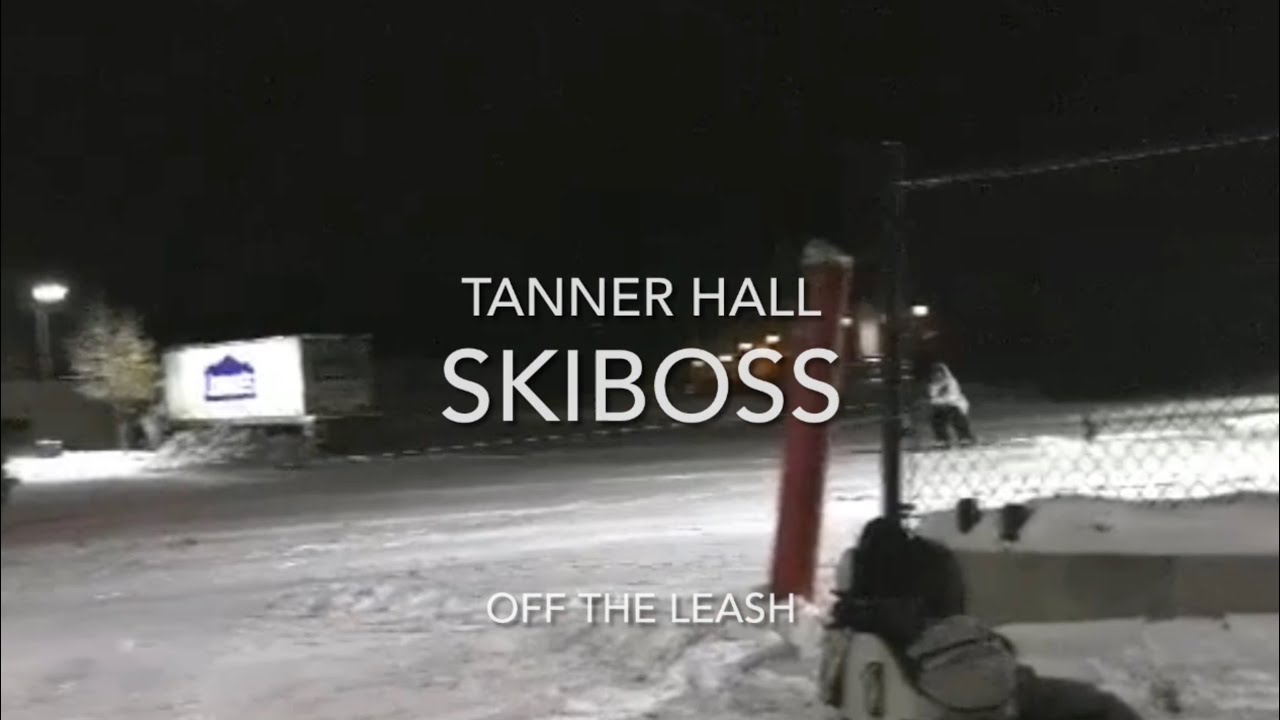
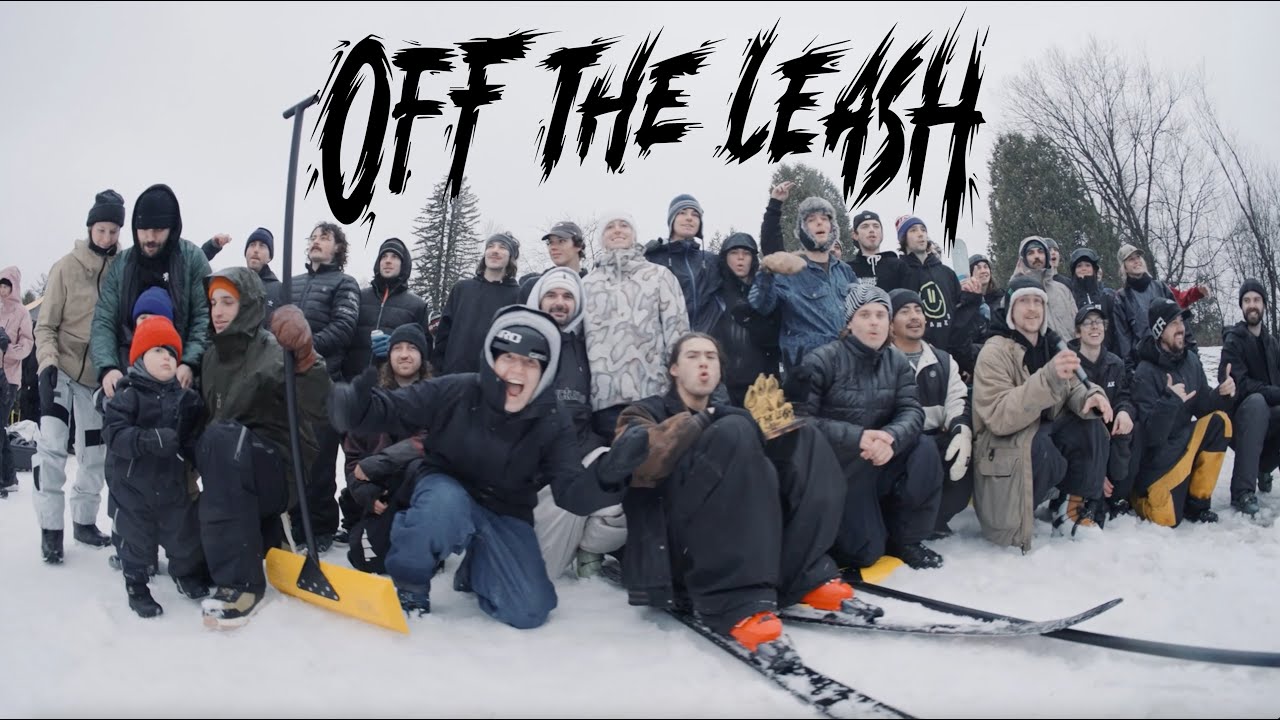
Patry primarily competes in rail-jam style events and street skiing video segments rather than the traditional park/big-air circuit. His invitation to the APIK Mississauga street competition followed standout performances in rail jams like B‑Dog Off The Leash (Shawinigan) in 2024, where he delivered a nose-butter 4 on a down rail, signalling his creative approach and technical edge in urban terrain. :contentReference[oaicite:4]{index=4} Patry has also featured in segments of the film Nostalgie by PARTIMEVERYTHING, which focused on natural features and street-style skiing in Quebec. :contentReference[oaicite:6]{index=6}
How they ski: what to watch for
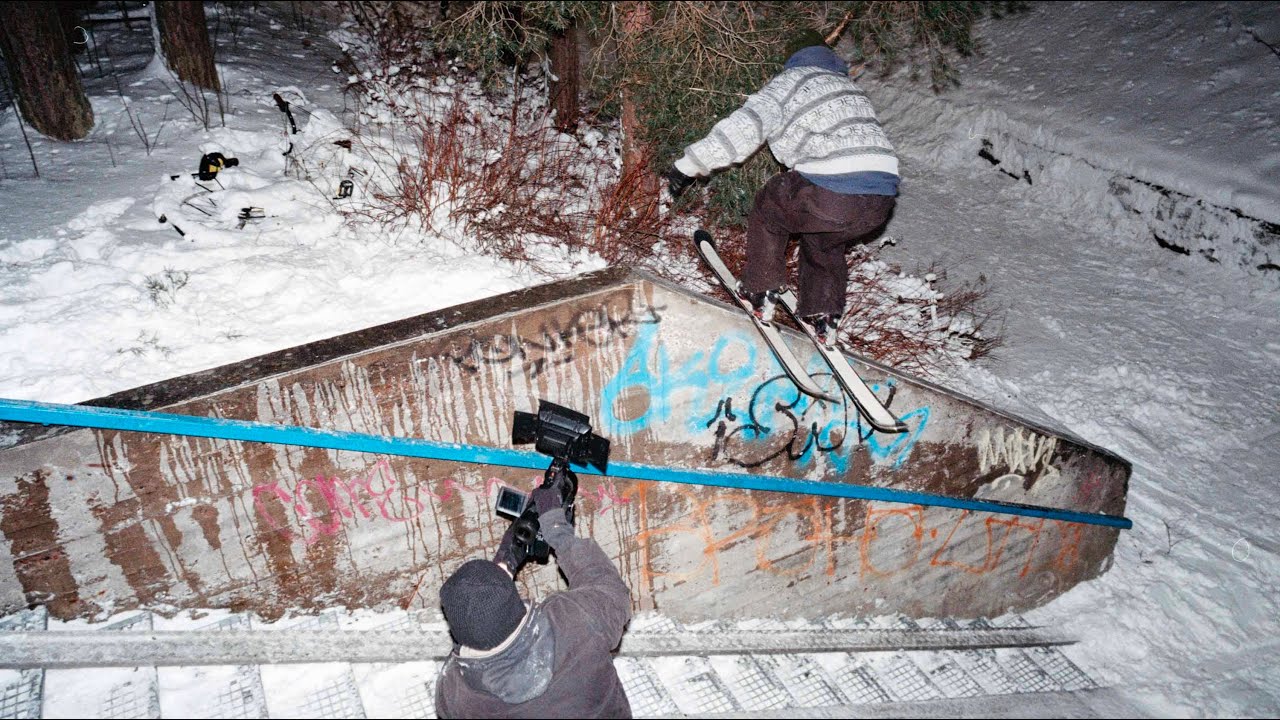
Patry’s style emphasises rail creativity, handrail techniques and unique line choices more than big air amplitude. You should watch for his nose-butters and tail taps on down rails, his ability to link difficult rail transitions, and his comfort switching directions on steel features. His urban segments emphasise flow, re-interpretation of street features and skate-influenced rail lines rather than standard slopestyle blocks. When you see a feature that looks more like a bike-park jump than a ski ramp, there’s a good chance his part might include a trick.
Resilience, filming, and influence
Though not active in the highest-level contest circuit, Patry’s commitment to street skiing and rail culture shows resilience in a niche of freeskiing that often flies under the competition radar. Being part of PARTIMEVERYTHING—a crew balancing full-time work or studies with film sessions—shows the ethos of doing it for the progression and the community. His Golden Ticket status for APIK Mississauga 2025 shows growing recognition in that space. That influence matters especially for riders whose terrain is urban/industrial rather than resort-park. He demonstrates how to build profile through video output, rail mastery and event invites even when the big ramp circuit isn’t the focus.
Geography that built the toolkit
Based in Quebec, Patry has access to clubs, urban sessions and film crews centred on the Montréal-Québec-Laval corridor. That region is known for high-density rail terrain, creative jam culture and street-skiing scenes. The event in Shawinigan and the connection with Canadian rail-jam culture mean Patry practices in terrain that rewards precision more than height. His environment emphasises repetition on steel, transitions and features that might show up in an industrial park rather than a glacier in the Alps. That upbringing explains the confident rail tech and street-feel his skiing projects show.
Equipment and partners: practical takeaways
While detailed sponsorships for Patry are not fully documented in major contest databases, his presence in film segments and street-events suggests a gear philosophy oriented around park/urban skis with durable edges, shorter mountings for rail control and bindings capable of repeated metal landings. For progressing riders following his path, the takeaway is: work on rail technique, street features count, film parts build profile, and choose gear you can abuse. Mounting your skis near center, using a rail-friendly ski flex and protecting your physical resilience matter when you hit steel repeatedly.
Why fans and progressing skiers care
Anthony Patry may not be a household name in the FIS World Cup or Olympic circuit, but he occupies the vital niche of street-and-rail freeskiing where creativity, tech and visuals rule. For fans, his parts are packed with rail tricks rather than big huck jumps—watch for the details. For progressing skiers who live near towns rather than alpine resorts, his pathway shows how to build a profile through urban features and jam events, film parts and peer recognition. If you aspire to build a name in freeskiing beyond jumps, the Patry model is worth following: master the surroundings you have, film hard, innovate rails, and let profile follow the tricks.
Profile and significance
Philippe “Phil” Langevin (often styled “Phil Langevin”) is a Canadian slopestyle freeski athlete born in 2001. He emerged as a strong young contender in freestyle skiing, earning his first World Cup podium at age 17 and gaining invite status to major events such as the Winter X Games. His early results and visibility make him a rising figure in park and slopestyle competition rather than yet a fully established star.
Competitive arc and key venues
Langevin’s breakthrough took place in January 2019 when he earned silver in a World Cup slopestyle event in France at age 17. :contentReference[oaicite:2]{index=2} According to his athlete biography with the International Ski Federation (FIS), he recorded multiple World Cup starts in slopestyle through the 2021–22 season—though results indicate that podiums remain limited. :contentReference[oaicite:4]{index=4} He is affiliated with Mont-Tremblant as one of the resort’s ambassador athletes. :contentReference[oaicite:5]{index=5} While his trajectory is upward, the data suggests he is still building toward consistent top-tier finishes.
How they ski: what to watch for
Langevin’s skiing gives signs of strong park fundamentals: he came up through Quebec’s freestyle systems, shifting from downhill racing to slopestyle as a child. :contentReference[oaicite:6]{index=6} His early success indicates proficiency in jump technique, take-off speed control and landed tricks at a young age. He also features in street skiing film-edits from Quebec, suggesting versatility off the jump line. :contentReference[oaicite:7]{index=7} For observers, you might watch how he applies switch entries, how clean his grabs are and how he conserves speed across a run—markers that often separate podium-capable athletes from mid-field ones.
Resilience, filming, and influence
Though his major contest wins are still emerging, Langevin has shown resilience in moving quickly through junior ranks and grabbing attention early. His representation by talent-agencies at age 17 (2019) indicated that his profile extended beyond contest results into brand and film potential. :contentReference[oaicite:8]{index=8} He also participates in film segments from Quebec, which helps diversify his skiing profile and may aid sponsorship and longevity beyond strict contest performance.
Geography that built the toolkit
Growing up in Mont-Tremblant, Quebec, Langevin benefited from a vibrant freestyle environment, local terrain parks and access to event infrastructure. That base likely helped him dial in park skills early, especially in a region where park skiing is prominent. His early podium in France indicates that he adapted his home-built toolkit to the international winter circuit and the variable snow, light and feature styles of European venues.
Equipment and partners: practical takeaways
While specific current sponsorship details are less public than for top-tier athletes, early career reports list support from ski-brand partners and talent agencies around 2019. :contentReference[oaicite:9]{index=9} For progressing skiers, his case suggests sound equipment and film-work can complement contest performance—invest in park-and-sideski gear that supports switch landings and rail precision, and build a personal profile via content creation and regional riding strength.
Why fans and progressing skiers care
Phil Langevin matters because he represents the “next generation” of slopestyle skiers who enter the World Cup podium mix early and blend contest and film work. For fans, he offers a rising story to follow: from Quebec to the world stage, from early podiums to what could become a major breakthrough. For progressing skiers, his pathway shows that strong regional park work plus smart content pickups can lead to international starts. He may not (yet) be a name with multiple World Cup wins or Olympic medals, but he is one to watch.
Profile and significance
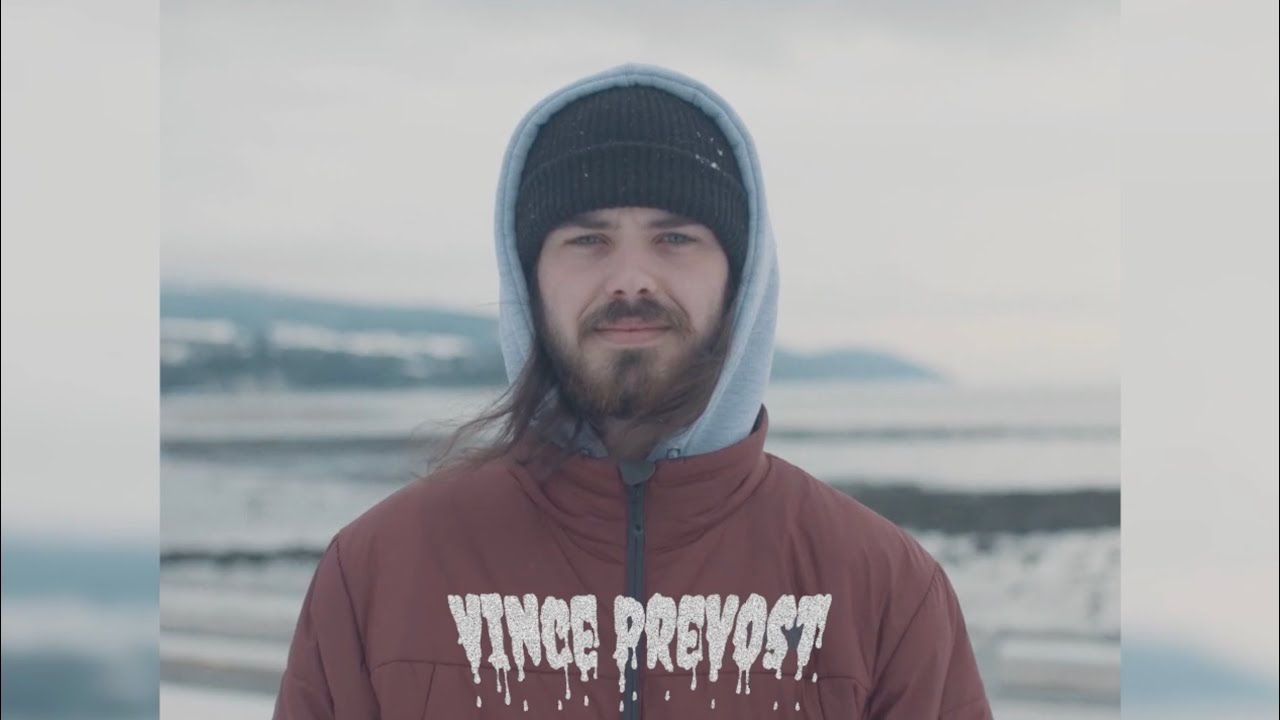
Vince (Vincent) Prévost is a Québec freeski rider from the Laurentians whose strongest footprint is in street and night-park culture. Active since the early 2010s, he showed up in Montréal’s film scene via crews like Brotherhood/ESK and made noise with a run of contest-clip crossovers that mirrored the province’s urban DNA. His breakthrough for many viewers was a win at Sommet Saint-Sauveur’s community-driven park challenge in 2015, followed by a local-to-global moment the next winter when he earned a wildcard invite to a downtown Québec City urban showcase backed by Red Bull. In edits and event weeks alike, Prévost’s skiing reads at half speed: calm setup, patient pop, early grab definition, and square-shoulder exits that keep speed for what comes next.
Today his lane is film-first and scene-facing. He mixes segments with friends, park laps around the Laurentians, and periodic roles behind the camera or on judging panels at Québec events, helping translate the province’s street language for the next wave. It’s a profile built on clarity rather than hype, which is why coaches and everyday park riders still pass his clips around a decade after he first appeared on local big screens.
Competitive arc and key venues
The résumé traces a distinctly Québec route. In March 2015 Prévost won the Mont Saint-Sauveur Challenge, a local proving ground on the Laurentians circuit at Sommet Saint-Sauveur. In February 2016 he was among the wildcard selections for the inaugural ReDirect in Québec City—an urban-course battle hosted by Red Bull that combined invited pros, locals and Stairsmaster picks under a jam format. In early 2017 his name surfaced again in Stairsmaster’s entry slate as the Jamboree week returned downtown; while that series is rider-judged and video-based, it tests the same rail timing and speed honesty the streets demand.
Recent years show him toggling between appearances and curation. Prévost has been part of the off-season and early-winter orbit around Shawinigan’s Vallée du Parc, where a new school of street-inspired events has grown. He has also spent time around Québec City’s resort axis, including the XL-park lines and night sessions at Stoneham Mountain Resort, whose Parc XL 418 is built for big-deck timing and busy rail gardens. Those venues, plus Saint-Sauveur’s SnoPrk at versant Avila, explain how his contest cameos and film parts keep the same cadence.
How they ski: what to watch for
Prévost skis with economy and definition—the two traits that make slopestyle and urban/street skiing teachable. Into a takeoff he stays tall and neutral, sets rotation late, and locks the grab before 180 degrees so the axis breathes on camera. On rails he favors square, unhurried entries; presses and backslides held just long enough to be unmistakable; quiet surface swaps; and exits where the shoulders remain aligned so momentum carries into the next hit. Landings read centered and inevitable—hips over feet, ankles soft—so even when difficulty creeps up, the shot looks like one sentence rather than a series of rescues.
Resilience, filming, and influence
Québec’s scene is edit-driven, and Prévost embraced that model early. He stacked park-plus-street clips with Brotherhood/ESK during the iF3 era, then used short, replayable parts to stay present while friends cycled between work, school, and winter storms. A hallmark of his recent seasons is community stewardship: showing up at sessions, judging when asked, and helping riders organize speed and spot work so their tricks read clearly. That feedback loop—film, watch, refine—keeps his influence tangible even without a tour of podiums.
Geography that built the toolkit
Place explains the movements. The Laurentians corridor gives him density: the restricted-access Main Park at SnoPrk on versant Avila turns calm entries and square exits into habits by sheer volume of laps. East along the river, Stoneham adds long decks and mixed light, which punish rushed takeoffs and reward late, patient sets. Downtown Québec City has hosted scaffold big-air and urban builds, sharpening wind reads and speed choice. And in Mauricie, Vallée du Parc supplies compact, crowd-close setups that demand clarity. Stitch those maps together and the fingerprints show up in every clip.
Equipment and partners: practical takeaways
Prévost’s recent tags include skis from Faction, optics and helmets from Giro, boots from Phaenom Footwear, outerwear via O’Neill, winter accessories from Kombi Canada, and regional support through Québec City’s Radical Shop. For skiers trying to borrow the feel, the hardware lesson is simple. Choose a true park twin with a balanced, medium flex you can press without folding; detune contact points enough to reduce rail bite while keeping trustworthy grip on the lip; and mount close enough to center that switch landings feel neutral and presses sit level. Keep binding ramp angles from tipping you into the backseat so hips can stack over feet. More important than any single product is the workflow he models: film a lap, check shoulder alignment and hip-to-ankle stack, then repeat until patient pop, early grab definition, and square-shoulder exits become automatic.
Why fans and progressing skiers care
Fans care about Vince Prévost because his skiing is legible and durable. The same language—calm approach, late set, defined grab, centered landing—shows up whether the backdrop is a night lap at versant Avila, an XL session at Parc 418, a riverside street setup in Shawinigan at Vallée du Parc, or a city build in Québec City. Progressing riders care because those choices scale to ordinary features and weeknight parks. If you’re looking for a blueprint that turns modest terrain into confident, stylish freeskiing, his clips—and the venues that shaped them—are a practical place to start.
Brand overview and significance
Newschoolers started in 1999 as one of the first major online communities devoted exclusively to freeskiing and the “new school” ski movement. Over more than two decades, it has evolved into a global platform combining news, features, athlete interviews, gear discussion, videos, and community forums. For skiers engaged with park, slopestyle, urban, and freestyle terrain, Newschoolers plays a foundational role in culture-sharing, progression tracking, gear debate, and peer-to-peer connectivity.
Product lines and key technologies
As a media and community brand rather than a physical-goods manufacturer, Newschoolers’ “product” is its online ecosystem: editorial articles, video premieres, athlete spotlights, and its persistent forum network (“Ski Gabber”, “Gear Talk”, “Regional Threads”). The site offers features such as a gear section, photo and video uploads, a buy/sell/trade marketplace, event coverage, podcasts and rankings. In digital terms, its technologies include community moderation engines, tagging and rating systems for uploads, and integration of video embeds and user-generated content. The “platform” is optimized for ski-enthusiasts to share media, exchange knowledge, review gear and connect globally in real-time.
Ride feel: who it’s for (terrains & use-cases)
Newschoolers is geared toward park and freestyle-oriented skiers, younger engaged riders, and anyone seeking peer-to-peer dialogue about trick technique, gear setups, urban/park venues, event updates and culture. If you ride terrain parks, jib features, hit urban rails, follow slopestyle or big-air contests, or just like browsing reel-quality tricks and film segments, then Newschoolers sits in your daily feed. It’s less tailored to traditional alpine racers or big-mountain expedition skiers (though these may frequent it), and more aligned with the freestyle-forward spectrum, including switch-landings, urban film segments, and off-season indoor park commentary.
Team presence, competitions, and reputation
Newschoolers has an established reputation in the freestyle ski world as one of the go-to hubs for athlete coverage, gear announcements, video premieres and contest results. The site has covered events like the X Games and other major freestyle circuits, and continues to host athlete interviews and content that shape community discussions. Its forums have thousands of threads across gear talk, regional meet-ups, ski travel, film reviews and more. While not a competition organiser itself, the brand influences contest narratives, athlete branding and community feedback in the freeski ecosystem.
Geography and hubs (heritage, testing, venues)
Though digitally global, Newschoolers originates in the North American freeski scene and serves a worldwide audience, including Europe, Scandinavia, and Asia. The community threads represent regional sub-forums covering Canada, U.S., Europe, Scandinavia, etc., showing the brand’s reach. For ski film premiers and session photo galleries, venues range from park-centric resorts in the U.S. and Canada to urban jib settings across Europe. In essence, Newschoolers acts as a node linking disparate freeride and freestyle hubs through its platform.
Construction, durability, and sustainability
In media terms, Newschoolers’ durability comes from its longevity—over 25 years online—and its ability to adapt from purely forum-based community to incorporating video content, Instagram presence, podcasting, and gear media. Sustainability in this context means maintaining relevance for younger skiers while preserving legacy of earlier eras. The platform supports user-generated content, so the “construction” of the site evolves as skiers contribute reviews, threads, photo sets and short films. On a practical level, the site’s buy/sell section, model gear guides and archives add value over time for users seeking older skis or historical references.
How to choose within the lineup
If you’re a skier looking for media and community input: start by browsing the “Gear Talk” section when selecting skis or poles and join user threads about recent models. Use video uploads and the “Latest Videos” section to study trick technique or park line choices. For networking or travel planning, regional forums (Europe, Canada, Scandinavia) offer trip reports, local crew meet-ups and tip sharing. If you’re interested in contributing, uploading your own clips, photo galleries and joining discussion ramps up your influence and exposure in the community. For brands: using Newschoolers as part of a campaign means tapping into a dense network of engaged, younger skiers whose commentary may amplify your release or event.
Why riders care
Because skiing isn’t just about turns—it’s about community, progression, gear, style and shared rides. Newschoolers offers a place where skiers can ask questions, see what’s trending in park or jib tech, post videos of their own sessions and connect with peers across continents. For someone building a ski identity—whether park junkie, urban rail chaser or all-mountain trick seeker—it brings credibility, access to real talk, historical archives, and a voice among thousands of skiers. That membership doesn’t cost a ticket—the value is participation, narrative and connection. For the freestyle skier it becomes not just a site but part of the ski lifestyle itself.