Blizzard
Austria
Austrian ski manufacturer | Founded from Toni Arnsteiner's 1945 Mittersill workshop and still produced in the Alps | Known for: Rustler and Sheeva freeride skis, Black Pearl all mountain reputation, Anomaly directional power, Zero G touring, Firebird race precision and Thunderbird frontside carving | Focus: alpine built skis that balance edge grip, stability, freeride confidence and touring efficiency across resort, race, powder and backcountry terrain.
Mittersill in 1945 and the carpentry shop that became Blizzard
Blizzard is one of the historic names in alpine ski manufacturing. The story begins in Mittersill, Austria, where Toni Arnsteiner returned after World War II and built his first skis in a family carpentry workshop in 1945. That origin is important because Blizzard has always carried a strong material identity. It began with wood, craft, local mountain knowledge and the practical problem of making skis that could survive real alpine use.
The Blizzard name was later formalized as the company grew, but the Mittersill connection never disappeared. More than seventy years after Arnsteiner's first pairs, Blizzard skis are still tied to the same Austrian town. That gives the brand a different feeling from newer labels that design in one place and outsource identity elsewhere. Blizzard's credibility comes from long production experience, alpine testing culture and a factory environment surrounded by serious skiing.
Now part of Tecnica Group, Blizzard sits inside a larger family that also includes Tecnica, Nordica, Lowa, Rollerblade and Moon Boot. That scale gives the brand global distribution and shared equipment expertise, but the ski identity remains distinctly Austrian. For skipowd.tv, Blizzard is a clear 5 out of 5 brand because it combines deep heritage, real manufacturing history, modern freeride relevance, touring credibility and race derived precision.
Rustler Sheeva Anomaly Black Pearl Zero G and the current ski wall
Blizzard's modern catalog is organized by skiing style rather than one generic all mountain promise. Rustler is the men's freeride family, built for skiers who want a ski that can charge soft snow, slash natural terrain and still hold together when the resort becomes tracked out. Sheeva is the women's freeride counterpart, carrying the same loose yet supportive personality into a dedicated women's range.
Anomaly is Blizzard's directional all mountain line. It replaces the older Brahma and Bonafide conversation with a fresh family that includes Anomaly 84, 88, 94 and 102. These skis use TrueBlend All Mountain Woodcore and FluxForm All Mountain titanal construction to create stability at speed without making the ski feel dead or impossible to release. They are for skiers who want edge strength, confidence and smooth power across the whole resort.
Black Pearl remains one of Blizzard's most recognizable names. It sits in the women's all mountain category and has become a long running reference for skiers who want a dependable daily driver. Zero G handles the backcountry touring side, with models such as Zero G 80, 88 and 96 focused on uphill efficiency and downhill control. Firebird is the race and high precision frontside family, while Thunderbird targets powerful recreational carving and piste performance. Together, the lineup covers nearly every major alpine use case without pretending that one ski can do everything perfectly.
TrueBlend flex zones and the calm Blizzard ride
The signature Blizzard feel is built around controlled flex. TrueBlend Woodcore is central to that idea. Instead of using one uniform wood structure through the ski, Blizzard positions different wood densities to create distinct flex zones. Denser wood sits where strength and grip are needed underfoot. Softer wood appears in the tip and tail where turn entry, forgiveness and release matter more.
That construction makes sense across the catalog. In Anomaly, TrueBlend All Mountain Woodcore gives the ski enough power to carve and stay composed in rough snow, while softer extremities help the ski release and adapt when conditions get inconsistent. FluxForm All Mountain adds separate titanal pieces, giving strength and stability without turning the ski into a one dimensional metal plank.
Rustler and Sheeva use a different freeride logic. They are designed to feel more playful, with easier pivoting, stronger soft snow behavior and enough support for landings and higher speed lines. Zero G shifts the balance toward light weight and touring efficiency, while Firebird and Thunderbird move toward edge grip, precision and frontside energy. The common thread is Blizzard's preference for predictable behavior. The skis are rarely nervous. They are designed to feel trustworthy when snow quality changes halfway down the run.
From Mario Matt race medals to freeride confidence
Blizzard's credibility comes from both alpine racing and freeride. Tecnica Group highlights Blizzard's competition success, including Mario Matt's gold medal at Sochi 2014. That race heritage matters because frontside precision is a serious part of the brand's engineering language. Firebird skis are built around that world: clean edge engagement, powerful arcs, plate systems, damping and high speed control.
At the same time, Blizzard has become a major freeride reference. Rustler and Sheeva are not race skis with wider waists. They are purpose built freeride platforms for skiers who want to smear, slash, float, pivot and land without losing confidence when terrain turns chopped or steep. This dual identity is one of Blizzard's strengths. It can speak to a skier who wants race inspired edge hold and another skier who wants soft snow freedom without making either product feel like an afterthought.
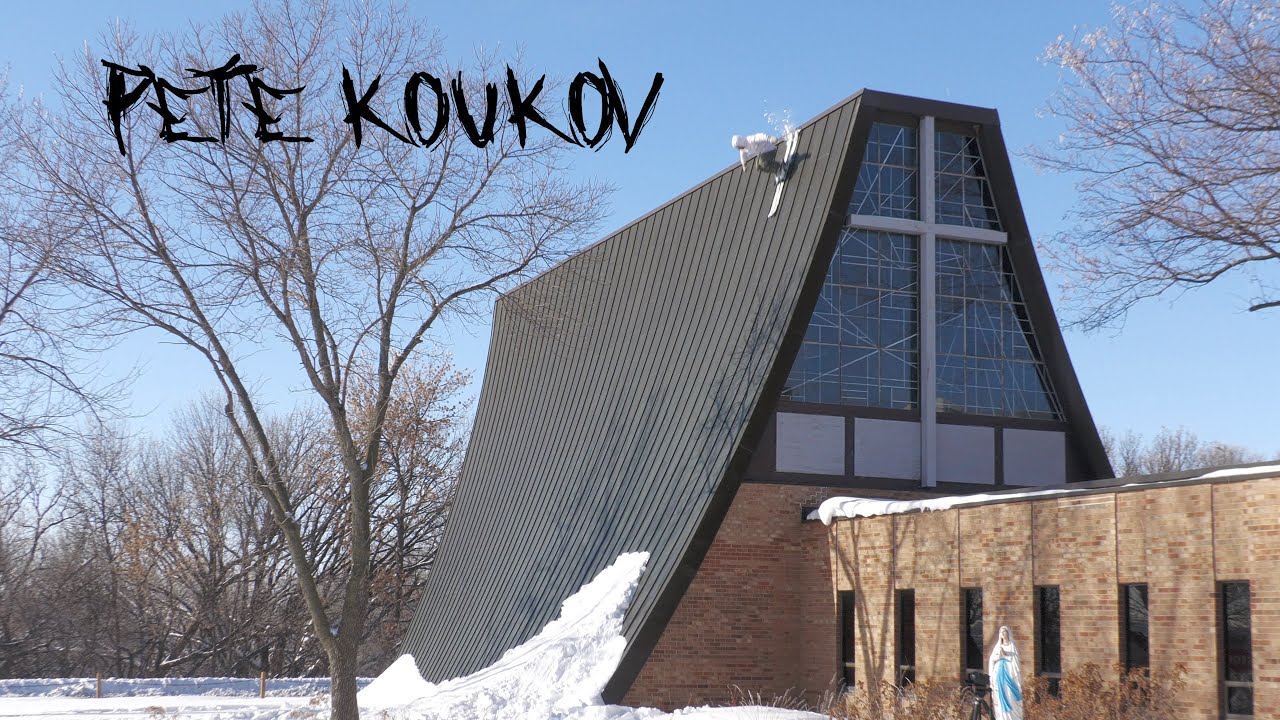
On skipowd.tv, Blizzard is linked with Pete Koukov through Off The Leash Video Edition, which connects the brand to street skiing and modern freeski media as well as traditional alpine categories. That range is valuable. Blizzard is not only a race wall brand or a touring catalog brand. It has enough ski culture range to appear in resort, freeride, touring and street influenced content.
Mittersill factory gravity and the Austrian Alps testing loop
Blizzard's geography is one of its strongest assets. Mittersill sits in Austria's Salzburg region, close to serious alpine terrain, glacier access and a ski culture where equipment is judged quickly. A brand built there has immediate access to hard snow, variable pistes, off piste terrain, touring objectives and the kind of mixed conditions that expose weak ski design.
That alpine setting shapes the product philosophy. Blizzard skis generally feel like they were made for real mountains, not only for perfect demo day snow. A strong all mountain ski has to carve on morning corduroy, handle refrozen patches, absorb chopped afternoon snow and still let the skier change direction in trees or sidecountry terrain. The Austrian Alps provide that testing environment naturally.
At the same time, Blizzard's freeride map extends far beyond Austria. Rustler, Sheeva and Zero G belong in British Columbia, the Rockies, Japan, Scandinavia, the Alps and any mountain where skiers mix lift access, soft snow and human powered lines. The brand's local manufacturing base gives it identity, but the products travel well because the use cases are global.
Titanal frames wood density and touring weight discipline
Blizzard's construction story is about placing material where it matters. Anomaly uses FluxForm All Mountain, with separate titanal pieces arranged to deliver stability while preserving versatility. The external titanal also extends toward the edge for protection against top edge impacts, helping reduce chipping and abuse from ski to ski contact.
TrueBlend Woodcore gives Blizzard a precise way to tune each model and length. This matters because a shorter ski should not simply be a chopped version of a longer ski. Smaller sizes need their own flex behavior, and stronger skiers on longer lengths need support that matches their speed and leverage. Blizzard's wood density approach allows the brand to change flex by model and size without losing the overall ride character.
Zero G uses a different version of discipline. Touring skis have to be light enough for long climbs but composed enough to ski variable snow on the way down. Blizzard's current Zero G direction uses touring specific TrueBlend thinking, balancing lighter woods and stronger inserts so that the ski does not become flimsy underfoot. In race and frontside skis, the construction shifts again toward damping, grip and edge precision. The point is not one magic material. It is category specific build logic.
Choosing Anomaly Rustler Sheeva Black Pearl Zero G or Firebird
Choosing Blizzard starts with where you actually ski. If your winter is mostly groomers, hard snow and high edge angles, Firebird or Thunderbird should be the first stop. Firebird is the sharper race derived option for skiers who value precision and power. Thunderbird is the more accessible frontside line for advanced recreational carving and fast piste laps.
If you want one directional resort ski that can handle groomers, chop, chalk, bumps and mixed off piste days, Anomaly is the central family. Anomaly 84 and 88 fit firmer resorts and daily all mountain use. Anomaly 94 gives more width for soft snow and variable conditions. Anomaly 102 moves toward all mountain freeride while still keeping a directional, confident personality.
If you ski with a looser, more creative approach, choose Rustler or Sheeva. Rustler 9 and Sheeva 9 suit mixed resort freeride and soft snow days without feeling too wide. Rustler 10 and Sheeva 10 are stronger one ski quiver choices for skiers who want more float and freeride personality. Rustler 11 and Sheeva 11 belong closer to deeper days and bigger terrain. Black Pearl is the women's all mountain reference for skiers who want dependable versatility, while Zero G is the right choice for touring objectives where weight and uphill movement matter as much as the descent.
Why Blizzard still earns trust from skiers
Blizzard matters because the brand has stayed coherent across many eras of skiing. It began with carpentry and alpine manufacturing, built credibility through race and piste precision, then evolved into freeride, touring and modern all mountain categories without losing its central personality. The skis generally feel calm, supportive and well finished. That consistency is why many skiers return to the brand after trying more fashionable or more extreme options.
The catalog also makes sense. Anomaly is not trying to be Rustler. Firebird is not trying to be Zero G. Black Pearl and Sheeva answer different women's ski needs rather than relying on one reduced unisex shape. Zero G focuses on uphill efficiency without pretending to be a resort charger. This clarity helps skiers choose correctly, and correct choice is one of the biggest factors in long term satisfaction.
On skipowd.tv, Blizzard belongs as a 5 out of 5 ski manufacturer. It connects Austrian production, race history, freeride development, touring function, women's ski design and modern all mountain engineering in one brand. Whether the video shows Pete Koukov in a street edit, a skier carving a Firebird, a rider slashing a Rustler, or a dawn patrol on Zero G, Blizzard represents the alpine built confidence that keeps skiers trusting the ski underfoot when conditions change.