Overview and significance
Shawinigan is a Mauricie hub in Québec whose local hill—Vallée du Parc—does the heavy lifting for freeskiers. Set a few minutes southeast of town, this community-forward ski area concentrates exactly what progression crews need: reliable night skiing several evenings each week, two purpose-built terrain parks, and a compact lift layout that keeps laps tight. Official regional and resort briefs list 33 marked trails with 8 glades and 2 snowparks, served by a network that includes two detachable quad chairs and additional surface lifts, all within a modest vertical that encourages repetition rather than heroics (Tourisme Shawinigan; station facts).
For Québec road trippers, the location is practical. Shawinigan sits between Montréal and Québec City with quick access from Autoroute 55, so a Friday-night drive can turn into lit park laps and groomers without a long transfer. If you’re building a Mauricie weekend, Shawinigan’s lodging and food scene pairs easily with full days—or nights—on snow at Vallée du Parc.
Terrain, snow, and seasons
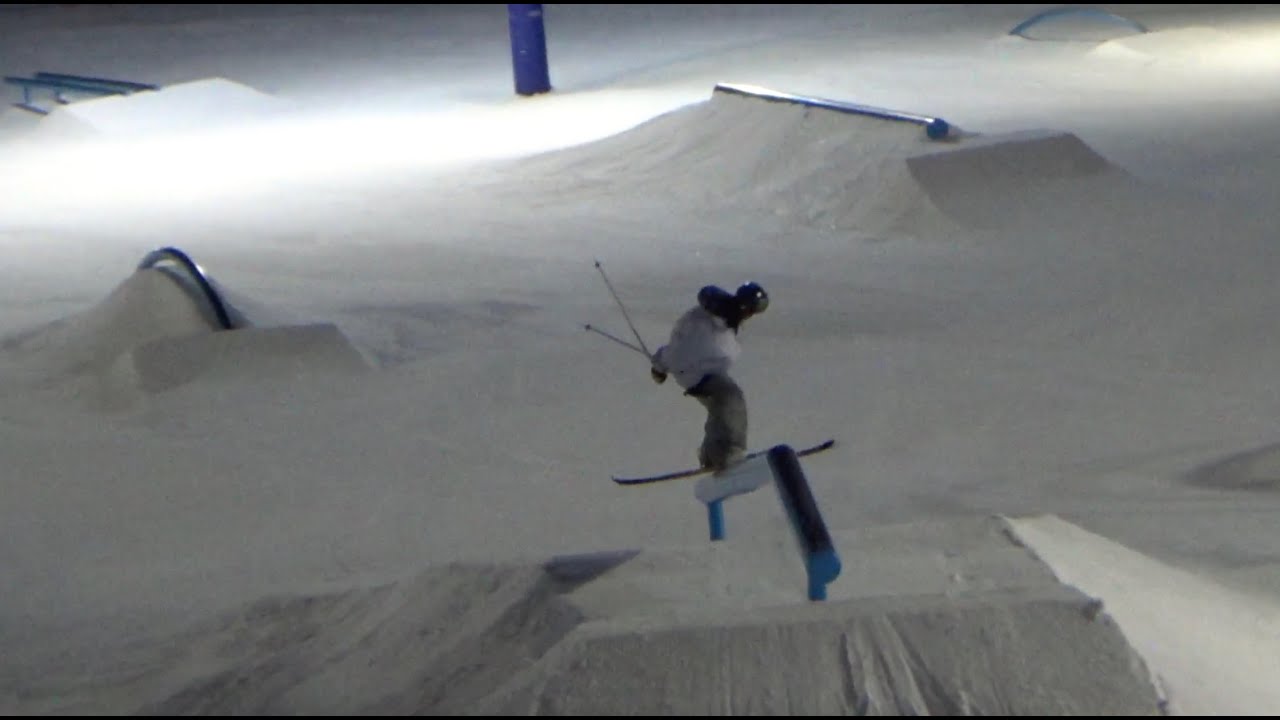
Vallée du Parc is about rhythm. The published stats are clear: roughly 168 m of vertical to a summit near 447 m, 33 runs spanning beginner to expert, and a trail mix that leans intermediate/advanced with eight officially signed glades (Maneige station page). Québec’s continental winters bring frequent cold snaps and small refreshes; the resort’s grooming and snowmaking rebuild lips quickly after warm spells, and north-facing benches keep surfaces crisp between systems. Night operations are a calling card, with extended hours typically running Wednesday through Saturday in peak winter—always confirm the current timetable on the resort’s Montagne & Horaire page.
The mountain skis bigger than the numbers suggest because the laps are efficient. From the base, two quad chairs and complementary lifts spread you across short, repeatable fall lines that stay readable in flat light. Glades sit a short slide off groomed arteries, so mixed-ability groups can branch out without losing each other. An alpine luge track adds a rest-block alternative on heavy legs, and there are two marked uphill routes for alpine touring outside public operating hours when the policy allows (details via the resort’s mountain pages).
Park infrastructure and events
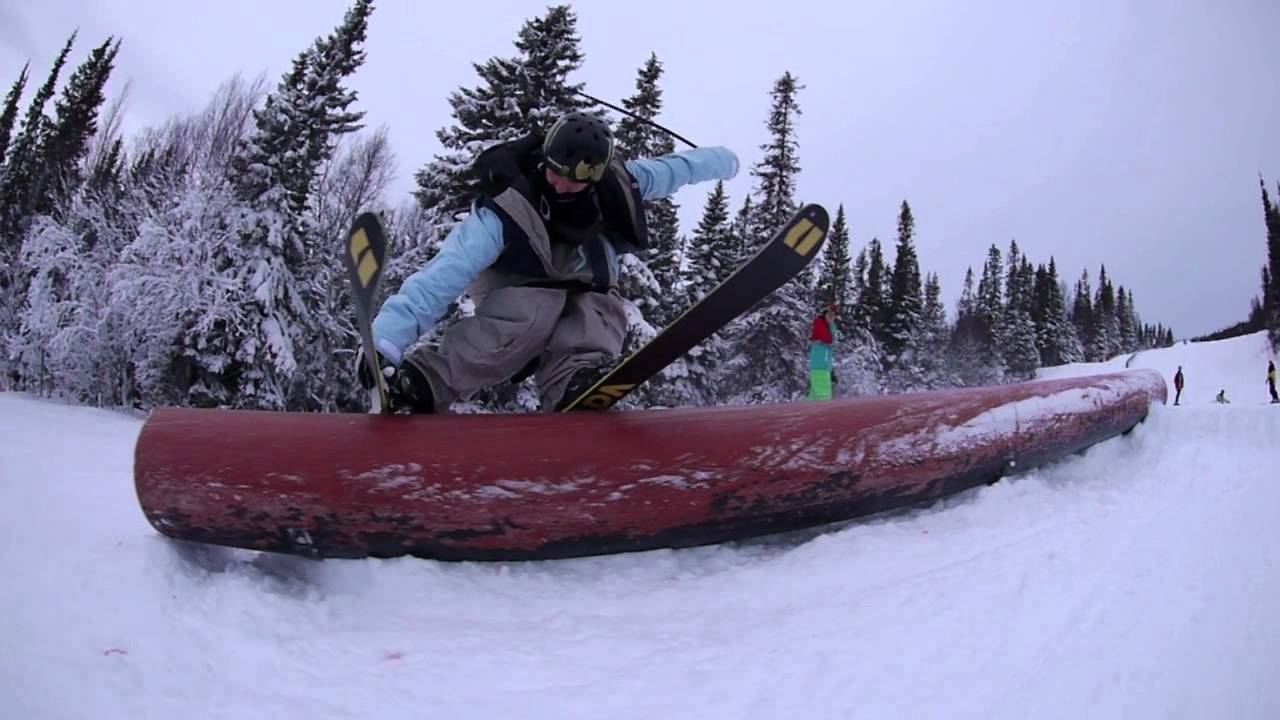
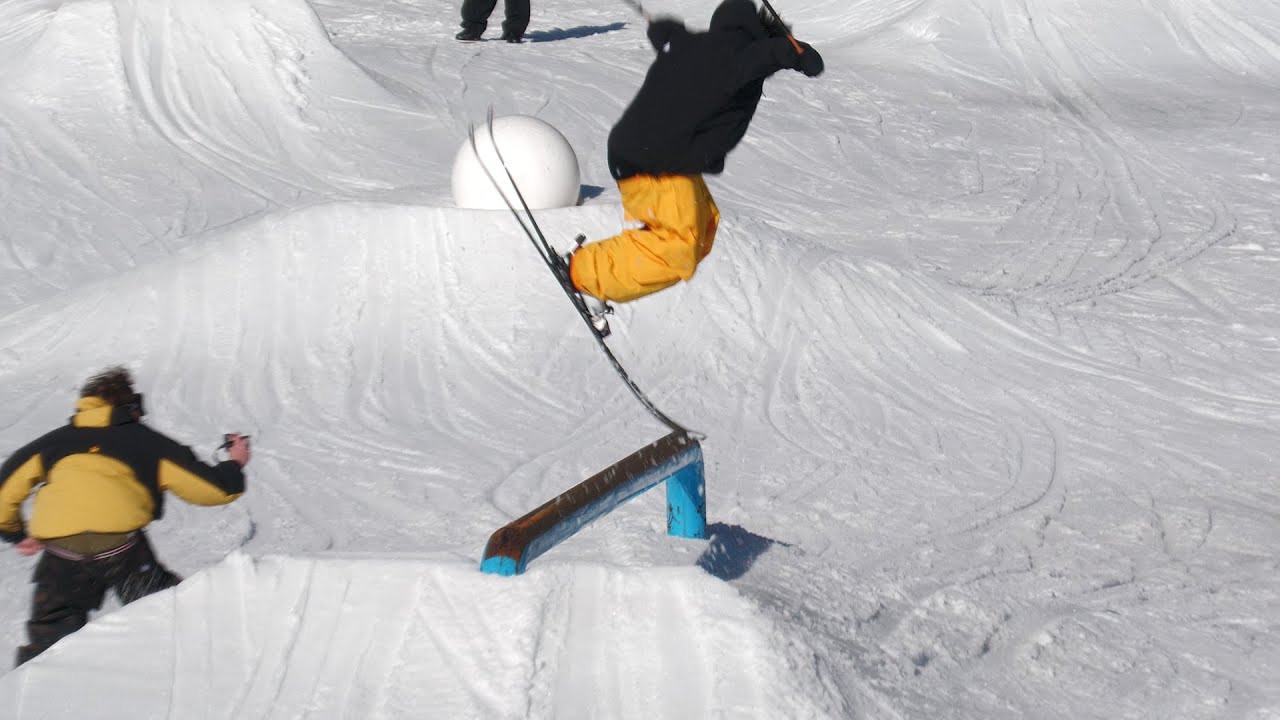
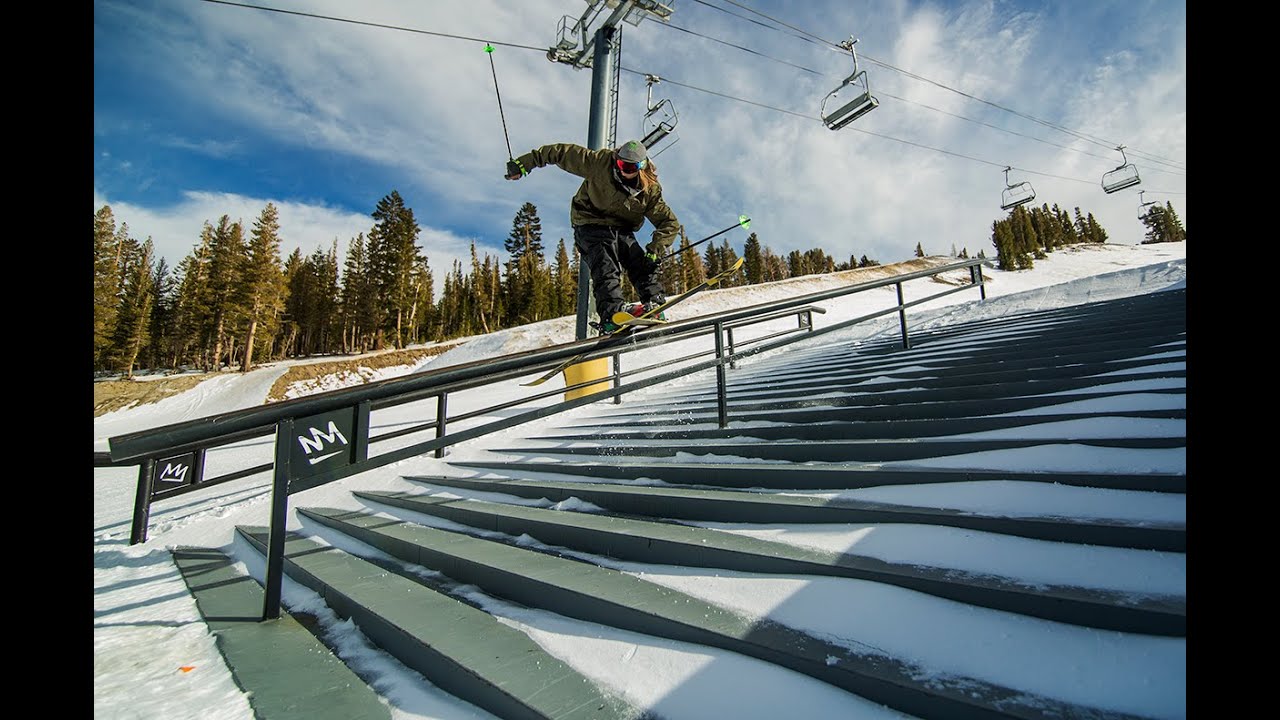
This is where Shawinigan shines for freestyle. The resort operates two dedicated zones—a learn-to-park space and an intermediate snowpark—outlined in the station’s ticketing brief as “1 parc à neige d’apprentissage… et 1 parc à neige intermédiaire” (station facts). Expect a rotating cast of boxes, rails, and step-downs scaled to the base depth and temperatures, with smaller lines positioned for repetition and quick resets. Because the parks sit near main chairs and groomed returns, you can blend rail mileage with quick groomer laps for speed work and still regroup easily with non-park friends.
Events are grassroots and seasonal—think local jams, school-team meets, and skills clinics rather than stadium-scale slopestyle weeks. That fits the venue’s identity: a safe, reliable platform to learn, polish, and film clean lines after class or work.
Access, logistics, and on-mountain flow
The address—10000, chemin de la Vallée-du-Parc, Shawinigan—drops you at a compact base with rentals, ski school, and the Resto-Bar 360. If you’re traveling without a car, keep an eye on regional shuttle listings via Tourisme Shawinigan, but most visitors drive. For flow, start with quick recon laps to check speed and wax, then build a two- or three-feature circuit in the learning park before stepping to the intermediate line once lips are crisp. On stormy or flat-light days, favor the lower benches and glades where definition holds; under lights, expect firm evening corduroy early and softening as traffic builds—tune edges and detune contact points accordingly.
Operations and hours vary by day and season, so treat the resort’s mountain status and daily schedule as your morning and pre-evening control tower. If you’re itinerary-building from Montréal or Québec City, the Mauricie location means you can stack two night sessions around a full Saturday without burning the whole weekend on the road.
Local culture, safety, and etiquette
Shawinigan’s scene is welcoming and practical. The snow school lists more than 75 certified instructors in-season, and an experienced volunteer crew supports adaptive-ski sessions, which tells you a lot about priorities here (station facts). Inside the parks, follow Park SMART: inspect first, call your drop, hold a predictable line, and clear landings and knuckles immediately so the lane keeps moving. On the hill, respect rope lines and staged openings; Québec’s cold snaps can glaze exposed pitches quickly after sunset, so manage speed until you trust the surface. For uphill touring, use only the signed routes in the posted windows and yield to downhill traffic at all times.
Off-snow, the base remains compact and low-key—more hot chocolate and poutine than bottle service. That’s a feature, not a bug, for crews focused on progression.
Best time to go and how to plan
Mid-January through late February delivers the most repeatable cold surfaces for jump speed and rail edges; March brings longer light, soft afternoon laps, and classic spring corn cycles on solar aspects. If night skiing is your priority, target weeks when the schedule shows four nights of operations and build your days around two high-volume evenings plus a daylight film session. Start each morning and late afternoon by checking the resort’s status page for lift/park updates and confirm hours on the Horaire page.
Why freeskiers care
Because Shawinigan turns access into progression. Vallée du Parc’s manageable vertical, two-tier snowparks, and steady night program make it easy to stack attempts and learn fast without burning time on traverses. Add glades close to groomed corridors, a compact base, and straightforward highway access from Québec’s two biggest cities, and you get a high-output, low-friction venue that keeps your trick list moving all winter.