Profile and significance
Dylan Manley is an American freeski athlete whose public profile has been built far more through urban/street skiing, park creativity, and independent ski-brand culture than through a traditional slopestyle or big air contest résumé. The public record around him is strong enough to confirm a real and durable skier identity: he was publicly described early on as a New Yorker, later became closely associated with Salt Lake City and Utah, appeared in recognized amateur showcase channels, and then remained visible across a long run of street and crew projects. What makes him matter is not a stack of official medals. It is the way his name keeps showing up in the parts of freeski that core viewers actually track, from early SuperUnknown visibility to team films, collaborative street edits, and eventually a pro-model ski with Vishnu Freeski. He sits in a very specific and very real lane of the sport: not a World Cup skier, but a culture-side athlete whose value comes from originality, repeat presence, and a clear hand in shaping modern street-oriented freeski.
Competitive arc and key venues
Manley’s public arc is not mainly a contest ladder, so the cleanest way to read it is through projects, brands, and places. One of the earliest clear public markers was his selection as a SuperUnknown X semi-finalist in 2013, which matters because that platform has long been one of freeski’s better amateur proving grounds. Around the same era, he was visible in Mount Snow and East Coast footage before his profile shifted more decisively west. By 2015, he was part of the Vishnu Freeski team-video orbit in “GAS,” and ski media also linked him to LINE Skis, Saga, and the street-heavy Utah scene. Over the next several years, his name kept surfacing in projects that mattered to core viewers: “Harvest,” “Pallet,” “The Deep End,” “Shady Canyon,” and then “Tears of Joy,” the 2023 Vishnu street project built over multiple seasons with Luke Roberts and Kysen Hall. He also appeared in LINE Traveling Circus and in Will Wesson’s RCFS world, both of which matter because they place him in some of the most recognizable creativity-first spaces in freeski media. In other words, Manley’s arc is not built on judges. It is built on staying visible in the right edits for a long time.
How they ski: what to watch for
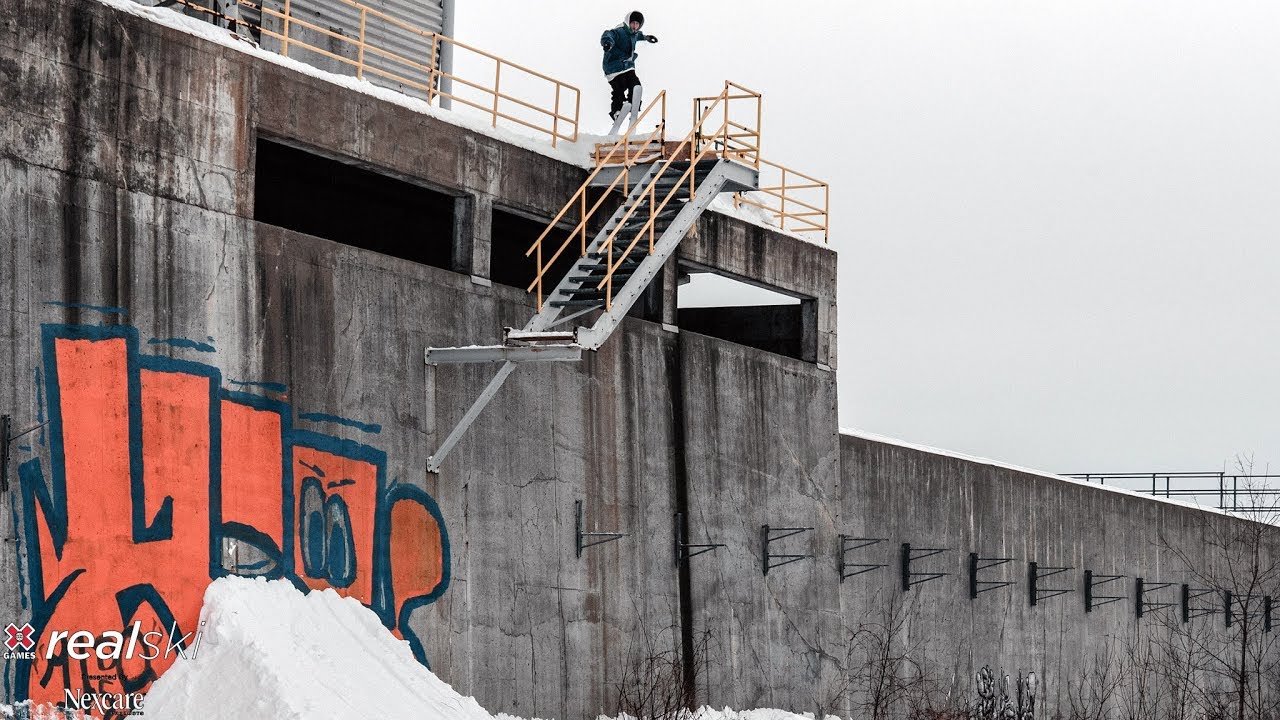
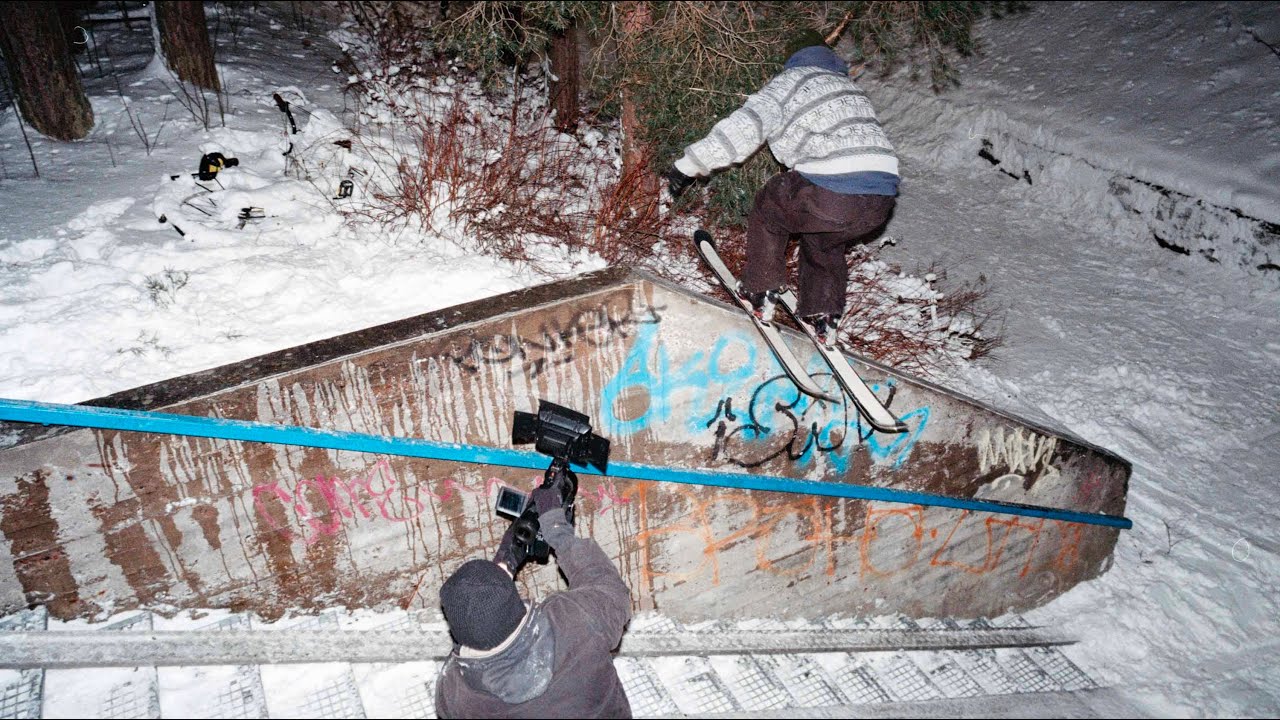
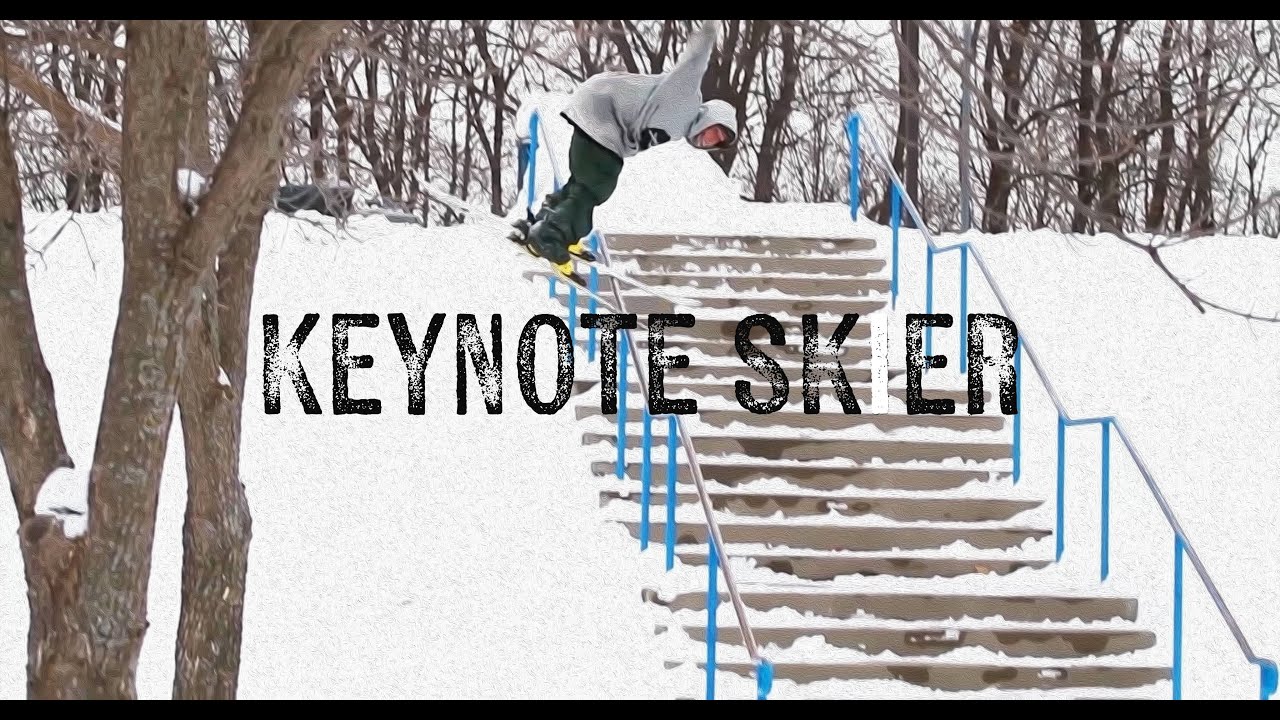
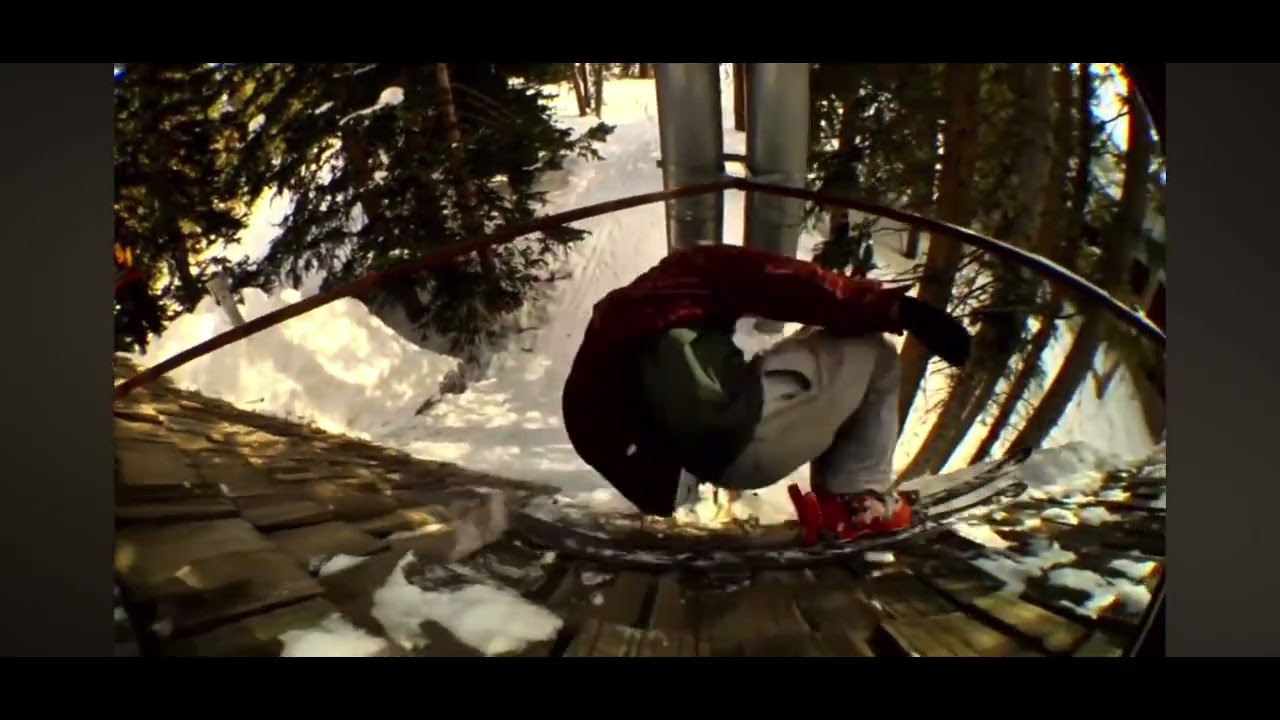
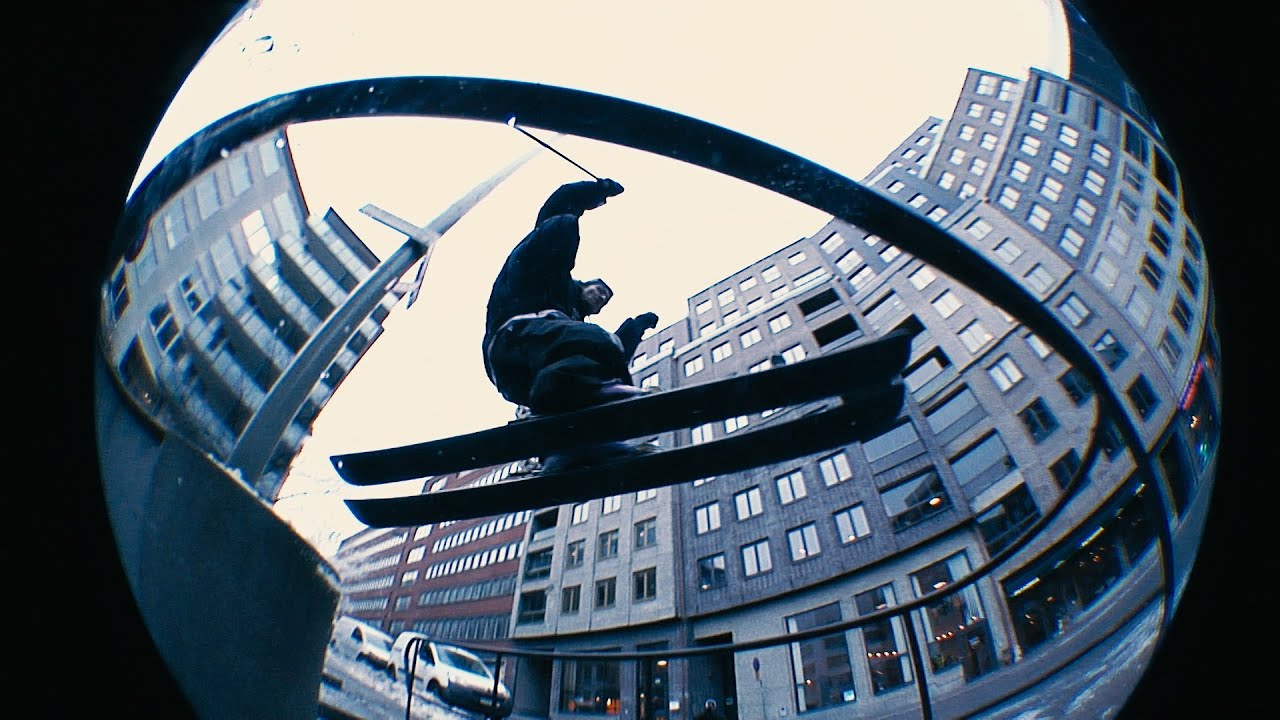
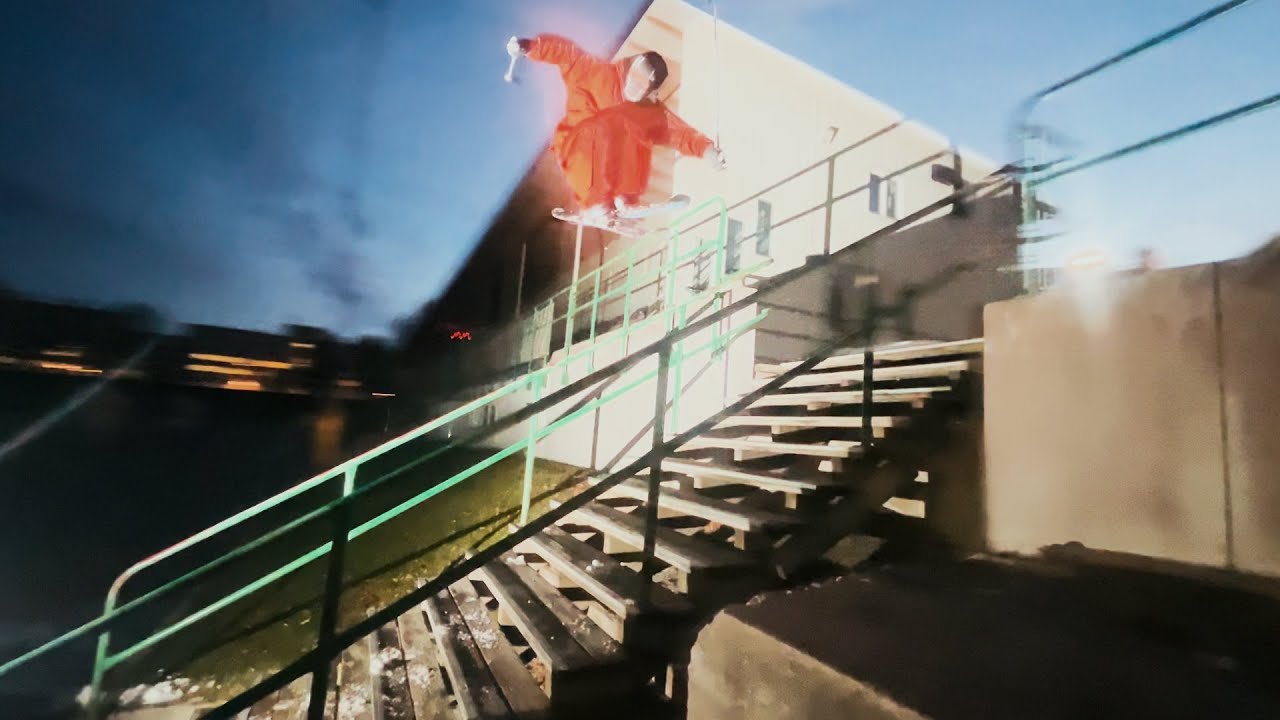
The public material around Manley points to a skier whose identity is rooted in street skiing first, with park laps and odd-feature fluency supporting the whole package. That distinction matters. Slopestyle and big air reward structure, speed management, and high-value tricks in controlled settings. Urban/street skiing asks for many of the same technical basics, but under much messier conditions: awkward setups, variable speed, hand-built spots, and the need to make difficult terrain look natural. That is where Manley’s public profile has value. The recurring theme around his skiing is creativity rather than formal contest efficiency. He appears in projects that favor rails, transitions, manual-friendly terrain, unusual surfaces, and ideas that make more sense to core street skiers than to judges. That same logic carries into the Vishnu Wet ski connected to his name, which has been publicly described as a street-specific model designed for manuals, butters, presses, and playful use of transitions. For viewers, the useful thing to watch is not whether he looks like a contest athlete pretending to ski street. It is whether he looks fully at home in terrain that asks for invention as much as commitment. Publicly, he does.
Resilience, filming, and influence
Manley’s strongest case for relevance comes from durability. Plenty of skiers break through once in a web edit and disappear. His public trail is much longer than that. He shows up in early 2010s street-facing footage, in mid-2010s Vishnu films, in late-2010s team projects, in 2020 LINE Traveling Circus, in 2021 and 2022 RCFS-related projects, and then again in 2023 with “Tears of Joy.” That kind of continuity matters because it usually means the skier is not only still skiing well, but is still trusted by filmers and crews. His influence also extends beyond clips. Public ski media around Vishnu has described him as one of the brand’s founders, and brand-side coverage around the Wet shows that his style has translated into an actual product with his name on it. By 2025, he was not only still visible in skiing but publicly framed as “Chef Dylan Manley,” which adds a human detail rather than a performance detail: he has remained recognizable enough that the freeski world still knows exactly who he is, even as his identity broadens beyond pure athlete branding. That is a real kind of influence in modern skiing, where the people who shape street culture are not always the people with the biggest formal titles.
Geography that built the toolkit
Geography is central to understanding Manley. His public story begins on the East Coast, where he was described as a New Yorker and where early footage linked him to eastern urban terrain and places like Mount Snow. That matters because East Coast skiing tends to sharpen precision. Harder snow, tighter features, and shorter weather windows often produce skiers with strong rail timing and a willingness to make less-than-perfect setups work. Then the map shifts west, and that shift explains a lot. Public references tie him closely to Salt Lake City, Brighton Resort, and the wider Utah scene, while later clips and brand projects also place him at Woodward Park City and Mammoth Mountain. That is an ideal combination for a street-and-park skier. The East builds accuracy and grit. Utah adds community, hand-built creativity, and easier access to repeatable park and street sessions. Mammoth adds the spring-park dimension that has shaped a huge number of style-first freeskiers. Put together, his geography makes sense of the skiing: he looks like someone built by East Coast rail instincts and then widened by Utah’s more experimental culture.
Equipment and partners: practical takeaways
The most useful practical detail in Manley’s public profile is that his partner story is unusually legible for a culture-side skier. He was publicly linked with Saga earlier in his career, then became deeply associated with Vishnu Freeski. That matters because Vishnu is not just another logo on a jacket. Public brand coverage explicitly ties Manley to the company’s founding vision and to the design of the Wet, a ski aimed at street skiing and creative park use. By 2025, the “Wet Dylan Manley Pro” was publicly listed as a real model. For readers, that gives the athlete-and-gear relationship actual meaning. The takeaway is not simply that he has a pro model. It is that the product matches the way he skis: soft, playful, symmetrical, and built for presses, butters, and transition-catching rather than for straight-line contest seriousness. That makes his equipment context unusually coherent. It feels like an extension of a real skiing identity, not just a marketing attachment.
Why fans and progressing skiers care
Dylan Manley matters because he represents a version of freeski importance that standard result archives do a poor job of capturing. He is not relevant because of Olympic starts, World Cup podiums, or an X Games résumé. He is relevant because he has remained part of the conversation in street skiing and creative park skiing for more than a decade, from SuperUnknown visibility to Vishnu team films, LINE and RCFS appearances, and a pro-model ski that reflects his actual style. For fans, he is worth knowing as one of those skiers whose influence lives in clips, product ideas, and scene credibility rather than in medals. For progressing skiers, his path offers a clear lesson: freeski relevance can come from originality, consistency, and a real point of view. In a sport that often rewards conformity at contest level, Manley’s public profile shows why unconventional skiing still carries lasting value.