Profile and significance
Albie Bigler is a Swiss freeski rider from the Vaud Alps whose name has become familiar in the park and street scene around Leysin. Born in 2002 and FIS-registered for Switzerland, he is best known not for chasing ranking points but for the steady visibility he’s earned in edits, local events, and crew-based projects. Bigler appears on the Surface Skis team roster and pops up in collaborative films that stitch together Swiss park culture and street missions. Where some athletes push through national teams and televised contests, Bigler represents the modern path of filming-first skiers who refine style at home and export it through short projects and crew trips. It makes him a useful benchmark for fans tracking up-and-comers from the French-speaking side of the Alps.
Competitive arc and key venues
Bigler’s name shows up in the official FIS database as a Swiss athlete, but his public footprint is anchored far more in creative skiing than in formal tour results. The work that raised his profile sits in community-forward projects: a slot in Tyndall Wells’ “World Lap,” a Surface-linked short that bounces between freeride shots and park segments, and appearances around the Buldoz Invitational sessions that light up spring in the Bernese Oberland. Those spring laps often converge at Gran Masta Park above Adelboden-Lenk, a shaping playground that rewards speed control and flow on rails and medium-to-large booters. Back home, he’s a familiar face at Leysin, where the south-facing park scene gives him near-daily repetition for buttered entries, switch takeoffs, and tempo changes between features. Together, these venues explain why his clips feel so composed: Gran Masta Park builds rhythm and line design, while Leysin’s park laps sharpen control when the snow gets sun-affected or fast.
How they ski: what to watch for
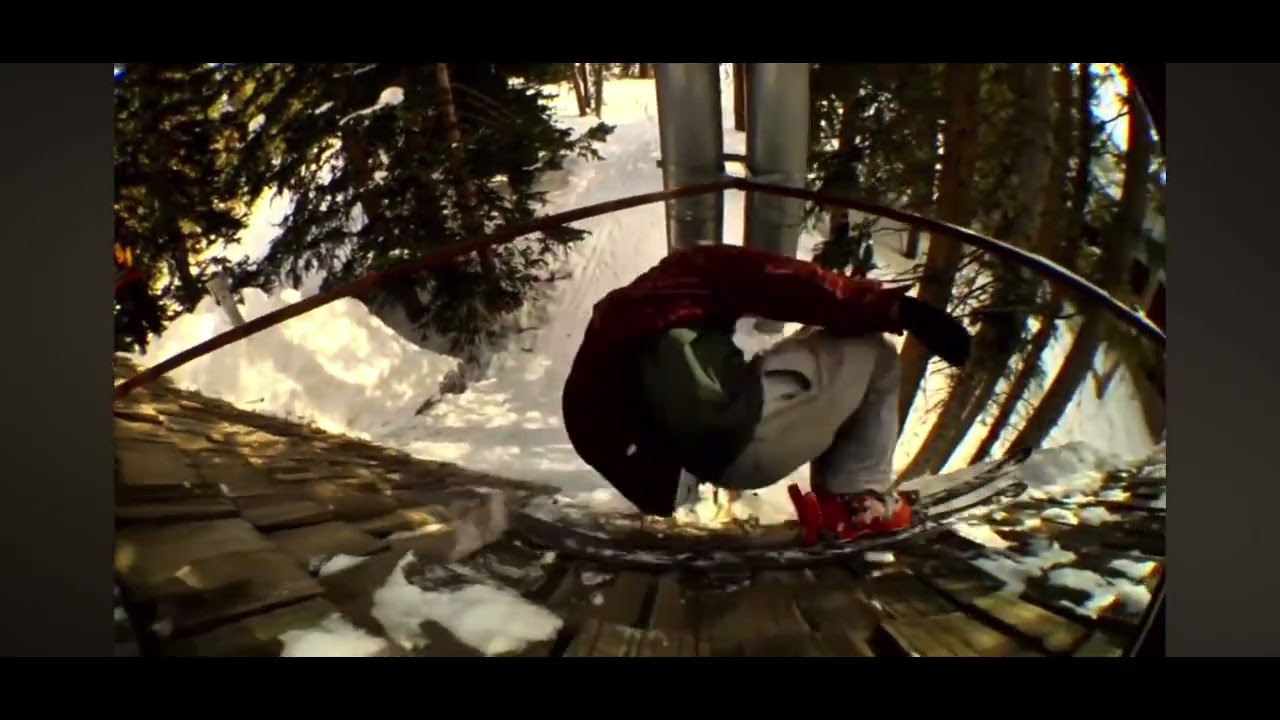
Bigler rides with a visibly “buttery” approach—weight shifts and nose presses used as transitions rather than add-ons. On rails, he favors centered slides and exits that keep speed, which means his combos rarely feel forced; there is room between the tricks for the next setup to breathe. On jumps, the signatures are clean grabs held through the arc and landings that avoid the wheelie-out. When he does step into street-style features, he tends to preserve the same economy of motion, choosing lock-ins and quick exits over big, spun-out recoveries. Viewers should watch for the way he sets his edges before takeoff: he commits early, stays stacked in the air, and leaves himself a margin to ride out with shoulders quiet. It’s the kind of skiing that reads well on camera without needing slow motion to make sense.
Resilience, filming, and influence
The through-line in Bigler’s public work is consistency. He shows up in local Swiss coverage as a Leysin park regular, then reappears in short films tied to Surface Skis and Swiss crews. That continuity matters in the current era, when sponsors often look for riders who can deliver season after season of watchable footage rather than isolated contest spikes. By leaning into crew culture and spring sessions, he has carved out a lane that resonates with fans who value style and repeatability over scorecards. The result is a type of influence that’s quiet but durable: he demonstrates lines that progressing skiers can actually try to replicate, and his edits make the craft of linking rails and jumps feel accessible without becoming predictable.
Geography that built the toolkit
Place explains a lot about Bigler’s development. Leysin gives long, sunny park days and a culture of crew laps, ideal for refining presses, surface swaps, and switch approaches in variable spring snow. A couple of valleys away, Gran Masta Park delivers dense feature layouts and jump lines that reward speed discipline; it is the natural incubator for the Buldoz Invitational energy that keeps Swiss park skiing in the conversation each spring. Those two hubs—one homey and repetition-rich, the other a magnet for creative course-building—are visible in the way he reads features and carries speed from rail sections into takeoffs. When his projects detour to neighboring regions, the baseline built in these parks travels with him.
Equipment and partners: practical takeaways
Riding with Surface Skis connects Bigler to a brand with deep park DNA and durable builds that suit frequent impact. For skiers who watch his clips and want similar feedback underfoot, the practical lesson is less about a specific model and more about category fit: look for a symmetrical or near-symmetrical park ski with reinforced edges and a mount point that keeps presses comfortable without sacrificing stability on takeoff. Flex should be lively enough for butters yet stout underfoot to survive urban-style impacts and repeated rail laps. Pair that with bindings set to release predictably when needed and park-tuned bases so speed stays consistent through late-day laps. None of this is flashy, but it mirrors the durable, repeatable foundation his skiing depends on.
Why fans and progressing skiers care
Bigler fits the profile of the emerging Swiss rider who is easiest to root for: a local park mainstay who brings crew energy to the camera and translates that rhythm into clean, thoughtful lines. If you follow freeski to find skiers whose progression you can track over a season of edits, his name belongs on your list. The value for progressing riders is equally clear—watch how he preserves speed between features, how the butters set up direction changes, and how grab timing stabilizes spins. That combination is teachable, repeatable, and satisfying to watch, which is exactly why his presence in Surface-linked projects and Swiss spring sessions keeps getting noticed.