Martyn Kingston
Park City, Utah, USA | Active: 2022-present | Focus: freeski slopestyle, big air, rail events | Current: Park City Ski & Snowboard athlete
Copper When The National Run Counted
Copper Mountain’s spring course held firm under April contest light, with rails scraped clean and jump landings polished by repeated finals traffic. Martyn Kingston dropped into the men’s freeski slopestyle field at the 2025 U.S. National Championships needing a full run, not a single standout hit. FIS listed the result on April 7, 2025: Kingston first, Aimo Mandelin second, Colin Harris third. For a skier born in 2007 and still early in his senior pathway, that win became the clearest public marker of progression. It gave his name a result beyond junior promise: a national slopestyle title at one of the main park venues in American freeskiing.
Park City Ski And Snowboard Foundation Base
Kingston is listed by FIS as a United States freestyle athlete with Park City Ski & Snowboard. That base matters because Park City and Woodward Park City give developing skiers regular access to rails, jumps, airbags, and competition-style park builds. His public record is still compact, but the pathway is clear: local series, FIS starts, national championships, Nor-Am Cup, and then World Cup exposure. Unlike athletes whose profiles are built around film crews or brand projects, Kingston’s current identity is competition-based. The available evidence points to slopestyle first, with big air and rail-event starts adding range rather than replacing the main lane.
Pick ’N Shovel Before The FIS Sheet
One early reference came at Park City Mountain Resort in March 2019, when the King of the Wasatch competition ran down Pick ’N Shovel. Park Record described heavy snowfall slowing the course and limiting acrobatic options, but the event still finished without cancellation or delay. In the skiing results, Luke Mallen won the boys Menehune category, Zeppelin Pilaro placed second, and Kingston took third. That podium does not carry the weight of a senior result, but it places him inside the Park City youth system before his FIS résumé began. It also gives useful context: he was already competing in slopestyle environments where weather, speed, and course management affected trick selection.
Mammoth First Win And Cardrona Podium
Kingston’s FIS results show a gradual climb rather than one sudden appearance. He entered FIS slopestyle events in 2022 at Copper Mountain, Park City, and Mammoth Mountain. In February 2023, he won a FIS freeski slopestyle event at Mammoth Mountain, a useful early sign that he could link rails and jumps cleanly enough to win a scored contest. Later that year, he traveled to Cardrona in New Zealand and placed third in an Australian New Zealand Cup slopestyle event on September 29, 2023. That result broadened the map. Cardrona’s park requires a different rhythm from Utah or Colorado: Southern Hemisphere snow, travel fatigue, unfamiliar speed, and a course shaped by a different build crew.
Copper 2025 Made The Jump Visible
The 2025 season gave Kingston his strongest verified result. Before the national title, he placed seventh in Nor-Am Cup slopestyle at Copper Mountain on January 15, 2025, in a field won by Bruce Oldham of Canada. His next months included Nor-Am starts at Aspen Highlands, Stoneham, WinSport Calgary, and Mammoth Mountain. Those venues are not interchangeable. Aspen and Mammoth tend to expose jump-line confidence, Stoneham can bring colder Canadian snow and different course speed, and WinSport puts athletes on a compact venue where rail sections can decide the run early. By April, Kingston returned to Copper and won the U.S. national slopestyle title with 80.00 points.
Rails, Speed, And Full-Run Control
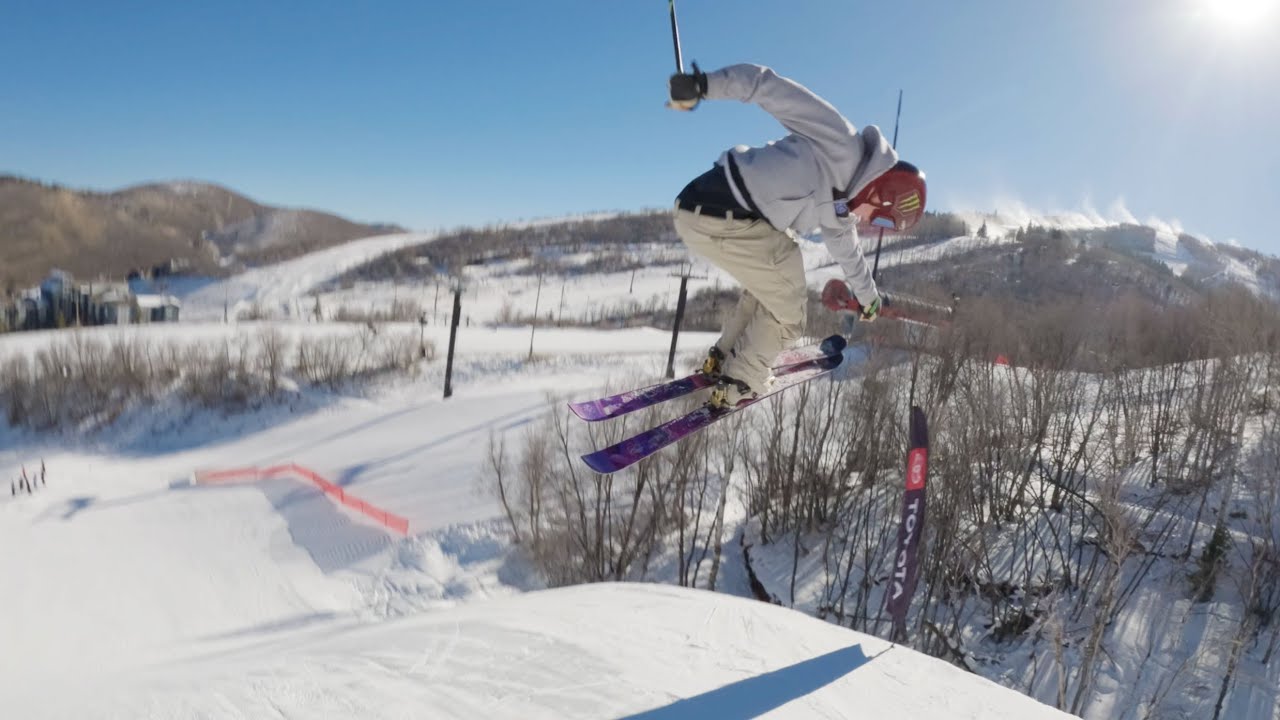
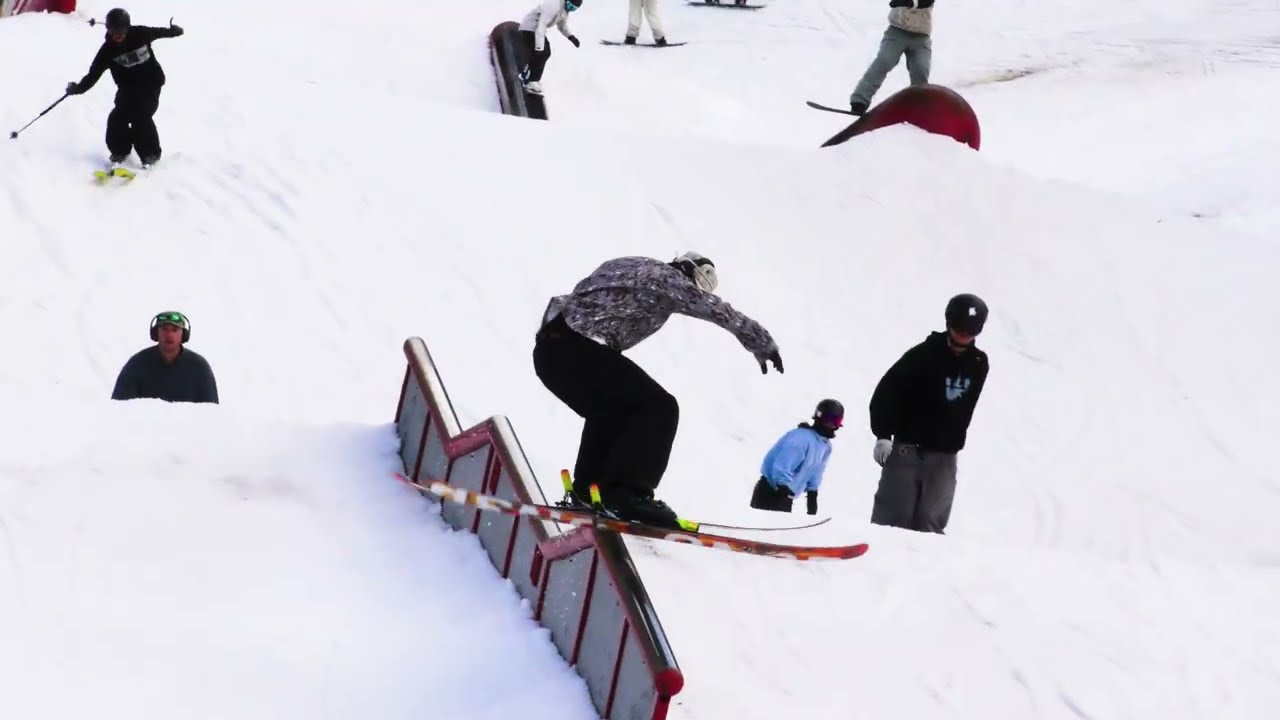
Because detailed trick-by-trick sheets are not published for most of Kingston’s FIS results, the safest technical reading comes from the events he is succeeding in. Slopestyle rewards rail approach, switch takeoff confidence, spin-axis control, grab timing, landing absorption, and speed management between features. A national championship run at Copper requires more than one hard trick. The skier must arrive on each rail with enough speed to lock the feature, leave cleanly, and still carry rhythm into the jump section. Kingston’s rail-event starts also show that he is not limited to conventional slopestyle scoring. FIS lists him in rail events at Copper in 2025 and Aspen/Buttermilk in 2026, which suggests the streetstyle side of competition is already part of his development.
Stoneham, Copper, And Aspen In One Winter
The 2026 results add the most current picture. In January 2026, Kingston placed third in a Nor-Am Cup slopestyle at Copper Mountain, behind Charlie Beatty and Mattheus Heslop. In February, he placed fifth in Nor-Am Cup slopestyle at Stoneham, Quebec, then continued to Aspen/Buttermilk in March. FIS lists him fourth in Nor-Am Cup Premium slopestyle at Aspen/Buttermilk on March 27, 2026, plus eighth in a Nor-Am Cup Premium rail event three days earlier. Those results matter because they show repeat scoring across a short calendar window. The profile is still emerging, but the pattern is stronger than one isolated national result: Copper podium, Stoneham top five, Aspen top five, and rail-event points in the same season.
SLVSH At Park City With Henry Townshend
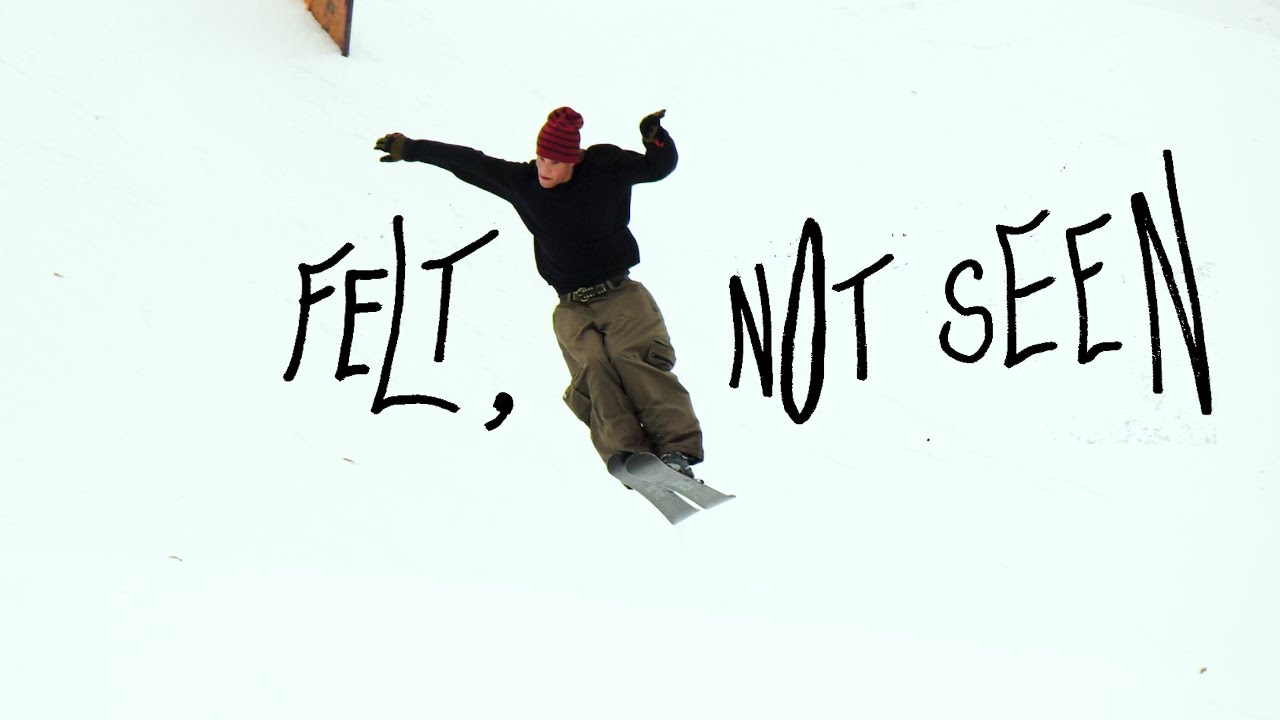
Kingston also appears in the park-video ecosystem through SLVSH. The matchup titled Henry Townshend vs. Martyn Kingston at Park City places him in a format based on trick calling, repetition, and direct comparison rather than formal judging. That matters for a young slopestyle skier because SLVSH exposes details contests can hide: whether a skier can repeat a trick on command, adjust speed quickly, and keep style intact under immediate pressure. Townshend is a useful reference point because he already has a stronger public profile, including U.S. national slopestyle success. Sharing that Park City game gives Kingston a visible technical checkpoint outside the FIS results table.
The Next Results Will Define The Ceiling
Kingston’s current status is active, not historical. FIS lists 2026 starts at Stoneham, Copper, Aspen/Buttermilk, Mammoth Mountain, and Whistler Blackcomb, with his best recent results coming in slopestyle and rail formats. The short-term markers are concrete: more Nor-Am podiums, stronger World Cup qualification results, and cleaner conversion from rail-event skill into full slopestyle finals. The national title at Copper already gives him one verified anchor. The next stage is whether those runs travel into deeper international fields without losing the rail precision and speed control that built the result.