Overview and significance
Utah is a global reference for lift-accessed powder and high-output freeskiing. The Wasatch Range above Salt Lake City concentrates marquee resorts—Snowbird, Alta, Solitude, Brighton, and the Park City duo of Park City Mountain and Deer Valley—while the Ogden corridor adds Snowbasin and Powder Mountain, and Southern Utah contributes high-elevation laps at Brian Head. The region’s deep, frequent storms and efficient lift networks turn days into repetitions, and the events pedigree is proven: the 2002 Winter Olympics centered many alpine and freestyle competitions here, and Utah hosted the 2019 FIS Snowboard, Freestyle & Freeski World Championships across Park City, Deer Valley, and Solitude. Add a year-round training hub at Woodward Park City, plus a modern safety and transit framework, and Utah becomes the rare destination where a one-week trip can feel like a full season of progress.
For freeskiers, the appeal is threefold: storm-day tree laps with fast reloads, bowl-and-ridge terrain that skis “big” between weather pulses, and credible park/pipe options that scale from first rails to pro features. The proximity to a major airport makes the whole system unusually efficient: breakfast in the valley, first tram at 11,000 ft, and a dozen clean attempts before lunch is normal here.
Terrain, snow, and seasons
Utah skis on contrast and continuity. Little Cottonwood Canyon (Alta/Snowbird) delivers steep, sustained bowls, ribs, and gullies with classic traverses that unlock side panels when patrol drops the ropes. Big Cottonwood Canyon (Brighton/Solitude) rides slightly mellower on average but stacks playful trees, natural features, and hidden benches that keep definition in flat light. Park City’s expanse spans wide groomers, long fall lines, and park lanes that reward speed control and repetition; Deer Valley layers race-bred grooming with moguls and event venues. North of the city, Snowbasin’s speed-event scale (long, direct pitches and tram/gondola access) contrasts with Powder Mountain’s huge footprint and low lift density, a set-up that favors creative route finding over lap counts.
Storms arrive off the Pacific and reload frequently mid-winter, with the Wasatch topography boosting snowfall as systems rise and cool. The snow itself trends supportive and shapeable during active weather, then sets into wind-buffed chalk on leeward faces after skies clear—ideal for building and re-building takeoffs. Mid-January through late February is the prime window for cold, repeatable surfaces and preserved lips; March adds bluebird spells, photogenic panels, and aspect-driven softening for forgiving landings. Spring sticks around higher up: upper lifts at Snowbird often run deep into May when coverage and operations allow, while shaded north aspects across the range retain wintry texture well into April.
Park infrastructure and events
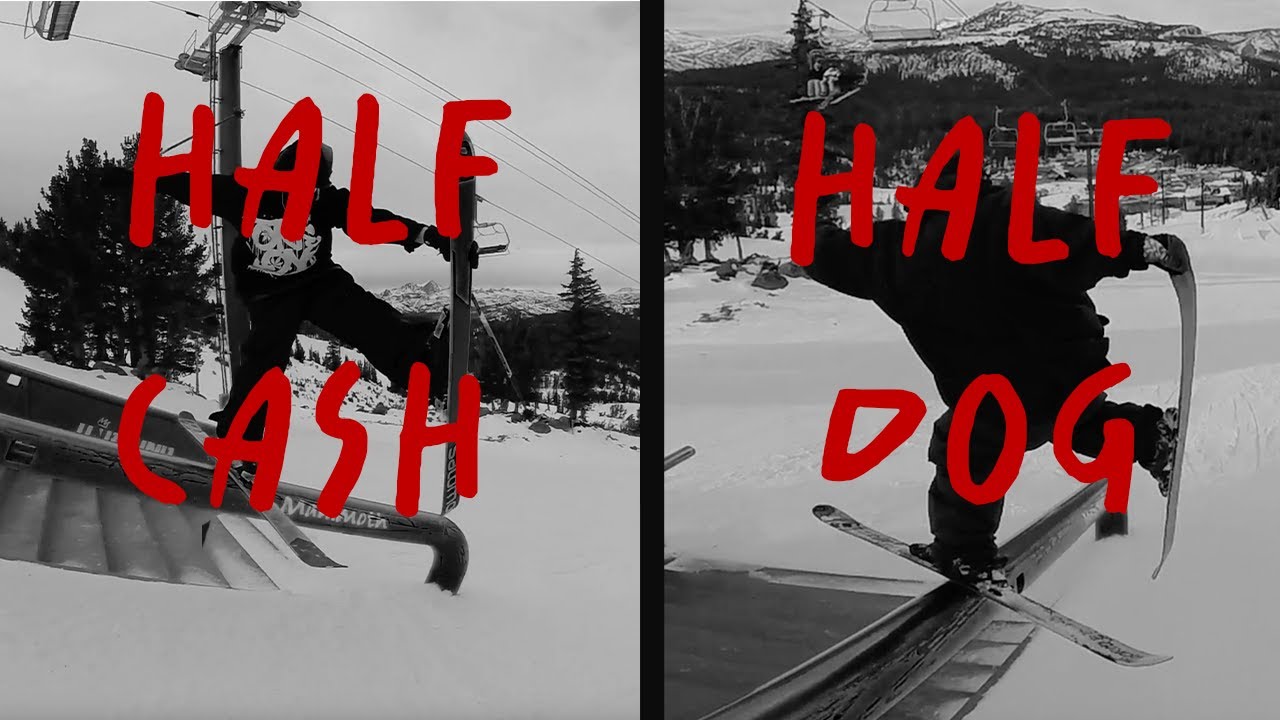
Utah’s park and pipe ecosystem is wide and pragmatic. Park City Mountain has long run one of the state’s deepest terrain-park programs, with multiple zones from beginner to advanced and recurring slopestyle/pipe builds in peak years. Brighton’s jib culture anchors a rail-heavy progression scene that stays productive on cold nights, while Solitude maintains small-to-medium features designed for timing and board/edge control before you step to natural takeoffs. Woodward Park City stitches everything together with a winter on-snow park, tow-rope laps, and an indoor training facility for airbags, trampolines, and wheels—useful for year-round timing and air awareness.
Event credibility is baked in. Deer Valley hosts annual FIS Freestyle World Cup moguls and aerials under lights each January, a broadcast-grade confirmation of snowmaking, grooming, and venue craft. Solitude and Park City Mountain have staged World Cup and World Championships park & pipe and snowboard events in recent seasons, and resort calendars across the Wasatch carry IFSA freeride qualifiers from junior through multi-star tiers, with Snowbird’s north-facing venues a recurring test of line choice and control. For everyday skiers, this means predictable jump speed in the heart of winter, cleaned-up landings around event prep, and park lines that evolve without losing cadence.
Access, logistics, and on-mountain flow
Salt Lake City International (SLC) is the gateway, with Little and Big Cottonwood canyons 30–60 minutes from baggage claim in normal conditions. On storm or peak days, treat road status as part of the plan: traction restrictions and canyon closures are posted on the Utah DOT Cottonwood Canyons hub (UDOT Cottonwoods). If you prefer to go car-free, UTA Ski Bus routes run to both canyons in winter from TRAX light-rail connections (UTA Ski Service), and several resorts operate in-valley shuttles to reduce parking stress. In Park City, lodging on the transit line or near the base keeps you mobile without moving the car; in Ogden, Snowbasin and Powder Mountain publish clear driving and shuttle guidance.
Flow the day by visibility and wind. In active weather, default to Big Cottonwood’s trees and benches or Park City’s lower pods for definition; as ceilings lift, step to ridge traverses and bowl entrances where chalk and drifted panels ski best. Use tram and high-speed lifts to build two- or three-feature circuits that tune speed before dropping full lines, and reset legs with long groomers when conditions shift. When the Wasatch runs on spring diurnal cycles, ride cold, shaded aspects early, then move to solar slopes for corn before noon; finish on north-facing ribs and park lines as temperatures moderate.
Local culture, safety, and etiquette
This is avalanche country in and out of bounds. Inside the ropes, staged openings and rope lines exist for a reason; respect them, especially on corniced ridges and cliff-banded bowls. In Little Cottonwood, be aware of Interlodge—mandatory indoor shelter during active control or extreme hazard days. If you plan to tour or step into sidecountry, start with the morning forecast from the Utah Avalanche Center, travel with beacon, shovel, and probe, and ski with partners who know companion rescue. Many resorts post uphill-travel policies and gate protocols; read them before you go, and remember that an exit gate is not a guarantee of safe conditions beyond.
On the road, check canyon restrictions before you roll, carry chains or proper winter tires when required, and build buffer time around peak traffic on powder mornings. In the park, ride SMART: inspect first, call your drop, hold a predictable line, and clear landings and knuckles immediately. Give shapers and patrol room to work—fast touch-ups are why speed stays honest. Around teaching zones and traverses, keep speed checks conservative; Utah’s mix of terrain funnels beginners and experts onto the same arterials more than you might expect.
Best time to go and how to plan
For storm consistency and durable takeoffs, aim mid-January through late February. You’ll trade some blue windows for frequent resets, crisp morning lips, and supportive chalk between storms. March blends sunny spells with aspect-driven softening and excellent filming light, while late spring brings novelty: upper-mountain Snowbird laps into May when operations allow, north-facing powder surprises after cold snaps, and predictable corn cycles by aspect. If you’re weaving a multi-base itinerary, stitch days by corridor to minimize driving: a Little/Big Cottonwood block for steep bowls and tree laps, a Park City block for groomers and parks with Woodward sessions, and an Ogden block for Snowbasin’s long pitches plus Powder Mountain’s roam-and-discover feel. Southern crews can hedge with Brian Head when northern storms turn to warm rain at valley level.
Day to day, keep a simple checklist: road status, resort ops page, avalanche forecast, and a weather read on wind and temperatures. Start on smaller park features to calibrate speed, step to bigger lines as lips set, and pick aspects by light. Build two anchor runs—one groomer, one tool-free side hit circuit—so your crew stays synced if visibility flips. If you’re filming, use crisp mornings for speed-dependent tricks, then pivot to chalky ribs and trees for mid-day angles before finishing on spring park laps.
Why freeskiers care
Because Utah turns proximity, snowfall, and craft into momentum. You can ride deep storms and fast reloads in the Cottonwoods, reset with long Park City groomers and structured park lines, push line choice at Snowbird and Snowbasin, and do it all on a transit and safety framework that makes good decisions easier. Add a year-round training option at Woodward Park City, an event calendar that spans freestyle World Cups to freeride qualifiers, and a late-season that often stretches well past the equinox, and you get a destination where learning faster and filming cleaner is the norm—not the exception.