Profile and significance
Tanner Hall—universally known as the “Ski Boss”—is one of freeskiing’s defining figures. Raised in Montana and forged in Utah park culture, he turned the early-2000s twin-tip revolution into a permanent shift in how slopestyle, big air, halfpipe and backcountry segments are skied and filmed. Hall’s competitive résumé is unmatched in its era: 11 Winter X Games medals with golds across superpipe, slopestyle and big air, a haul celebrated even by his longtime ski partner Armada. He co-founded Armada Skis in 2002 alongside JP Auclair and a core crew, codifying the rider-run brand model that many teams still emulate. After his early contest peak, he extended his reach with influential movie parts and later brought his power and feel to freeride venues, taking a podium in Japan while competing on the Freeride World Tour.
Hall’s significance goes beyond medals. He helped define park and pipe amplitude, he changed what counted as “clean” style in urban/street skiing and backcountry, and he became an archetype for longevity: comebacks from devastating injuries, followed by a second act of heavy edits and freeride results. For skiers who judge by both scoreboards and film parts, Hall is a cornerstone reference.
Competitive arc and key venues
Hall’s rise runs from Montana to Utah to Aspen. He learned to ski at Whitefish Mountain Resort, moved in his mid-teens to Park City for structured training and then began collecting major results while progressing tricks that read clearly at speed. His early X Games wins in big air and slopestyle set the pace; the superpipe three-peat era established his signature amplitude. Aspen’s Snowmass and Buttermilk venues became recurring theaters for those runs. After injuries reset the trajectory, he rebuilt through filming blocks and selective contests, then stepped into big-mountain inspection with the Freeride World Tour, where he earned second place at Hakuba in 2019 and later returned on a 2023 event wildcard.
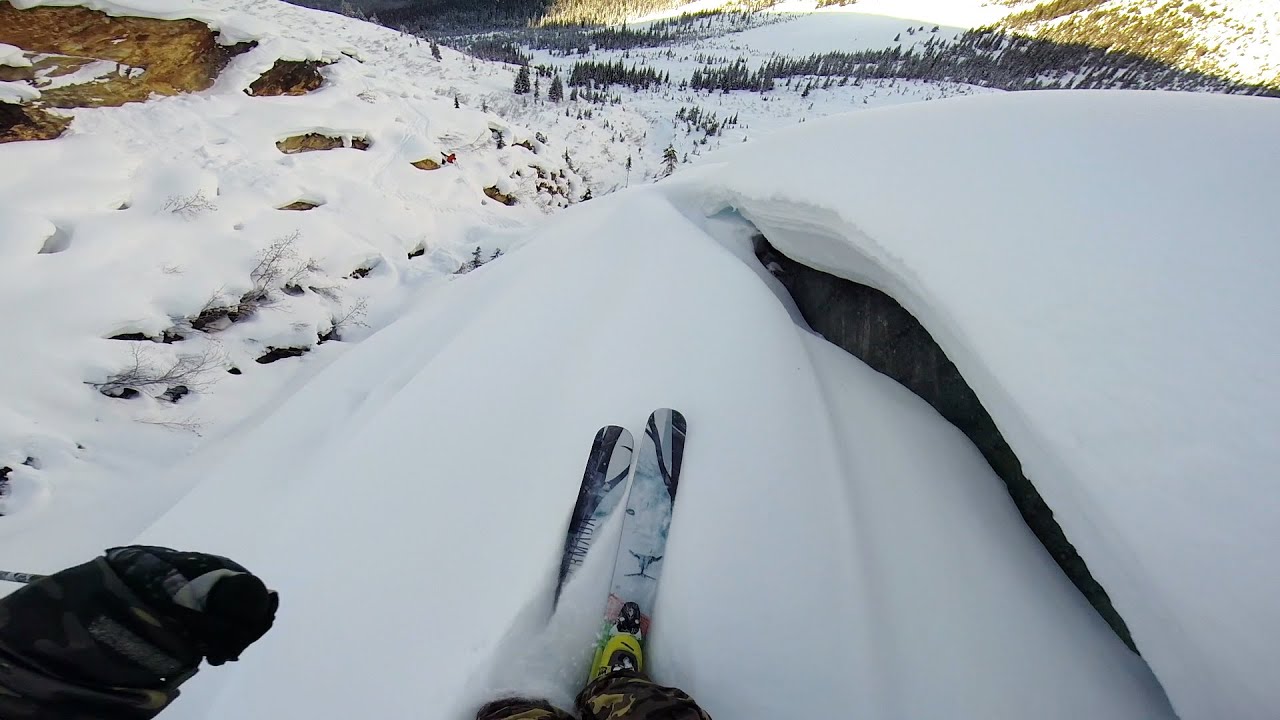
Two places explain the durability of his career. Park City Mountain gave him long seasons, world-class halfpipe shaping and the repetition to make amplitude look easy. In British Columbia, Hall invested time and energy around Retallack, where storm snow and sustained pitches turned his pop and edge control into stacked backcountry lines. The mix—contest-shaped parks and authentic powder terrain—lets his skiing translate everywhere from a floodlit pipe to glaciated pillows.
How they ski: what to watch for
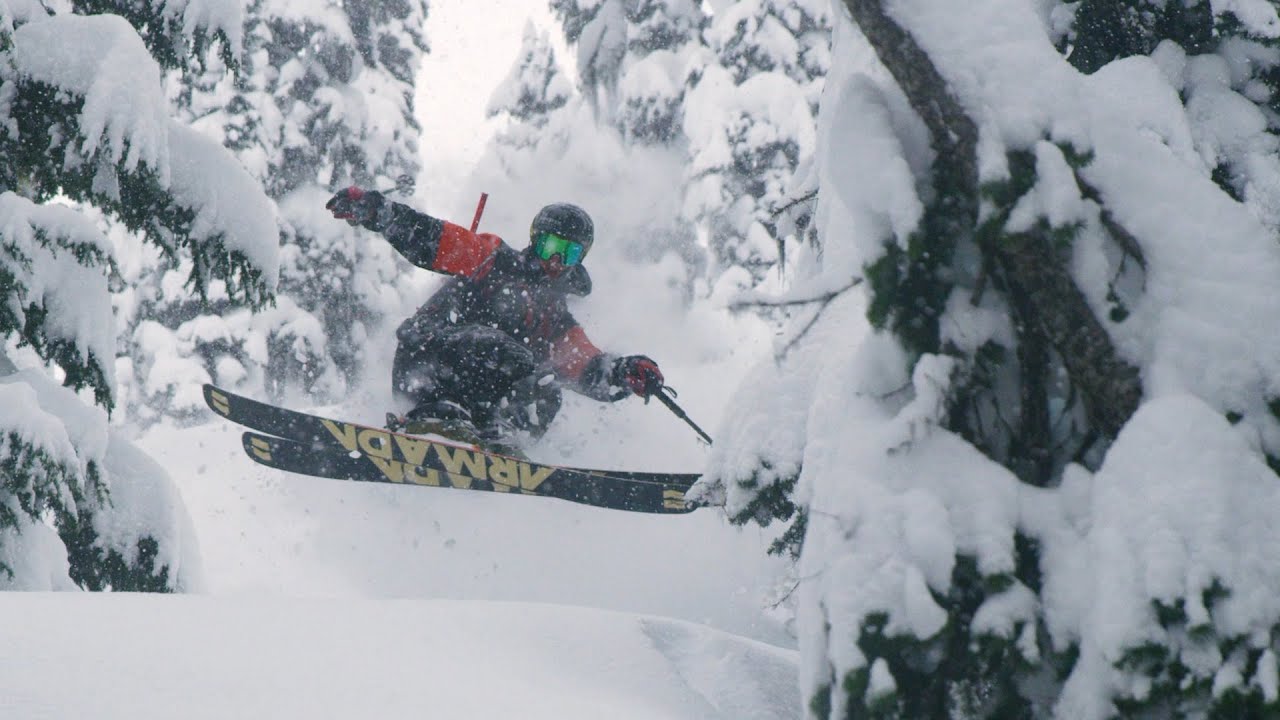
Hall’s style is built on timing, power and definition. Into takeoffs he stays tall, sets late and locks grabs early enough that the axis reads from the lip. In superpipe, watch the way he organizes his edges and hips before the wall—he loads the ski so the release is explosive rather than frantic, which is why his height out of the pipe has long been a benchmark. On rails and in street, he favors square entries and presses held just long enough to be unambiguous, with swaps that look inevitable rather than improvised. In backcountry, he carries the same discipline into natural features: ankles and hips start the butter, shoulders stay quiet, and landings arrive stacked over the feet.
The common thread is clarity. You can slow a Hall clip and still read the idea: patient pop, honest grab definition, centered landings. That legibility is part of why his runs aged well and why his segments—park, street or powder—became study material for a generation.
Resilience, filming, and influence
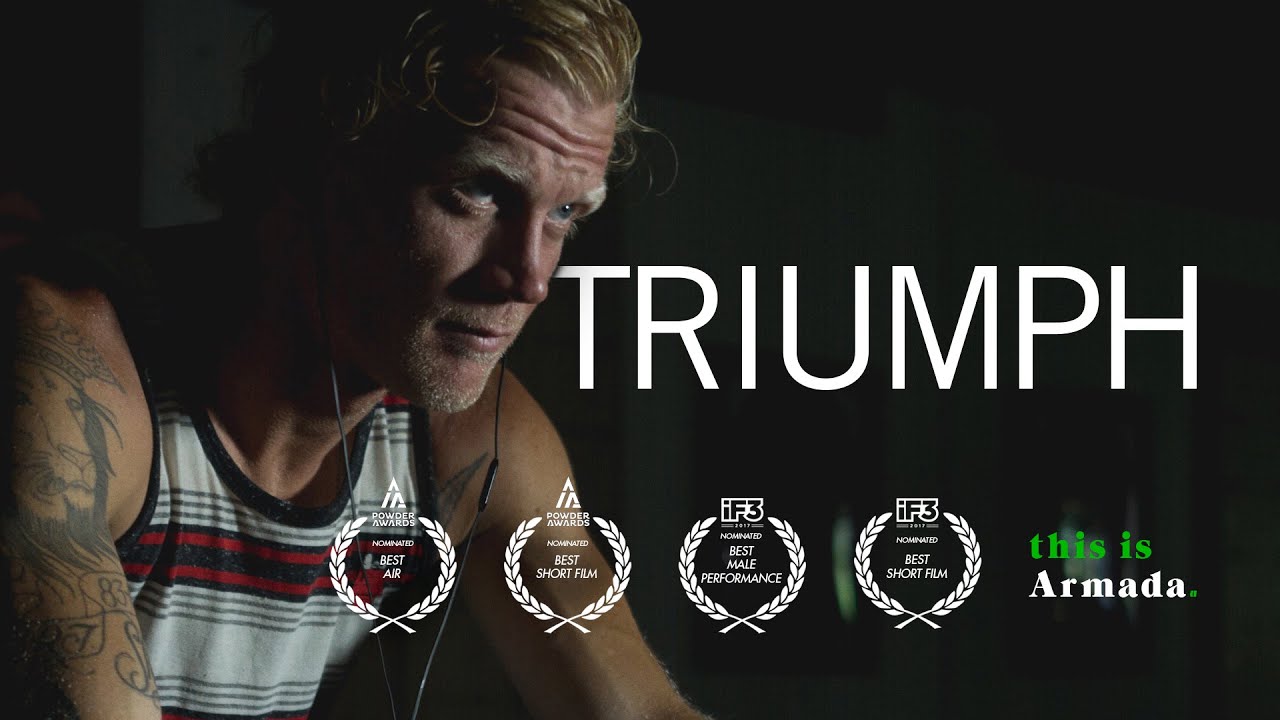
Hall’s resilience is central to his legend. In 2005 he famously shattered both ankles overshooting Chad’s Gap in Utah; in 2009 a filming crash in Washington destroyed both knees. He rebuilt twice, returning to X Games podium contention and then retooling his career around heavy parts and freeride competition. Through it all he kept filming: Poor Boyz Productions classics, the Inspired era he launched with Eric Iberg, and a steady stream of late-career projects that proved power and style survive long after most pros retire. When X Games took freeskiing to video with Real Ski, Hall’s entries and later Real Ski 2021 appearance showed how his approach meshes with modern, edit-first formats.
Influence also flows through equipment culture. As a founder of Armada, he helped shift the center of gravity toward athlete-led design and storytelling. That brand’s presence in parks, urban parts and powder edits—along with projects honoring JP Auclair—kept Hall’s technical choices and aesthetic priorities visible for young riders learning the craft.
Geography that built the toolkit
Place explains the method. Whitefish Mountain Resort gave Hall his first laps and an all-terrain foundation. Park City provided length of season, high-caliber halfpipe construction and contest-ready slopestyle lines—the training ground for his medal years. Aspen’s Snowmass/Buttermilk complex hosted many of the runs that cemented his X Games legacy. North of the border, Retallack brought sustained fall-line snow and real-world decision-making, producing backcountry parts that matched the authority of his park clips. Thread those venues together and you see why his skiing reads the same whether the stage is a perfect pipe wall or a wind-affected pillow stack.
Later, freeride stops from Japan to the Rockies gave Hall new canvases, but the fingerprints remained consistent: measured speed, stacked landings, and choices that keep flow intact for what comes next.
Equipment and partners: practical takeaways
Hall’s name is inseparable from Armada Skis. Over two decades he’s ridden and influenced platforms that span park icons to deep-snow shapes—tools chosen to pop predictably, press cleanly and stay stable at his trademark amplitudes. For skiers trying to borrow the feel, the hardware lesson is principle-based. A true twin with a balanced, medium-stiff flex will let you load the lip without folding and still hold presses on steel. A light detune at the contact points reduces rail bite while preserving trustworthy grip for pipe walls and jump takeoffs. A near-center mount keeps switch landings neutral and presses level. Binding ramp that’s too aggressive pushes you into the backseat; aim to stack hips over feet so you can release power on demand instead of rescuing landings.
Equally important is process. Film the lap, compare shoulder alignment and hip-to-ankle stack against a short checklist, and repeat until patient pop and early grab definition become automatic. That workflow—visible across his edits and Real Ski entry—is the part any motivated skier can copy.
Why fans and progressing skiers care
Fans care about Tanner Hall because he merged progression with clarity and then proved it lasts. The medals at Aspen, the segments from Park City to British Columbia, the later freeride results in Hakuba—each chapter shows the same readable language: calm into the lip, explosive but organized release, and landings that keep the line moving. Progressing riders care because those choices scale to ordinary parks and real snowpacks. You don’t need a contest bib to apply the blueprint—just patience at the takeoff, early grab definition, square exits from rails and stacked landings that set up the next hit. Two decades after he helped design the culture around athlete-led brands and film-driven skiing, the Ski Boss remains a living checklist for how modern freeskiing should look and feel.