Stomp It Tutorials
YouTube ski education platform | Founded around Jens Nyström | Known for: ski tutorials, carving drills, freestyle progression, Stomp It Camps, online coaching | Focus: helping skiers progress safely from piste technique to park and freeride skills
Profile And Significance
Stomp It Tutorials is one of the most recognizable ski education channels built around modern video coaching. Led on camera by Jens Nyström, a freestyle coach and fully certified BASI Level 4 ISTD ski instructor, the project teaches skiers how to move from basic parallel turns toward carving, bumps, freestyle tricks, switch skiing, side hits, jumps, rails, and freeride skills.
The channel’s strength is its clear progression system. Instead of presenting advanced skiing as something mysterious or talent-based, Stomp It breaks movements into visible steps: stance, edging, pressure control, balance, timing, speed management, spotting, pop, landing mechanics, and tactical line choice. That makes the content useful for adult learners, intermediate skiers, park-curious riders, and experienced skiers trying to clean up specific technical weaknesses.
From YouTube Lessons To On-Snow Camps
Stomp It Tutorials is not a competition team or athlete profile. Its story is built around ski education at scale. The YouTube channel gives free access to short and long-form tutorials, while Stomp It Camps turns those progressions into real coaching weeks on snow. The camps focus on ski technique, freestyle, freeride, carving, and airbag training, giving skiers a structured way to test what they have watched online.
The project’s main training environments include high-alpine European venues such as Hintertux, Zermatt, and Bangerpark. Those locations suit the Stomp It method because they offer repeatable terrain: long groomers for carving drills, glacier parks for freestyle progression, airbag sessions for safer jump learning, and snow conditions that allow skiers to repeat movements until the skill becomes automatic.
How The Tutorials Teach Skiing
Most Stomp It videos are built around cause and effect. A skier is shown making a mistake, the problem is isolated, and then a drill is introduced to correct it. The coaching often focuses on outside ski pressure, edge angle, rotational separation, shin engagement, upper-body discipline, turn shape, balance over the feet, and smoother transitions between turns.
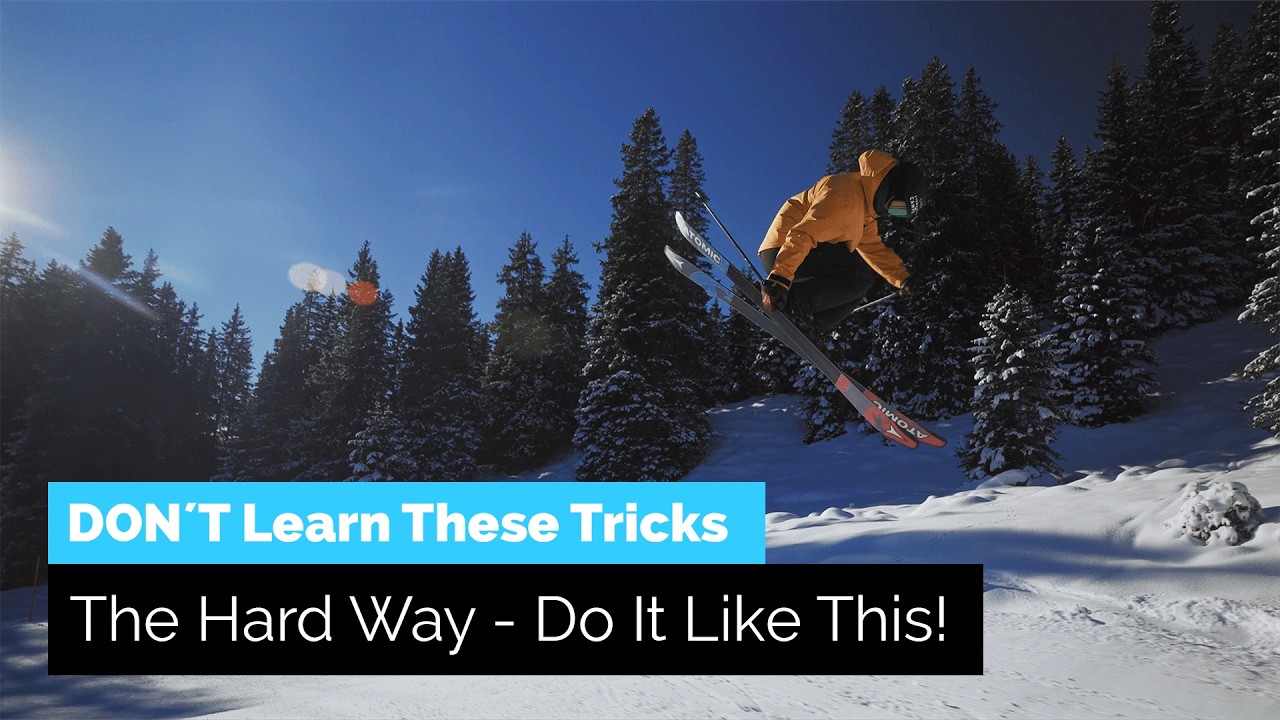
That technical base also supports the freestyle content. Before a skier learns spins, grabs, jumps, or rails, Stomp It usually brings the lesson back to approach speed, flat skis on takeoff, stable pop, clear spotting, compact body position, and controlled landings. The result is a bridge between piste technique and freeski movement, which is why the channel appeals to both conventional skiers and riders interested in park progression.
Freestyle Progression Without Skipping Steps
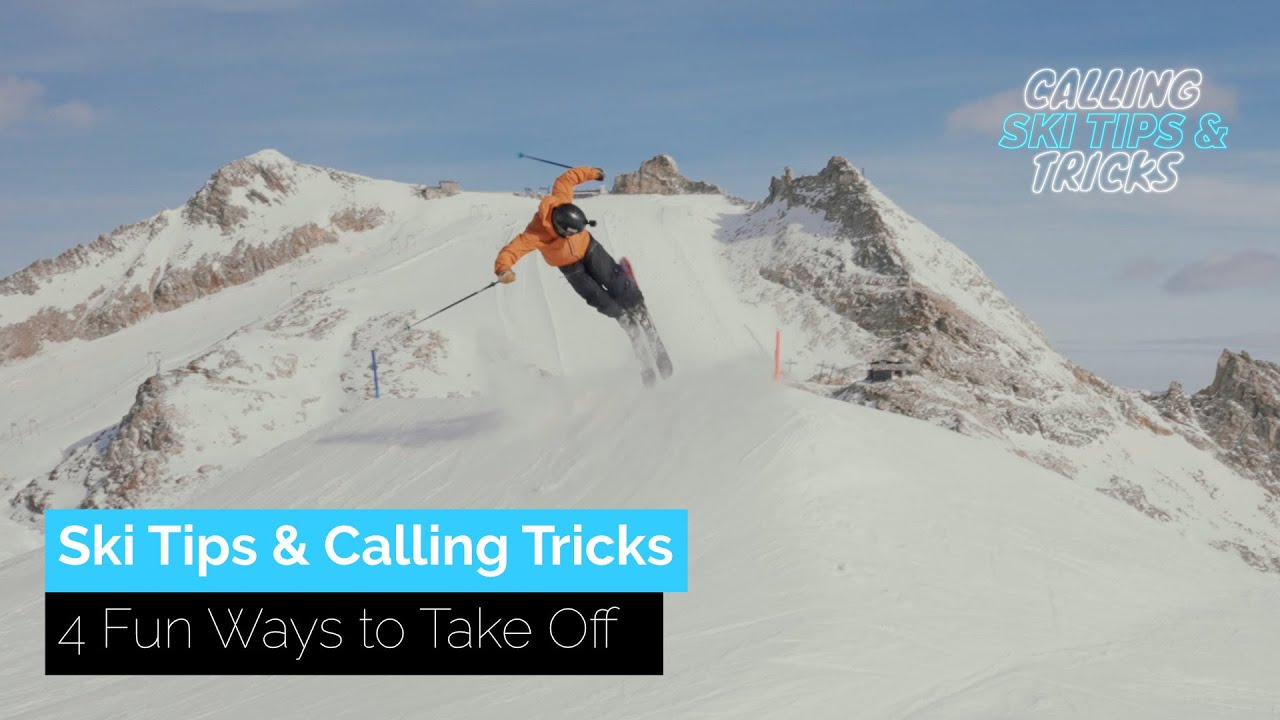
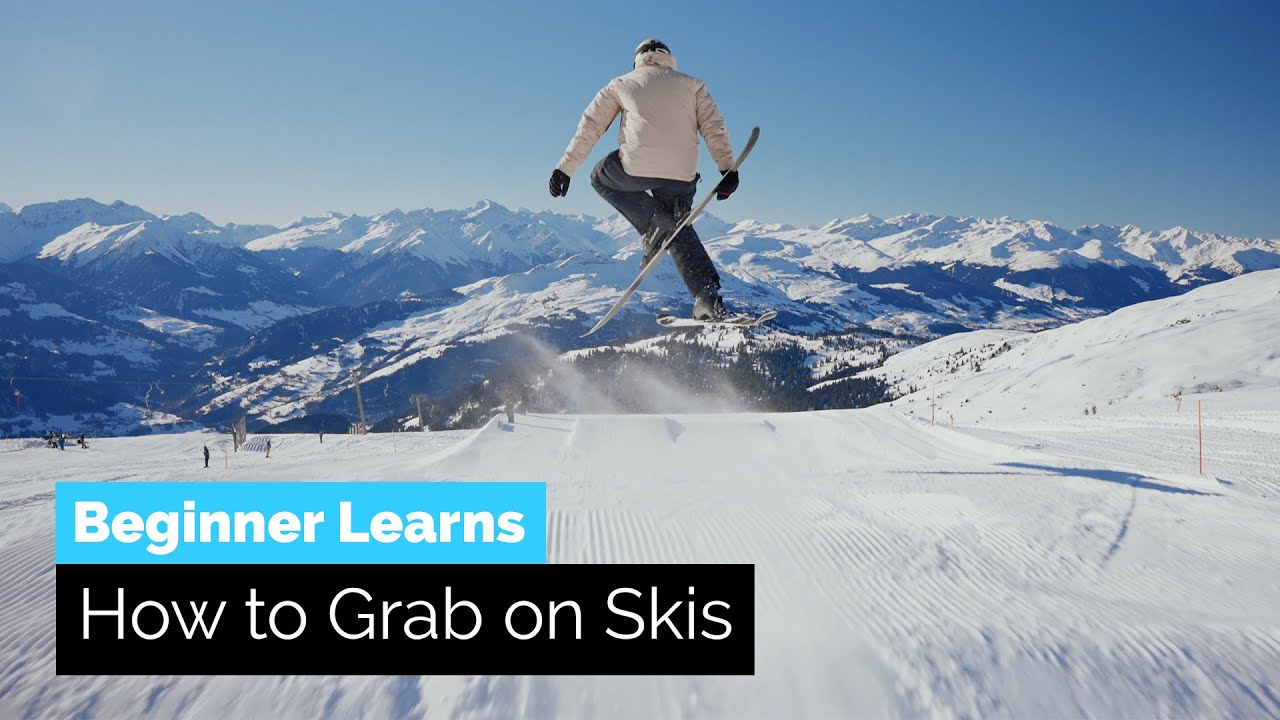
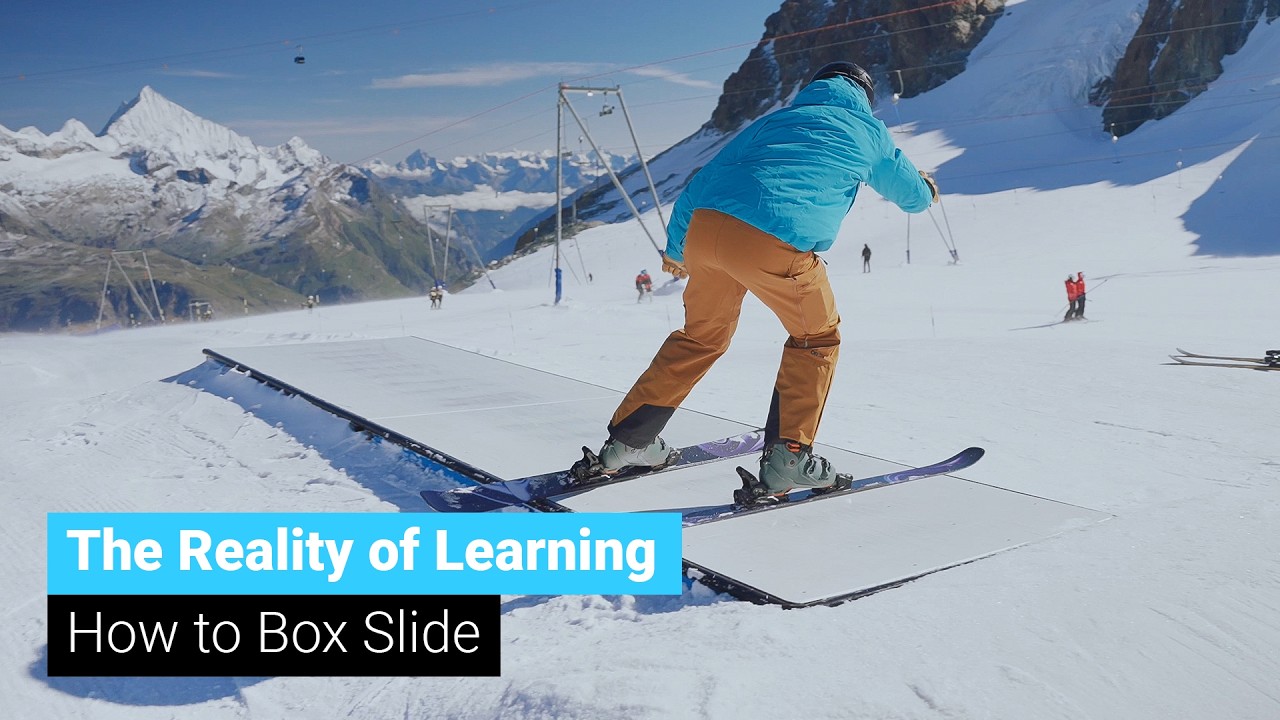
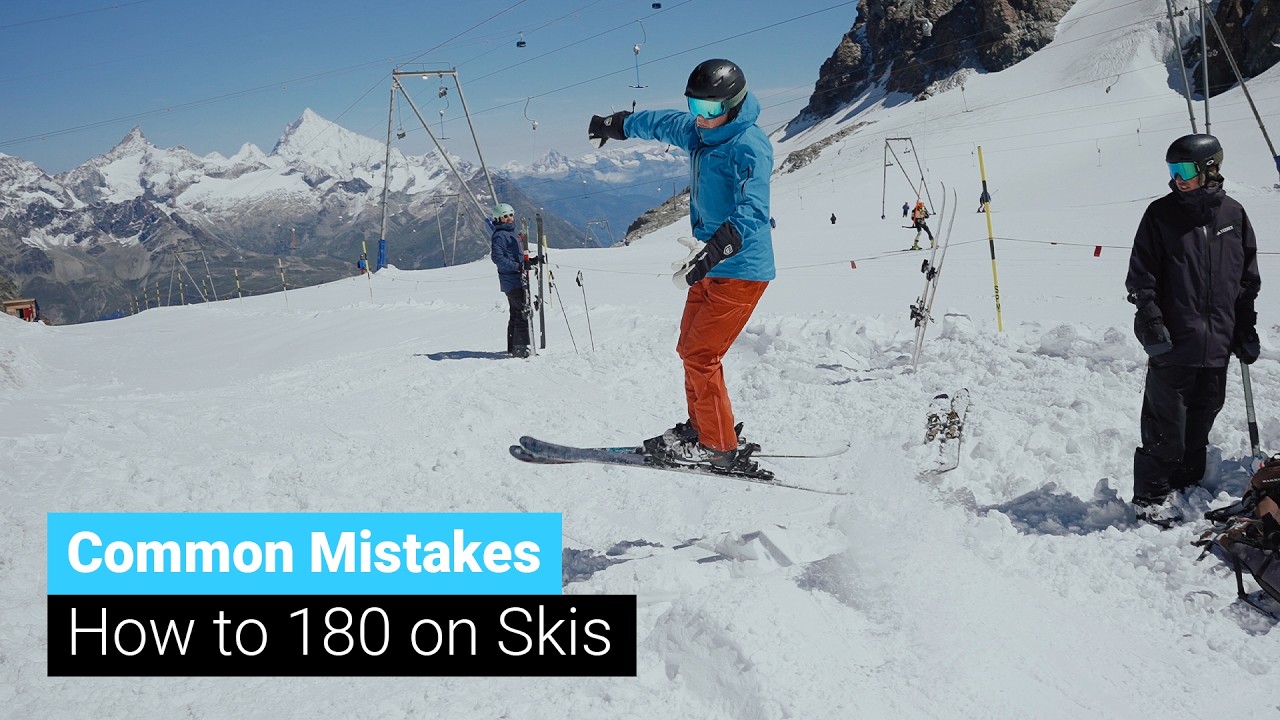
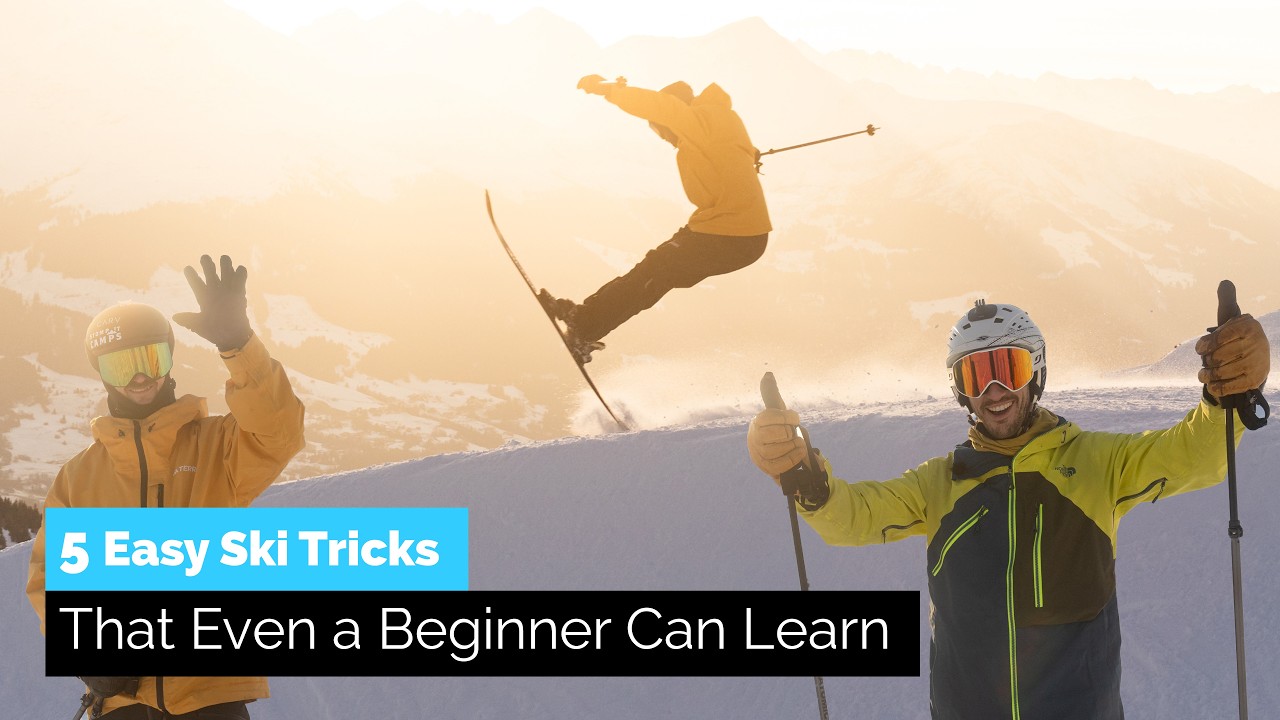
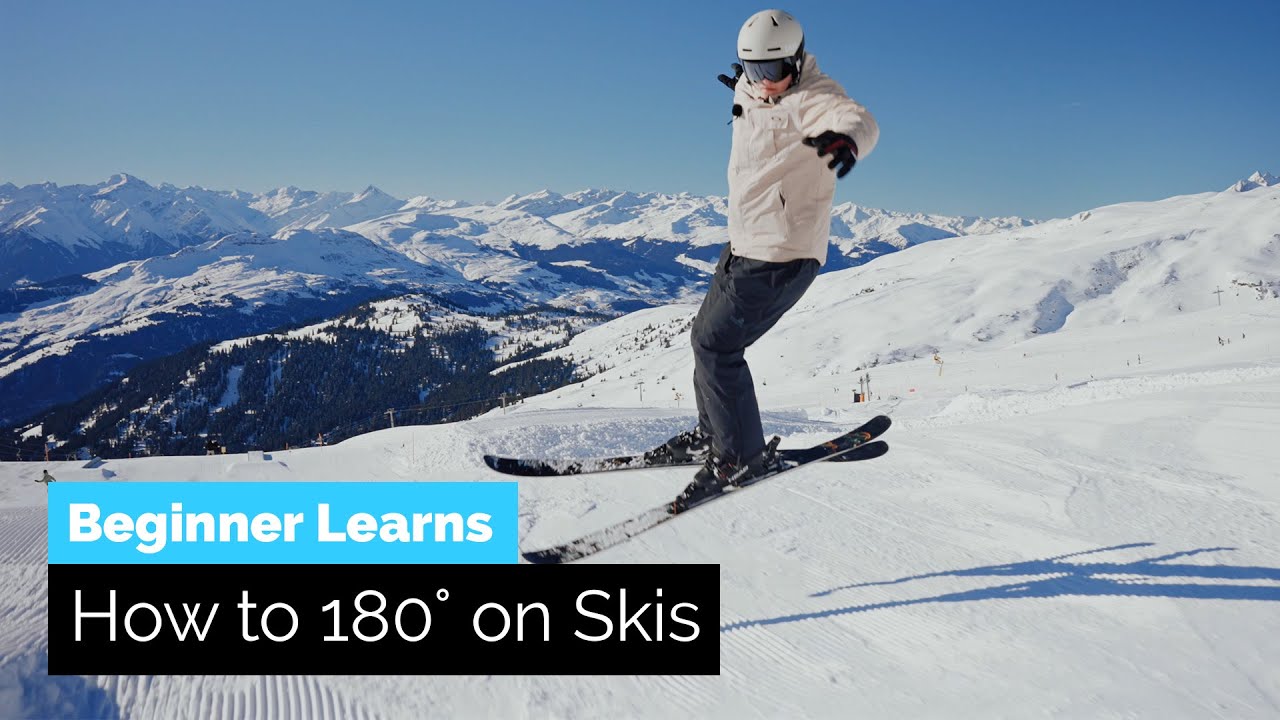
In the freestyle side of Stomp It Tutorials, the learning path usually starts small. Flatland tricks, side hits, skiing switch, 180s, 360s, basic grabs, boxes, rails, and small jumps are treated as skills that can be built through repetition rather than guessed through trial and error. The channel often emphasizes that good freestyle skiing begins before the feature, with speed choice, body position, confidence, and commitment.
This is where Stomp It connects directly to freeski culture. Slopestyle, big air, and street skiing can look distant from everyday resort skiing, but the foundation is the same: balance, pressure, takeoff control, landing control, and the ability to read terrain. By teaching those basics clearly, the channel lowers the barrier for skiers who want to enter the park without copying tricks blindly.
Carving, Bumps, Freeride, And All-Mountain Control
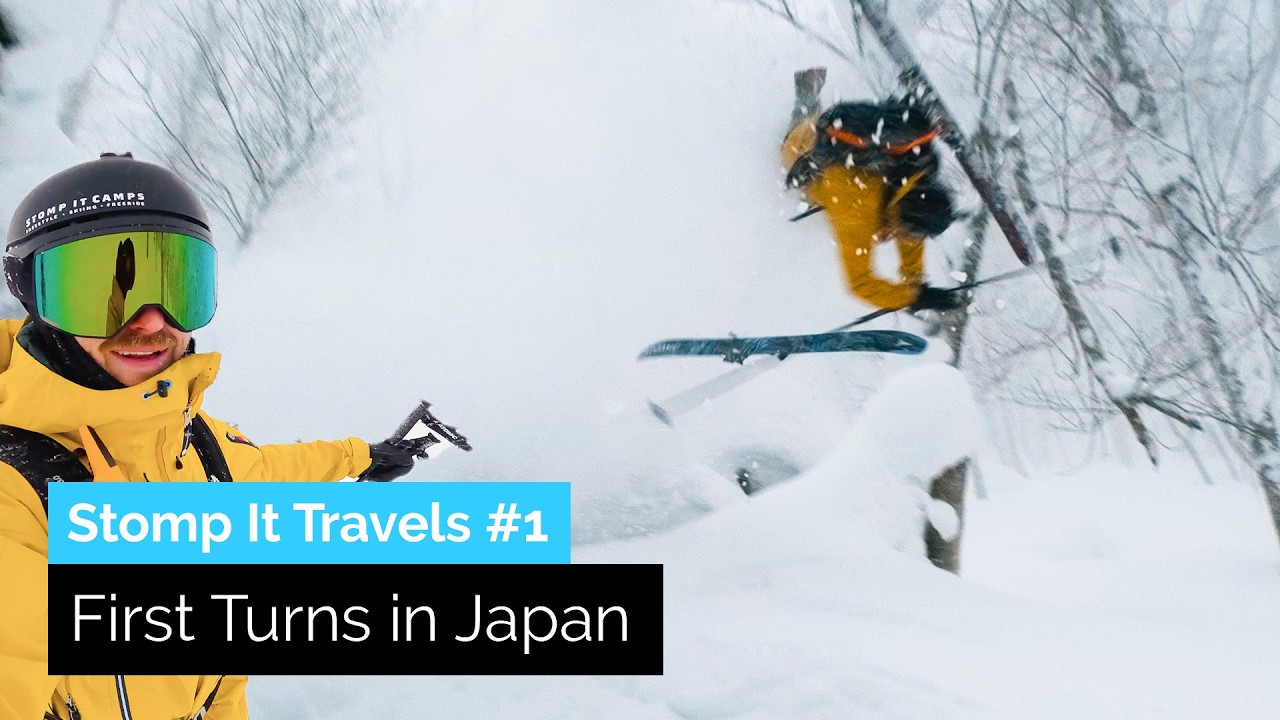
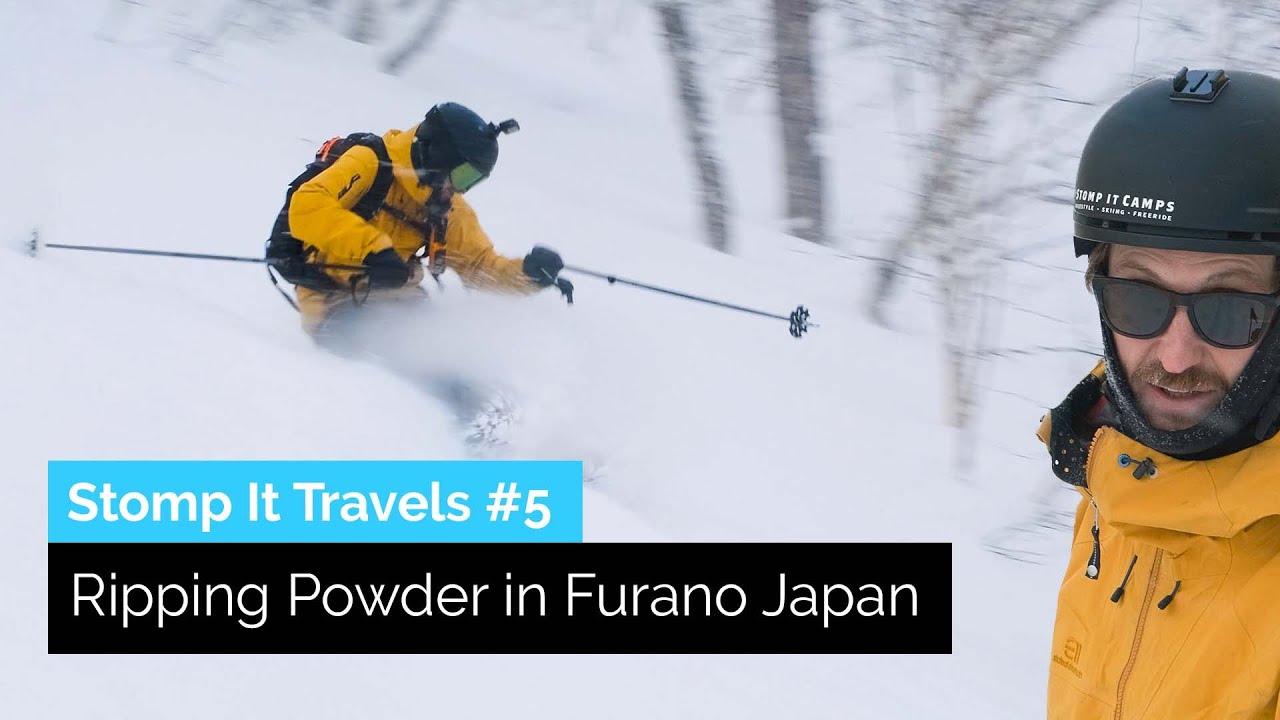
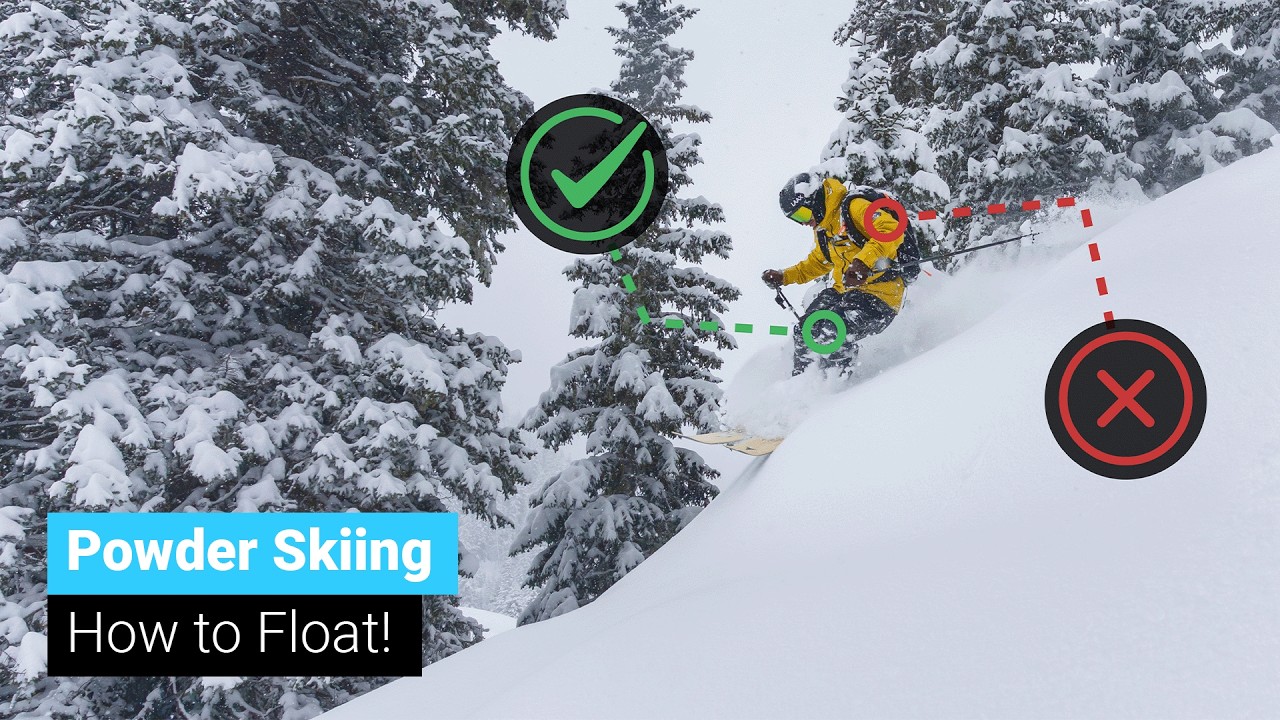
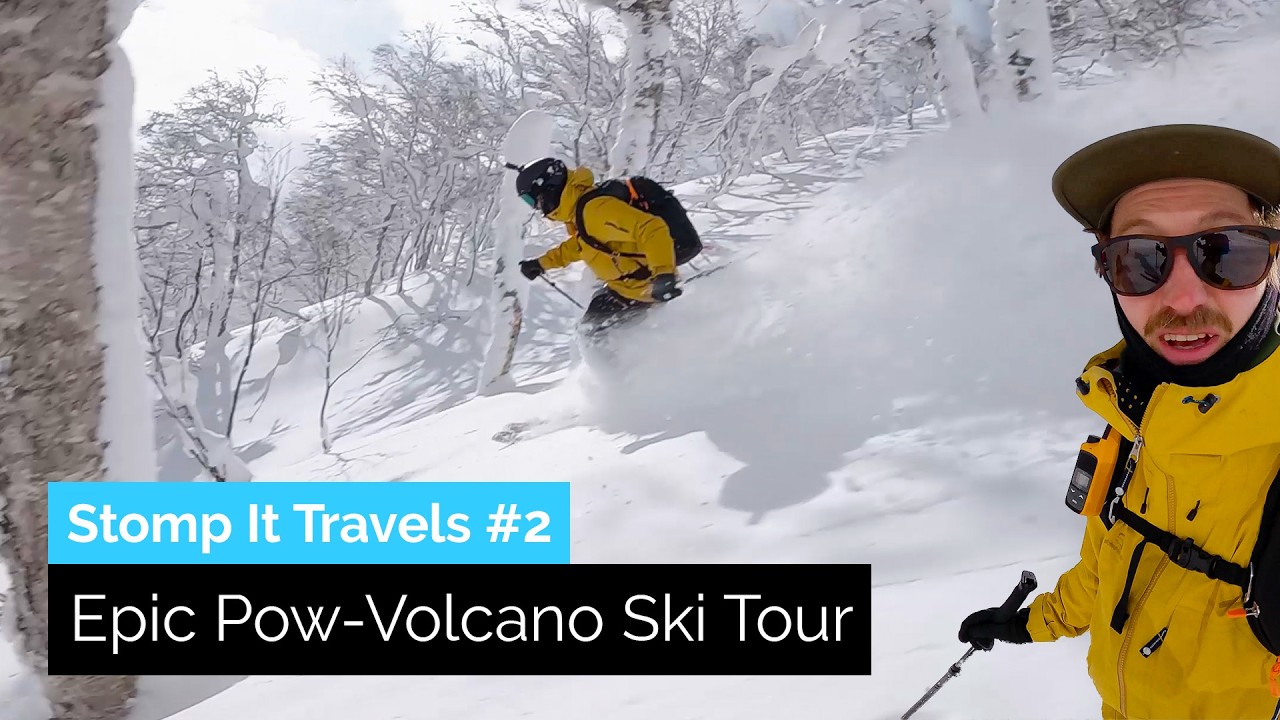
Stomp It is not only a park channel. A large part of its identity comes from all-mountain improvement: carving cleaner turns, managing steep slopes, skiing bumps with absorption, handling variable snow, and building confidence in freeride terrain. These lessons often use slow motion, side-by-side demonstrations, and simple drills that make technical differences easier to see.
The carving content is especially central. Stomp It regularly returns to outside ski pressure, early edge engagement, progressive edge angles, and upper-lower body separation. Those same skills help skiers in other situations, from holding a line on hardpack to staying centered before a jump. The channel’s wider message is that better technique gives skiers more options everywhere on the mountain.
Filming Style And Coaching Voice
The Stomp It filming style is practical rather than cinematic. Camera angles are chosen to show the movement clearly, slow motion is used when it explains a detail, and mistakes are often included so the viewer can understand the learning process. That honesty is part of the channel’s appeal. It makes progression feel achievable, not polished beyond recognition.
Nyström’s coaching voice is direct, energetic, and built around repeatable cues. The best videos feel like a lesson on the slope: here is the problem, here is the movement, here is the drill, and here is what should change when it works. That structure has helped the channel become a reference point for skiers who want instruction that is detailed but still easy to apply on the next run.
Why Skiers Use Stomp It Tutorials
Stomp It Tutorials matters because it turns ski progression into a visible pathway. A skier can arrive for carving advice, then discover switch skiing, small jumps, park safety, freeride technique, or airbag training. The content does not ask viewers to become professional athletes. It gives them tools to ski with more control, confidence, and creativity.
For skipowd.tv, Stomp It fits as an education-focused ski media profile rather than a rider biography. Its value comes from helping skiers understand the movements behind the clips they watch: how to pressure a ski, how to pop cleanly, how to spot a spin, how to land balanced, and how to approach freestyle progression without skipping the basics.