Overview and significance
June Mountain is the mellow, powder-friendly neighbor to Mammoth in California’s Eastern Sierra, set above the town of June Lake on State Route 158. It’s a full-size resort with a low-key vibe: seven lifts, 41 trails, and about 1,500 acres of terrain, plus a top elevation around 10,090 feet. The headline policy—and a big reason families love June—is that kids 12 and under ski and ride free all season with a no-cost pass, a rare offering at a destination of this scale. Day to day, June delivers long, leg-friendly fall lines, sheltered tree skiing on storm days, and scenic bowls when skies clear. While the mountain’s culture centers on progression and flow rather than stadium events, it’s a credible place to sharpen skills, stack laps, and enjoy uncrowded snow without sacrificing real vertical.
June’s layout adds to the charm. From parking, riders upload on Chair J1 to the mid-mountain June Meadows Chalet—your hub for food, rentals, lessons, and lift access—before fanning out across the upper lifts. That separation concentrates services at an elevation where snow stays colder and views expand across the June Lake Loop. It also keeps the base area comparatively quiet and makes meeting up between park laps, groomers, and tree runs simple once you’re on the main mountain.
Terrain, snow, and seasons
Terrain divides naturally by aspect and pitch. Off the June Meadows Chalet, wide groomers and glades set an easy rhythm for warm-up laps and all-ability groups. Higher up, long cruisers and steeper shots roll from the 10,090-foot summit, with panels that hold chalk between storms and soft snow in leeward gullies after resets. The Eastern Sierra storm pattern rewards patience: dense Sierra powder during active cycles creates forgiving landings and rebuilds lips quickly; clear, cold nights reset to packed powder and wind-buffed chalk, especially on north and east faces. Tree spacing around the mid-mountain pods keeps visibility workable when clouds sit low, while upper ridgelines ski best after patrol completes control work and the ceiling lifts.
Season length varies by winter, but the dependable window runs from early winter into April. January and February stack the odds for the coldest surfaces and frequent refreshes; March blends longer daylight with springlike corn on solar aspects while upper, shaded faces stay wintry. The resort’s official trail map and mountain report pages are the best daily guides for which lifts and sectors are spinning, and which features are open as temperature and wind change through the day.
Park infrastructure and events
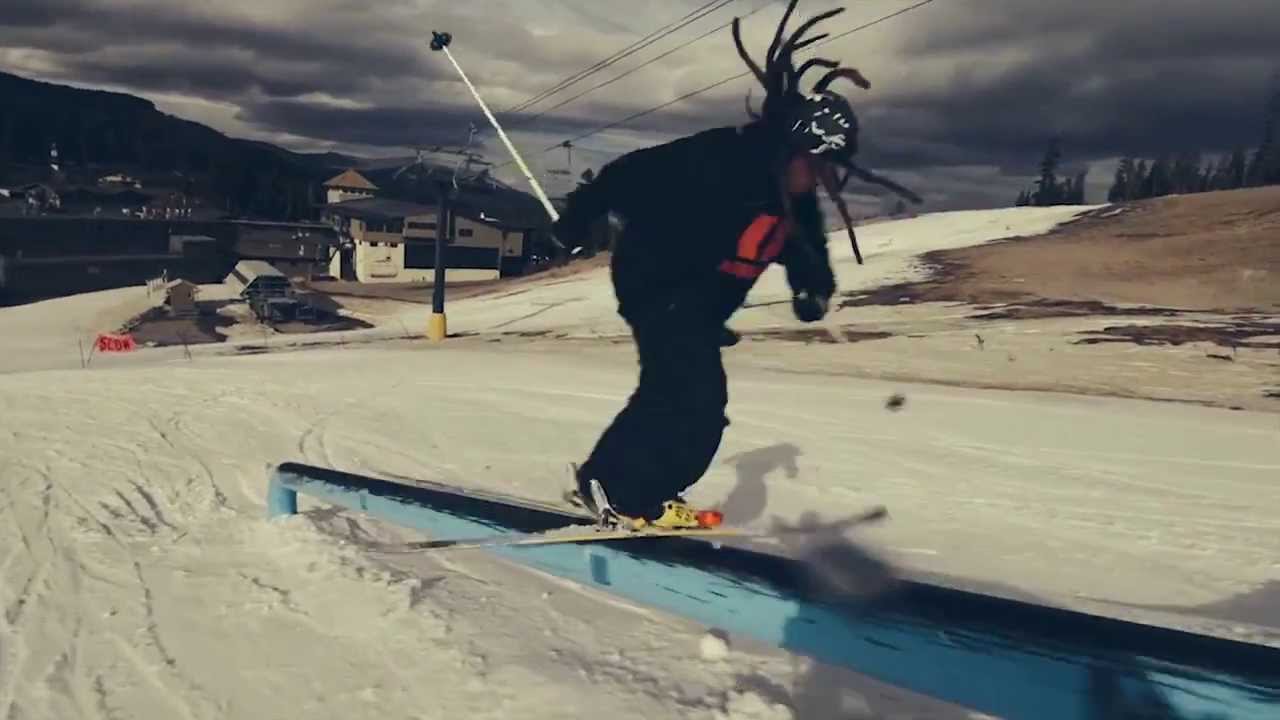
June’s freestyle program is intentionally progression-forward. Family-friendly zones near the J2 pod (including features like Bucky’s Playground and the Enchanted Forest Adventure Zone) create a clear pathway from first hits to confident flow. When coverage and temperatures allow, shapers add seasonal rail gardens and jump sets designed for repetition rather than one-off hero shots. Because the park footprint sits close to the main circulation, you can alternate trick work with groomers or trees without long traverses, which keeps mixed crews together and volume high. Before you drop, scan the trail map page to see which park icons are active that day and check the mountain report for any weather-related changes to features or approaches.
Competitions at June tend to be grassroots—think USASA slopestyle or boarder/skier cross weekends—rather than elite circuits. That fits the mountain’s identity: a place to learn, polish, and film clean lines at a sustainable pace. When you want a bigger stadium build or a major contest week, Mammoth’s Unbound parks are twenty minutes south; otherwise, June’s setup is exactly what most crews need to progress efficiently.
Access, logistics, and on-mountain flow
Access is straightforward. Drive US-395 to the June Lake Loop (SR-158) and follow signs to the base area; the First Timers guide outlines the approach and key services. From the lot, Chair J1 is your ticket to the Chalet and the upper lifts; plan your day around that upload and the return ride at day’s end. If a Sierra storm is in the forecast, check state chain rules and real-time conditions before you roll, and leave buffer time for wind or visibility holds. On the hill, build rhythm by skiing in pods: use the mid-mountain benches when light is flat, step to higher ridge lines as skies open, and slot park laps when temperatures are stable and speed is predictable. The resort’s live pages centralize lift, trail, and weather info so you can pivot fast.
One handy perk for itineraries that include both mountains: Mammoth Mountain lift tickets are valid the same day at June (excluding beginner tickets). That flexibility lets you chase conditions confidently—if wind complicates upper lifts at one area, the other is a short, scenic drive away.
Local culture, safety, and etiquette
June’s culture is welcoming and pragmatic. Families, learn-to-turn groups, and crews drilling tricks all share the same hill, which puts a premium on flow. In the parks, follow Smart Style: inspect first, call your drop, hold a predictable line, and clear landings and knuckles immediately. Across the mountain, respect rope lines and staged openings; patrol manages terrain conservatively during and after storms to protect both surface quality and safety. The Eastern Sierra’s deep forests can present tree-well hazards on big snow cycles, so ski with a visible partner and communicate frequently in the trees.
Beyond resort boundaries is true backcountry in Inyo National Forest. If you plan to leave marked terrain, carry beacon, shovel, and probe, practice partner rescue, and start with the daily bulletin from the Eastern Sierra Avalanche Center. Inside the ropes, the mountain report will note any weather or wind impacts; on the road, Caltrans’ chain-control guidance and QuickMap keep you ahead of closures or delays on US-395.
Best time to go and how to plan
For cold snow and durable park lips, aim for mid-January through early March. That window typically delivers repeatable surfaces for trick lists and frequent refreshes for soft landings. March adds blue-sky filming windows and classic corn cycles on sunny aspects, while shaded upper faces keep winter feel. If you’re traveling with kids, sort their free 12-and-under season pass or day ticket pickup in advance so you can go straight to J1 in the morning. Build each day around the live mountain report and trail map, and keep an eye on wind—June’s mid-mountain base often stays sheltered, but upper ridges can see weather during big cycles. If you’re pairing June with Mammoth, decide each morning based on lift and wind status and be ready to swap mid-day if one area opens key terrain.
Why freeskiers care
Because June Mountain turns time on snow into real progression without the stress. You get a generous footprint, a family-first policy that lowers barriers to entry, parks built for consistent repetition, and natural terrain that skis beautifully in storms and bluebirds alike. Add simple access, a clear safety framework, and the option to pivot to Mammoth on the same ticket, and June becomes a high-value base for crews focused on learning, filming, and enjoying classic Eastern Sierra days.