Shaun Mittwollen
Tasmania, Australia | Active Public Record: 2016-present | Known for: Cradle Mountain, Federation Peak, Tasmanian ski descents, I Am The Mountain, adventure photography | Current: The North Face AU/NZ-supported adventure skier and photographer
Cradle Mountain With Rocks Under The Drift
The south face of Cradle Mountain looked thin, bright and hostile, with wind-packed snow breaking over rock bands and the lower couloir hidden from view. Shaun Mittwollen edged toward the rollover knowing the line might disappear into ice, stone or a dead end.
That is the terrain where his public ski identity makes sense. Mittwollen is not a World Cup, X Games or Olympic skier. He belongs to a different branch of the sport: expedition skiing, photography, remote Australian mountains and long approaches where the hardest part can happen before the skis ever touch snow.
Tasmania As The Whole Arena
Hyperlite Mountain Gear lists Mittwollen’s residence as Tasmania and describes him through backcountry skiing, winter travel and mountain photography. That location is not a minor detail. Tasmania has no large alpine resort culture like the European Alps, Canadian Rockies or Japanese Honshu. Skiing there often means waiting for rare storms, walking through rainforest, carrying gear across wet ground and hoping a narrow window holds.
In the same Hyperlite interview, Mittwollen described Tasmanian ski missions as precise weather-window projects. Snow conditions might be usable for only a few hours, while access can take hours or days. That gives his skiing a different rhythm from resort freeride. The line is only one chapter; approach, timing, photography and retreat are part of the same story.
Federation Peak And The Impossible Couloir
Federation Peak is one of Mittwollen’s defining references. Australian Geographic published his account of a ski descent attempt with Ben Armstrong on Tasmania’s Federation Peak, a mountain he described as remote, difficult to reach and separated from Hobart by far more than distance. The mission required dense bushwalking, exposed terrain and a rare winter storm that put skiable snow on a mountain usually better known to climbers than skiers.
Hyperlite’s later interview adds that The North Face supported the expedition through an adventure grant. Mittwollen and Armstrong had thought about the line for years because the mountain seemed almost impossible for skiing: low elevation, brutal access and an exposed summit structure. When conditions finally aligned, the descent produced images that challenged the usual idea of what Australian skiing can look like.
Cradle Snatcher And The First Cradle Attempts
Mittwollen’s Cradle Mountain record predates the 2025 full descent. ABC documented a 2019 backcountry ski mission on Cradle Mountain involving Ben Armstrong, Shaun Mittwollen and Ben Grindle. That report described steep eastern-face skiing, frozen snow, rock hazards and gradients averaging around 40 degrees, with sections approaching 50 degrees.
SnowBrains later covered the Cradle Snatcher couloir, naming Armstrong and Mittwollen on a descent of a hidden Tasmanian line with a 300-meter drop, a 45-degree pitch and rock walls on both sides. Those earlier Cradle projects built the foundation for the later south-face goal. Mittwollen was not arriving at the mountain once for a headline. He had been studying its faces across multiple winters.
The First Full Descent Of Cradle Mountain
In October 2025, Mittwollen and Ben Armstrong completed what We Are Explorers described as the first full ski descent of Cradle Mountain. Mittwollen wrote that he had been chasing the ride for years, focusing on the steep south face while others were drawn toward more obvious east-face terrain.
The account matters because it shows how his skiing combines obsession with caution. The south face was not treated as a casual prize. Mittwollen described uncertainty around the rollover, rocks hidden under thin snow, and the relief of finding that the line might actually be possible. His public profile is strongest in these moments where decision-making, terrain reading and restraint matter as much as downhill ability.
I Am The Mountain In Japan
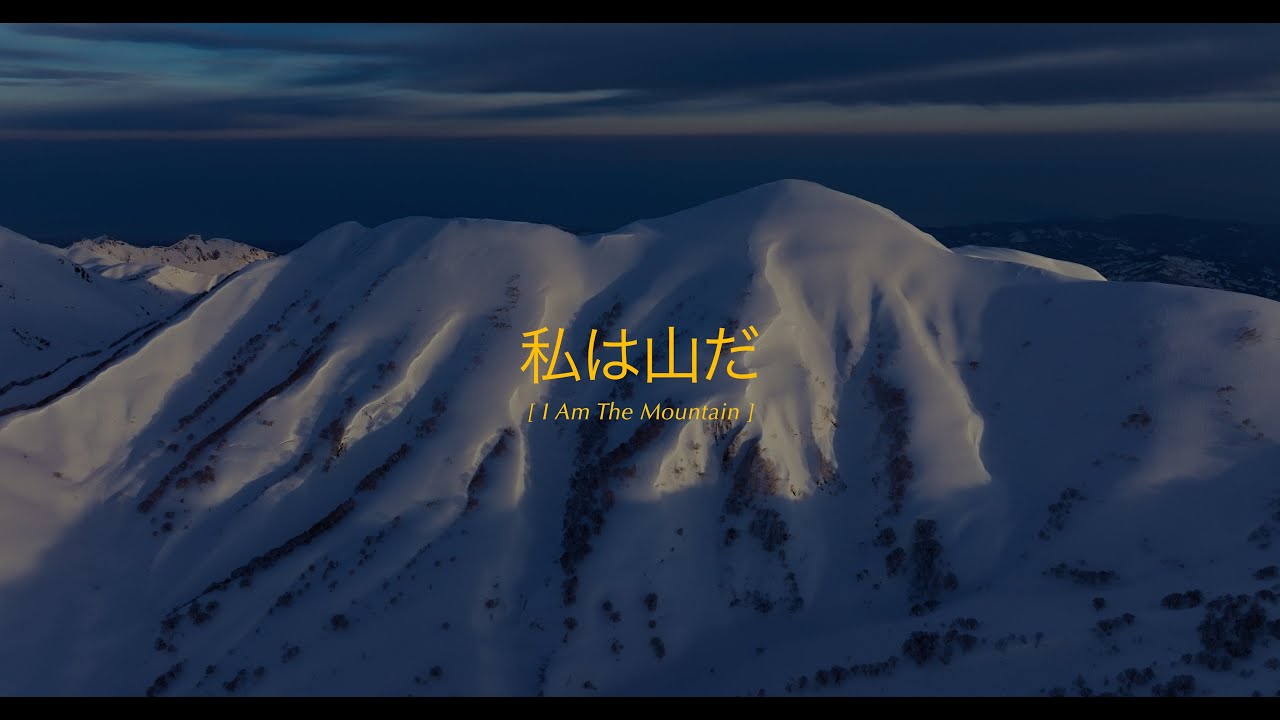
I Am The Mountain moved Mittwollen’s story from Tasmania into the Japanese Alps. Mountainwatch reported that Cameron Wood and Shaun Mittwollen attempted a 25-kilometer ski traverse from Myoko’s volcanic rim to the Sea of Japan, summiting and skiing three major volcanic peaks for a film presented by The North Face.
The story behind the film included an avalanche incident on a volcano ridge, a damaged ski and difficult snowpack. That context is important because it keeps the film from reading like a simple travel edit. Mittwollen’s skiing in Japan sits inside the same expedition logic as Tasmania: map study, weather instability, steep snow, self-sufficiency and photography under pressure.
How Mittwollen Reads Snow And Terrain
Mittwollen’s skiing should be understood through backcountry and ski-mountaineering judgment rather than freestyle trick vocabulary. The key skills are route selection, edge control on firm snow, kick turns, skinning efficiency, couloir management, exposure awareness, avalanche judgment and the ability to ski with a heavy pack after long approaches.
His public descents often happen in places where the snowpack is unreliable and the terrain is not built for skiing. Tasmania can deliver wet storms, thin cover, hidden rocks, violent wind and short windows of stability. A clean descent there depends on patience. The right decision may be to wait for years, turn around or leave a face unskied until the mountain offers a safer version of itself.
The Photographer Inside The Skier
Photography is not separate from Mittwollen’s skiing. Hyperlite’s profile presents him as both adventure skier and photographer, with years of shooting behind him and favorite locations including southwest Tasmania and Nozawa Onsen, Japan. His images are part of why his ski projects travel beyond local Tasmanian circles.
That dual role changes the way his missions are understood. He is not only chasing descents; he is documenting landscapes that many skiers do not associate with ski culture. Federation Peak, Cradle Mountain, Frenchmans Cap, the Acropolis and the Japanese volcanic traverse all become evidence of a broader idea: skiing can exist in marginal, remote and visually strange places if the person behind the camera is patient enough to show them properly.
Frenchmans Cap, The Acropolis And The Wider Map
SnowsBest reported in 2024 that Mittwollen, Hamish Lockett and Sakura Woods tackled Frenchmans Cap in difficult conditions. Hyperlite later published his Acropolis adventure, a multisport trip through the Cradle Mountain-Lake St Clair National Park involving kayaking, fastpacking, overnight gear and mountain photography.
Not every one of those projects is a pure ski descent, but together they show the structure behind his skiing. Mittwollen is building a Tasmanian mountain map through movement: walking, skiing, climbing, paddling, photographing and returning when conditions line up. That gives his profile a stronger adventure identity than a standard freeride biography would.
Where Shaun Mittwollen Fits
Shaun Mittwollen fits best as an Australian adventure skier and mountain photographer, not as a freestyle contest athlete. His verified story runs through Federation Peak, Cradle Mountain, Cradle Snatcher, Frenchmans Cap, The Acropolis, Hyperlite photography features, The North Face-supported projects and I Am The Mountain in Japan.
For skipowd.tv, his value is unusual but clear. He represents a remote-mountain version of ski culture: no lifts, no park, no podium table, and no easy access. His strongest clips and photographs come from places where snow is rare, approaches are punishing, and a successful descent can depend on years of waiting for one cold storm to arrive at the right mountain.