Profile and significance
Max Gingras is an emerging freeski name whose public profile has been built far more through park edits, spring-feature sessions, and urban/street skiing crews than through a conventional slopestyle or big air contest résumé. The reliable public record around him points to a real skier with repeated visibility in recognized freeski media and independent film projects, especially across Quebec and the wider northeastern scene. That matters because not every relevant skier in modern freeski is defined by FIS points, World Cup starts, or major-event medals. Some matter because they keep showing up in the projects that core viewers actually watch, and Gingras fits that category. His significance today comes from consistency of presence rather than from a single breakout podium: he appears in multiple credible edits over several seasons, in both Quebec-based progression environments and crew-driven street skiing projects, which is enough to make him worth tracking as a culture-side athlete rather than a contest-first athlete.
Competitive arc and key venues
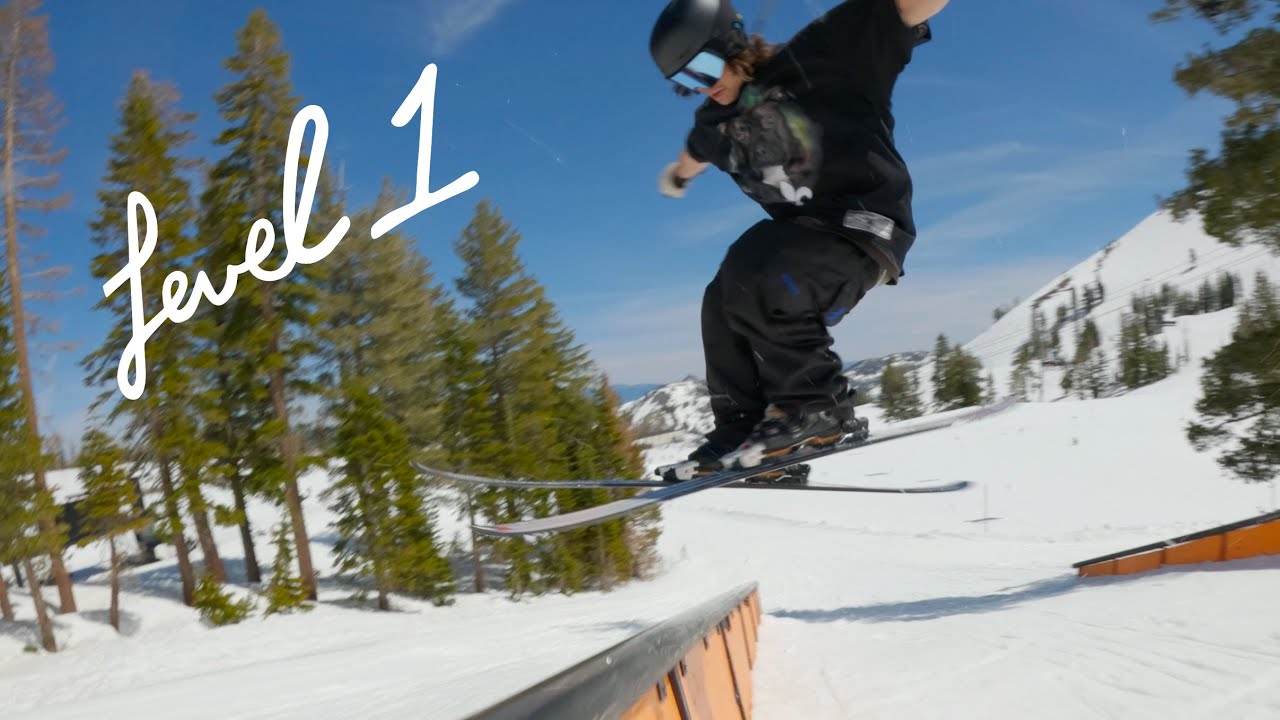
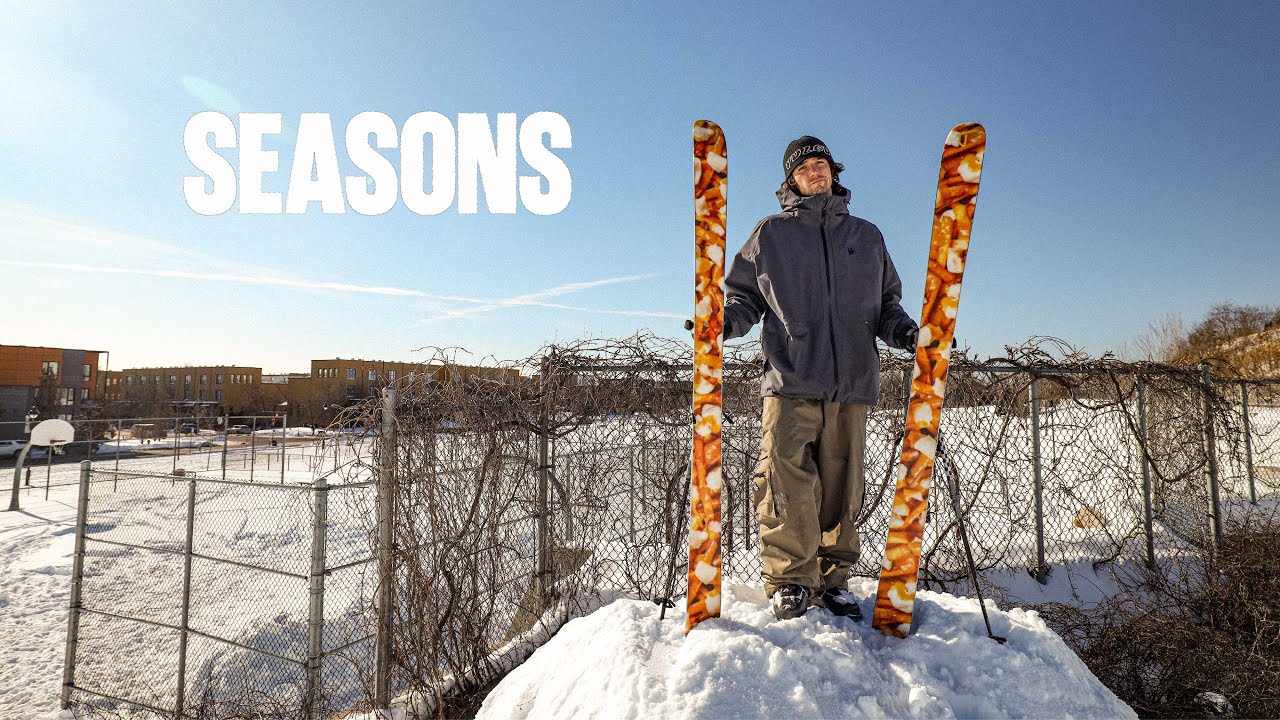
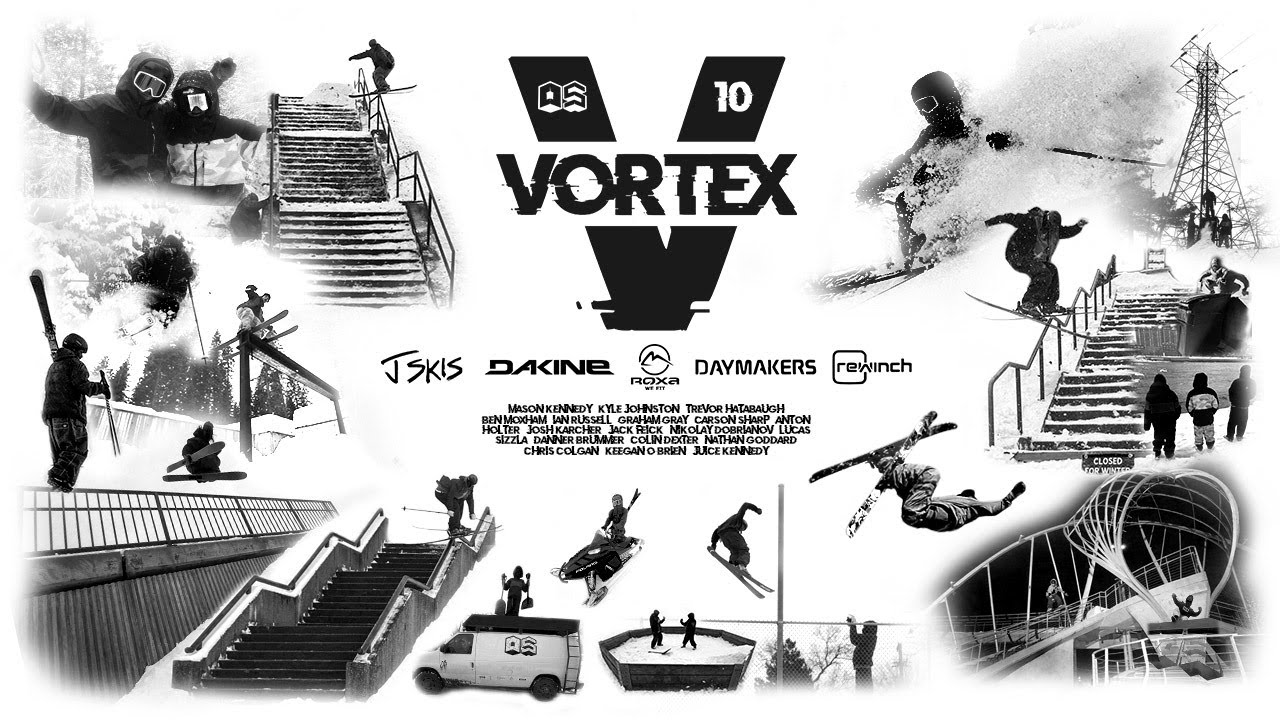
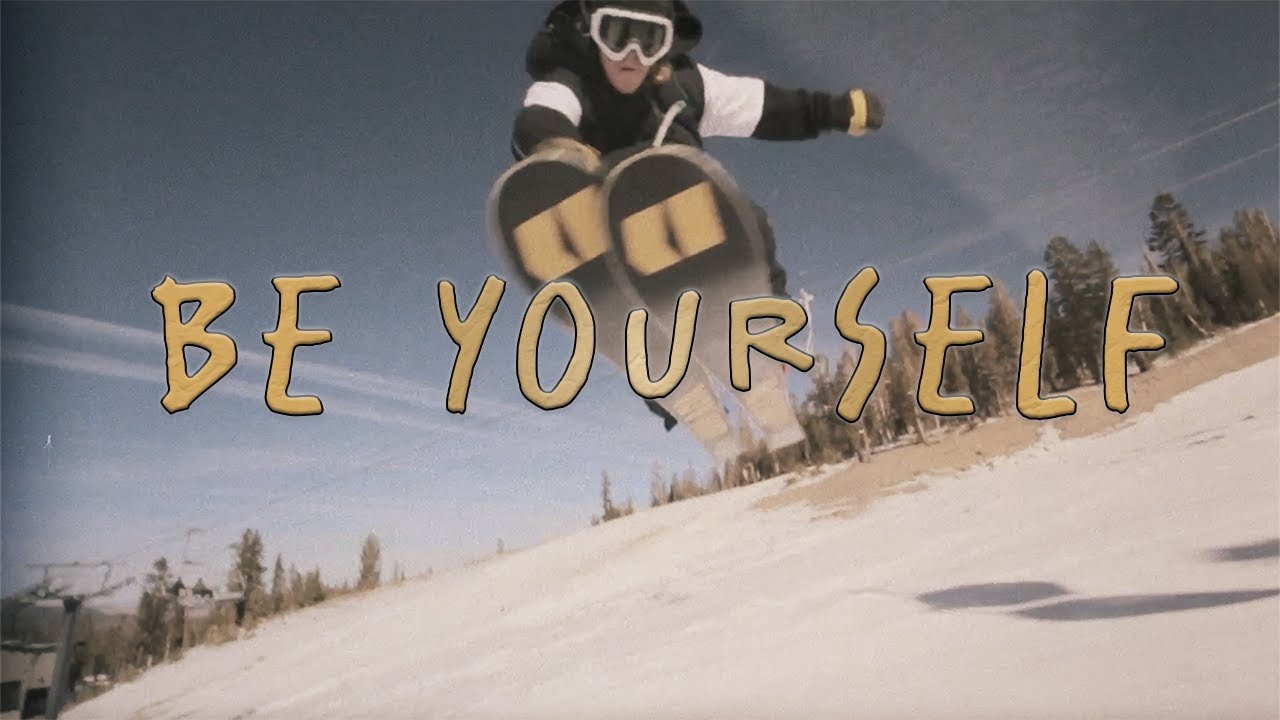
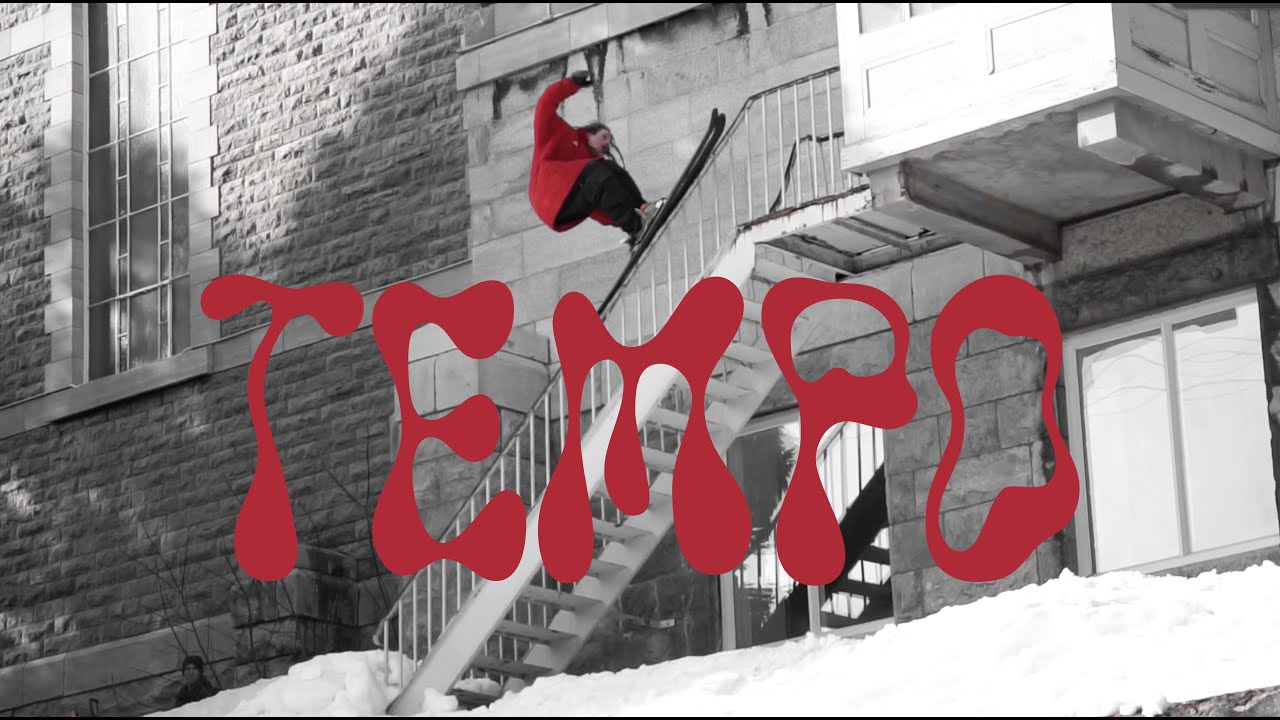
There is not a strong public contest record attached to Gingras, so the most honest way to describe his arc is through film and session visibility. One of the clearer early public markers came in 2022, when he appeared in a Mammoth Mountain spring edit connected to the Child Labor orbit. That matters because Mammoth spring skiing has long been a testing ground for skiers who mix park progression with a looser, filmer-friendly style of riding. By 2023 and 2024, his name appeared in multiple Ski The East Promised Land episodes filmed at iMaximise in Quebec, including “Maximise - Backyard Dreamland” and “Maximise Springtime Special.” Those are meaningful appearances because Ski The East remains one of the clearest media institutions for northeastern freeski culture, and iMaximise describes itself as a unique freestyle training center in Canada with snow park, big air, airbag, summer camps, and coaching infrastructure. In 2024, Gingras was also part of Keep Standing’s “Stand Corrected,” a street skiing short film that FREESKIER singled out as a standout project from an underrepresented crew. By 2025, he was still visible in the Keep Standing orbit through “Take A Seat” and in the Akamp scene in Quebec, which shows that his public trail is not a one-season flash.
How they ski: what to watch for
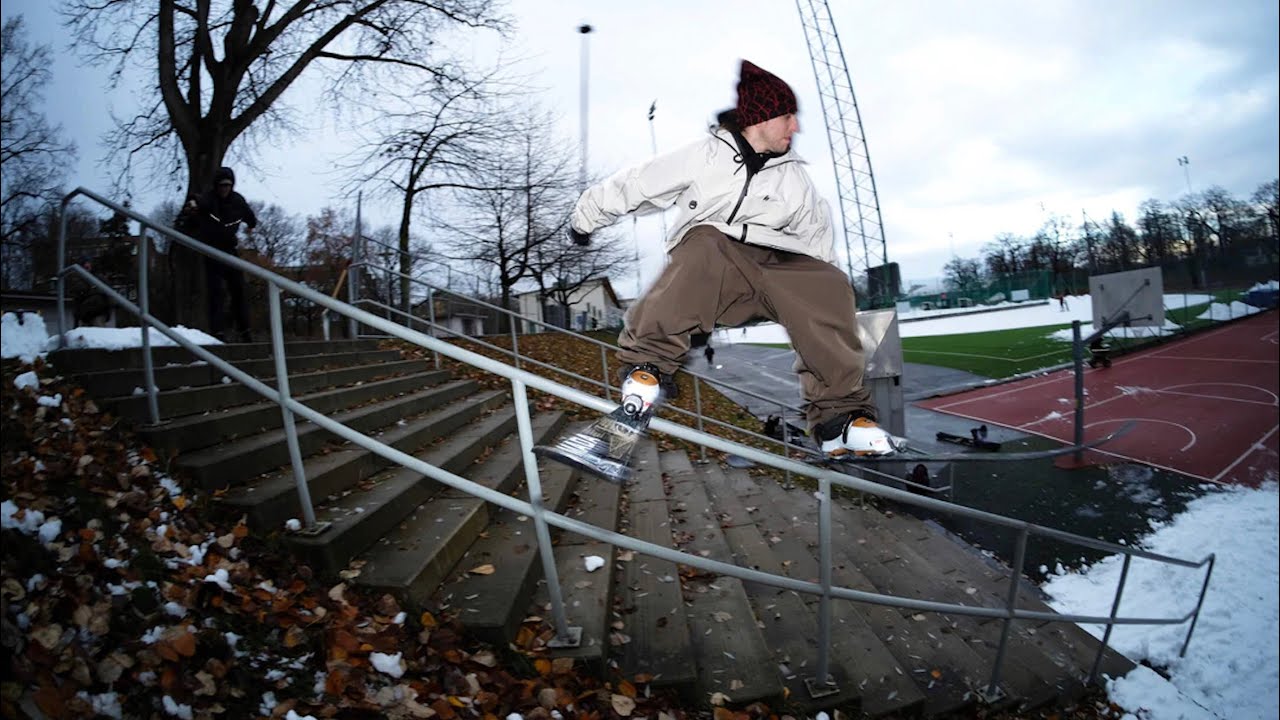
The public material around Gingras suggests a skier whose identity sits closer to modern street and creative park skiing than to formal judged-event specialization. That does not mean he lacks slopestyle skills. In fact, skiers who survive and look strong in these kinds of edits usually have solid slopestyle foundations: rail confidence, timing, line awareness, and the ability to stay composed when features are less perfect than a contest course. But Gingras’s visible lane is not mainly about structured slopestyle scorecards or standalone big air headlines. It is about how he moves through setups that reward improvisation, control, and style. When readers watch his public work, the useful things to notice are feature selection, comfort on rails, and how naturally he fits into clips where the point is not just to land something difficult but to make the whole interaction with the spot look convincing. There is not enough trustworthy public material to assign him a single signature trick, and it would be wrong to invent one. The stronger takeaway is that he looks like a skier shaped by real sessions, repeated laps, and a street-aware eye for terrain.
Resilience, filming, and influence
For a skier like Gingras, resilience is visible through staying power in projects rather than through comeback headlines. A lot of skiers appear briefly in one crew video and then vanish from the public conversation. Gingras’s record looks different. He appears in spring and street-adjacent footage in 2022, in the Quebec-heavy Ski The East ecosystem in 2023 and 2024, in Keep Standing’s 2024 street film, and again in 2025. That repeat visibility matters because it usually means the skier is trusted inside crews, useful in filming environments, and still progressing enough to remain worth including. The strongest public endorsement of that came when FREESKIER described “Stand Corrected” as one of the projects that broke through in 2024 thanks to passion, creative cinematography, and strong skiing, while explicitly naming Gingras among the featured riders. He is not a globally famous athlete, and there is no reason to inflate him into one. But he already belongs to a real layer of freeski influence where credibility comes from edits, spot choices, and the company a skier keeps. In modern urban/street skiing, that kind of relevance is real.
Geography that built the toolkit
Geography is one of the clearest ways to understand Gingras. His public trail runs strongly through Quebec, especially through iMaximise, which positions itself as a freestyle training center with facilities built to accelerate progression. That kind of environment matters because it encourages repetition, trick refinement, and the crossover between formal freestyle mechanics and more open-ended filming. The Ski The East episodes featuring Gingras were filmed there and also describe Maximise as being in the Saint-Agathe area, which places him inside a Quebec setting with enough snow culture and freestyle infrastructure to support serious progression. At the same time, his earlier Mammoth appearance shows that his skiing is not locked into one local zone. Mammoth Mountain has long been one of North America’s classic spring park venues, and a skier who spends time there usually absorbs a different rhythm from what eastern and Quebec scenes provide. Add the broader northeastern and Vermont-facing Keep Standing orbit, including public premieres tied to Foam Brewers in Burlington, and the picture becomes clear: Gingras belongs to a cross-border freeski lane where Quebec progression, northeast crew culture, and spring-park travel all feed the final product.
Equipment and partners: practical takeaways
There is not enough reliable public information to present a clean personal sponsor list or exact ski setup for Gingras, and it would be wrong to pretend otherwise. That is an important limitation. What can be said with confidence is that his recent public work has circulated in projects supported by brands and crews such as Arsenic Anywhere, Foam Brewers, Vishnu Skis, and Icelantic Skis. The careful distinction is that this is project-level support visible around the films, not a fully documented personal equipment map. For readers, that is actually a useful lesson. Many culture-facing freeski careers become publicly relevant through crews, edits, and scene support before they become easy to define through athlete-by-athlete sponsor announcements. Gingras’s profile fits that pattern. The practical takeaway is not to copy a known gear list. It is to notice how much of street and spring-park freeski is built through community, access to training environments, and repeated filming opportunities.
Why fans and progressing skiers care
Max Gingras matters because he represents a real part of contemporary freeski that a pure results archive would miss. He is not currently important because of Olympic qualification, X Games exposure, or a major slopestyle or big air medal record. He is important because he has built a visible place inside the freer, more independent side of the sport: spring edits at Mammoth Mountain, repeated appearances at iMaximise through Ski The East, a meaningful role in Keep Standing’s 2024 breakout project, and continued visibility into 2025. For fans, that makes him useful as a name to know before broader recognition arrives. For progressing skiers, his profile shows a believable route into relevance that does not depend on becoming a contest specialist. You can matter through creative skiing, strong crews, repeat public output, and the ability to keep showing up in the right projects. That is the lane Gingras currently occupies, and it is enough to justify real attention even at an early importance level.