GoPro: Tanner Hall Ski Diaries

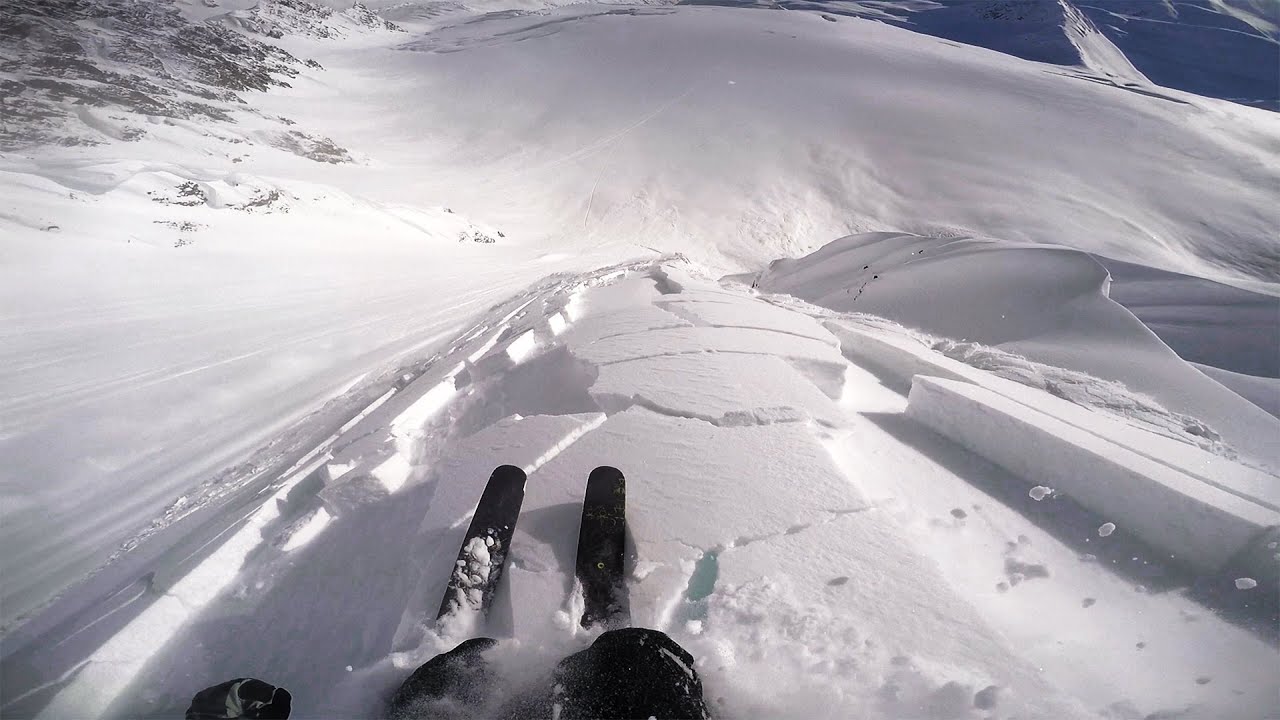
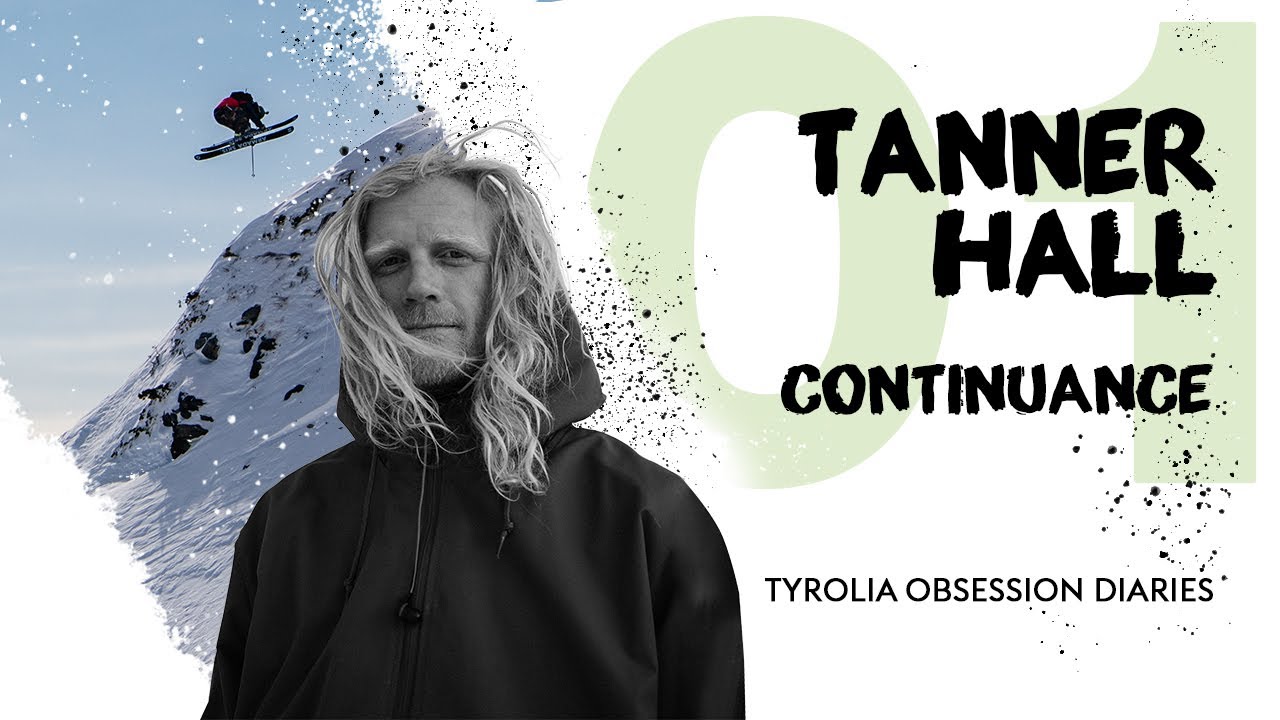
Tanner Hall reflects on the turbulent journey of his 2013-2014 winter through the hallowed backcountry of British Columbia, an adventure made even more impressive by the fact that every run was earned by foot power. Shot 100% on the HERO3+® camera from ‪http://GoPro.com. Get stoked and subscribe: http://goo.gl/HgVXpQ Music Bonobo "Recurring" Link to buy: http://goo.gl/Arj2KS Diamond Bones "Superbia" http://diamondbones.com/ William Ryan Fritch "kaleidoscope" "Fading Light" http://www.williamryanfritch.com/​

Tanner Hall

Profile and significance

Tanner Hall—universally known as the “Ski Boss”—is one of freeskiing’s defining figures. Raised in Montana and forged in Utah park culture, he turned the early-2000s twin-tip revolution into a permanent shift in how slopestyle, big air, halfpipe and backcountry segments are skied and filmed. Hall’s competitive résumé is unmatched in its era: 11 Winter X Games medals with golds across superpipe, slopestyle and big air, a haul celebrated even by his longtime ski partner Armada. He co-founded Armada Skis in 2002 alongside JP Auclair and a core crew, codifying the rider-run brand model that many teams still emulate. After his early contest peak, he extended his reach with influential movie parts and later brought his power and feel to freeride venues, taking a podium in Japan while competing on the Freeride World Tour.

Hall’s significance goes beyond medals. He helped define park and pipe amplitude, he changed what counted as “clean” style in urban/street skiing and backcountry, and he became an archetype for longevity: comebacks from devastating injuries, followed by a second act of heavy edits and freeride results. For skiers who judge by both scoreboards and film parts, Hall is a cornerstone reference.


Competitive arc and key venues

Hall’s rise runs from Montana to Utah to Aspen. He learned to ski at Whitefish Mountain Resort, moved in his mid-teens to Park City for structured training and then began collecting major results while progressing tricks that read clearly at speed. His early X Games wins in big air and slopestyle set the pace; the superpipe three-peat era established his signature amplitude. Aspen’s Snowmass and Buttermilk venues became recurring theaters for those runs. After injuries reset the trajectory, he rebuilt through filming blocks and selective contests, then stepped into big-mountain inspection with the Freeride World Tour, where he earned second place at Hakuba in 2019 and later returned on a 2023 event wildcard.

Two places explain the durability of his career. Park City Mountain gave him long seasons, world-class halfpipe shaping and the repetition to make amplitude look easy. In British Columbia, Hall invested time and energy around Retallack, where storm snow and sustained pitches turned his pop and edge control into stacked backcountry lines. The mix—contest-shaped parks and authentic powder terrain—lets his skiing translate everywhere from a floodlit pipe to glaciated pillows.


How they ski: what to watch for

Hall’s style is built on timing, power and definition. Into takeoffs he stays tall, sets late and locks grabs early enough that the axis reads from the lip. In superpipe, watch the way he organizes his edges and hips before the wall—he loads the ski so the release is explosive rather than frantic, which is why his height out of the pipe has long been a benchmark. On rails and in street, he favors square entries and presses held just long enough to be unambiguous, with swaps that look inevitable rather than improvised. In backcountry, he carries the same discipline into natural features: ankles and hips start the butter, shoulders stay quiet, and landings arrive stacked over the feet.

The common thread is clarity. You can slow a Hall clip and still read the idea: patient pop, honest grab definition, centered landings. That legibility is part of why his runs aged well and why his segments—park, street or powder—became study material for a generation.


Resilience, filming, and influence

Hall’s resilience is central to his legend. In 2005 he famously shattered both ankles overshooting Chad’s Gap in Utah; in 2009 a filming crash in Washington destroyed both knees. He rebuilt twice, returning to X Games podium contention and then retooling his career around heavy parts and freeride competition. Through it all he kept filming: Poor Boyz Productions classics, the Inspired era he launched with Eric Iberg, and a steady stream of late-career projects that proved power and style survive long after most pros retire. When X Games took freeskiing to video with Real Ski, Hall’s entries and later Real Ski 2021 appearance showed how his approach meshes with modern, edit-first formats.

Influence also flows through equipment culture. As a founder of Armada, he helped shift the center of gravity toward athlete-led design and storytelling. That brand’s presence in parks, urban parts and powder edits—along with projects honoring JP Auclair—kept Hall’s technical choices and aesthetic priorities visible for young riders learning the craft.


Geography that built the toolkit

Place explains the method. Whitefish Mountain Resort gave Hall his first laps and an all-terrain foundation. Park City provided length of season, high-caliber halfpipe construction and contest-ready slopestyle lines—the training ground for his medal years. Aspen’s Snowmass/Buttermilk complex hosted many of the runs that cemented his X Games legacy. North of the border, Retallack brought sustained fall-line snow and real-world decision-making, producing backcountry parts that matched the authority of his park clips. Thread those venues together and you see why his skiing reads the same whether the stage is a perfect pipe wall or a wind-affected pillow stack.

Later, freeride stops from Japan to the Rockies gave Hall new canvases, but the fingerprints remained consistent: measured speed, stacked landings, and choices that keep flow intact for what comes next.


Equipment and partners: practical takeaways

Hall’s name is inseparable from Armada Skis. Over two decades he’s ridden and influenced platforms that span park icons to deep-snow shapes—tools chosen to pop predictably, press cleanly and stay stable at his trademark amplitudes. For skiers trying to borrow the feel, the hardware lesson is principle-based. A true twin with a balanced, medium-stiff flex will let you load the lip without folding and still hold presses on steel. A light detune at the contact points reduces rail bite while preserving trustworthy grip for pipe walls and jump takeoffs. A near-center mount keeps switch landings neutral and presses level. Binding ramp that’s too aggressive pushes you into the backseat; aim to stack hips over feet so you can release power on demand instead of rescuing landings.

Equally important is process. Film the lap, compare shoulder alignment and hip-to-ankle stack against a short checklist, and repeat until patient pop and early grab definition become automatic. That workflow—visible across his edits and Real Ski entry—is the part any motivated skier can copy.


Why fans and progressing skiers care

Fans care about Tanner Hall because he merged progression with clarity and then proved it lasts. The medals at Aspen, the segments from Park City to British Columbia, the later freeride results in Hakuba—each chapter shows the same readable language: calm into the lip, explosive but organized release, and landings that keep the line moving. Progressing riders care because those choices scale to ordinary parks and real snowpacks. You don’t need a contest bib to apply the blueprint—just patience at the takeoff, early grab definition, square exits from rails and stacked landings that set up the next hit. Two decades after he helped design the culture around athlete-led brands and film-driven skiing, the Ski Boss remains a living checklist for how modern freeskiing should look and feel.

British Columbia

Overview and significance

British Columbia is one of skiing’s global reference points. From the maritime Coast Mountains to the colder, drier Interior ranges, the province delivers a rare combination of scale, storm frequency, varied snow climates and an events calendar that shapes the sport. Whistler Blackcomb anchors the Coast with North America’s largest lift-served footprint and an enduring freestyle legacy, while the “Powder Highway” corridors through Revelstoke, Golden, Nelson and Rossland add deep, tree-lined terrain and big-mountain faces that film crews and strong locals lap all winter. The province’s Olympic pedigree runs through Vancouver 2010, when alpine events ran at Whistler Creekside and freestyle/snowboard events at Cypress Mountain near Vancouver, a legacy that still influences infrastructure and culture today. Add the Canadian stop of the Freeride World Tour on Kicking Horse’s Ozone face in Golden and April’s World Ski & Snowboard Festival in Whistler, and British Columbia stands out as a complete destination for park riders, storm chasers and big-mountain skiers alike.

If you’re planning with skipowd.tv in mind, start with our regional overview at skipowd.tv/location/british-columbia/, then deep-dive into places like Whistler-Blackcomb and Revelstoke to match terrain character with your goals.


Terrain, snow, and seasons

BC skis in two broad archetypes that overlap at the edges. The Coast (Sea-to-Sky) is maritime: frequent, deep storms, dense snow that buries features and keeps landings forgiving, and big alpine bowls linked to sheltered mid-mountain trees for storm riding. The Interior (Selkirks, Monashees, Purcells, and the BC Rockies) leans colder and drier, with lighter powder that lingers in glades for days, steeper couloirs on north aspects, and ridgeline chutes that reward precise timing. Expect wind-buffed chalk on exposed faces after high pressure, and classic cedar–hemlock forests that ski beautifully during refills.

Seasonality is a strength. Coastal operations typically spin from late November into spring; Interior peaks hit their stride January through February when snowpacks are cold and reset often, then transition to long, film-friendly windows and corn cycles in March and April. Touring is world-class across the province, but nowhere more concentrated than Rogers Pass in Glacier National Park between Revelstoke and Golden, where a winter permit system manages access alongside highway avalanche control. Knowing these regional rhythms lets you plan by aspect and elevation instead of chasing a single “perfect” week.


Park infrastructure and events

Freestyle has deep roots here. Whistler’s build teams have long produced graded lines that serve everyone from progression laps to advanced jump and rail features; on the Interior circuit, Big White’s TELUS Park runs season-long setups with lighting and an active calendar, and Sun Peaks maintains a 10-acre park with multiple zones and late-hours laps at “Base Camp” under the Sundance chair (Sun Peaks Terrain Parks). SilverStar, Whitewater and RED supplement with rotating rail gardens and jump lines that flex with storms and temperature windows. The upshot is reliable repetition across multiple mountains—ideal for trick lists, filming, and team camps.

Event pedigree is equally robust. Kicking Horse in Golden hosts the Freeride World Tour on the Ozone venue each winter—a high-consequence face that has become decisive in the overall title race (FWT Kicking Horse; resort event hub). Whistler’s World Ski & Snowboard Festival each April blends on-snow competitions with film, photo and music, turning the village into a week-long end-of-season celebration (WSSF). The 2010 Olympic legacy persists, with freestyle and snowboard history at Cypress Mountain and alpine heritage at Whistler Creekside.


Access, logistics, and on-mountain flow

Gateways align to your itinerary. Vancouver (YVR) feeds Whistler via the Sea-to-Sky Highway; Kelowna (YLW) and Kamloops (YKA) position you for Big White, SilverStar and Sun Peaks; Cranbrook (YXC) and Calgary (YYC, in Alberta) are practical for Fernie, Kimberley and other southeast stations; Revelstoke and Kicking Horse typically involve a drive on the Trans-Canada from Kelowna or Calgary. Winter driving in BC crosses high passes and avalanche corridors—check DriveBC and provincial winter driving guidance before setting out, and pad schedules during storm cycles.

Flow tips by archetype help. At Whistler, storm mornings favour treeline pods and mid-mountain zones; as visibility improves, step to the alpine and stitch bowls to trees top-to-bottom. At Revelstoke, manage legs and time by pod (Gondola, Stoke, Ripper) to stack vertical efficiently and save Last Spike cruises for late-day exits. At Kicking Horse, respect ridge closures and high-consequence gullies; patient timing around patrol work unlocks the best lines. In the Kootenays (Whitewater and RED), tree spacing and aspect reading are everything—follow patrol updates and seek colder aspects after clear nights.


Local culture, safety, and etiquette

BC’s ski culture combines polished resort ops with a grounded, avalanche-aware community. Avalanche Canada publishes daily public forecasts across the province and aggregates real-time observations via the Mountain Information Network. If you plan to tour or exit resort boundaries, arrive with beacon, shovel, probe, partners who know rescue, and a current read of the regional bulletin. Rogers Pass access is governed by a Winter Permit System to coordinate with highway artillery control—review the rules before you go and pick up permits at the Discovery Centre when required (Parks Canada – Rogers Pass).

Inside the ropes, closures and “routes” matter—many marked routes are ungroomed and can involve avalanche exposure. Deep-snow tree wells are a recurring hazard in BC’s conifer forests; ski with a visible partner, carry a whistle, and refresh tree-well awareness through resort safety pages. Park etiquette follows Smart Style everywhere: call your drop, hold a predictable line, and clear the landing and knuckle immediately. On the coast and in the Interior alike, you’ll find hospitable towns and strong coffee culture; respect wildlife corridors, quiet hours, and winter driving rules so communities keep welcoming visiting crews.


Best time to go and how to plan

For storm chasing, January and February stack the odds across the province—choose coastal if you like deeper, denser resets and forgiving landings, or target the Interior if you prefer colder powder and tree skiing that holds quality for days. March is the all-rounder: more daylight, mature park builds, alpine access that improves between fronts, and a steady rhythm for filming. Event chasers can aim for early February in Golden to catch the Freeride World Tour and early-to-mid April in Whistler for WSSF (Whistler event listings).

Build itineraries by corridor to minimise transit. A Coast week based in Whistler mixes alpine bowls with park laps and easy village logistics. An Interior loop—Revelstoke, Kicking Horse, Whitewater/RED—delivers classic trees and chutes with manageable drives; book lodging early for weekend changeovers and monitor mountain passes on DriveBC. Park-focused crews can base in Kamloops or Kelowna and bounce between Sun Peaks and Big White’s TELUS Park under consistent temps. Wherever you go, start each day with resort ops pages for wind holds and staged openings, then adjust by aspect and elevation as light and weather shift.


Why freeskiers care

Because British Columbia lets you develop—and showcase—every part of modern freeskiing in one province. You can stack legit park laps on pro-built lines, drop consequential in-bounds chutes, then step into world-class touring terrain the next morning. The events calendar keeps the community sharp, the safety ecosystem is mature and accessible, and the terrain mix—from cedar pillows to alpine faces—never runs out. For progression, filming, or the trip of a lifetime, BC remains a benchmark.