Grand Targhee
Rocky Mountains - WY
United States
Powder-first resort on the west side of the Tetons | Known for: 500 plus inches of annual snow, Fred’s Mountain, Peaked Mountain, Mary’s Nipple hike-to terrain, North Pole Terrain Park, and regional freeride events | Season: November to April | Best for: powder skiers, playful freeriders, park progression, and Teton Valley crews chasing soft landings
Fred’s Mountain Under The Teton West Slope
Fred’s Mountain tops out at 9,862 feet above Alta, Wyoming, with Grand Targhee’s base area sitting at 7,851 feet on the western side of the Teton Range. That west-slope position is the resort’s whole identity. Storms arrive over the Snake River Plain, hit the Tetons from the Idaho side, and leave Grand Targhee with the kind of frequent refills that make visibility less important than snow feel.
Grand Targhee Resort lists 2,602 total acres, 500 plus inches of annual average snowfall, a 2,270-foot vertical drop, and six lifts. The terrain split is broad enough for mixed crews, with 10 percent beginner, 45 percent intermediate, 30 percent advanced, and 15 percent expert. For freeskiers, the important part is not just the acreage. It is how the mountain lets powder laps stay smooth: wide faces, forgiving rolls, tree spacing, and enough pitch to keep skis moving when the snow is deep.
Peaked Mountain Fred’s Fall Lines And Mary’s Nipple
Grand Targhee skis through three main personalities. Fred’s Mountain is the everyday engine, with Dreamcatcher laps, groomer speed, glades, side hits, and long top-to-bottom runs that help skiers read the snow before pushing harder. The resort lists Fred’s at 2,176 feet of vertical drop, with the 2.7-mile Teton Vista Traverse as the longest run. That gives skiers a reliable way to build speed and leg rhythm before moving toward steeper terrain.
Peaked Mountain gives the resort its freeride edge. Its summit elevation is 9,830 feet, and the lift-served terrain carries a different feel from Fred’s: more open panels, wind influence, chalk between storms, and drifted pockets that reset quickly. Before Grand Targhee retired cat skiing, Peaked Mountain was the heart of that guided powder program. The lift-served version keeps the same appeal but changes the pace, making the terrain part of the daily resort circuit rather than a separate cat-ski objective.
Mary’s Nipple adds the hike-to layer. The resort identifies it as in-bounds, hike-only terrain with a 9,920-foot summit elevation. It is not a huge alpine expedition, but it gives strong skiers a short objective above the lift system when patrol opens it. That matters for progression because it introduces bootpack discipline, snow reading, and line choice without turning the day into full backcountry logistics.
Five Hundred Inch Winters And Flat Light Powder Logic
Targhee’s snow reputation comes from volume and preservation. The 500 plus inch annual average shapes the entire mountain experience: soft groomers, buried landings, forgiving trees, and frequent storm days where the best skiing may happen under low contrast. Bluebird powder is not the normal promise here. The better expectation is a cold refill cycle, pockets of wind-softened chalk, and tree skiing that keeps working when the upper ridges are fogged in.
The season window usually runs from late November into April, with the 2025-26 calendar listed from November 21 to April 19. January and February are the most dependable months for cold snow and repeated refreshes. March brings longer light, more stable filming windows, and better chances to mix park laps with powder lines. April shifts toward spring timing, but upper-elevation shaded terrain can still hold winter snow after storms.
The mountain rewards skiers who accept its weather instead of fighting it. On storm mornings, Fred’s trees and protected gullies usually make more sense than exposed ridge hunting. When visibility improves, Peaked Mountain becomes the higher-value target. After wind, chalk can ski better than fresh snow in the upper zones. On warmer days, solar aspects soften first, while shaded rollovers and mid-mountain trees keep a colder surface longer.
North Pole Progression And Targhee Park Days
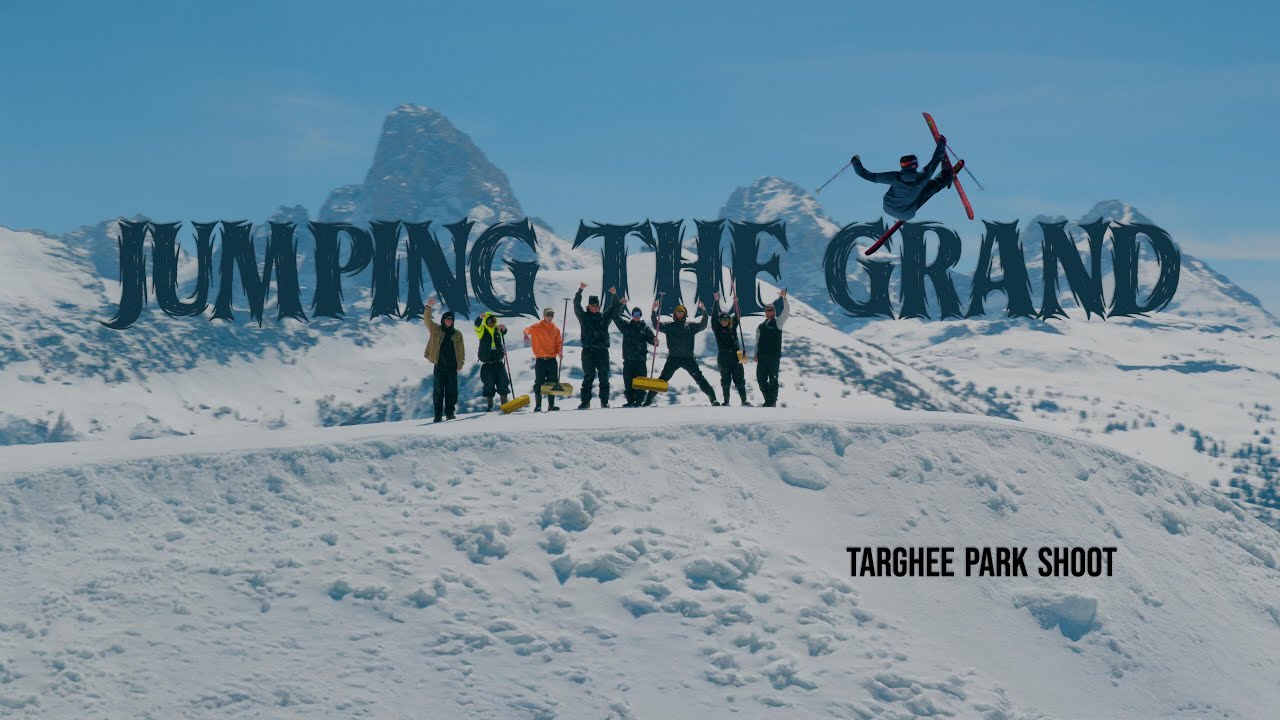
Grand Targhee is not a national park-and-pipe machine, but its freestyle setup fits the resort’s personality. North Pole Terrain Park is positioned as a progression-friendly zone where skiers can build confidence, test small features, and keep freestyle movement active between powder days. The resort’s park safety guidance emphasizes basic lane discipline: one rider on a feature at a time, call your start, clear landings quickly, and respect closed features.
That progression scale is useful because Targhee’s natural terrain already supplies many of the best freestyle cues. A skier can work rails or small jumps in the park, then move into side hits, wind lips, rollovers, and powder takeoffs elsewhere on the mountain. The same skill carries across both settings: stable speed into a blind lip, clean direction in the air, and a landing that stays balanced when the snow is soft or variable.
Grassroots events add structure. Grand Targhee has promoted USASA terrain park and boarder-cross competition, Terrain Park Takeover events, and surf-style park builds that turn North Pole into hips, berms, spines, quarterpipe shapes, and bowls. These are not X Games stages. They are regional progression tools, which is exactly where Targhee works best: low-pressure repetition, strong snow, and enough creativity to make small features matter.
IFSA Lines On Peaked Mountain
Freeride competition gives Grand Targhee more weight than its quiet reputation suggests. The resort has hosted IFSA Freeride World Qualifiers on Peaked Mountain, with adult skiers and snowboarders from the western United States competing on terrain such as Reliable and Bobcat. The event format required venue inspection, athlete meetings, early lift loads, beacon use during inspection and competition, and finals on the final day.
Those details say more than a marketing phrase. A freeride qualifier needs terrain with readable starts, consequence, judging options, and enough snow safety structure to run a controlled contest. Peaked Mountain fits that role because it offers steep panels without losing the resort’s approachable flow. Competitors can link airs, directional turns, and speed control without dealing with the exposure level of a major Alaska face or the crowd pressure of a global tour stop.
Sammy Carlson also ties Grand Targhee to freeski media history through a Teton Gravity Research big-air session filmed at the resort in 2008. Alex Lundstrom adds a freeride-development link, with his public profile noting a North American age-group big-mountain title crowned at Grand Targhee. Those connections place the resort in a useful middle ground: not a stadium venue, but a mountain where serious skiers have built real moments.
Driggs Access And The Jackson Hole Counterpoint
Grand Targhee is located in Wyoming, but most visitors approach it through Teton Valley, Idaho. Driggs is the practical base town, with Ski Hill Road climbing east toward the resort. The drive from Jackson Hole Airport or Idaho Falls Airport is listed at about 1.5 hours, depending on road conditions. That geography gives Targhee a quieter feel than the resort scene across Teton Pass.
The comparison with Jackson Hole is unavoidable, but it should be handled carefully. Jackson Hole is steeper, more famous, more exposed, and more event-visible. Grand Targhee is softer, snowier in feel, more forgiving, and usually less intense. For a freeski trip, the two mountains can complement each other. Jackson tests line commitment and technical steep skiing. Targhee gives repeated powder laps, smoother landings, and a better chance of relaxed storm-day flow.
On-mountain movement is simple. Start on Fred’s Mountain to confirm visibility, surface texture, and edge grip. Move to Peaked when the light improves or when wind has created chalk. Use the park for a focused session rather than an all-day detour. Save Mary’s Nipple for days when patrol opens the hike and your legs are still sharp. Targhee skiing works best when the plan is flexible and the storm decides the order.
Backcountry Gates Tree Wells And Teton Discipline
Grand Targhee’s safety language is direct. Skiers and snowboarders who cross beyond the resort boundary do so at their own risk, and the resort points users toward the Bridger-Teton Avalanche Center for regional avalanche hazard and weather forecasts. That matters because the west side of the Tetons can feel friendly while still holding serious avalanche terrain beyond controlled areas.
Inside the resort, closures and ropes deserve the same respect. Mary’s Nipple and other staged openings depend on patrol decisions, snow stability, wind, coverage, and visibility. Ducking ropes weakens the whole operating system. Tree wells are another practical hazard during deep cycles. Ski with a visible partner, regroup above hazards, and avoid disappearing into low-angle trees alone just because the snow looks soft.
Park etiquette is part of the same discipline. Inspect features, choose the correct line size, keep speed predictable, and clear landings before celebrating or filming. In powder zones, stop where uphill skiers can see you. In hike-to terrain, move efficiently and do not block the bootpack. Targhee has a relaxed surface culture, but the mountain runs best when skiers treat that relaxed feeling as earned, not automatic.
The Powder Rhythm That Keeps Targhee Relevant
Grand Targhee matters to freeskiers because it turns snow volume into repeatable progression. A strong skier can spend one day lapping Fred’s Mountain in a storm, the next reading Peaked Mountain in better light, and the next working small park features while waiting for the next refresh. The mountain is not trying to be the loudest resort in the Tetons. Its strength is the number of quality decisions it gives skiers without making the day complicated.
Teton Gravity Research gives the resort a useful media connection, but Targhee’s real value is not only film history. It is the way everyday skiers can access the same ingredients that make a segment work: deep snow, clean horizons, Teton views, natural takeoffs, and enough terrain variety to build a line instead of forcing one trick.
The best plan is simple. Come in midwinter for powder odds, bring storm lenses, watch the lifts and trails report, keep a backup plan for road weather, and ski the mountain in layers. Grand Targhee is strongest when the day starts in low-contrast trees, opens into Peaked Mountain chalk, and finishes with one clean park lap before the next west-slope storm rolls over the Tetons.