Édouard Thériault - Edjoy
Profile and significance
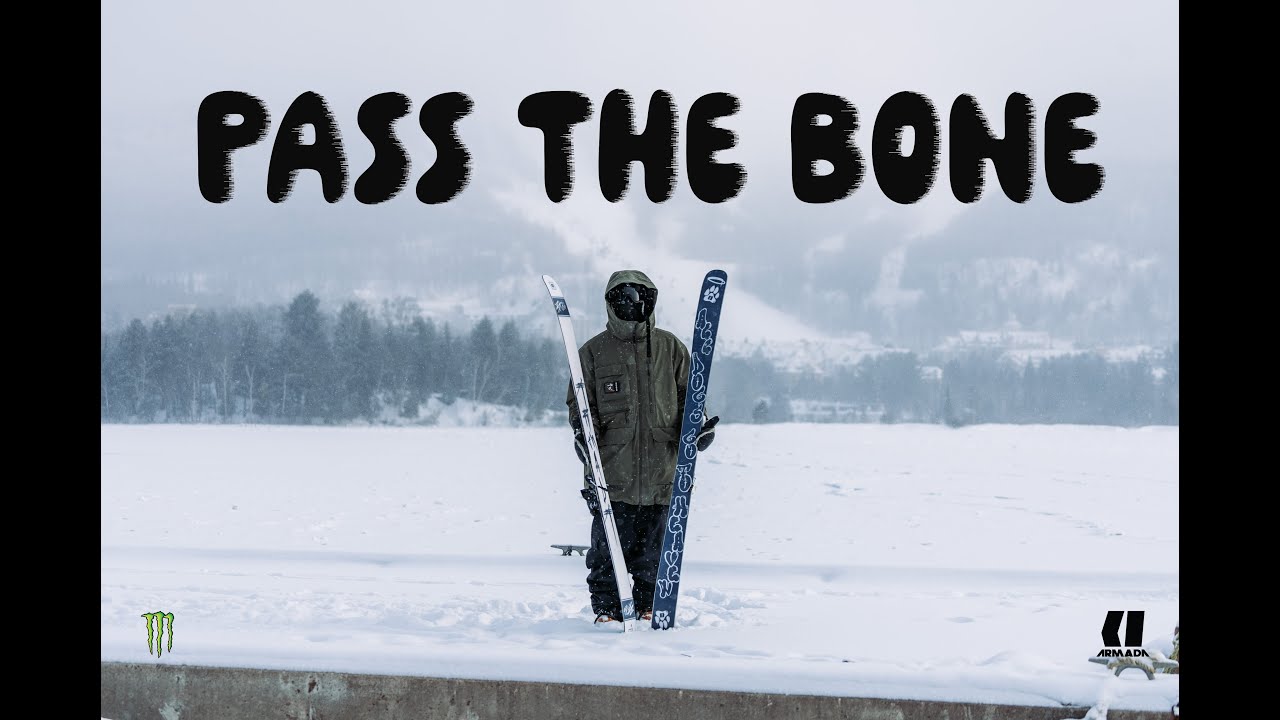
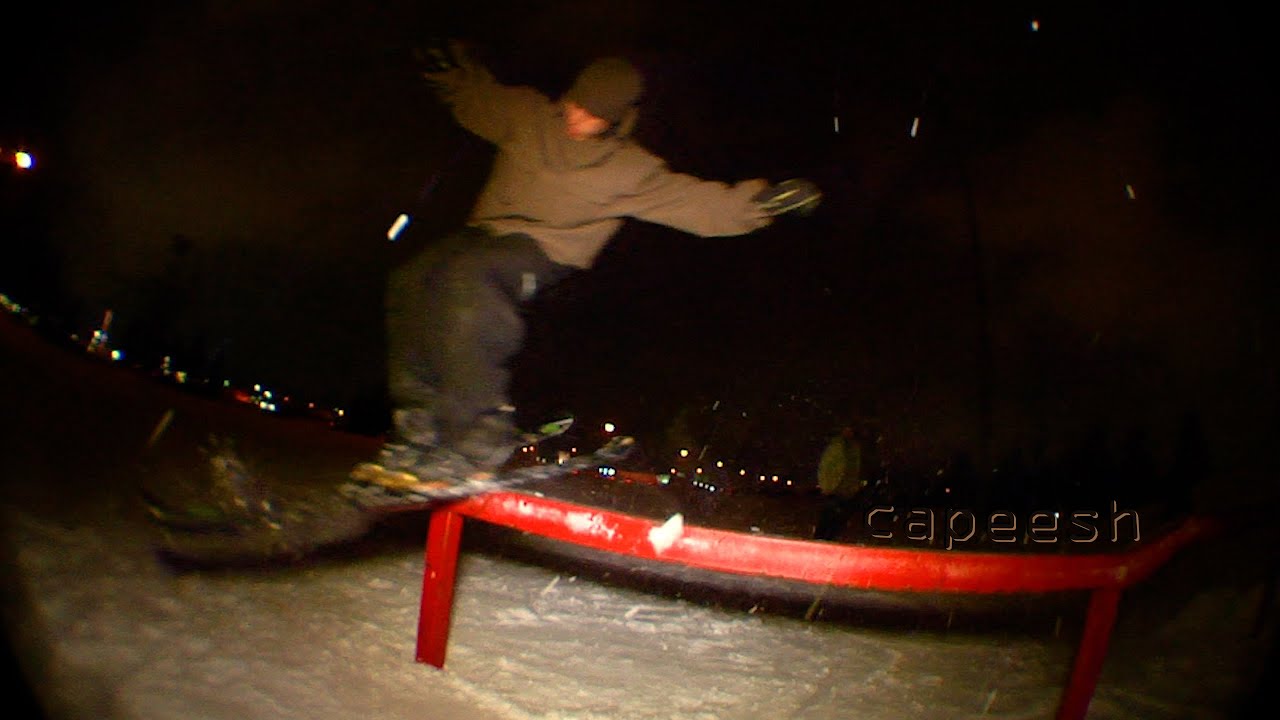
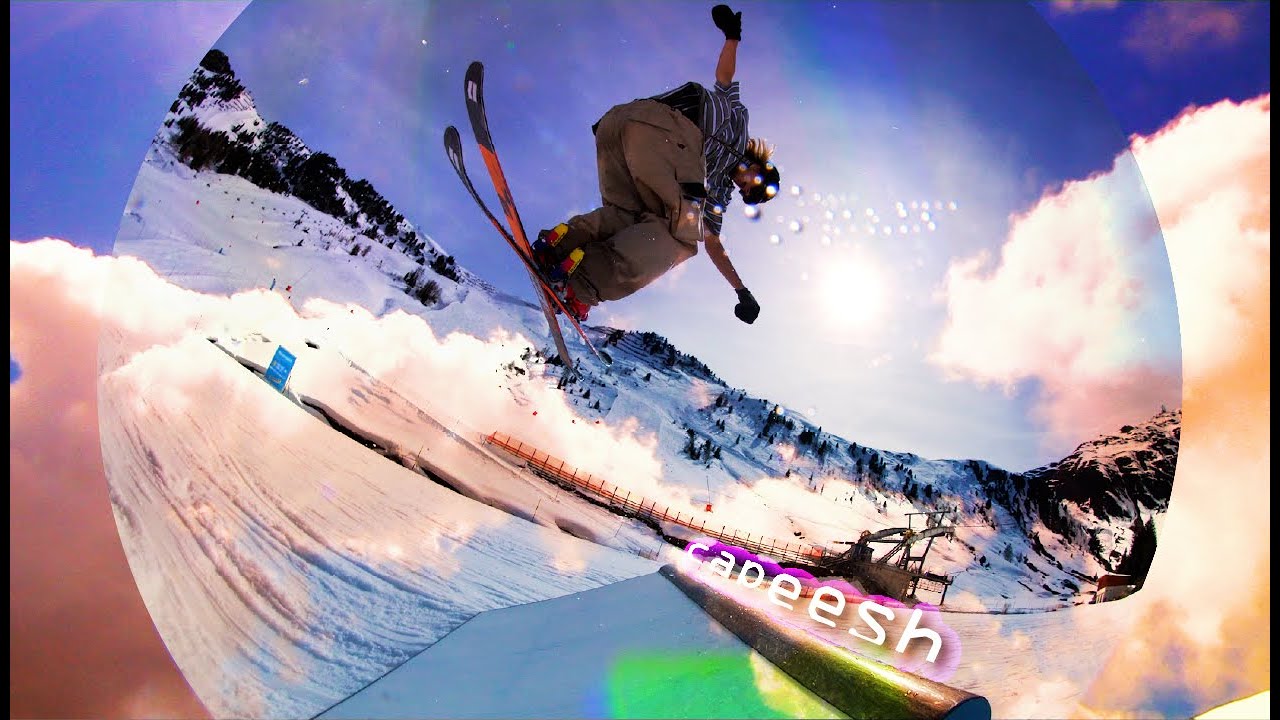
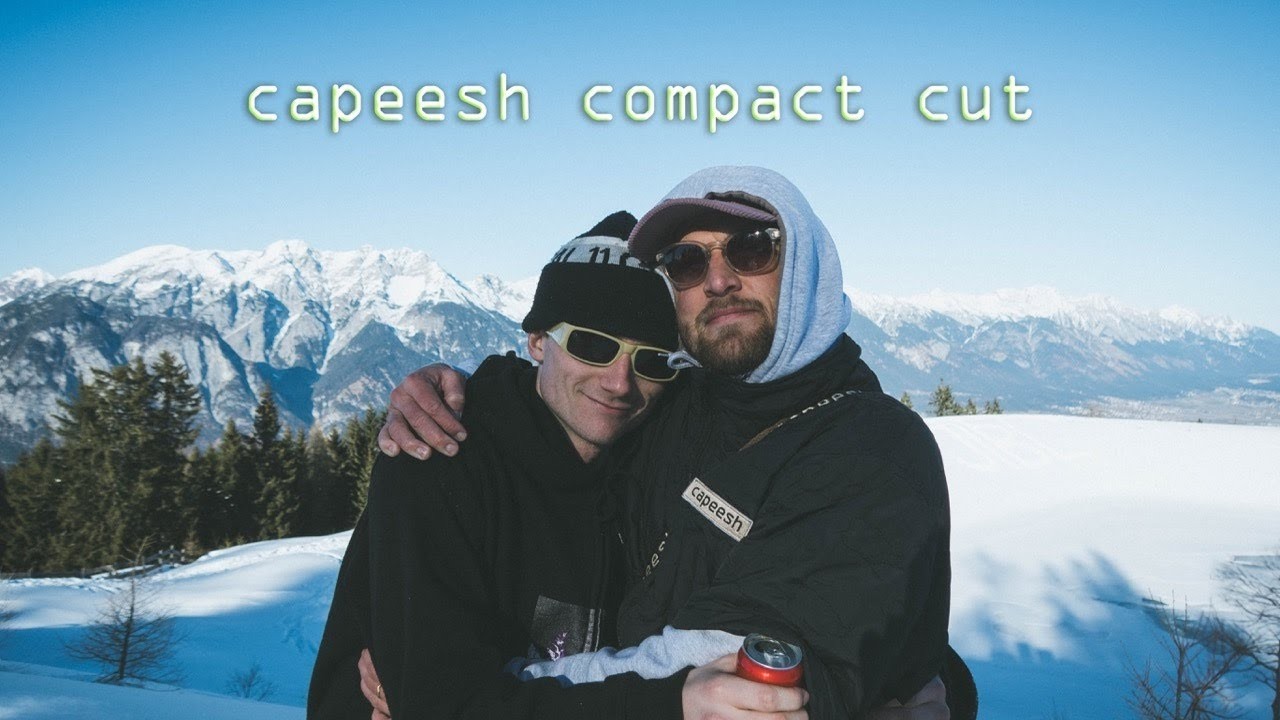
Édouard “Edjoy” Therriault is a Canadian freeski original from Lorraine, Québec, born in 2003, whose blend of creativity and big-ticket execution made him a fixture on World Cup broadcasts and a cult favorite in modern park skiing. After grabbing global attention with big air silver at the 2021 World Championships in Aspen, he added World Cup podiums in both slopestyle and big air, a start at the Olympic Winter Games, and multiple appearances at the X Games. In June 2025, still only 22, he announced he was stepping away from the World Cup start gate to pursue film-forward, art-driven skiing—leaning into the same “frequenski” ethos that has always set him apart. His partners mirror that identity: he rides for Atomic and pours creative energy into projects with Monster Energy, streetwear collective Capeesh Supply, and Québec core retailer D-Structure.
Therriault’s nickname hints at the program. “Edjoy” is both a persona and an instruction: make skiing read like live music. The approach shows up in trick selection, in how he punctuates lines, and in edits that mix painting, filming, and sound design. He is a true crossover—contest-tested yet unmistakably an artist on skis—whose output resonates with park skiers, judges, and casual viewers in equal measure.
Competitive arc and key venues
The progression beats are clear. In 2019 he won junior world slopestyle gold at Sweden’s Kläppen, a venue renowned for shaping world-class park skiers. Two seasons later, at Aspen’s Buttermilk, he landed a clutch final-run switch double bio 1800 to claim silver at the FIS World Championships—Canada’s best big air result at that level at the time. He followed with a first World Cup podium in slopestyle at Font-Romeu in January 2022 and then a big air silver on the stadium jump at Beijing’s Shougang Park in December 2023. Along the way he earned starts at the X Games in Aspen, a setting that rewards both amplitude and personality.
These sites are more than pins on a map. Kläppen compresses decision-making into clean rail work and measured jump speed. Buttermilk demands multi-feature flow under cameras and crowds. Font-Romeu’s Pyrenean light and rhythm emphasize landings that preserve speed. Shougang’s permanent city big air, framed by repurposed steelworks, tests commitment under pressure. As he transitions from tour stops to film missions, expect those habits to translate: precise approaches, trick variety with purpose, and outruns that stay quiet without showy recoveries.
How they ski: what to watch for
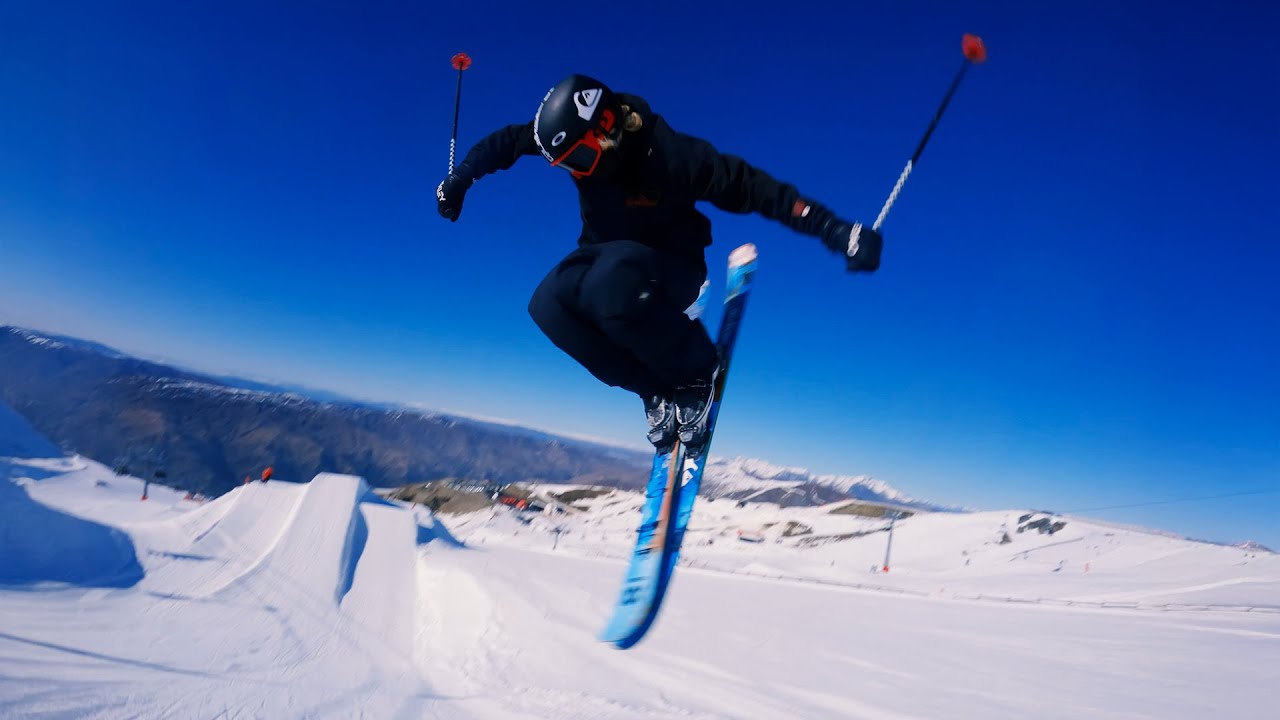
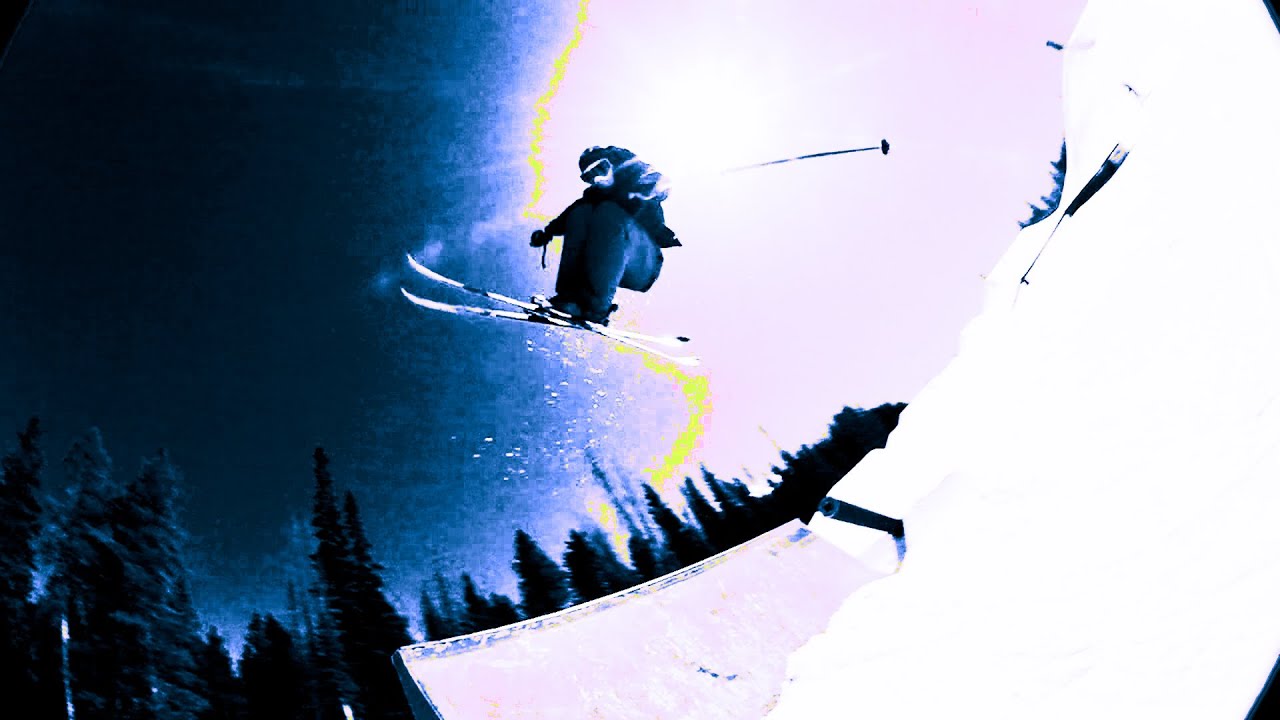
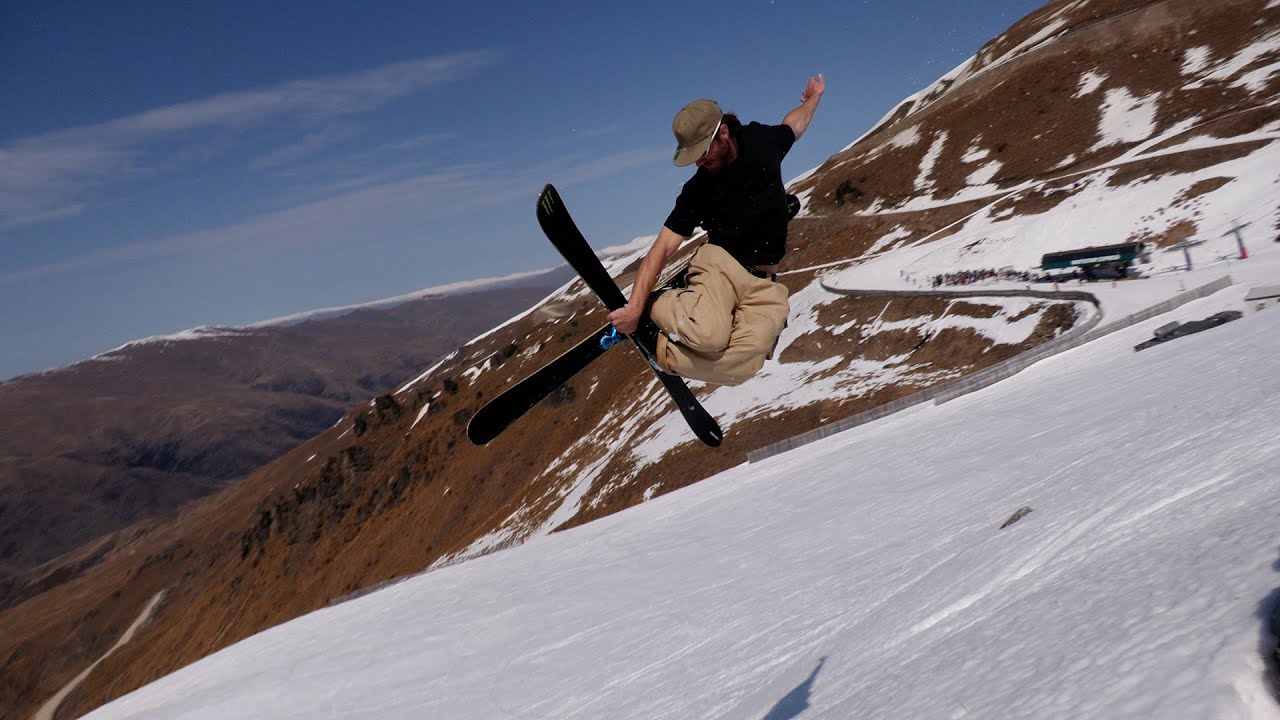
Edjoy’s trademark is timing. He commits to grabs early—safety, tail, or blunt to taste—and holds them long enough to calm the axis and keep the shoulders stacked. It’s why his spins, even at 18 and 19 rotations, read as deliberate rather than frantic. Switch entries arrive with proper drift control, not skid; takeoffs are tall and patient; landings finish over the feet with speed intact. On rails he prefers decisive lock-ins and exits that protect line momentum. Nothing feels accidental, yet nothing feels over-coached—the rare balance of skate-inspired looseness and contest-grade precision.
When evaluating a Therriault lap, look for spacing. He leaves room between moves so each trick sets up the next one. Look also at how the grab choice stabilizes the spin instead of decorating it; that discipline keeps axes clean even when the rotation count climbs. The effect is skiing that plays beautifully at normal speed and rewards frame-by-frame rewatching.
Resilience, filming, and influence
World-level highs came early, but the story since 2024 has been autonomy. Injury spells and the grind of qualification reshaped his priorities, culminating in a 2025 decision to step away from World Cup big air and slopestyle. Rather than soft-pedaling, he redirected the same intensity toward projects that merge street features, backcountry booters, and visual art. The result is a rider who still treats difficulty as a canvas, just without the clock. Because he communicates his process—why a certain grab choice steadies a bio axis, how to build speed into short landings—his clips double as teaching material. Younger skiers imitate his patience into lips and his habit of finishing tricks early enough to ride away with composure.
Influence also comes from tone. Edjoy champions style as substance, not garnish. The mantra—be your own jazz—encourages skiers to choose tricks that suit the venue, then execute them with rhythm, not panic. That perspective travels well, whether the setting is an urban kink in Montréal, a spring line on Whistler’s public park, or a single-hit stadium jump.
Geography that built the toolkit
Therriault grew up lapping the Laurentians at Tremblant, where cold Quebec nights and compact snow teach honest edge angles and measured speed checks. As his calendar expanded, the places became teachers: junior world gold at Kläppen reinforced variety and flow; Worlds silver at Buttermilk validated composure on camera; a first World Cup slopestyle podium at Font-Romeu rewarded terrain-reading in variable light; big air silver at Shougang Park proved he could deliver under stadium pressure. Those venues—and the communities surrounding them—explain why his skiing feels centered no matter the build.
Equipment and partners: practical takeaways
Edjoy’s current hardware is straightforward and functional. With Atomic he uses park-capable platforms built for pop and predictable swing weight, ideal for early-grab, measured-spin skiing. Energy and production backing from Monster Energy keeps the cameras rolling when a project needs multiple build days. Apparel from Capeesh Supply and shop support via D-Structure tie him to the creative, rider-run side of the sport.
For skiers trying to borrow from his playbook, the actionable notes are simple. Choose a symmetrical or near-symmetrical park ski and mount so butters and presses feel natural without sacrificing stability on takeoff. Keep edges sharp enough to hold on steel but soften contact points to avoid surprise bites. Pick goggle lenses that preserve contrast at dusk, typical of evening sessions at city-style venues like Chur and in flat light common to alpine bowls. Most importantly, treat the grab as a control input: locking it early stabilizes the axis and keeps landings clean.
Why fans and progressing skiers care
Édouard Therriault matters because he reconciles freeskiing’s two big impulses—art and sport—without diluting either. He owns a world championship medal, World Cup podiums, and Olympic and X Games credentials, yet he’s equally committed to film segments that advance style, sound, and story. The skiing itself is readable at full speed, the choices are intentional, and the execution holds up under the brightest lights. Whether you watch for slopestyle craft, big air nerve, or the next wave of street-influenced edits, Edjoy offers a blueprint: creativity first, mechanics tight, momentum preserved. That combination is why he sits near the center of freeski culture even as he steps away from ranking points and leans harder into the work that made his name.