Profile and significance
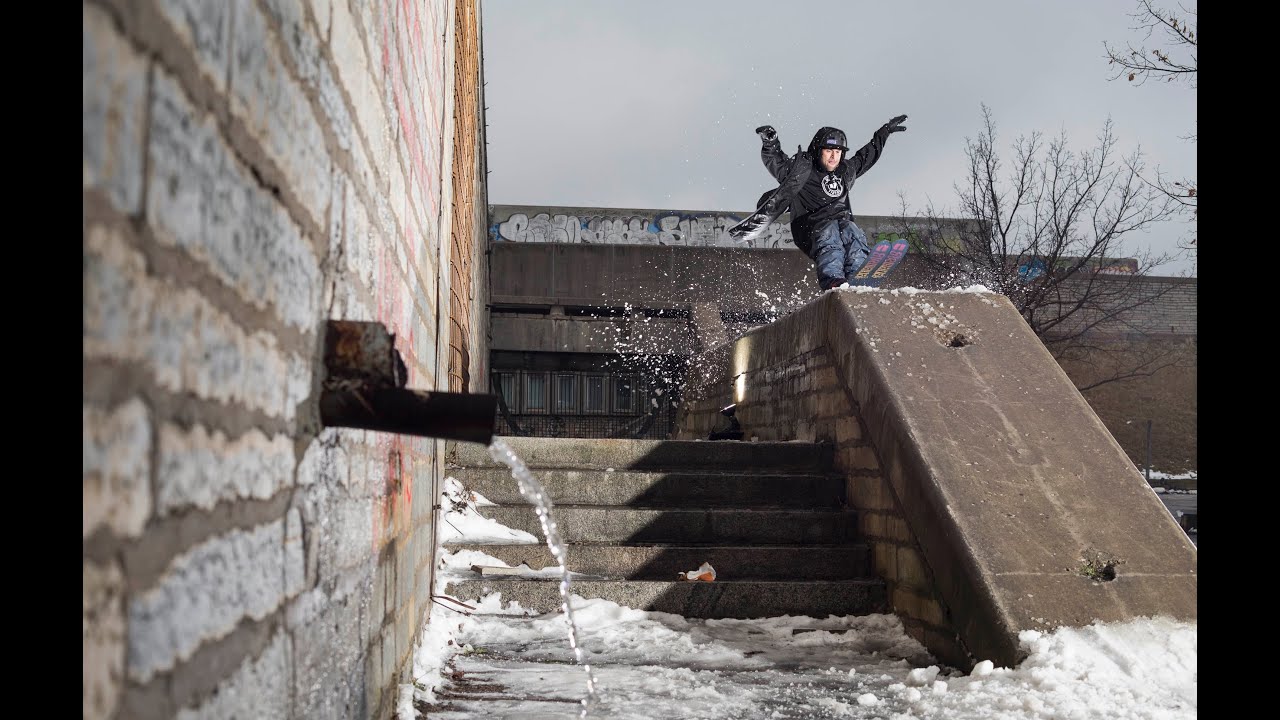
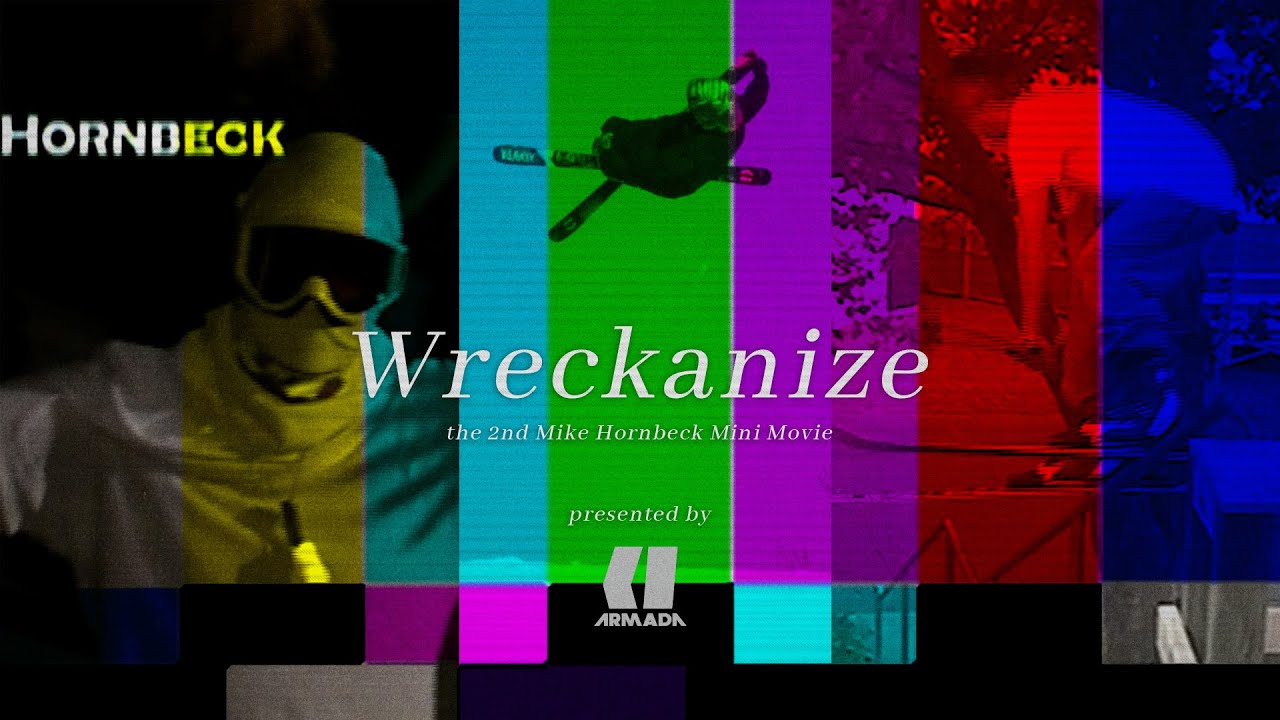
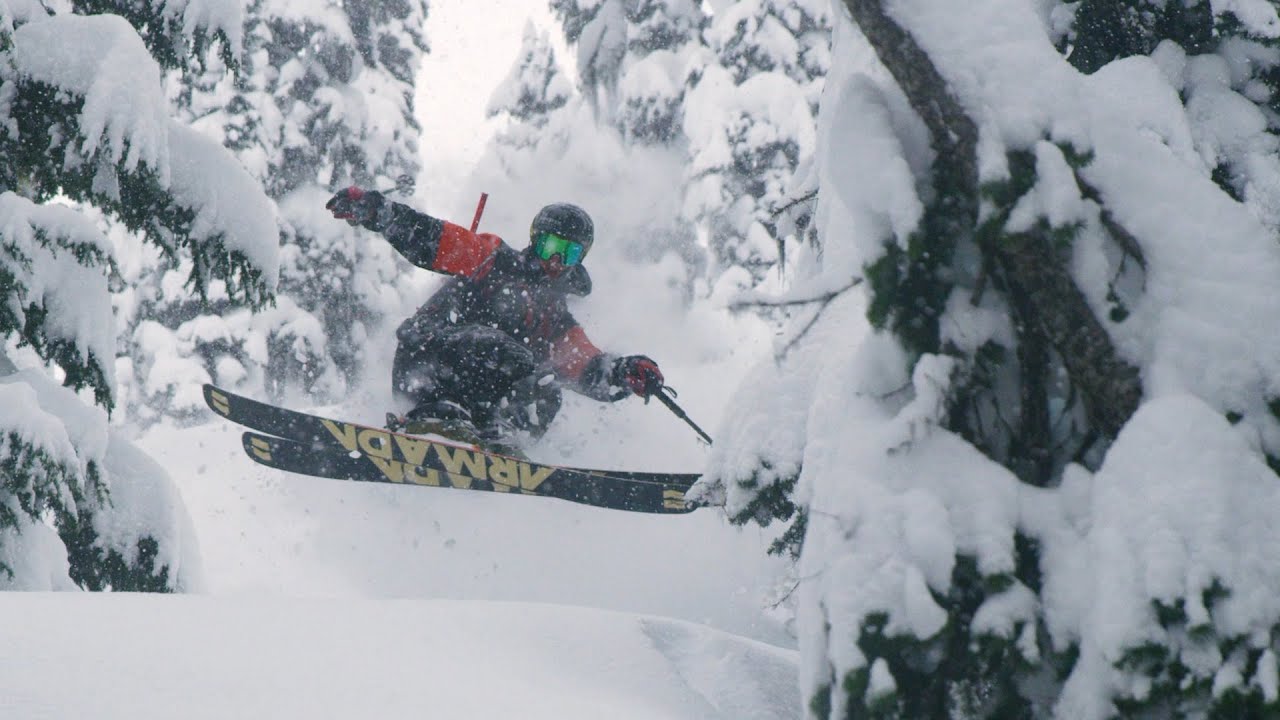
Mike Hornbeck is an American freeski icon from Michigan whose street-first approach, butters and presses helped define the look of modern park and urban skiing. Rising through the mid-2000s film era, he became one of the most recognizable riders in Level 1’s catalog with standout appearances in titles like Realtime, After Dark, and other projects that centered style and originality over podiums. A long-time member of the Armada team, he later carried his aesthetic into rider-led web parts and brand pieces that many skiers still study frame by frame. Hornbeck’s significance rests on cultural impact: the way he made presses, shiftys, nollies and reverts read as a complete language—and how that language spread from Midwest rope-tow parks to edits worldwide.
His visibility extended beyond films into headline events tailored for urban skiers. In 2018 he competed in X Games Real Ski, the all-video, all-street contest that showcases the sport’s purest rail craft and spot selection. While he didn’t leave with a medal, the invite alone underscored what most peers already believed: Hornbeck is a taste-maker whose clips influence how others build their tricks, choose their lines, and evaluate style. The result is a profile measured less by trophies and more by the lasting replay value of his skiing.
Competitive arc and key venues
Hornbeck’s “competitive arc” is atypical by design. Rather than chasing slopestyle starts week to week, he prioritized filming seasons and special-format showcases. The invite to X Games Real Ski in 2018 placed him on the sport’s biggest stage for urban riding, reinforcing his long-running role as a reference for rails and surface tricks. Back home, his laboratory has been Michigan night-skiing culture—small hills and frequent laps that sharpen timing and edge control. Places like Cannonsburg near Grand Rapids and Bittersweet in Otsego are closely associated with his name through edits and community sessions. Those venues explain his approach as well as any result sheet: compact parks that reward creativity, repetition, and economy.
On the brand and film side, Level 1’s projects gave him global reach, while collaborative pieces with Armada kept his voice at the front of style conversations during the social-media era. That balance—local parks for skill-building, film crews for distribution, and selective competitions for validation—maps the path many modern street skiers now follow.
How they ski: what to watch for
Hornbeck is a master of clean, low-effort movement that still reads unmistakably technical. On rails, the tell is how long he holds positions without wobble: locked backslides, decisive presses, and surface swaps that happen with minimal arm swing. He enters features from a neutral, tall stance, setting edge pressure early so the base stays flat through kinks and waterfall rails. Exits look inevitable rather than reactive, with shoulders square and speed preserved for the next hit.
On jumps and side hits he favors patience into the lip, late pop, and grabs established before 180 degrees. Shifty variations and nose or tail butters aren’t decorative flourishes—they’re the framework that makes his rotations look suspended in slow motion. The overall impression is skiing you can learn from: quiet upper body, soft ankles on impact, and tricks that begin with balance rather than force.
Resilience, filming, and influence
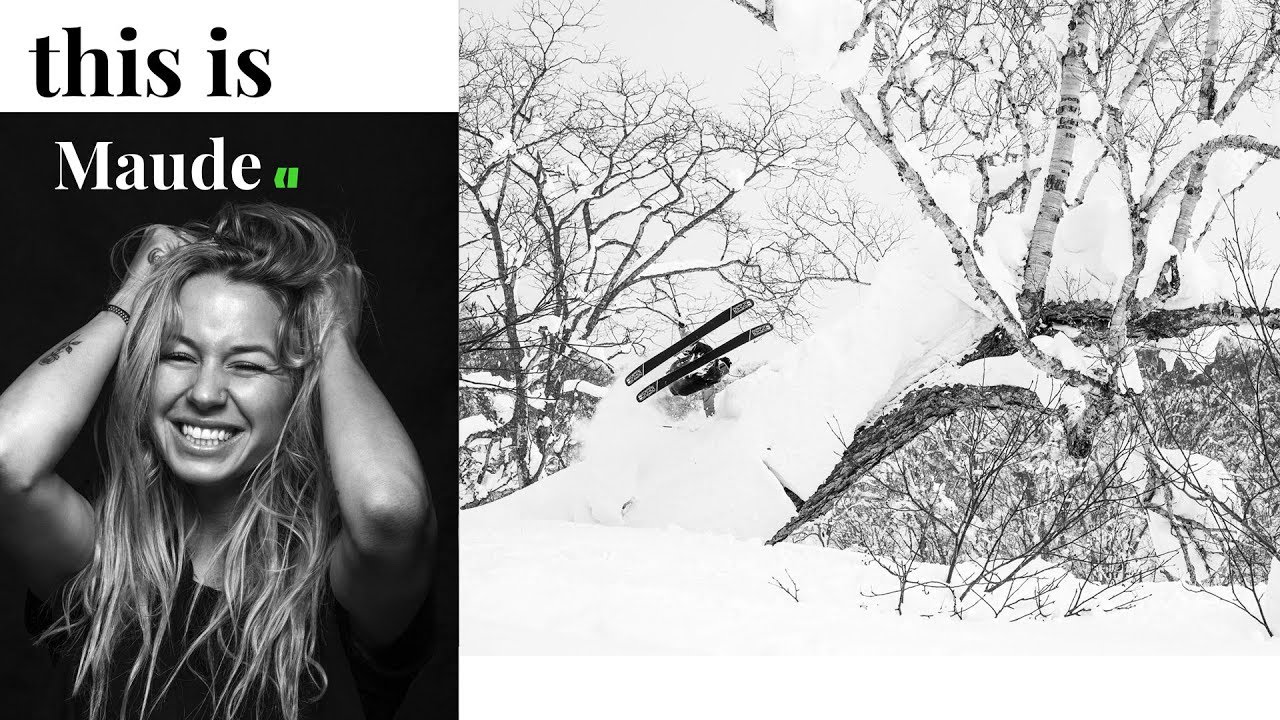
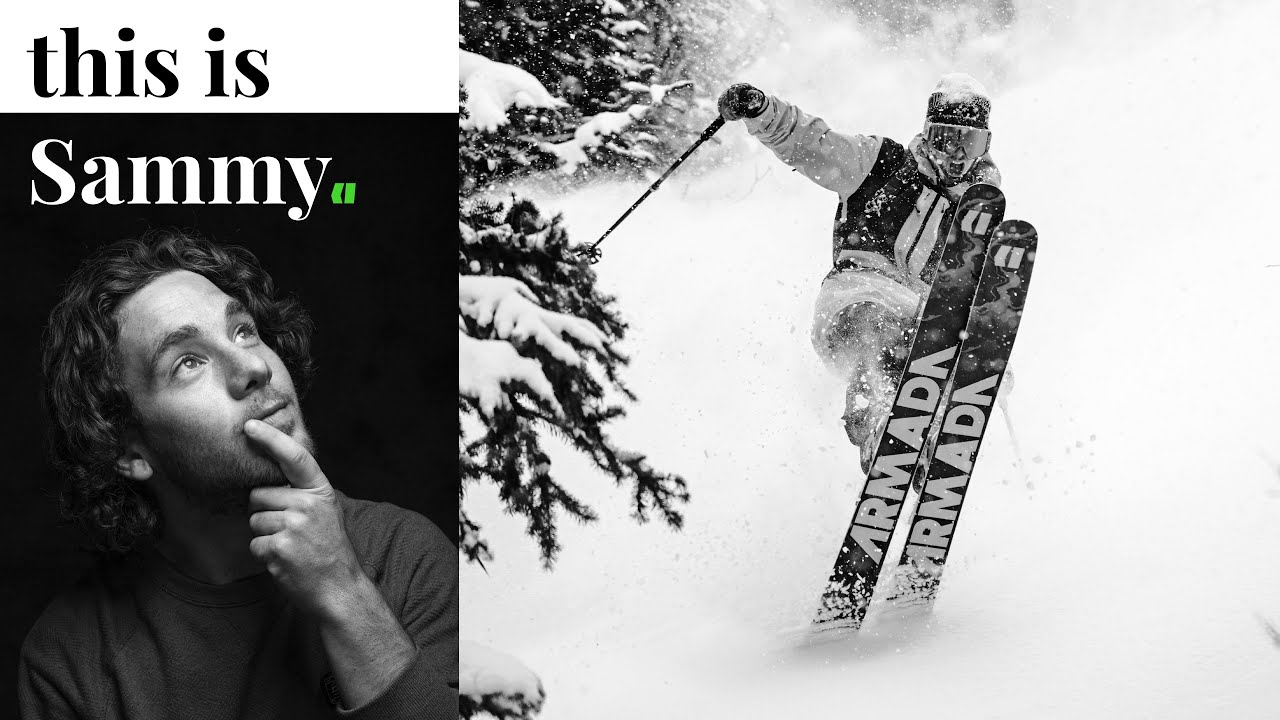
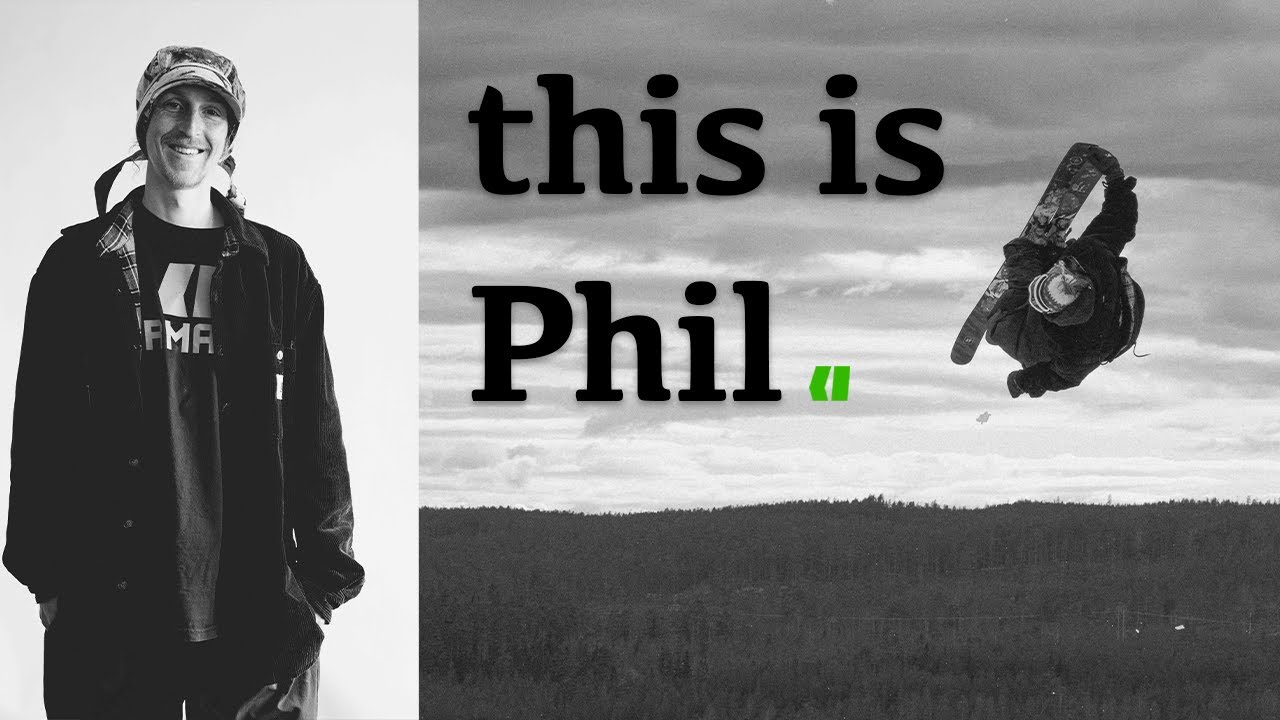
Across a long career Hornbeck navigated injuries and the shifting economics of film skiing, yet kept producing parts that set the bar for style. His “This Is Armada” features and later collaborations with filmmaker friends showed how to build memorable segments on accessible terrain, a lesson embraced by crews worldwide. He also leaned into creative side projects with Armada, including short-form pieces and art-driven edits that extended his voice beyond traditional ski movies. The cumulative effect is influence that outlives any given season: riders imitate his presses and line choices; parks rebuild features to recreate his clips; and coaches still use his movement patterns as teaching references.
Geography that built the toolkit
Hornbeck’s toolkit is pure Midwest. Frequent laps under lights in Michigan—especially at Cannonsburg and Bittersweet—create the conditions where subtle edge control matters more than gravity. Short run-ins, modest speed, and tight decks demand precise setups and centered landings, traits that define his rail skiing. When film seasons took him beyond the Midwest, he exported that control to bigger features without altering the blueprint. The result is a style born on small hills that scales cleanly to city handrails and travel segments.
Equipment and partners: practical takeaways
As a long-time Armada pro, Hornbeck’s setups have emphasized playful flex patterns that accept heavy detune at the contact points yet stay supportive for butters and presses. His eyewear and protection have included SHRED. and Slytech pieces, reflecting a focus on vision and impact management during urban sessions. For progressing skiers, the lessons are straightforward: pick a park ski with a balanced, medium-soft flex you can bend without folding; mount near center to stay neutral on switch landings; detune enough to reduce rail bite; and keep bindings at a ramp angle that doesn’t force you into the backseat. Off-snow, build Hornbeck-like habits—video review to check shoulder alignment, balance drills for press control, and structured repetitions so surface swaps feel deliberate rather than lucky.
Why fans and progressing skiers care
Fans care about Mike Hornbeck because he made freeski style specific and teachable. His parts distilled ideas—how long to hold a press, when to set edge, how to let a shifty breathe—that riders could copy the next day at their local hill. For developing skiers, he remains a blueprint for getting more out of small parks and for turning subtle technique into standout clips. Whether the backdrop is a Michigan rope tow, a city handrail, or an X Games Real Ski part, Hornbeck’s skiing reads the same: patient, precise, and quietly elite.