Mammut
Switzerland
Swiss mountain sports and safety brand | Founded in 1862 by Kaspar Tanner in Dintikon | Known for: ropes, Barryvox avalanche transceivers, Removable Airbag System 3.0, Eiger Extreme, Eiger Free, La Liste projects, avalanche backpacks, technical shells, harnesses and alpine equipment | Focus: safety, protection and durable mountain systems for skiers, freeriders, guides, alpinists and ski tourers moving into serious terrain.
1862 rope-making roots and the Swiss safety identity
Mammut is not a ski manufacturer, boot brand, binding company or film studio. It is a Swiss mountain sports brand whose importance in skiing comes through safety, avalanche equipment, technical outerwear, backpacks, ropes and alpine systems. The company traces its roots to 1862, when Kaspar Tanner founded a rope-making business in Dintikon, Switzerland.
That origin matters because Mammut’s ski relevance is built on trust. Before the brand became visible in freeride films or ski-touring packs, it was already connected to rope, load, fall consequence and mountain reliability. In skiing, this heritage transfers naturally to avalanche safety, airbag backpacks, high-alpine shells and rescue equipment. Mammut does not define the ski underfoot. It defines much of the gear that helps a skier enter avalanche terrain with more preparation.
The company began trading under the Mammut name in the 1950s as its focus moved toward mountaineering and sailing ropes. Its first nylon glacier rope became a milestone for alpine safety, and by 1969 the brand had developed the Barryvox VS 86 avalanche transceiver for the Swiss Army. That line, more than almost anything else, explains Mammut’s snow identity today: mountain equipment where failure is not an aesthetic problem, but a safety problem.
Barryvox, airbags and the backcountry safety core
Mammut’s ski-relevant product world starts with avalanche safety. Barryvox is the central name. Modern Barryvox devices are digital avalanche transceivers designed to help locate buried partners during avalanche rescue. They belong in a full kit with shovel, probe, training, partner practice and conservative terrain judgment. A beacon alone is not safety. It is one part of a system.
The second major pillar is avalanche airbag technology. Mammut’s Removable Airbag System 3.0 is built into compatible packs and can be transferred between certain Mammut backpack models. Products such as the Eiger Free 20 Removable Airbag 3.0 show the current direction: ultralight, freeride-focused, modular and designed for steep ski-touring missions where movement and safety gear both matter. Mammut lists features such as diagonal ski carry, snowboard and splitboard carry, helmet carrier, ice axe loops, radio pocket, hydration compatibility and a removable airbag system.
The Eiger Free 20 is especially relevant because it was developed with elite athletes including Nadine Wallner and Jérémie Heitz. That matters in a category where pack behavior is critical. A ski-touring airbag has to carry rescue tools, stay stable while skiing fast, allow transitions, resist abrasion and remain simple enough to use in stress. Mammut’s strongest snow products are built around exactly that practical tension.
Eiger Extreme and La Liste as the freeride apparel language
Mammut’s apparel identity is anchored by Eiger Extreme. Introduced in 1995, the collection became the brand’s high-alpine, no-compromise line for serious mountaineering, ski touring and exposed mountain use. In skiing, Eiger Extreme shells, pants, insulation and hybrid pieces belong to the same world as ropes and avalanche tools: technical equipment for bad weather, long exposure and consequential terrain.
La Liste adds the freeride and film layer. Jérémie Heitz’s La Liste projects made Mammut visible in high-speed steep skiing, where clothing, packs and safety gear had to survive extreme pitch, cold, sluff, speed and alpine logistics. The La Liste-inspired product direction gives Mammut a more ski-specific identity than a general mountaineering brand alone.
This is one of Mammut’s biggest strengths for skipowd.tv. The brand is not only a catalog of jackets. It is attached to visible skiing: steep faces, Freeride World Tour contexts, film lines, backcountry packs and gear choices that serious skiers recognize immediately. Mammut’s apparel looks clean, but its strongest argument is function in terrain where a zipper, hood, pocket, vent or pack fit can matter.
Ride feel without skis: how Mammut changes the day
Mammut does not make the ski, so its “ride feel” appears in how the kit behaves around the skier. A good Mammut airbag pack should sit close to the back, avoid swinging during fast turns, keep avalanche tools organized and allow fast access when the situation changes. A good Mammut shell should move with the skier, fit over a helmet, vent on the climb and block wind on the ridge.
For lift-accessed freeriders, compact airbag packs and robust shells are the most relevant products. They support short hikes, sidecountry exits, steep lines, trees, pillows and storm-day resort laps where avalanche terrain may sit just beyond the lift. For ski tourers, higher-volume packs, lighter shells, touring pants and breathable midlayers become more important because the day includes long climbs and repeated transitions.
For ski mountaineers, Mammut’s rope and harness heritage comes back into the story. Glacier travel, rappels, couloir access, technical ridges and exposed transitions require equipment beyond ordinary resort gear. Mammut’s unique position is that it can support the whole serious mountain system: rope, pack, shell, beacon, shovel, probe, airbag and alpine hardware.
Jérémie Heitz, Nadine Wallner and the steep-skiing signal
Mammut’s ski credibility is strongly linked to athletes who operate in consequential terrain. Jérémie Heitz is the clearest reference. His La Liste projects, high-speed steep skiing and freeride identity match Mammut’s safety-first, alpine-performance position almost perfectly. A skier moving fast on 50-degree faces is not a casual apparel model. The gear has to function in extreme terrain.
Nadine Wallner brings another important credibility layer. As a freeride athlete involved in product development for packs such as Eiger Free, she connects Mammut to real ski-touring and freeride use, not only mountaineering heritage. Her input matters because women’s freeride and touring gear should not be treated as recolored men’s equipment. Fit, pack balance and movement are product problems that need athlete testing.
Mammut is also present in the Freeride World Tour safety ecosystem. That kind of partnership fits the brand better than a generic lifestyle sponsorship. The FWT depends on avalanche knowledge, venue assessment, airbag packs, transceivers, rescue systems and athletes who ski faces where safety equipment is part of the start-gate ritual.
Swiss Alps geography and global backcountry use
Mammut’s geography starts in Switzerland, from Dintikon rope-making roots to the modern Seon / Swiss mountain sports identity. That gives the brand natural proximity to the Alps, where glacier travel, steep skiing, high huts, storm cycles, cold ridges and technical terrain have shaped European mountain equipment for generations.
The brand’s ski map extends far beyond Switzerland. Mammut gear belongs in the Valais, Chamonix, Verbier, Davos, Zermatt, La Grave, Norway, Japan, British Columbia, Alaska and the Tetons. Any place where skiers combine avalanche terrain, touring, freeride and alpine exposure is a natural Mammut environment.
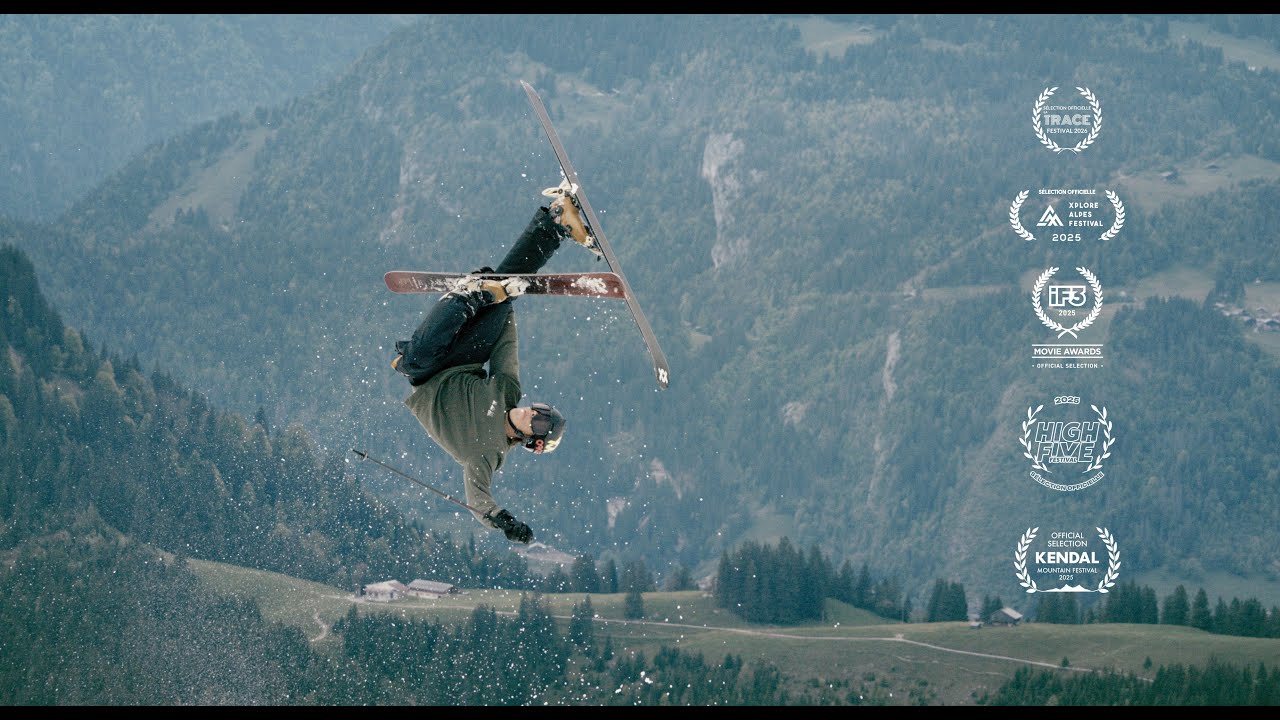
On skipowd.tv, Mammut is connected to All On Black with Tucker Carr and Lalo Rambaud, alongside locations such as Jackson Hole, La Clusaz and Whistler-Blackcomb. That is the right context: a modern freeride / backcountry video where the brand functions as safety and mountain infrastructure rather than as the ski itself.
Construction, durability and responsibility
Mammut’s construction story is built around durability and safety. Avalanche shovels need stiff blades and shafts that can dig hard debris. Probes need fast deployment and reliable locking. Airbag packs need reinforced fabrics, stable harness systems, functional ski carries and airbag mechanisms that can be inspected and serviced. Shells need waterproof-breathable fabrics, durable zippers, helmet-compatible hoods and pockets placed for harnesses or packs.
The brand also has a visible responsibility layer. Mammut has worked on reducing harmful water-repellent chemistry, improving material choices, using recycled fabrics in selected products and supporting repair and product care. For ski gear, durability is a sustainability issue as much as a performance issue. A jacket, pack or avalanche shovel that survives many seasons is better than one replaced quickly.
Safety products also require a different kind of responsibility. Transceivers, airbags and rescue tools must be checked, maintained and used correctly. The 2024 Barryvox 2 and Barryvox S2 recall is important to mention because these are critical devices. Mammut identified a potential power-switch issue and recalled affected Winter 24/25 units for inspection, repair or exchange. Any skier buying used or older-stock Barryvox 2 / S2 units should verify recall status directly with Mammut before relying on the device.
Choosing Mammut for skiing
Choosing Mammut starts with terrain. If you ski only groomed pistes, Mammut may make sense mainly for outerwear, insulation and gloves. If you ski sidecountry, marked freeride routes, touring zones or avalanche terrain, the safety system becomes the priority: beacon, shovel, probe, practice and possibly an airbag pack.
For lift-accessed freeride, a compact airbag pack around 20 to 30 liters is usually the most practical. It should carry avalanche tools cleanly, fit your torso, stay stable when skiing fast and allow ski or snowboard carry if needed. For full-day ski touring, choose more capacity, better load transfer, skin storage, hydration compatibility and attachment options for helmet, rope, crampons or ice axe.
For apparel, Eiger Extreme and La Liste-style pieces are best for exposed freeride, big weather and high-output mountain days. Resort skiers may prefer warmer or softer pieces from the broader Mammut ski range. The key is matching the garment to output: breathable shells for touring, warmer insulation for chairlift days, and reinforced pieces for pack use, rope work or repeated contact with snow and rock.
Why Mammut earns a 5 out of 5
Mammut earns a 5 out of 5 importance rating because it is one of the most important mountain safety and alpine equipment brands connected to skiing. It has a 160-plus-year Swiss history, roots in rope-making, early avalanche transceiver development, a major Barryvox identity, modular airbag systems, Eiger Extreme apparel, La Liste freeride credibility and strong relevance to ski touring and backcountry riding.
It is not a ski hardgoods brand, but that does not reduce its importance. In avalanche terrain, the safety kit can matter more than the ski model. Mammut occupies that serious layer of skiing: the gear a skier carries when the lift ends, the terrain gets steeper and the consequences become real.
On skipowd.tv, Mammut belongs as a core Swiss avalanche safety, ski touring and alpine equipment sponsor. Its value is the quiet system behind the line: Barryvox on the body, probe and shovel in the pack, airbag ready, shell zipped, rope coiled if needed, and enough mountain discipline to know that the best safety gear still starts with judgment.