Völkl
Germany
Brand overview and significance
Völkl is one of skiing’s defining names: a Bavarian manufacturer that has been building skis in Straubing, Germany, since the early 1920s and today stands as the country’s last large-scale ski factory. What started as a family workshop making wagons, boats and sleds evolved into a dedicated ski operation, with early models sold under the name “Vöstra,” a contraction of Völkl and Straubing. A century later, the company is still designing and pressing skis in the same town, now as part of the Elevate Outdoor Collective alongside Marker and Dalbello, but with a distinctly German engineering identity and a “Made in Germany” stamp that still means something to many riders.
Over that hundred-year arc, Völkl has helped shape multiple chapters of ski history. The brand played a prominent role in the carving revolution on-piste, in the rise of powerful all-mountain skis and, more recently, in athlete-led freeride and freestyle development. From Racetiger race skis to Mantra and Katana freeride platforms and the Revolt freestyle series, Völkl has earned a reputation for precision, edge grip and high-speed stability. At the same time, it has built a strong presence in park and backcountry culture through its Built Together program, where engineers, artists and athletes co-design skis from the ground up.
For the skipowd.tv audience, Völkl is the rare brand that genuinely spans World Cup race rooms, Freeride World Tour podiums and street-film back alleys. Its skis show up under top-tier racers, big-mountain chargers and park specialists, but they also anchor the kits of everyday skiers who simply want trustworthy tools for steep groomers, storms in Austria or rail sessions at urban-style parks. That breadth, backed by a century of continuity in Straubing, is why Völkl sits in the absolute top tier of global ski brands.
Product lines and key technologies
Völkl’s lineup is organized around clear families that speak to different types of skiing. On-piste and race performance live mainly in the Racetiger and Deacon lines. Racetiger models borrow heavily from World Cup construction, with full sidewalls, multilayer wood cores, metal laminates and technologies like UVO 3D, a visible vibration damper mounted near the tip that helps calm chatter and keep the edge locked in on hard snow. Titanal Frame constructions and 3D Glass laminates wrap the core to balance torsional stiffness, power and a surprisingly smooth ride for such serious skis.
For directional all-mountain and freeride, the Mantra family is the backbone. Modern versions (including women’s Secret models) use Völkl’s 3D Radius Sidecut, which blends a longer radius in tip and tail with a shorter one underfoot. The idea is simple: you can roll big, fast arcs when the ski is laid over at speed, but still pivot more tightly when you stand centered and reduce edge angle. Paired with metal frames and strong cores, Mantra and Secret skis are known as precise, confidence-inspiring platforms for steep groomers, chopped-up freeride lines and mixed conditions.
Where things get lighter and more playful, the Blaze series comes in. Blaze skis sit between classic freeride and touring: weight-conscious constructions that still ski with backbone. They are designed for skiers who mix resort and backcountry or want a nimble, surfier feel without sacrificing too much stability. The touring-focused Rise line then completes the human-powered side, with models like the Rise Above 88 built around Hybrid Tourlite or Hybrid Multilayer wood cores, 3D Radius Sidecut and Smart Skinclip systems that make skins quicker to handle on transitions.
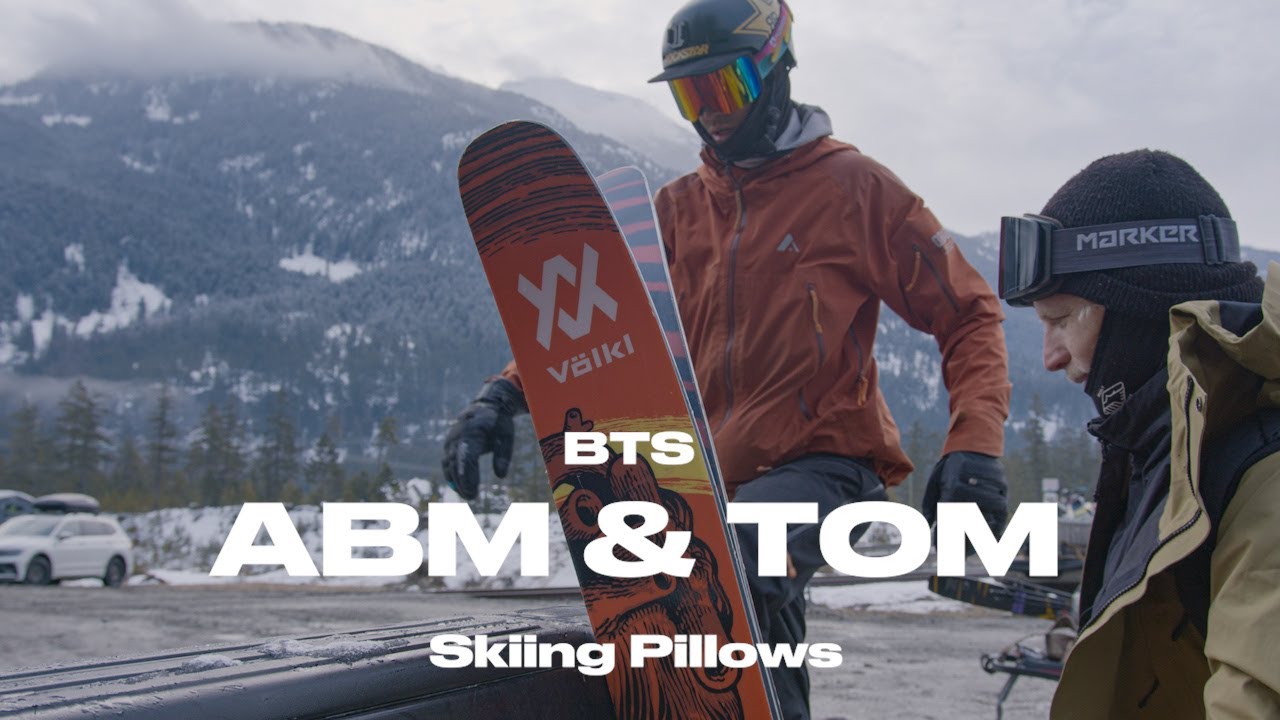
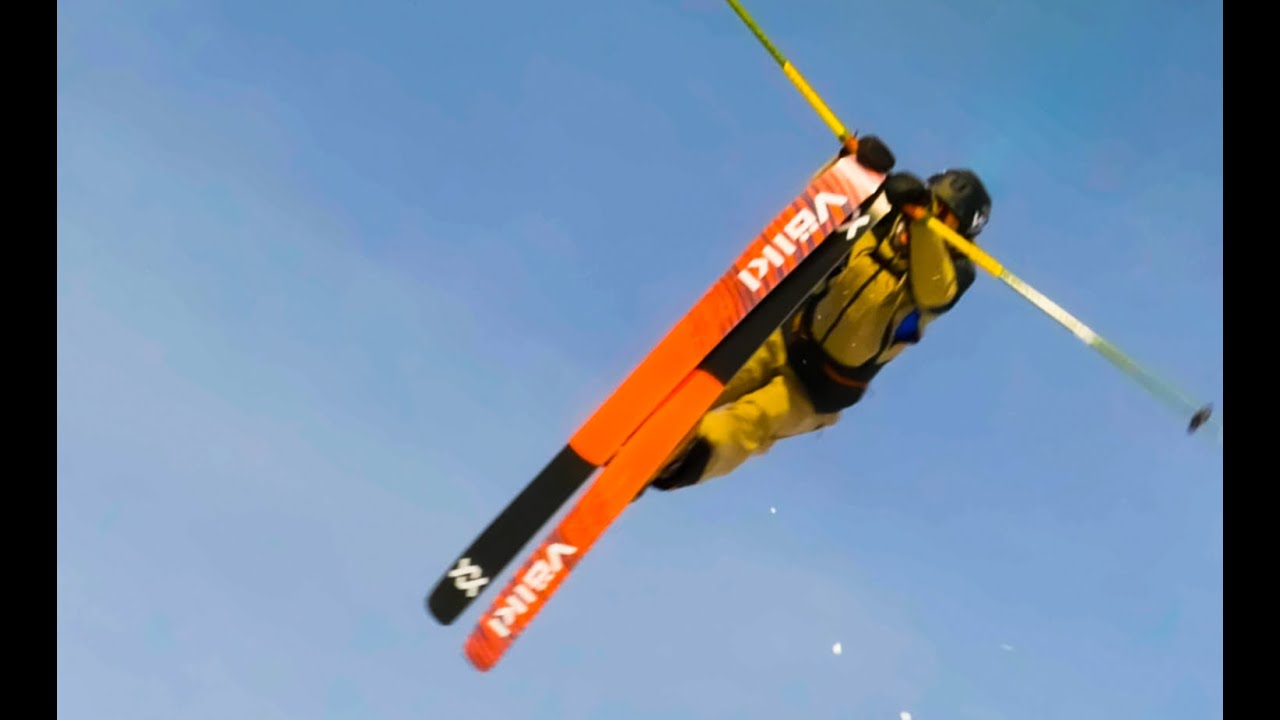
The most visible story in modern Völkl is the Revolt family. Revolt 90, 96 and 104 cover park and all-mountain freestyle, while Revolt 114 and 121 push into big-mountain and backcountry trick territory. These skis are the result of the Built Together process: long development cycles where riders such as Markus Eder, Ross Tester, Sam Smoothy and others work directly with engineers to tune outlines, flex patterns and mount points. 3D Radius Sidecut, light swingweight cores and carefully tuned rocker lines are designed to make these skis stable enough for Freeride World Tour venues yet playful enough for butters, switch takeoffs and creative lines in soft snow.
Ride feel: who it’s for (terrains & use-cases)
Across the range, Völkl skis share a clear family feel: they reward good technique, offer strong edge grip and tend to prefer being driven rather than passively steered. Racetiger and Deacon pisteskis suit skiers who enjoy carving clean, high-edge-angle turns on hard snow. On a cold morning in Austria, pointing a Racetiger or a Deacon down a freshly groomed red piste feels direct and precise: the ski holds without flinching, tracks through ripples and snaps from edge to edge in a way that appeals to technically minded riders.
Mantra and Secret models target advanced to expert skiers who want one pair that can tackle steep pistes, tracked-out freeride faces and variable snow. They thrive on terrain where you need to feel the edge bite even when the surface is rough—wind-buffed ridges, refrozen chop, afternoon crud. For many skiers based in Alpine hubs like Austria, a Mantra-type ski becomes the default daily driver: stiff enough to stay composed when the throttle is open, yet versatile across conditions.
Blaze and Rise skis speak to those who tour or move lightly across the mountain. Their ride feel is more agile and forgiving, especially at lower speeds or in tighter terrain. Think of skinning to a couloir, navigating narrow tree lines, or making hop turns down technical exits: 3D Radius Sidecut helps them switch between short, reactive turns and more open arcs as slope angle and snow density change.
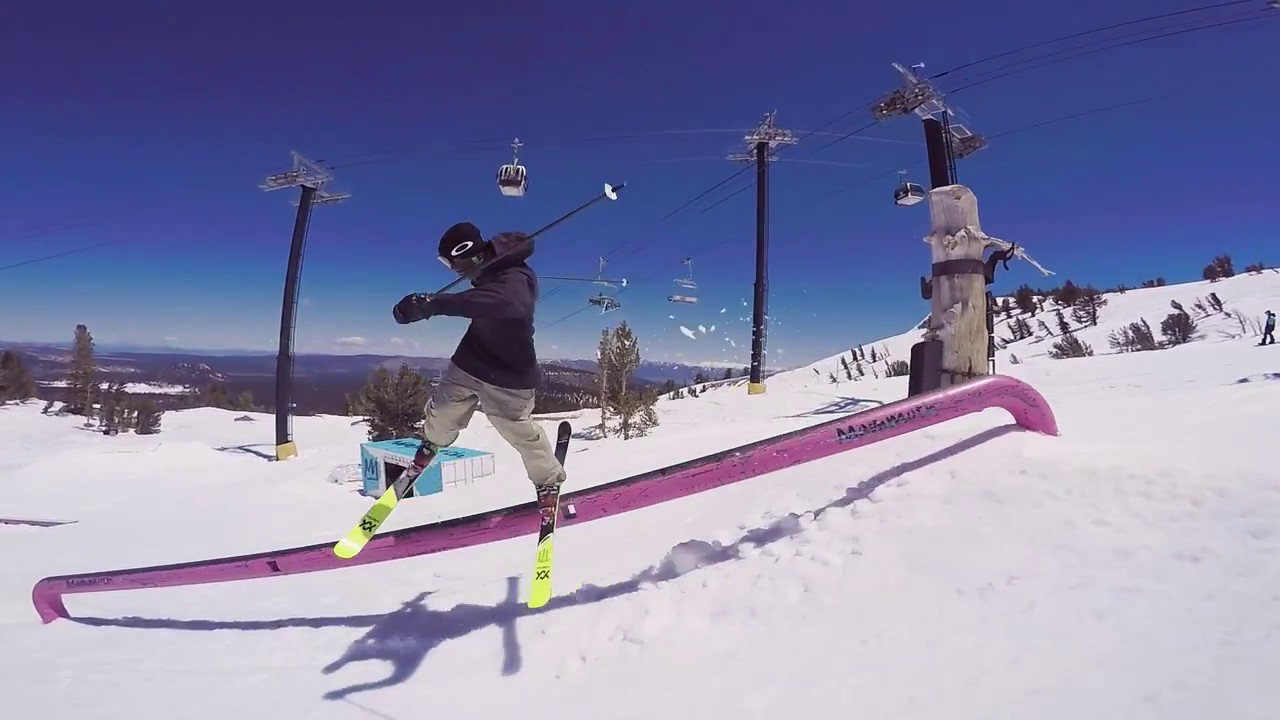
Revolt models are the choice for skiers who read the mountain as a playground. Revolt 90 and 96 feel at home in parks, on handrails and in urban features, with balanced swingweights and twin tips that invite spins, swaps and switch landings. Revolt 104, 114 and 121 open up freeride and backcountry trick lines: they want bigger airs, deeper landings and enough space to draw expressive shapes in soft snow. Under a confident skier they still feel very “Völkl”—supportive, stable and precise—but their flex and rocker make them more forgiving and creative than the brand’s classic directional skis.
Team presence, competitions, and reputation
Völkl’s competitive footprint stretches from World Cup race gates to Olympic slopestyle podiums and the Freeride World Tour. In alpine racing, Racetiger models have carried generations of athletes through European Cup and World Cup calendars. The brand’s race department has historically prioritized strong edge grip, energy out of the turn and consistency on injected surfaces, and it continues to support athletes from multiple nations even as budgets and technologies evolve.
In freestyle, Völkl’s impact is easier to see on highlight reels. One of the brand’s most talked-about moments came at the 2018 Winter Olympics in PyeongChang, when Øystein Bråten, Nick Goepper and Alex Beaulieu-Marchand stood together on the men’s slopestyle podium, all riding Völkl skis. That podium sweep crystallized years of investment in comp-focused twin tips and signaled that the Revolt line had arrived as a serious weapon for big-stage park skiing.
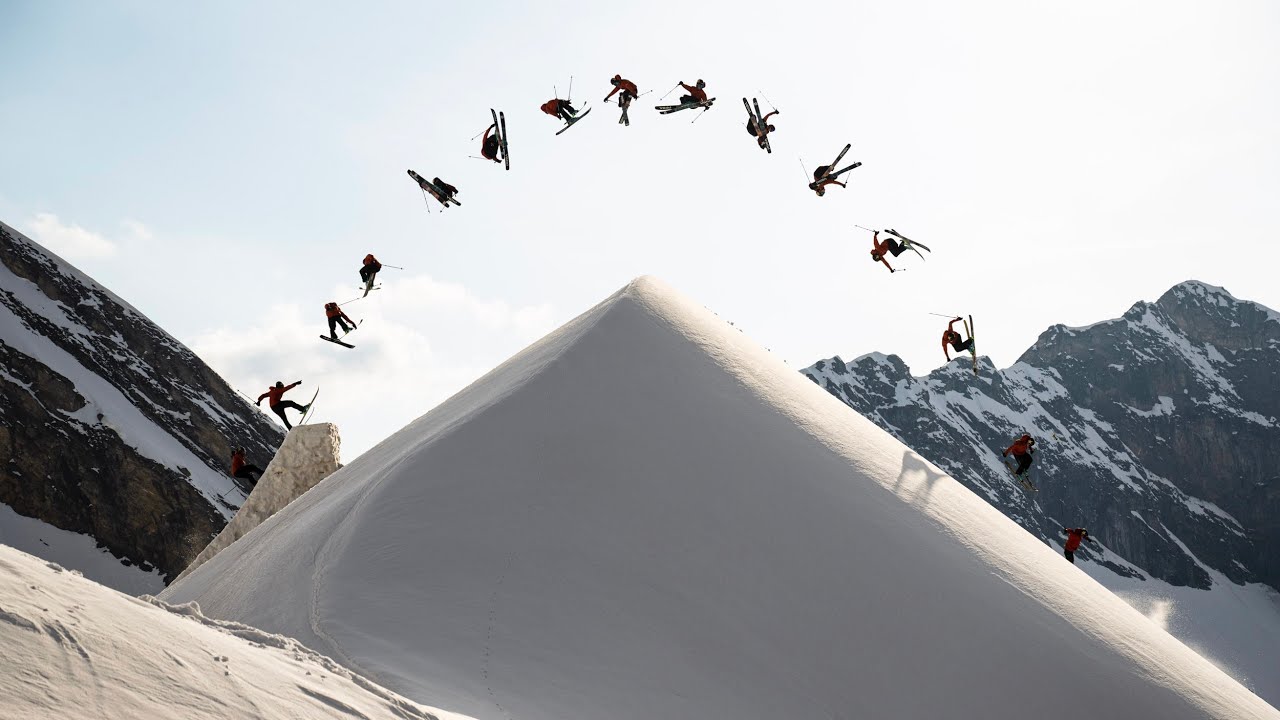
On the freeride side, Markus Eder’s Freeride World Tour title and iconic film projects have become almost inseparable from the Revolt 121. The ski itself was developed through Built Together with Eder and a stacked roster of team riders and has since become a visual shorthand for powerful, trick-friendly big-mountain skiing. Other athletes use different widths—Revolt 104 and 114 in particular—to match their terrain and style, but all share the same co-designed DNA.
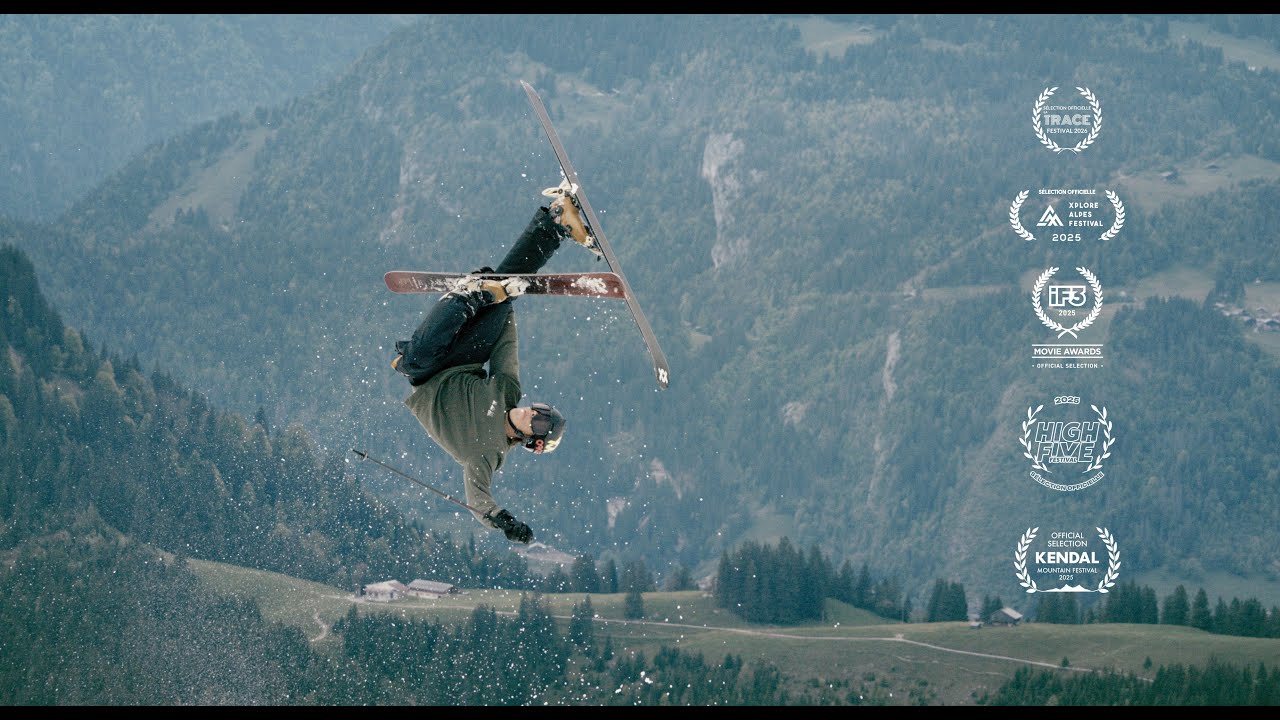
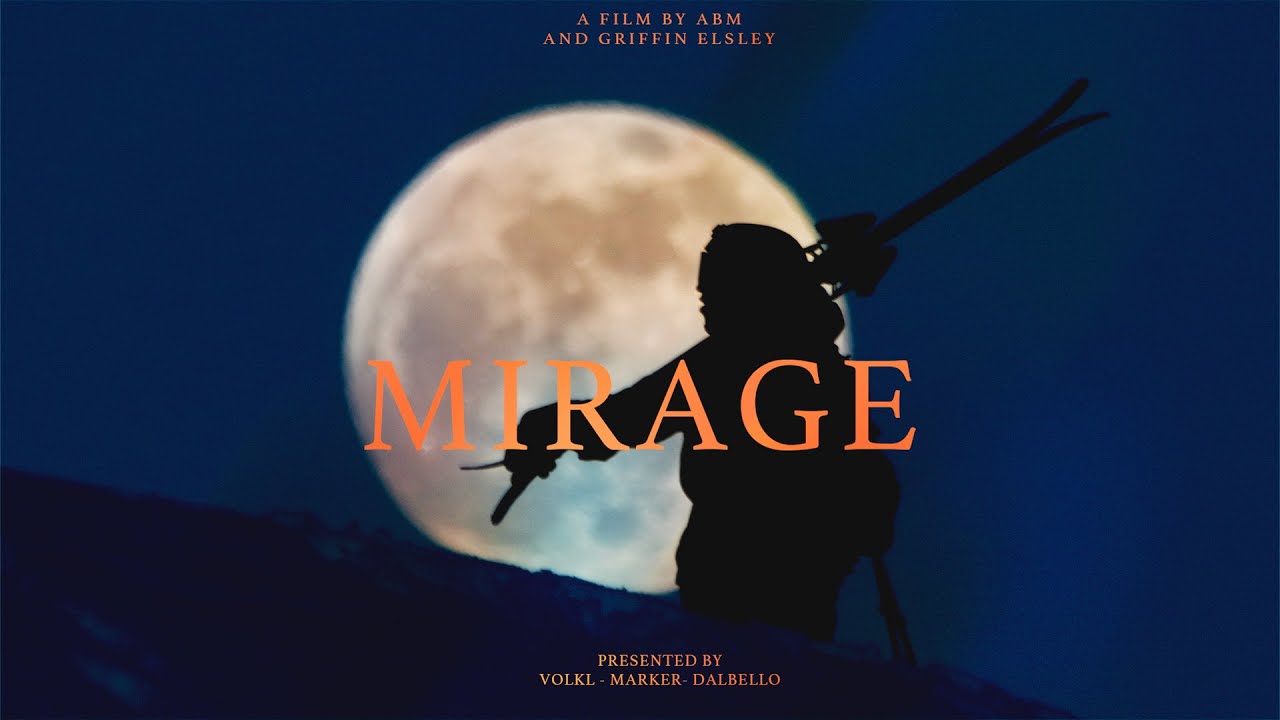
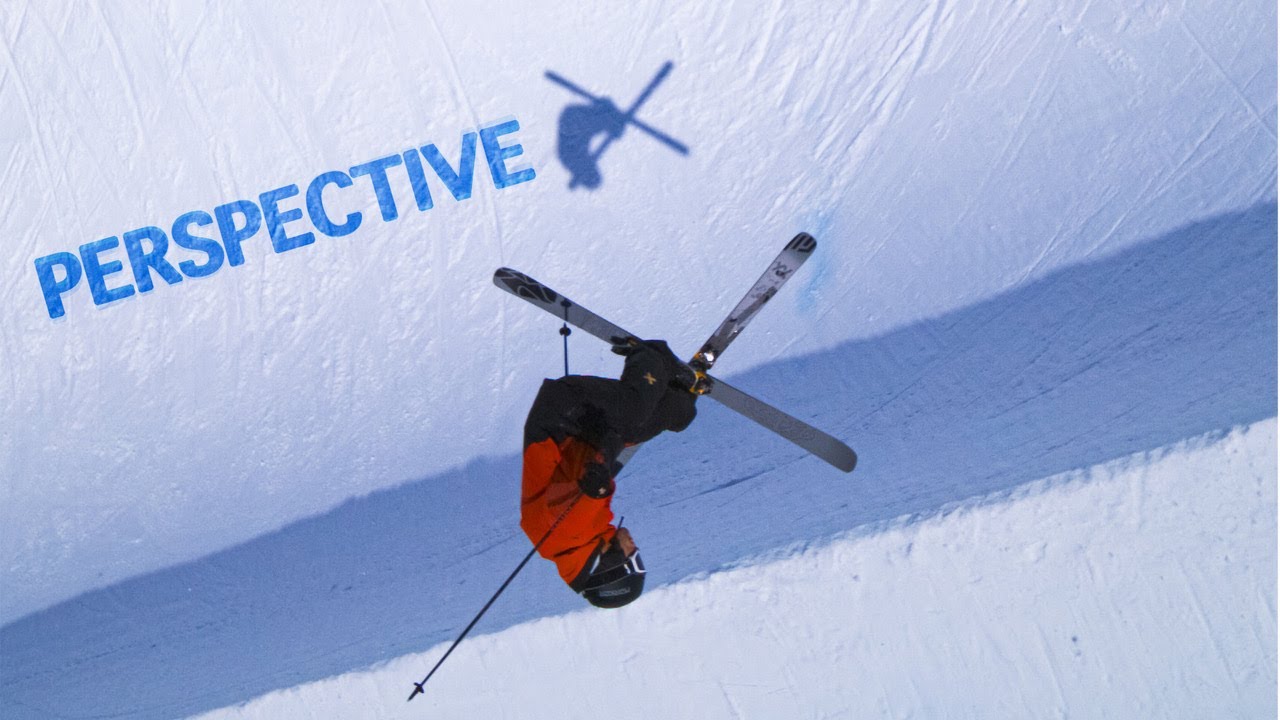
Beyond podiums, Völkl has invested deeply in culture. The Built Together project deliberately blurs the line between athlete, engineer and artist, and the brand appears frequently in modern freeski media, from web series and street projects to invitational events and creative contests. On skipowd.tv, you’ll see Völkl skis under riders in films, halfpipe edits and park sessions—an indication that the brand’s reach now extends far beyond traditional “race or freeride only” stereotypes.
Geography and hubs (heritage, testing, venues)
Völkl’s home is Straubing in Lower Bavaria, a few hours’ drive from major Alpine passes and resorts. The factory’s proximity to Germany and Austria’s mountains makes it easy to move prototypes quickly from presses to snow. Historically, the brand tested and refined skis in the Bavarian Alps and neighboring Austrian regions; that pattern remains, with many models seeing early days on the kind of varied all-mountain terrain that everyday European skiers know well.
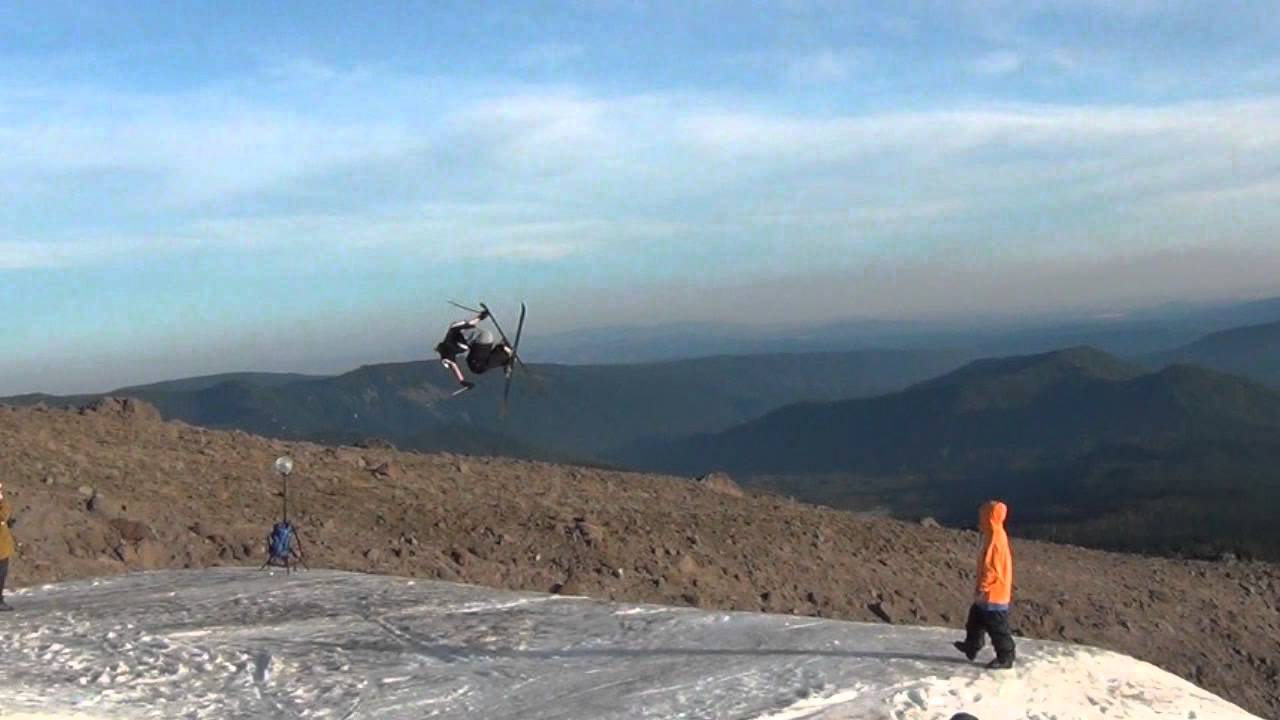
For freeride and freestyle development, the brand’s radius has expanded worldwide. Built Together projects have seen riders test shapes in New Zealand, North America, China and across Europe, reflecting how modern teams chase winter and diverse snowpacks. Big-mountain shapes like the Revolt 114 and 121 are refined on steep, exposed faces where stability and predictability matter more than pure looseness, while park and all-mountain freestyle models are dialed on glacier parks, urban spots and resort jump lines.
In the skipowd.tv ecosystem, you can imagine Völkl prototypes and team setups moving through hubs such as Sölden, with its early-season race and park infrastructure, or the cross-border region of Oberstdorf–Kleinwalsertal, where German and Austrian terrain meet in one lift pass. These kinds of venues—high, snow-sure, with a mix of groomers, natural lines and park facilities—are exactly where directional Mantras, playful Revolts and lighter Blaze or Rise skis make the most sense.
Construction, durability, and sustainability
Völkl’s construction philosophy blends traditional sandwich layups with modern materials and thoughtful details. Multilayer wood cores, often combining denser species underfoot with lighter woods toward tip and tail, are paired with metal laminates in skis like the Mantra and Racetiger lines for power and damping. 3D Glass, where fiberglass wraps vertically over the sidewalls in key zones, increases edge hold and rebound without making the ski unmanageably stiff. Sintered bases and robust edges complete a package designed to handle high speeds, hard snow and seasons of heavy use.
Freeride and freestyle models in the Revolt and Blaze families tweak that formula for their missions. They may use lighter core constructions, less or differently placed metal, and more pronounced rocker to encourage slashing, butters and soft-snow performance. At the same time, sidewalls and edges are reinforced to handle rail impacts, rocky entrances and deep landings in mixed snow. 3D Radius Sidecut appears across categories, giving many skis the ability to switch personality depending on how and where you pressure them.
On the sustainability side, Völkl has been progressively tightening its manufacturing footprint through initiatives sometimes grouped under “Völkl Cares.” The Straubing factory operates with an ISO 50001-certified energy management system and has cut water consumption significantly by recirculating grinding water in production. Hazardous substances such as dichloromethane have been phased out from key processes to reduce environmental and worker exposure. As part of Elevate Outdoor Collective, Völkl also sits under a broader climate roadmap that targets steep reductions in emissions by 2030 and long-term net-zero goals, supported by investments in cleaner energy, more efficient logistics and more circular packaging.
How to choose within the lineup
Choosing the right Völkl starts with an honest look at where and how you ski. If your winter revolves around groomers and you love carving, Racetiger and Deacon models are the logical starting point. Shorter-radius versions feel lively and quick edge-to-edge for skiers who enjoy snappy turns, while longer-radius or more race-inspired builds cater to those who value speed and stability above all else.
For advanced skiers who want one ski to handle steep pistes, chopped-up freeride lines and trips to snow-sure Alps, the Mantra and Secret family is the classic answer. Pick a waist width that matches your terrain—narrower for primarily on-piste with occasional off-piste; mid-90s to low-100s for true all-mountain use. If you like a more forgiving, lighter feel or spend time touring as well as riding lifts, Blaze models soften the flex and lighten the construction, straddling freeride and “freerando.”
Touring-focused skiers should look at the Rise series. Skis like the Rise Above 88 deliver a balance of low weight on the climb and dependable performance on the descent, with Smart Skinclip systems simplifying transitions. Here, width is a trade-off between uphill efficiency and soft-snow support; around 85–90 mm is the versatile middle ground for long, mixed-condition tours.
Park and creative riders will gravitate toward Revolt. Revolt 90 and 96 are purpose-built for rails, jumps and urban, with lengths and flex patterns tuned for progressive mount points and switch skiing. Revolt 104, 114 and 121 target skiers who want to take that creativity into soft snow and big terrain. When choosing, think about how much time you actually spend in the park versus natural features, how playful you want the ski to feel, and whether you prioritize support at speed or easy pivots in tight spaces.
Why riders care
Riders care about Völkl because it combines old-school credibility with modern versatility. Few brands can point to a century of continuous ski production in the same town, podiums across World Cup, Olympics and Freeride World Tour, and at the same time a deep, genuine presence in street and park culture. When you click into a Mantra, Revolt, Blaze or Rise, you are stepping into a lineage that has been refined by engineers and riders who spend their lives in the mountains.
For the skipowd.tv community, that matters in concrete ways. The skis you see under athletes in halfpipe edits, big-mountain films and Austrian resort guides are the same models you can put on your own feet. Built Together means those products are shaped by the people actually skiing them at the highest levels, not just by spreadsheets. And behind the topsheets, the Straubing factory and Elevate Outdoor Collective’s sustainability push suggest that the brand is thinking about how to keep making skis responsibly for the next hundred years.
Ultimately, Völkl occupies a rare position: a global leader that still feels rooted in a specific place and culture, with products that express that mix of precision, power and creativity. Whether you’re railing morning corduroy, dropping a Freeride World Tour face in your dreams, or sessioning a park rail line until dark, there is almost certainly a Völkl in the lineup built to match the way you want to ski.