Overview and significance
British Columbia is one of skiing’s global reference points. From the maritime Coast Mountains to the colder, drier Interior ranges, the province delivers a rare combination of scale, storm frequency, varied snow climates and an events calendar that shapes the sport. Whistler Blackcomb anchors the Coast with North America’s largest lift-served footprint and an enduring freestyle legacy, while the “Powder Highway” corridors through Revelstoke, Golden, Nelson and Rossland add deep, tree-lined terrain and big-mountain faces that film crews and strong locals lap all winter. The province’s Olympic pedigree runs through Vancouver 2010, when alpine events ran at Whistler Creekside and freestyle/snowboard events at Cypress Mountain near Vancouver, a legacy that still influences infrastructure and culture today. Add the Canadian stop of the Freeride World Tour on Kicking Horse’s Ozone face in Golden and April’s World Ski & Snowboard Festival in Whistler, and British Columbia stands out as a complete destination for park riders, storm chasers and big-mountain skiers alike.
If you’re planning with skipowd.tv in mind, start with our regional overview at skipowd.tv/location/british-columbia/, then deep-dive into places like Whistler-Blackcomb and Revelstoke to match terrain character with your goals.
Terrain, snow, and seasons
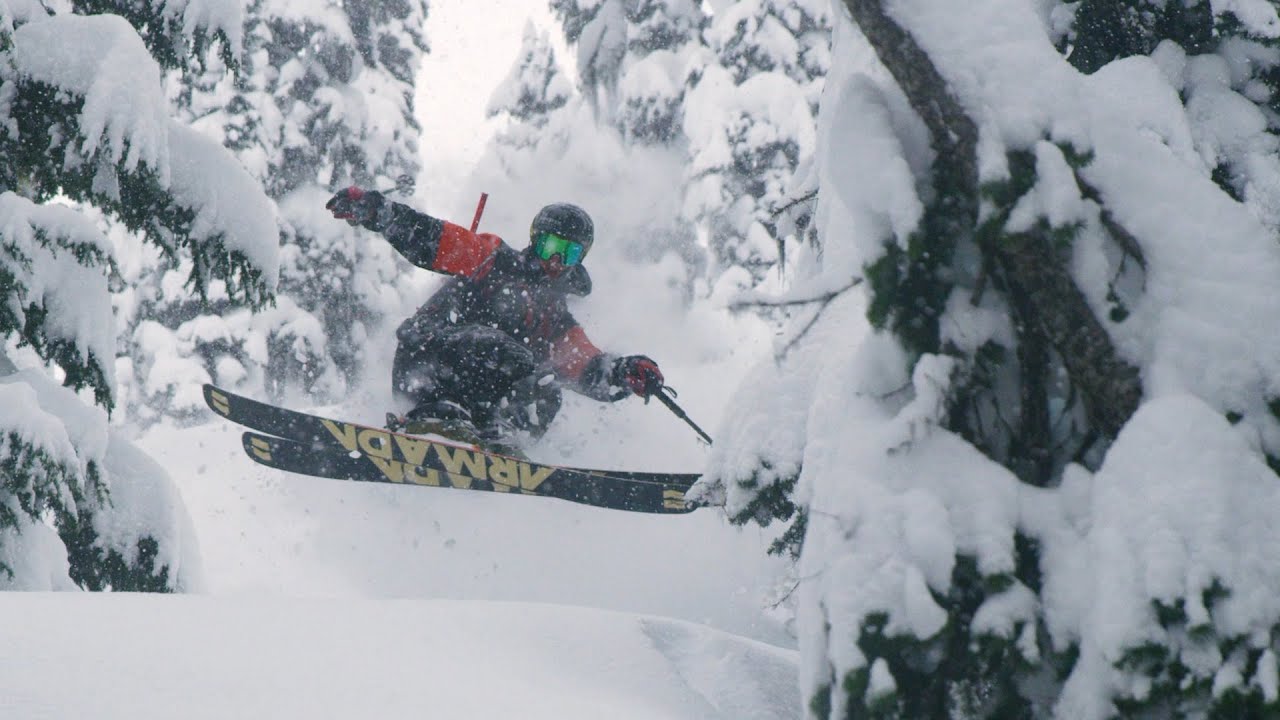
BC skis in two broad archetypes that overlap at the edges. The Coast (Sea-to-Sky) is maritime: frequent, deep storms, dense snow that buries features and keeps landings forgiving, and big alpine bowls linked to sheltered mid-mountain trees for storm riding. The Interior (Selkirks, Monashees, Purcells, and the BC Rockies) leans colder and drier, with lighter powder that lingers in glades for days, steeper couloirs on north aspects, and ridgeline chutes that reward precise timing. Expect wind-buffed chalk on exposed faces after high pressure, and classic cedar–hemlock forests that ski beautifully during refills.
Seasonality is a strength. Coastal operations typically spin from late November into spring; Interior peaks hit their stride January through February when snowpacks are cold and reset often, then transition to long, film-friendly windows and corn cycles in March and April. Touring is world-class across the province, but nowhere more concentrated than Rogers Pass in Glacier National Park between Revelstoke and Golden, where a winter permit system manages access alongside highway avalanche control. Knowing these regional rhythms lets you plan by aspect and elevation instead of chasing a single “perfect” week.
Park infrastructure and events
Freestyle has deep roots here. Whistler’s build teams have long produced graded lines that serve everyone from progression laps to advanced jump and rail features; on the Interior circuit, Big White’s TELUS Park runs season-long setups with lighting and an active calendar, and Sun Peaks maintains a 10-acre park with multiple zones and late-hours laps at “Base Camp” under the Sundance chair (Sun Peaks Terrain Parks). SilverStar, Whitewater and RED supplement with rotating rail gardens and jump lines that flex with storms and temperature windows. The upshot is reliable repetition across multiple mountains—ideal for trick lists, filming, and team camps.
Event pedigree is equally robust. Kicking Horse in Golden hosts the Freeride World Tour on the Ozone venue each winter—a high-consequence face that has become decisive in the overall title race (FWT Kicking Horse; resort event hub). Whistler’s World Ski & Snowboard Festival each April blends on-snow competitions with film, photo and music, turning the village into a week-long end-of-season celebration (WSSF). The 2010 Olympic legacy persists, with freestyle and snowboard history at Cypress Mountain and alpine heritage at Whistler Creekside.
Access, logistics, and on-mountain flow
Gateways align to your itinerary. Vancouver (YVR) feeds Whistler via the Sea-to-Sky Highway; Kelowna (YLW) and Kamloops (YKA) position you for Big White, SilverStar and Sun Peaks; Cranbrook (YXC) and Calgary (YYC, in Alberta) are practical for Fernie, Kimberley and other southeast stations; Revelstoke and Kicking Horse typically involve a drive on the Trans-Canada from Kelowna or Calgary. Winter driving in BC crosses high passes and avalanche corridors—check DriveBC and provincial winter driving guidance before setting out, and pad schedules during storm cycles.
Flow tips by archetype help. At Whistler, storm mornings favour treeline pods and mid-mountain zones; as visibility improves, step to the alpine and stitch bowls to trees top-to-bottom. At Revelstoke, manage legs and time by pod (Gondola, Stoke, Ripper) to stack vertical efficiently and save Last Spike cruises for late-day exits. At Kicking Horse, respect ridge closures and high-consequence gullies; patient timing around patrol work unlocks the best lines. In the Kootenays (Whitewater and RED), tree spacing and aspect reading are everything—follow patrol updates and seek colder aspects after clear nights.
Local culture, safety, and etiquette
BC’s ski culture combines polished resort ops with a grounded, avalanche-aware community. Avalanche Canada publishes daily public forecasts across the province and aggregates real-time observations via the Mountain Information Network. If you plan to tour or exit resort boundaries, arrive with beacon, shovel, probe, partners who know rescue, and a current read of the regional bulletin. Rogers Pass access is governed by a Winter Permit System to coordinate with highway artillery control—review the rules before you go and pick up permits at the Discovery Centre when required (Parks Canada – Rogers Pass).
Inside the ropes, closures and “routes” matter—many marked routes are ungroomed and can involve avalanche exposure. Deep-snow tree wells are a recurring hazard in BC’s conifer forests; ski with a visible partner, carry a whistle, and refresh tree-well awareness through resort safety pages. Park etiquette follows Smart Style everywhere: call your drop, hold a predictable line, and clear the landing and knuckle immediately. On the coast and in the Interior alike, you’ll find hospitable towns and strong coffee culture; respect wildlife corridors, quiet hours, and winter driving rules so communities keep welcoming visiting crews.
Best time to go and how to plan
For storm chasing, January and February stack the odds across the province—choose coastal if you like deeper, denser resets and forgiving landings, or target the Interior if you prefer colder powder and tree skiing that holds quality for days. March is the all-rounder: more daylight, mature park builds, alpine access that improves between fronts, and a steady rhythm for filming. Event chasers can aim for early February in Golden to catch the Freeride World Tour and early-to-mid April in Whistler for WSSF (Whistler event listings).
Build itineraries by corridor to minimise transit. A Coast week based in Whistler mixes alpine bowls with park laps and easy village logistics. An Interior loop—Revelstoke, Kicking Horse, Whitewater/RED—delivers classic trees and chutes with manageable drives; book lodging early for weekend changeovers and monitor mountain passes on DriveBC. Park-focused crews can base in Kamloops or Kelowna and bounce between Sun Peaks and Big White’s TELUS Park under consistent temps. Wherever you go, start each day with resort ops pages for wind holds and staged openings, then adjust by aspect and elevation as light and weather shift.
Why freeskiers care
Because British Columbia lets you develop—and showcase—every part of modern freeskiing in one province. You can stack legit park laps on pro-built lines, drop consequential in-bounds chutes, then step into world-class touring terrain the next morning. The events calendar keeps the community sharp, the safety ecosystem is mature and accessible, and the terrain mix—from cedar pillows to alpine faces—never runs out. For progression, filming, or the trip of a lifetime, BC remains a benchmark.