Overview and significance
Les Arcs is one of France’s marquee destinations in the Tarentaise Valley, anchoring the Paradiski domain with La Plagne via the double-decker Vanoise Express. The ski area folds together Arc 1600, 1800, 1950, and 2000 above the rail hub of Bourg-Saint-Maurice, with quick access that makes train-to-snow itineraries uniquely smooth. Its calling cards are a high-alpine summit at the Aiguille Rouge and a continuous descent of more than 2,000 vertical meters to Villaroger, a park program at Arc 1600 built for progression and repetition, and a long-running speed-skiing heritage on the “Kilomètre Lancé” track at Arc 2000 that even featured in the Albertville 1992 Olympic program as a demonstration event. For broader context and videos, see skipowd.tv/location/les-arcs/ and the resort’s official hub at en.lesarcs.com.
Terrain, snow, and seasons
The top of the domain is the Aiguille Rouge, topping out around 3,226 m above Arc 2000’s high-mountain bowl. From here a signature run drops all the way to Villaroger near 1,200 m, moving from exposed alpine pitches into sheltered forest and offering one of the Alps’ most satisfying continuous descents. Arc 2000 is the launchpad for steeper panels and wind-sculpted features; Arc 1800 stacks long, rolling groomers with side hits; Arc 1600 sits closest to the valley and often skis best when visibility is mixed; Peisey-Vallandry adds protected trees and a natural link toward the Vanoise Express if you plan a Paradiski day. The local operator highlights that roughly seventy percent of the Les Arcs/Peisey-Vallandry footprint lies above 2,000 m, which helps preserve winter surfaces through the core months (Les Arcs/Peisey-Vallandry).
Storm cycles in the northern French Alps typically arrive from Atlantic and north-westerly flows. You can expect dense, shapeable snow during active periods—excellent for smoothing landings and setting lips—followed by cold, chalky days on leeward aspects once winds ease. The most reliable winter window runs from late December into March; January and February maximize cold, repeated refreshes, and consistent speed. March brings more frequent blue windows, corn on solar aspects by midday, and wintry chalk up high on shaded faces. For a daily read, the resort’s live map and lift status are centralized on the piste map page, and the Aiguille Rouge access updates are posted via the Arc 2000 portal (Arc 2000).
Park infrastructure and events
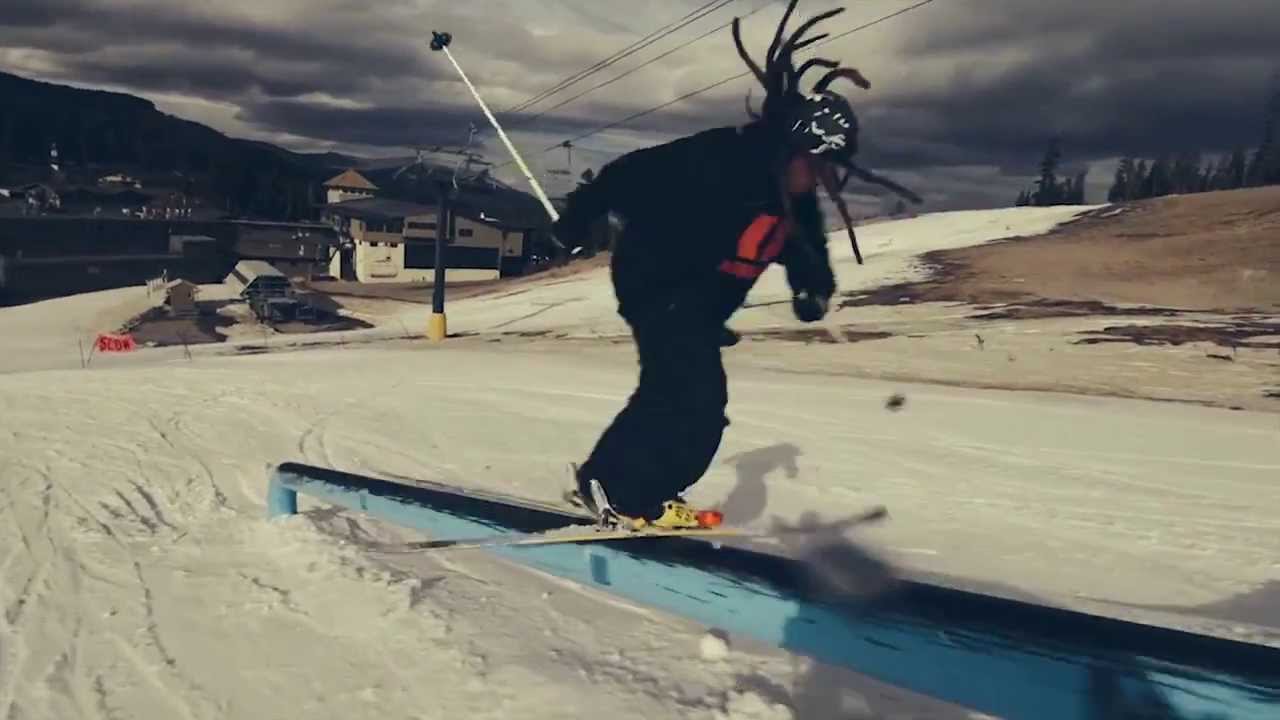
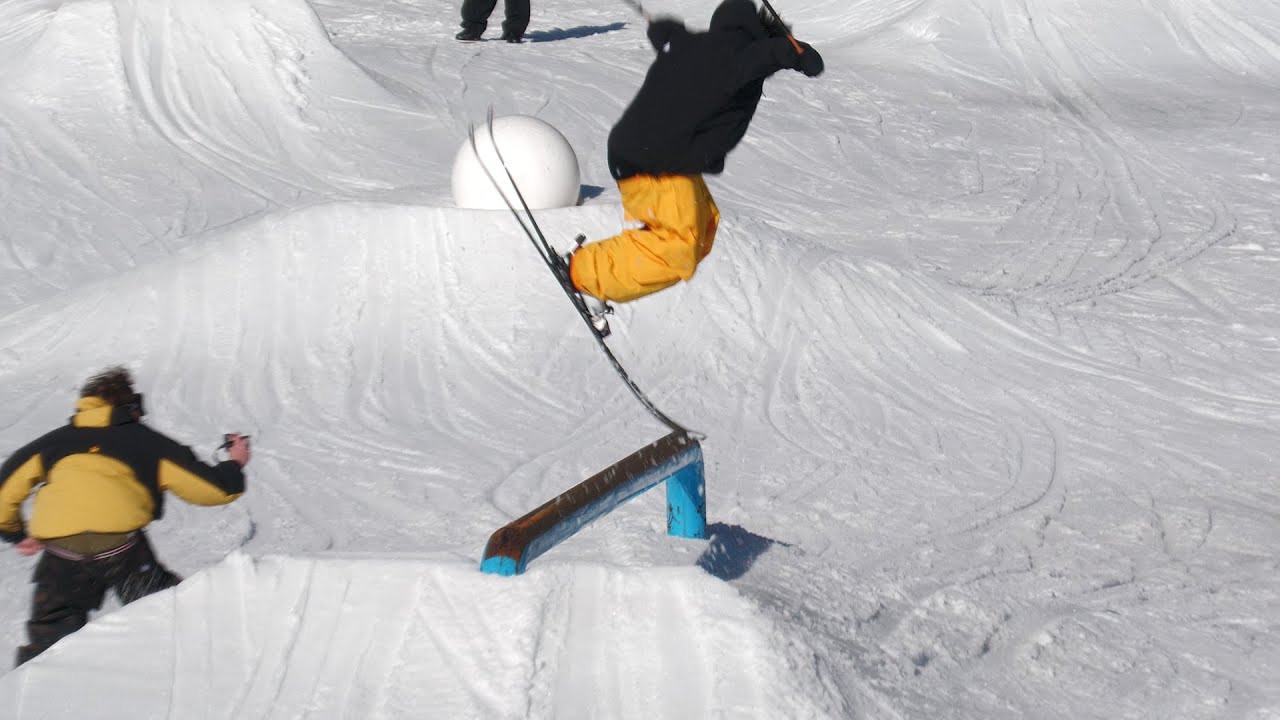
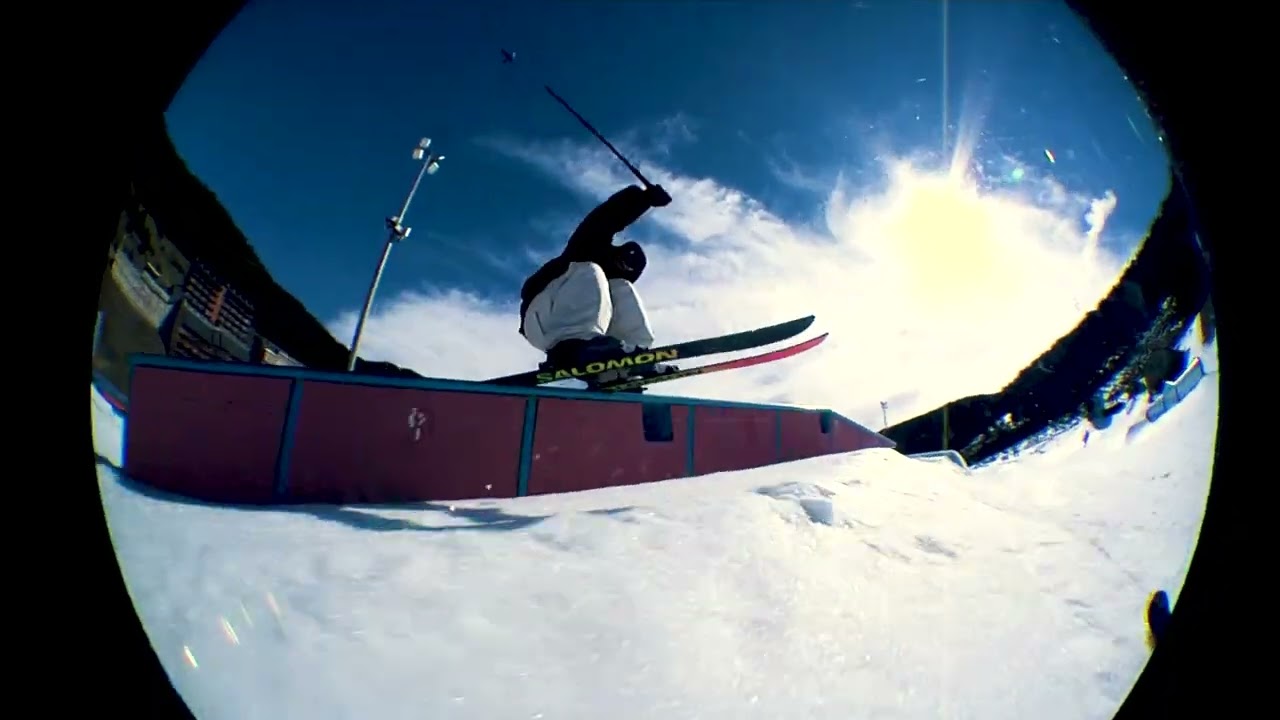
Freestyle centers on the re-designed SPARK Snowpark at Arc 1600, accessible via Cachette chair and the dedicated Snowpark surface lift. The official brief lists a 7.5-hectare footprint with four marked lines and a rotating mix of jump lanes and jib lines, including two lines of three kickers plus box and rail sets for beginners and intermediates, alongside an expert line with features like a hip and wall (Les Arcs Snowpark; SPARK overview). The shaping team rebuilds frequently through mid-winter to protect speed and landing quality as temperatures and winds shift. Around the park you’ll also find boardercross and fun zones that keep mixed-ability groups engaged when not everyone is lapping features.
Les Arcs’ event pedigree reaches beyond rails and kickers. Arc 2000’s legendary KL track hosts elite speed-skiing weeks, and the resort famously staged the discipline during the Albertville Winter Olympics as a demonstration event on its home slope (Key events). On the freeride side, Les Arcs has hosted Red Bull Linecatcher, a backcountry-slopestyle invitational that used the area’s natural features to global effect. While the park is the daily draw for most freestyle skiers, this mix of staged venues and natural terrain underscores why the resort continues to matter in modern freeskiing.
Access, logistics, and on-mountain flow
One of Les Arcs’ superpowers is access. TGVs and international trains arrive at Bourg-Saint-Maurice, and the resort’s electric funicular climbs directly to Arc 1600 in about seven minutes, with free inter-resort shuttles onward to Arc 1800, 1950, and 2000 (funicular). If you’re sampling both sides of Paradiski, factor the Vanoise Express’ quick valley crossing into your plan. Build storm-day flow around treeline sectors in Peisey-Vallandry and the forests above Villaroger, then step higher as ceilings lift. On clear, cold days, time Aiguille Rouge laps before crowds, and slot park mileage when temperatures stabilize so speed stays predictable. The live map/status page is the morning control tower for lifts, links, and any wind holds that might affect your route.
If you’re arriving car-free, the funicular’s valley-to-snow simplicity means you can land, ride, and regroup efficiently without touching a steering wheel. Drivers should watch for overnight snow on the access road and leave buffer time on transfer days; once in resort, the lift network and village shuttles remove the need to move the car until departure.
Local culture, safety, and etiquette
Les Arcs balances holiday mileage with a serious local scene fed by Bourg-Saint-Maurice’s year-round community. Inside marked terrain, respect rope lines and staged openings—patrol manages the high alpine conservatively during and after wind events. If you step away from groomed corridors, travel with beacon, shovel, and probe, know partner rescue, and check the daily avalanche bulletins from Météo-France for the Haute Tarentaise massifs in season. Tree wells and glide cracks can exist during large snow cycles; ski with visible partners and communicate in the woods. In the park, keep it Smart Style: inspect first, call your drop, hold a predictable line, and clear landings and knuckles promptly to keep the lane flowing for everyone.
Village life is designed around movement and views; the modernist plan keeps most streets pedestrian and funnels you naturally between lifts, lodging, and après. Nightlife gathers most visibly around Arc 1800, while Arc 2000 is the pick for early starts into high-alpine sectors. Wherever you base, the mountain layout makes mid-day meet-ups straightforward.
Best time to go and how to plan
For cold snow, crisp lips, and repeatable speed, aim for mid-January to early March. That stretch usually delivers consistent winter at altitude, preserved chalk on leeward aspects, and rapid grooming resets after storms. March opens filming windows and classic corn cycles on solar slopes, while shaded faces up high hold winter conditions. Build itineraries by intent: park-heavy days center on Arc 1600’s SPARK; big-mountain days stage from Arc 2000 with a timed push to Aiguille Rouge; mixed-ability days thread Arc 1800’s groomers with side hits, then slide to Peisey-Vallandry’s trees if light flattens. If you want to sample La Plagne, dedicate a day to the crossing rather than treating it as a quick detour, and keep an eye on wind that can pause valley links.
Tickets span local Les Arcs/Peisey-Vallandry access and full-area Paradiski. If you’re rail-based, consider timing your arrival to the funicular’s service window so you step off the train and straight onto the mountain. Regardless of plan, start each morning by checking lift/park status and Aiguille Rouge access, and adjust by aspect and elevation as the day warms.
Why freeskiers care
Because Les Arcs compresses everything that matters into a system that runs on momentum. You can arrive by train, be on snow minutes later, stack high-quality park laps on a purpose-built zone, and still chase an over-2,000-meter fall-line descent when the sky opens. The resort’s resume—from Olympic-era speed skiing to backcountry showpieces like Linecatcher—mirrors its daily reality: credible terrain, reliable access, and a culture that rewards craft over chaos. For crews focused on learning, filming, and mixing park progression with big-mountain days, Les Arcs is a complete Alpine week without friction.