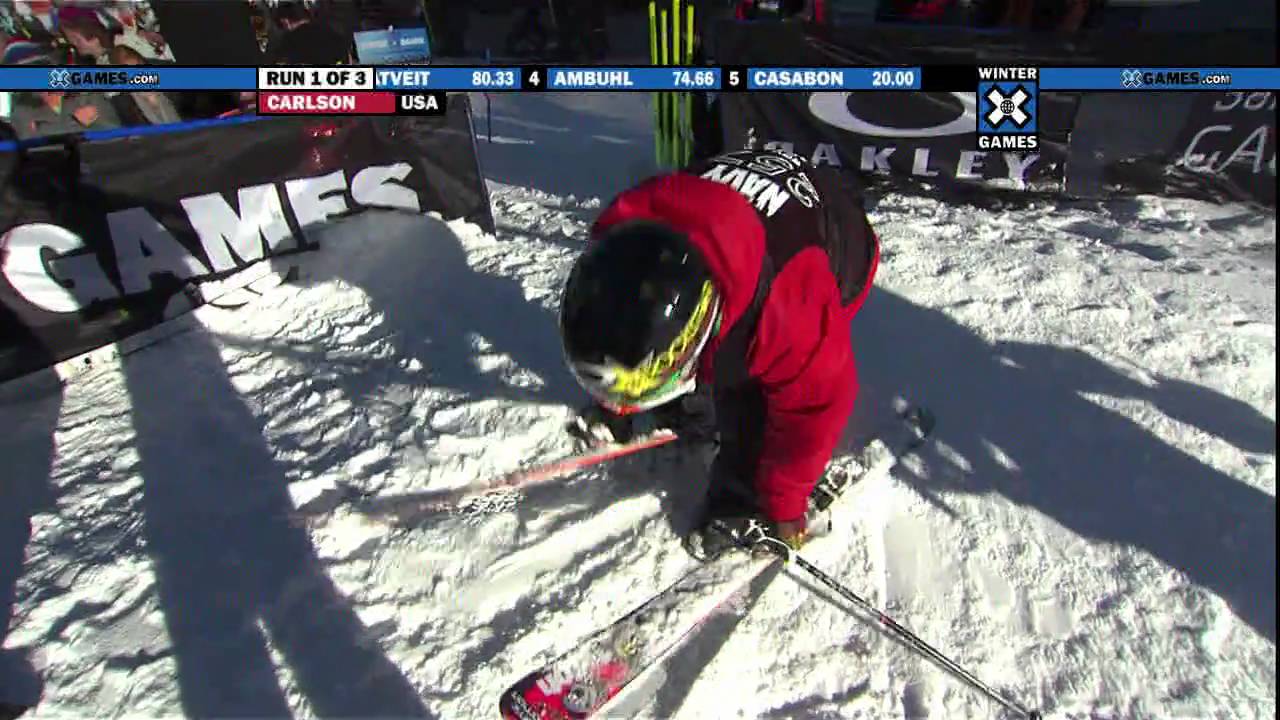
Profile and significance
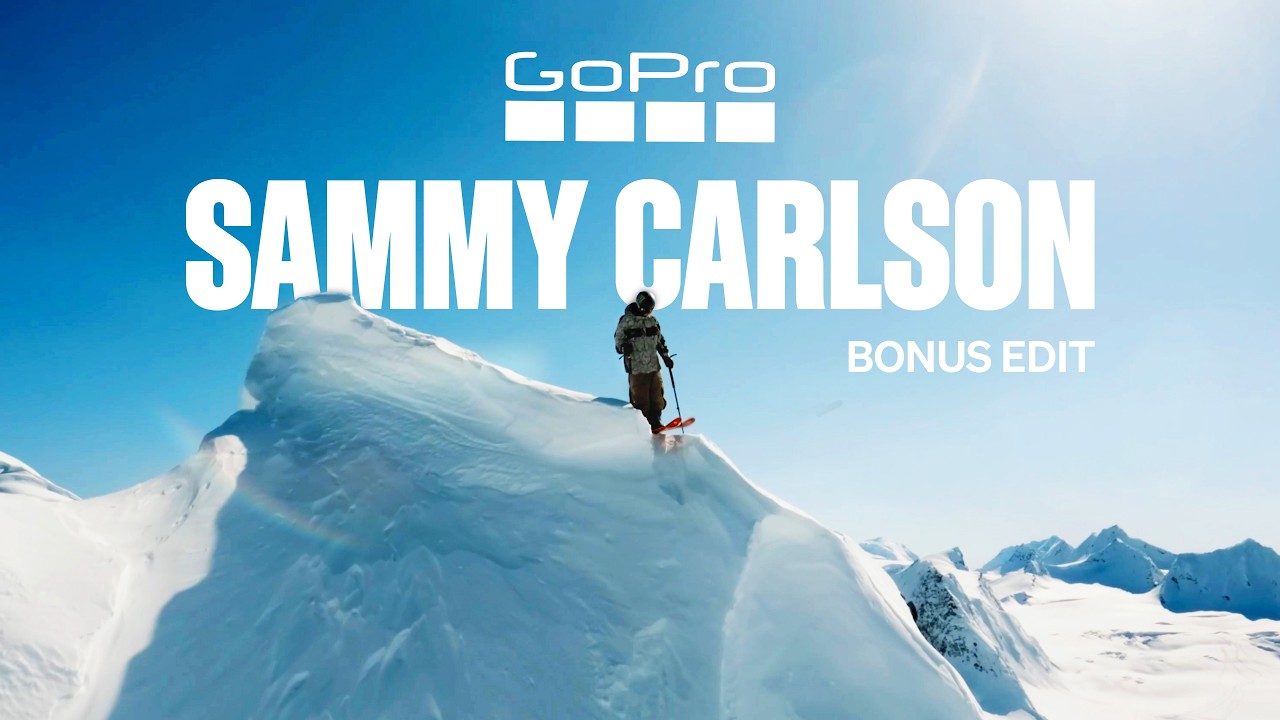
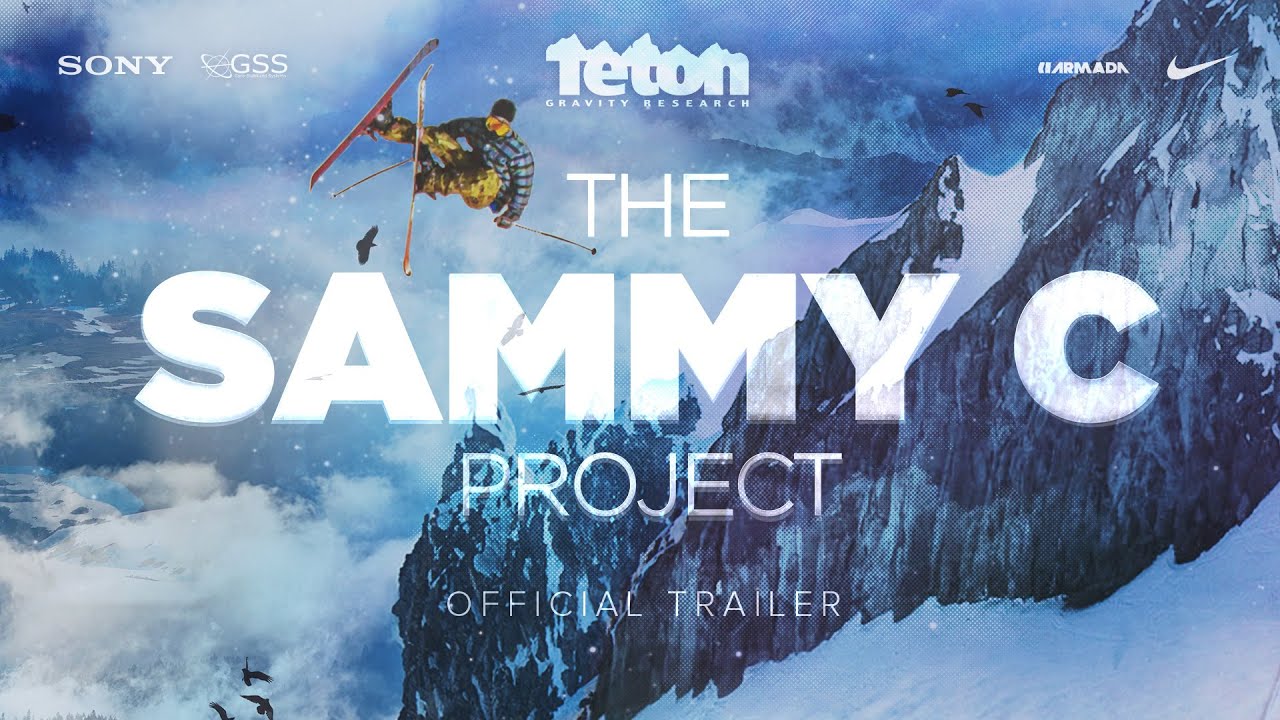
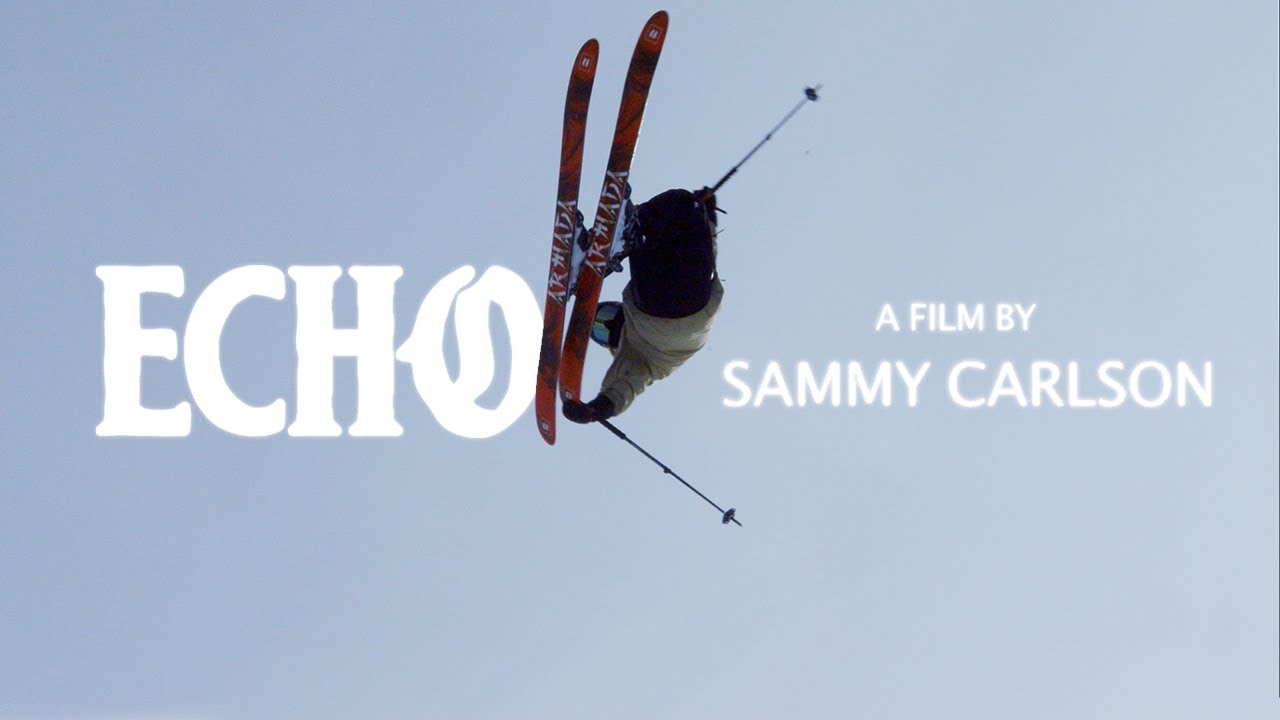
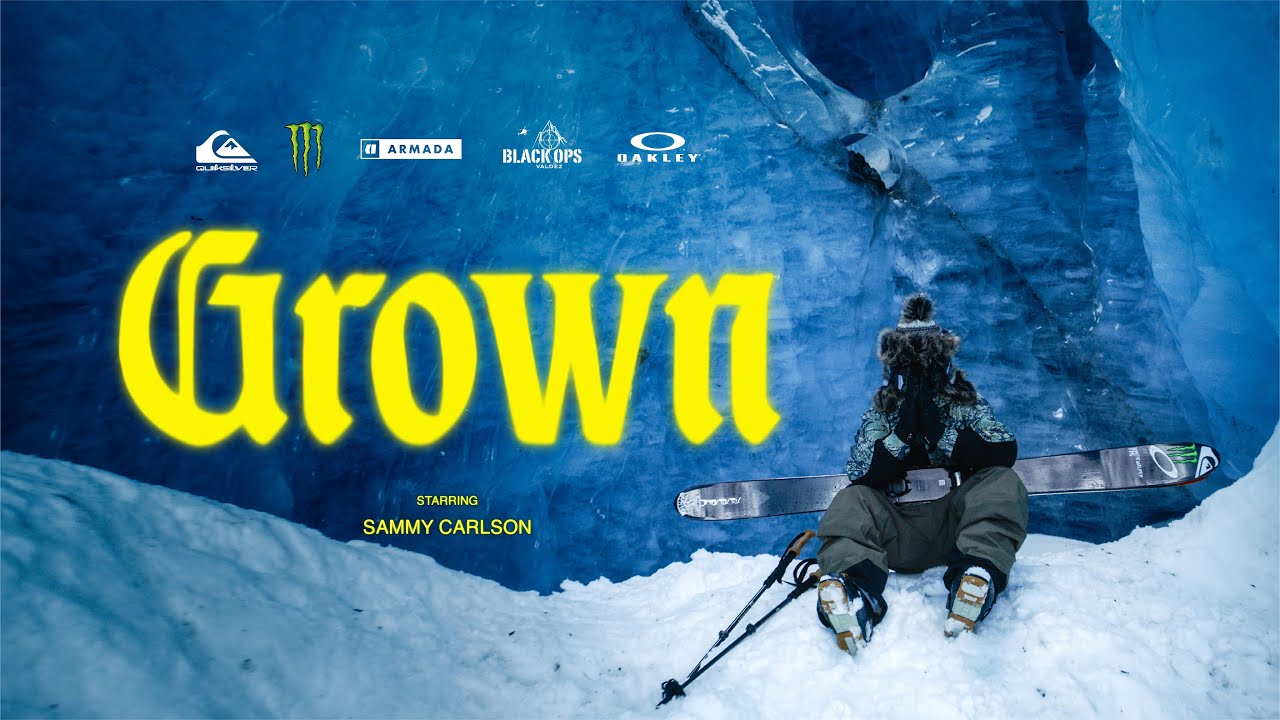
Sammy Carlson is a U.S.-born, Revelstoke-based freeski icon whose career bridges park innovation and backcountry mastery. Raised near Mount Hood and forged by endless laps at Timberline, he first stormed the contest scene with technical slopestyle runs and history-making tricks—most famously the first switch triple rodeo (2010)—before pivoting to film and deep-snow freestyle. The hardware is undeniable: X Games Slopestyle gold in 2011, three straight X Games Real Ski Backcountry golds from 2013 to 2015 (with a Fan Favorite sweep in 2015), and a FIS World Championships slopestyle silver at Deer Valley in 2011. Over the same arc he became the face of rider-led backcountry projects, headlining “The Sammy C Project” with Teton Gravity Research and later releasing “Over Time,” “GROWN,” and “ECHO,” statement pieces that codified a surf-informed, pillow-stacking style.
Today his name signals two things at once: innovations that changed what’s possible—switch takeoffs in real mountains, buttered doubles on natural rolls—and a movement language that any progressing skier can study. You can see the blueprint clearly in his clips: calm entries, patient pop, early grab definition, landings that read centered and inevitable. That clarity, plus a rare stack of medals across Slopestyle, Big Air, and Real Ski, makes Carlson one of the most influential freeskiers of his era.
Competitive arc and key venues
Carlson’s competitive résumé traces freeskiing’s evolution. He broke through in the late 2000s with X Games Slopestyle silvers (2007, 2009), added bronzes (2010 slopestyle, 2011 big air), and sealed the park chapter with Slopestyle gold at Aspen. Then he proved that film-grade creativity could be judged: Real Ski Backcountry golds in 2013, 2014, and 2015, where his precision on natural features outpointed the field and his 2015 Fan Favorite vote showed how strongly the audience responded. In parallel he collected World Championships silver in slopestyle at Deer Valley, confirming that his method traveled from edits to the start gate.
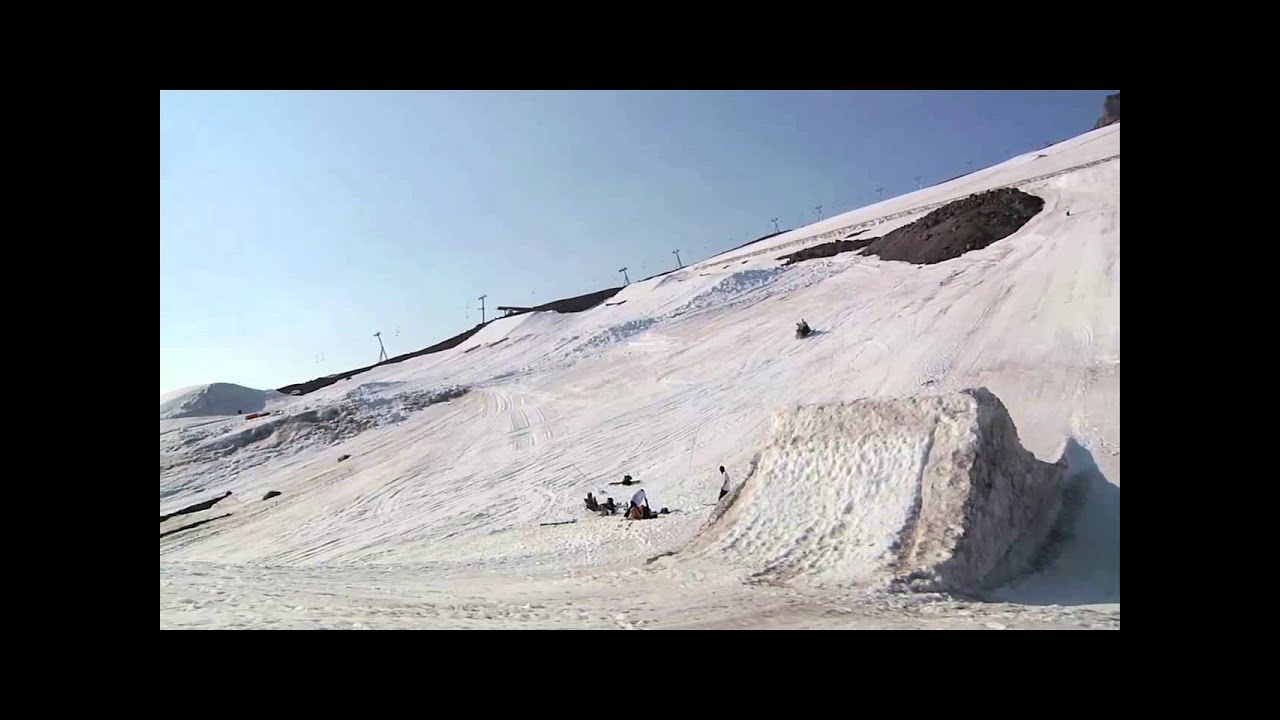
The places tied to his name explain the skiing as well as any podium. Timberline on Mount Hood delivered repetition and switch comfort, the raw materials for a first-in-history switch triple rodeo and years of technical slopestyle. Aspen Snowmass provided the broadcast-stage pressure where he took Slopestyle gold and later showcased creative takes on features under floodlights. Basing in British Columbia anchored the second act: the storm cycles and terrain above Revelstoke Mountain Resort turned into a classroom for pillow lines, wind, and speed management that define his Real Ski and film segments. Spring trips to Mammoth Mountain added XL build cadence and wind reads that sharpen big-feature timing when he wanted to return to jumps at scale.
How they ski: what to watch for
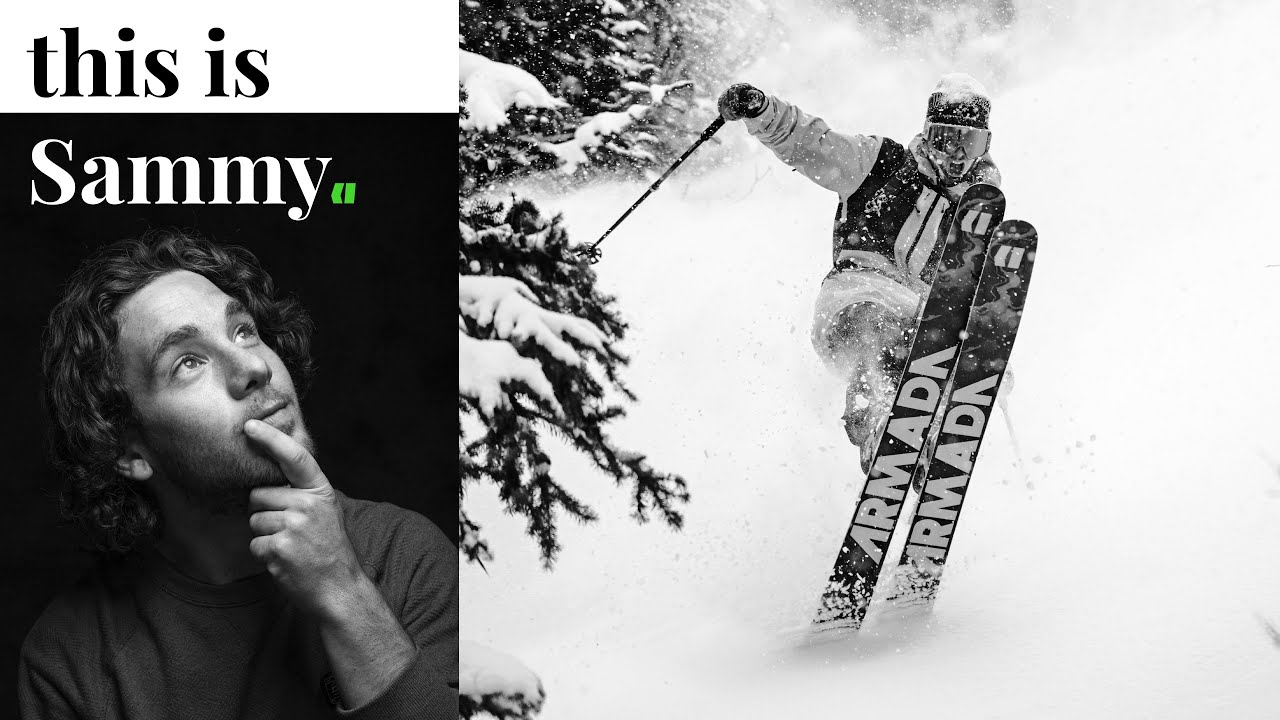
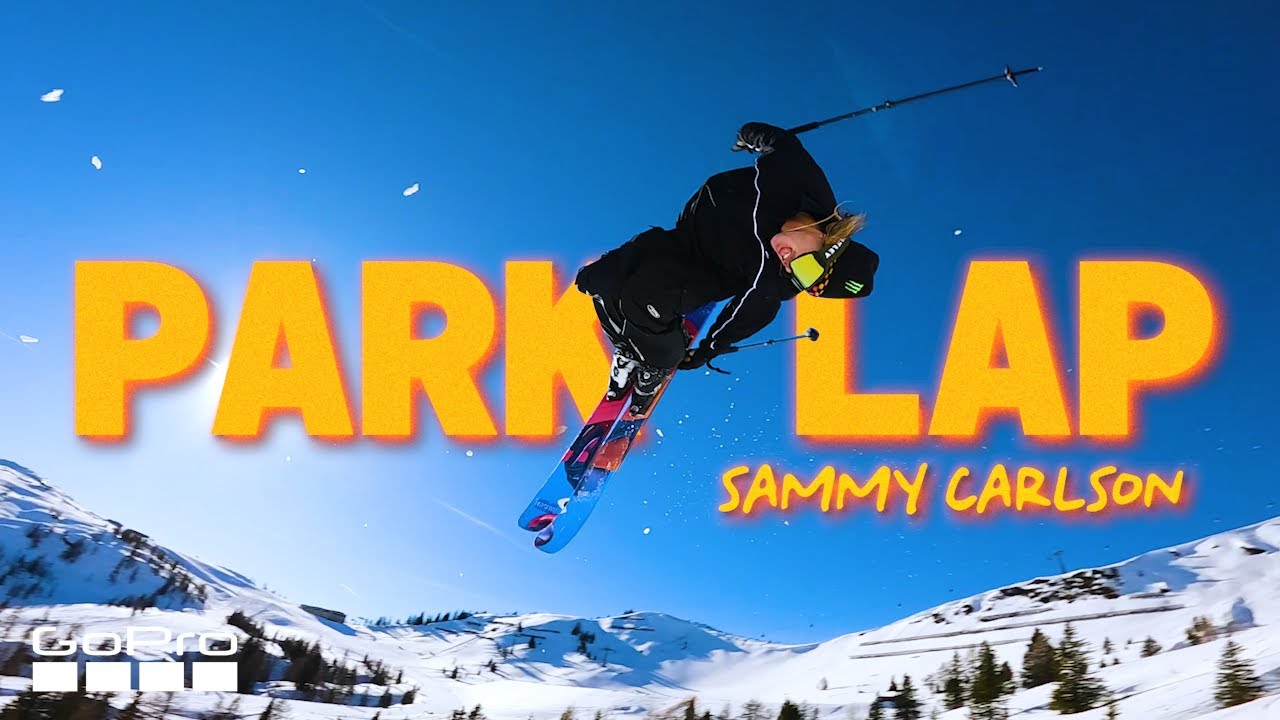
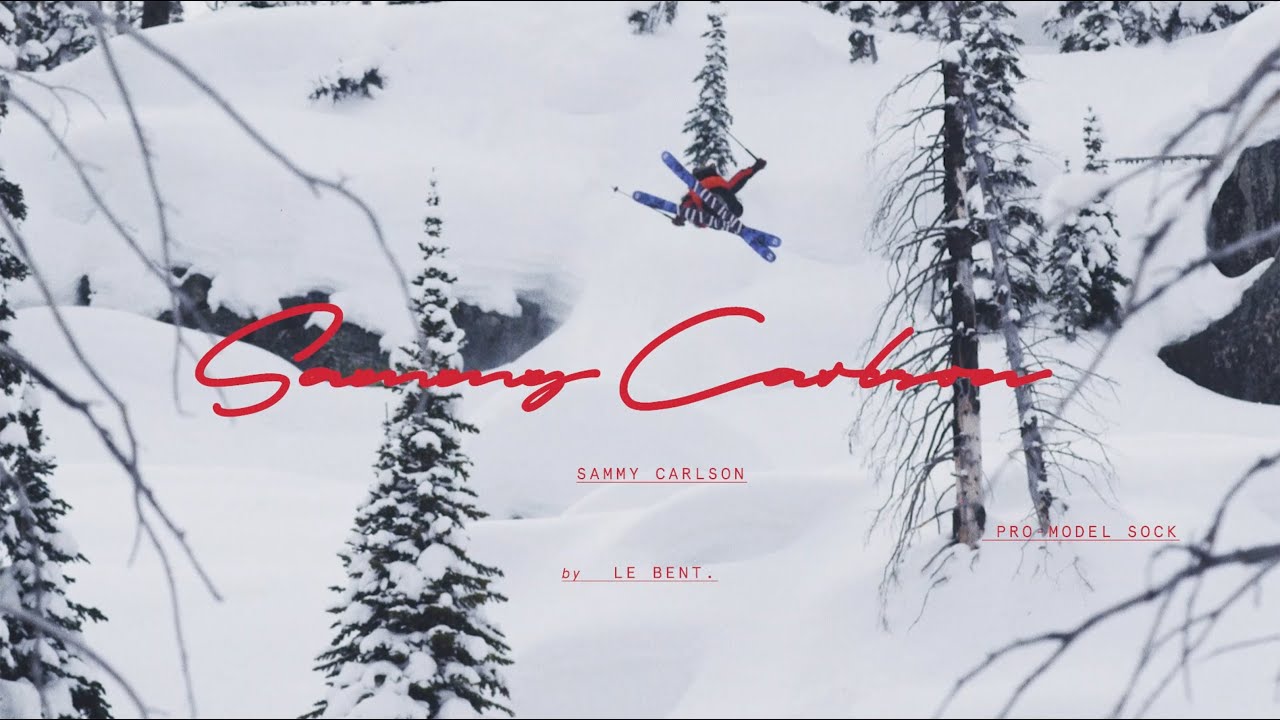
Carlson skis with economy and definition. Into a lip—sculpted or natural—he stays tall and neutral, sets rotation late, and locks the grab before 180 degrees so the trick breathes and the axis reads cleanly. On natural takeoffs he starts butters from the ankles and hips instead of an upper-body lean, which is why his nose-butter doubles feel suspended rather than forced. In pillows and cutbanks he favors lines that preserve speed, entering features square and exiting with shoulders aligned so momentum survives for the next move. Landings show soft ankles and hips stacked over feet; even on consequential terrain, recoveries look unnecessary because edge pressure is organized early.
On rails—less frequent in recent years but still visible—the same grammar holds: square entries, long-enough presses and backslides to be unmistakable, and quiet surface swaps that keep the base flat through kinks. Whether the backdrop is a contest jump, a Real Ski kicker in the trees, or a spine, the takeaways are consistent and teachable.
Resilience, filming, and influence
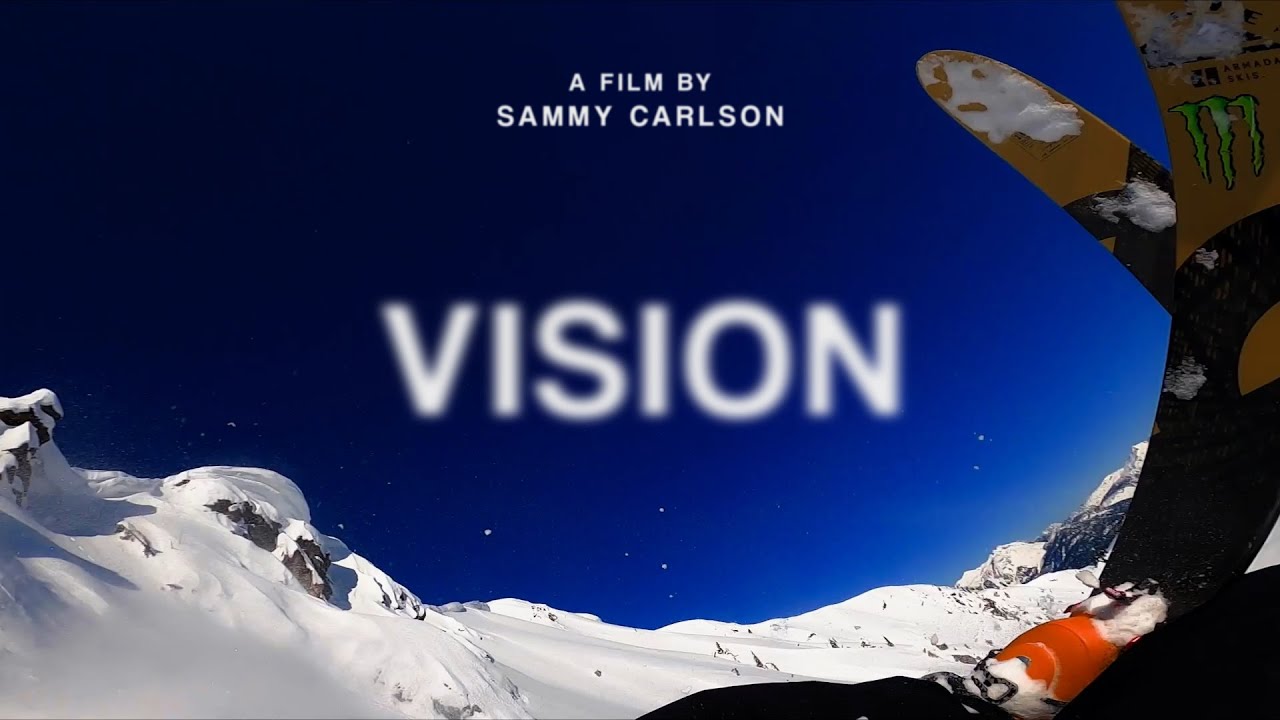
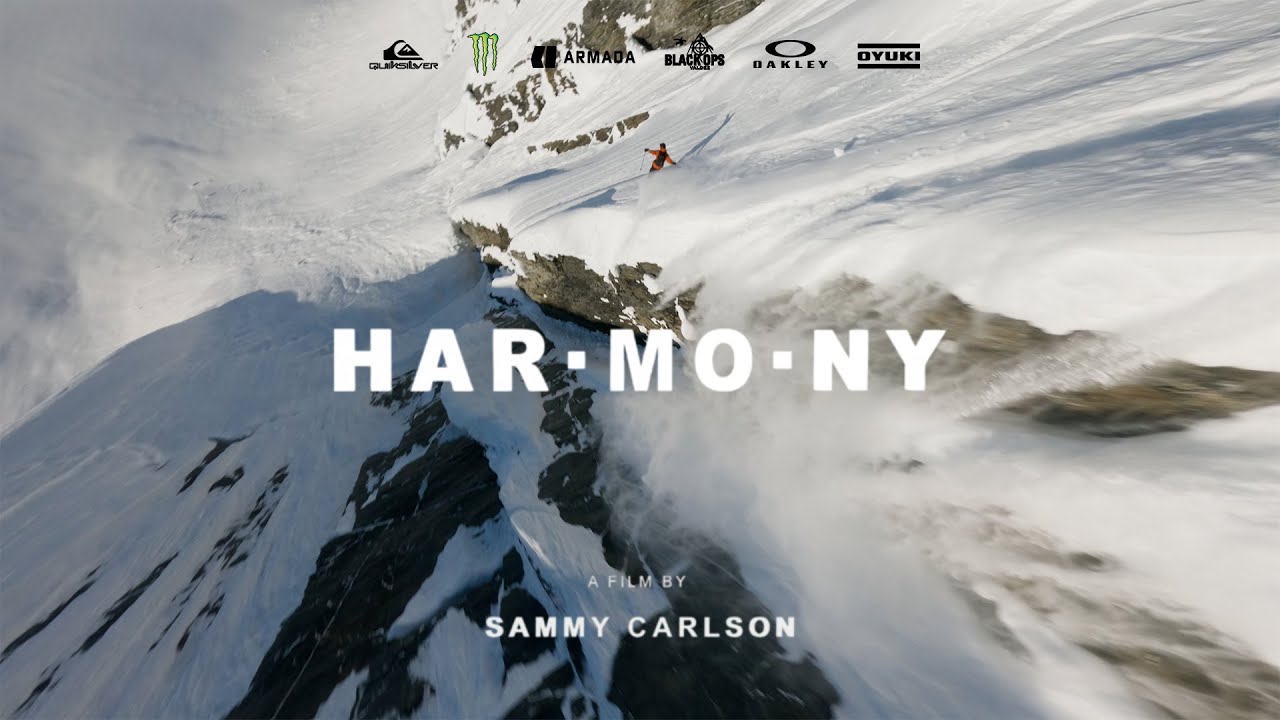
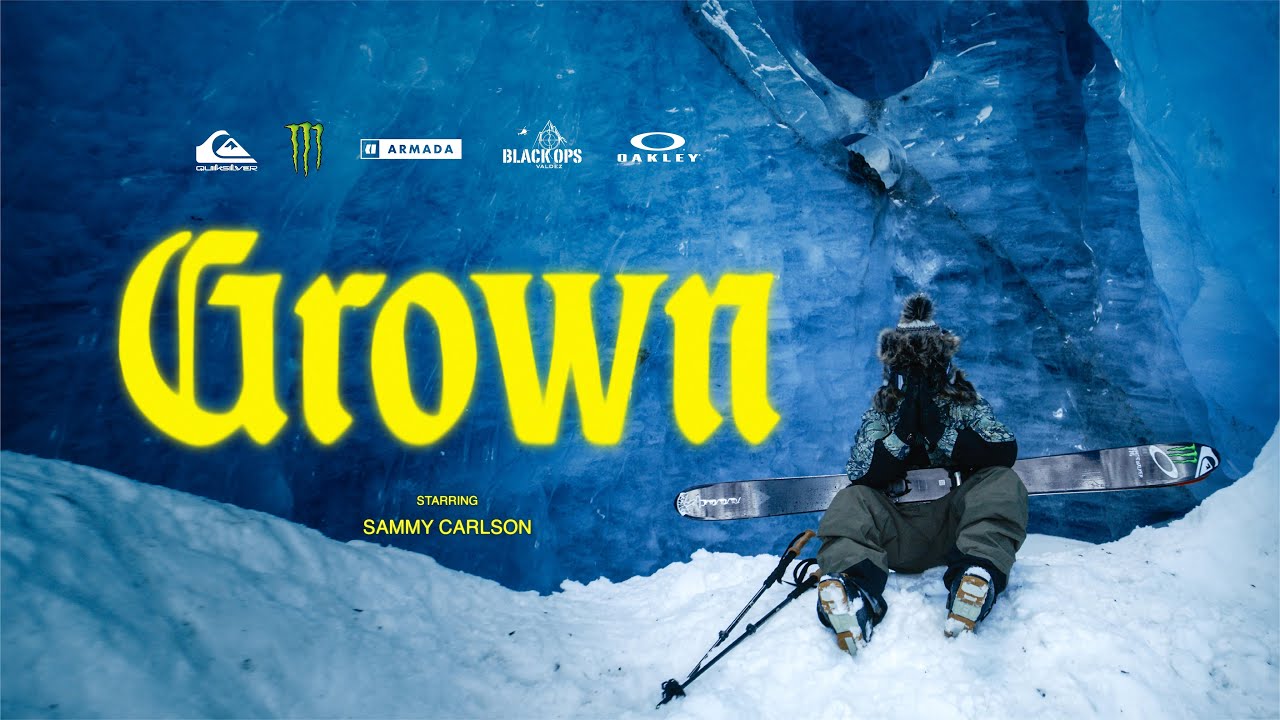
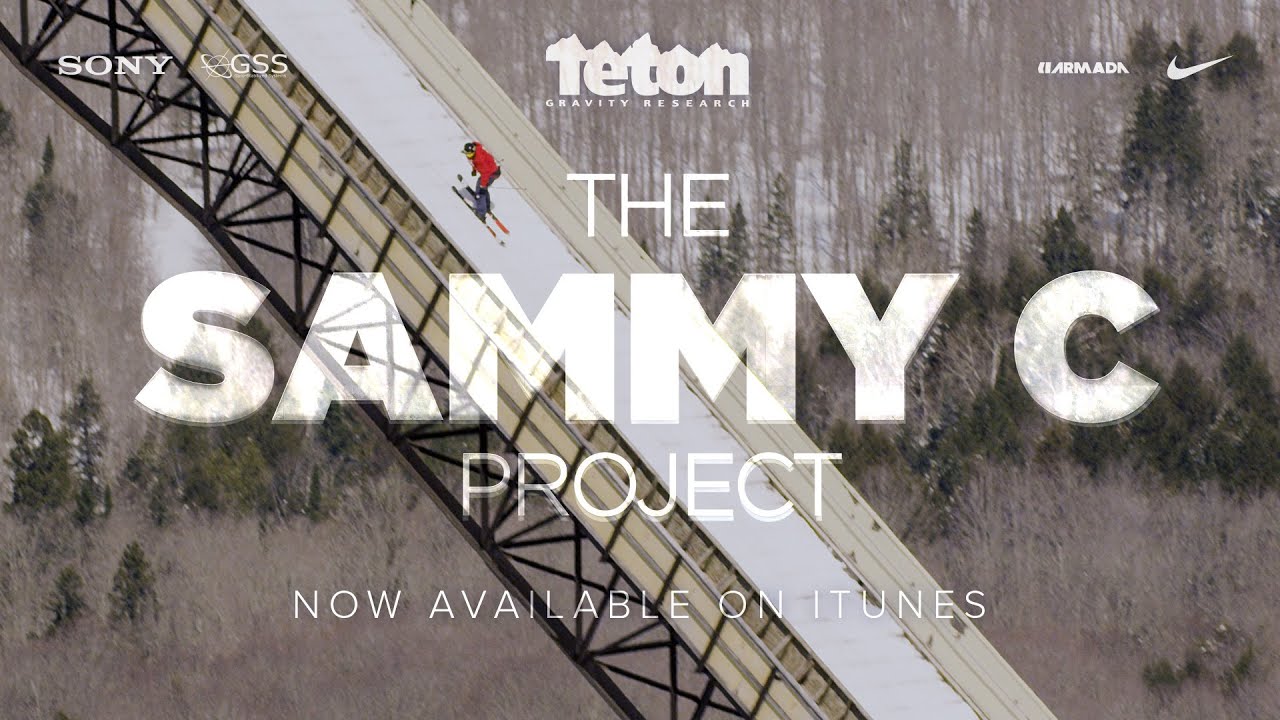
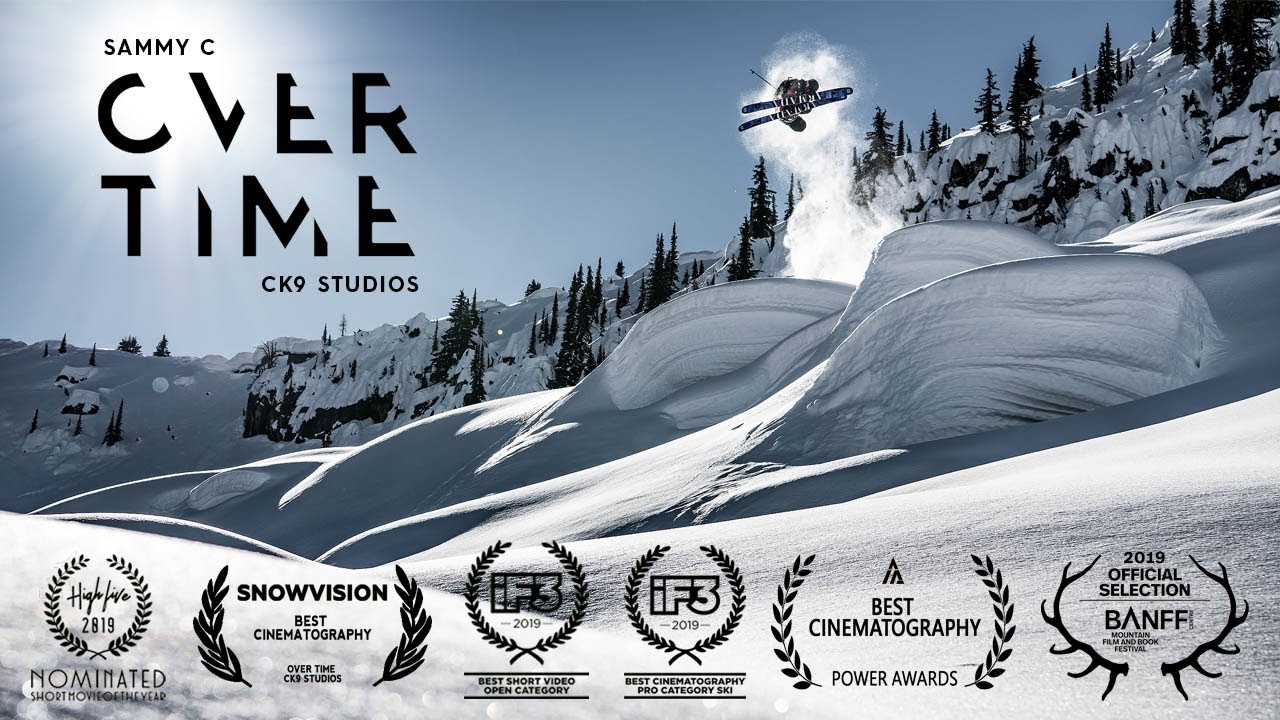
Film seasons are the backbone of Carlson’s legacy. “The Sammy C Project” reframed him from contest winner to backcountry author, pairing booters and technical lines with the same patient setups that worked in slopestyle. “Over Time” (with CK9 Studios) extended the language—pillow stacks, fall-line airs, switch takeoffs in places that once looked too chaotic—while “GROWN” and “ECHO” kept the focus on honest speed and compositions that show approach, slope angle, and body organization. That visual honesty is why riders and coaches still pause his footage for breakdowns; the shots teach as much as they impress.
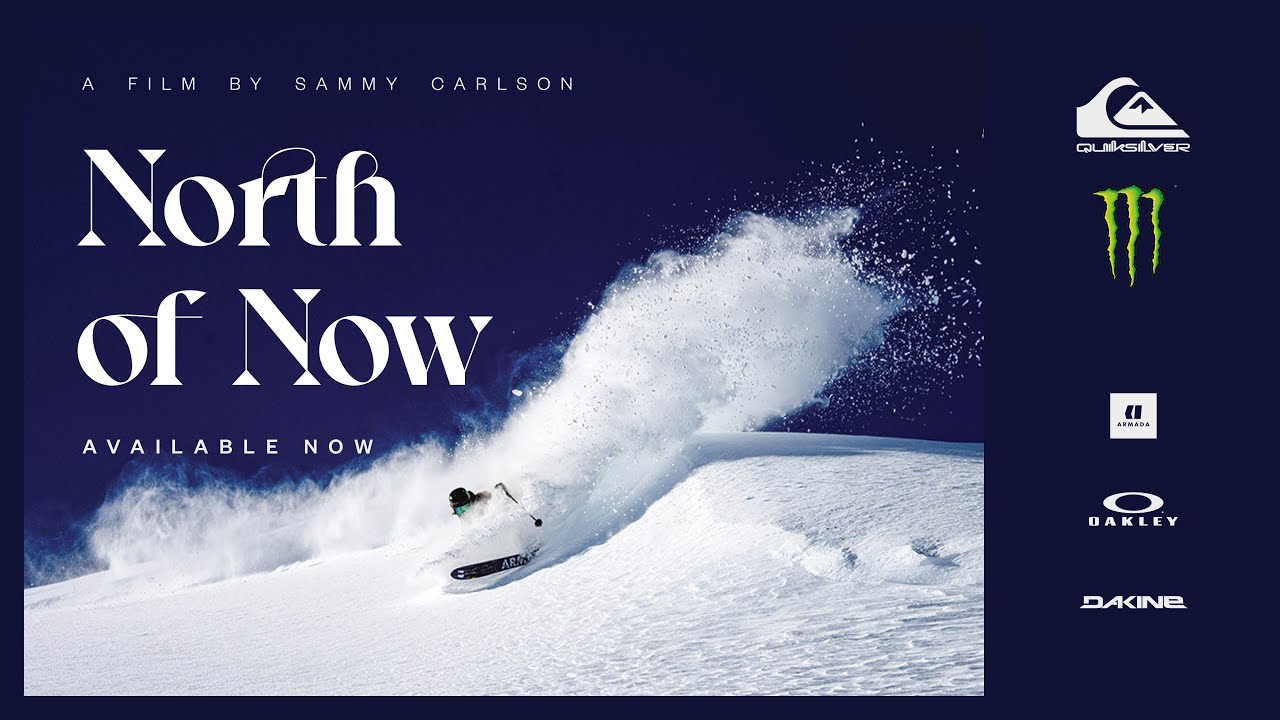
His influence also runs through product and events. With Armada he shaped the Whitewalker series (116/121), pow-focused twins that reward buttered takeoffs and centered landings without folding at speed. Apparel with Quiksilver and long-standing support from Oakley and Monster Energy helped fuel a career built as much on films as on podiums. The through-line is intent: rather than chase every start list, he picked formats that rewarded touch and storytelling, then used films to raise the ceiling on what “slopestyle in the backcountry” could look like.
Geography that built the toolkit
Place explains the method. Mount Hood’s Timberline allowed nearly year-round repetition, perfect for codifying switch approaches, late sets, and clean grabs. Aspen’s stage at Aspen Snowmass added long decks, TV timing, and wind management under lights. The interior of British Columbia—anchored around Revelstoke—layered storm snow, pillows, and complex terrain where speed choice matters more than spin count. When spring jump blocks called for XL timing, Mammoth provided consistent shapes and the headwinds/tailwinds that decide whether a trick reads cleanly. Trace that map and you can see fingerprints in every clip: local-hill repetition, broadcast composure, and deep-snow decision-making that holds up at half speed.
Equipment and partners: practical takeaways
Carlson’s current toolkit reflects his skiing. The Armada Whitewalker series gives a balanced, press-friendly platform that still tracks when you need to carry speed into a second feature; the 121 shines on storm days, the 116 covers most of the season. Outerwear and support from Quiksilver, optics from Oakley, and energy backing from Monster Energy round out a program built for film blocks and selective starts.
For progressing skiers, the hardware lessons mirror the footage. Choose a true twin with medium flex that you can press without folding, a mount close enough to center for neutral switch landings, and a tune that detunes contact points just enough to reduce hookiness while keeping reliable bite on the lip. Keep binding ramp angles neutral so you aren’t tipped into the backseat. More important than any single product is the process his parts model: film laps, compare shoulder alignment and hip-to-ankle stack against a short checklist, and repeat until calm entries, patient pop, early grab definition, and square-shoulder exits become automatic.
Why fans and progressing skiers care
Fans care about Sammy Carlson because his skiing ages well. The clips prize timing, organization, and line design over noise, whether the camera is on a pillow stack in Revelstoke, a sunset jump at Mount Hood, or an Aspen feature built for prime time. Progressing skiers care because the same choices are teachable on normal resorts and real snowpacks: organize early, let the trick breathe, and land on edges you already prepared. Add the résumé—X Games Slopestyle gold, three Real Ski Backcountry golds with a Fan Favorite sweep, and a World Championships silver—and you get both proof and a path. In an era that demands creativity and craft, Carlson remains a reliable reference for how to make freeskiing look inevitable.