Mammoth Mountain
Rocky Mountains - CA
United States
Overview and significance
Mammoth Mountain is the Eastern Sierra’s flagship and one of North America’s most influential freestyle venues, pairing a vast high-alpine footprint with a park-and-pipe program that has set industry standards for more than two decades. The resort’s official figures list 3,500+ acres, 25 lifts and a 3,100 ft vertical rise to an 11,053 ft summit, which helps extend the season into late spring in most years. That scale supports a daily rhythm where storm-chasing, groomer mileage and park progression all coexist, and it underpins Mammoth’s recurring role as a host for U.S. Grand Prix World Cups, Nor-Am Cups and the U.S. Revolution Tour. If you are building a California itinerary around modern freeskiing, Mammoth is the anchor. For context within our own network, see skipowd.tv/location/mammoth-mountain/ and the statewide overview at skipowd.tv/location/california/.
The mountain’s identity is equal parts dependable logistics and credible terrain. Multiple base areas funnel efficiently onto upper chairs and gondolas; treeline zones stay workable on whiteout days; and when the sky clears, long ridge lines and bowls hold chalk and soft snow by aspect. Overlay Unbound’s contest-grade setups and a hike-to freestyle zone on the backside, and you get a venue that converts time on snow into rapid progression for park riders and freeriders alike.
Terrain, snow, and seasons
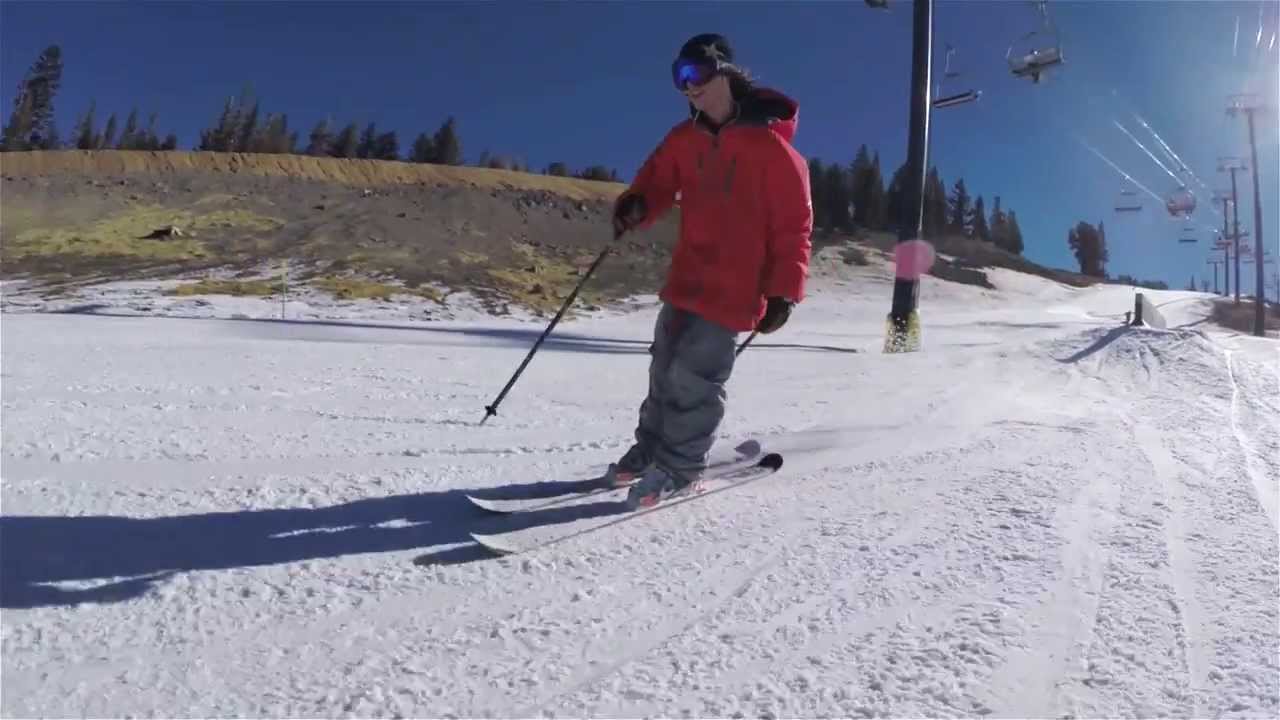
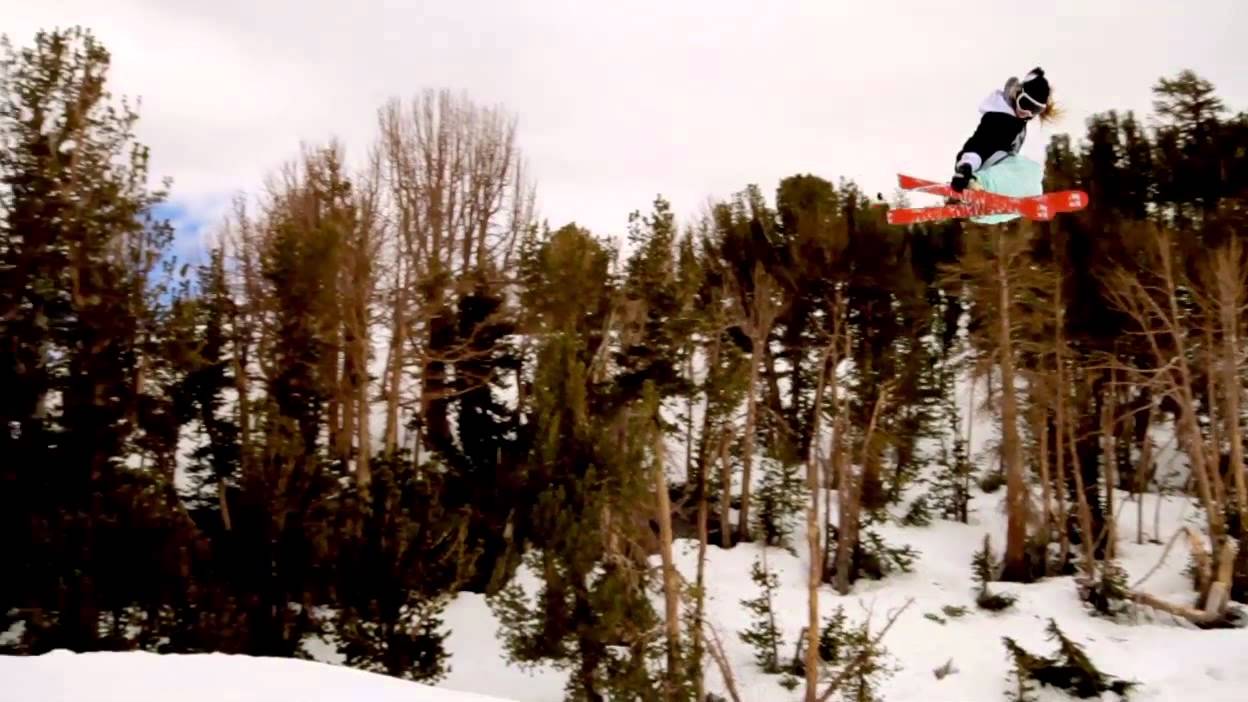
Mammoth skis big, but it’s the way the terrain layers that matters. From Main Lodge, high-speed chairs and the summit gondola stack long fall lines, wind-buffed ridges and scooped bowls that ride well after storms. Canyon and Eagle add rolling groomers, side hits and quick access to mid-mountain benches that hold visibility and speed when clouds sit low. The backside opens to broader alpine panels and, when coverage allows, hike-to freestyle terrain in The Hemlocks—steep, natural features that the shape crew enhances with hand-built takeoffs during peak cycles.
Snowfall is both deep and durable by California standards thanks to elevation and exposure. During active periods you can expect dense, shapeable snow that smooths landings and lets lips rebuild quickly; between systems, leeward faces set into supportive chalk while north and east aspects preserve winter surfaces. The resort’s published norms include roughly 400 inches of annual snowfall and a typical season from November into May or June, with 300 sunny days a year also in the marketing mix. The net effect for freeskiers is reliable surface quality across a long window, with storm weeks for soft progression and blue spells for speed and filming.
Park infrastructure and events
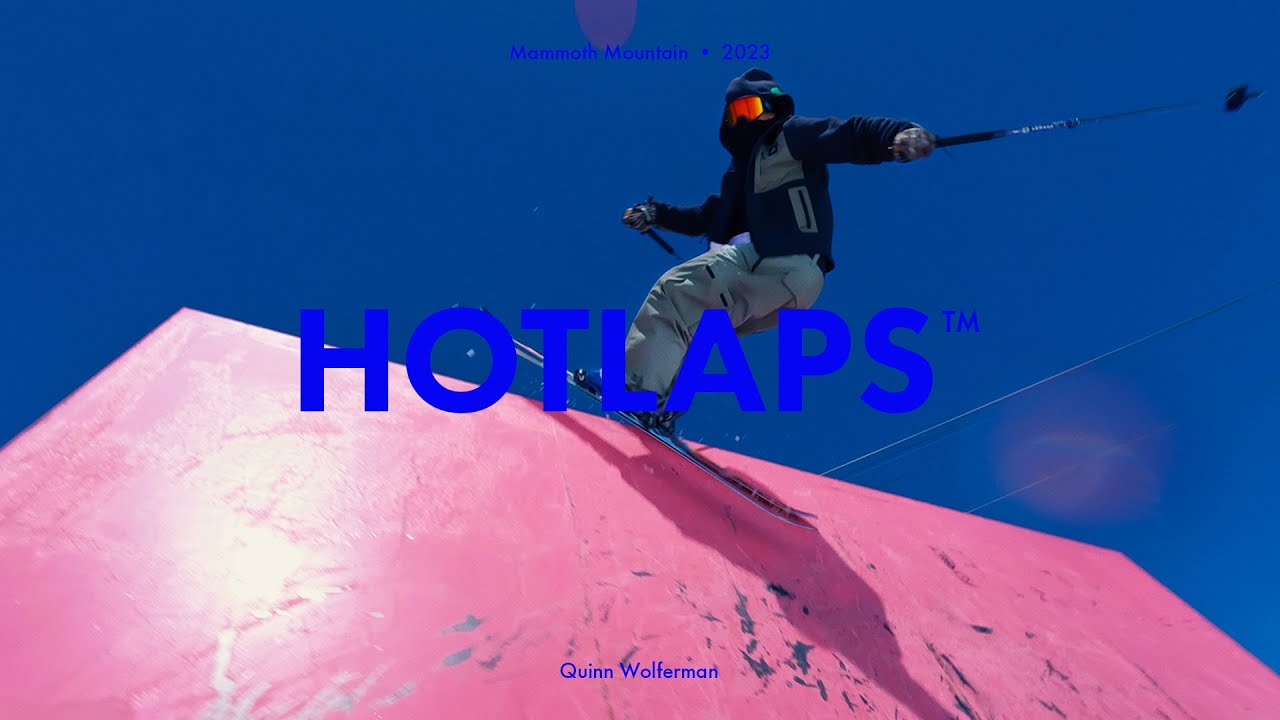
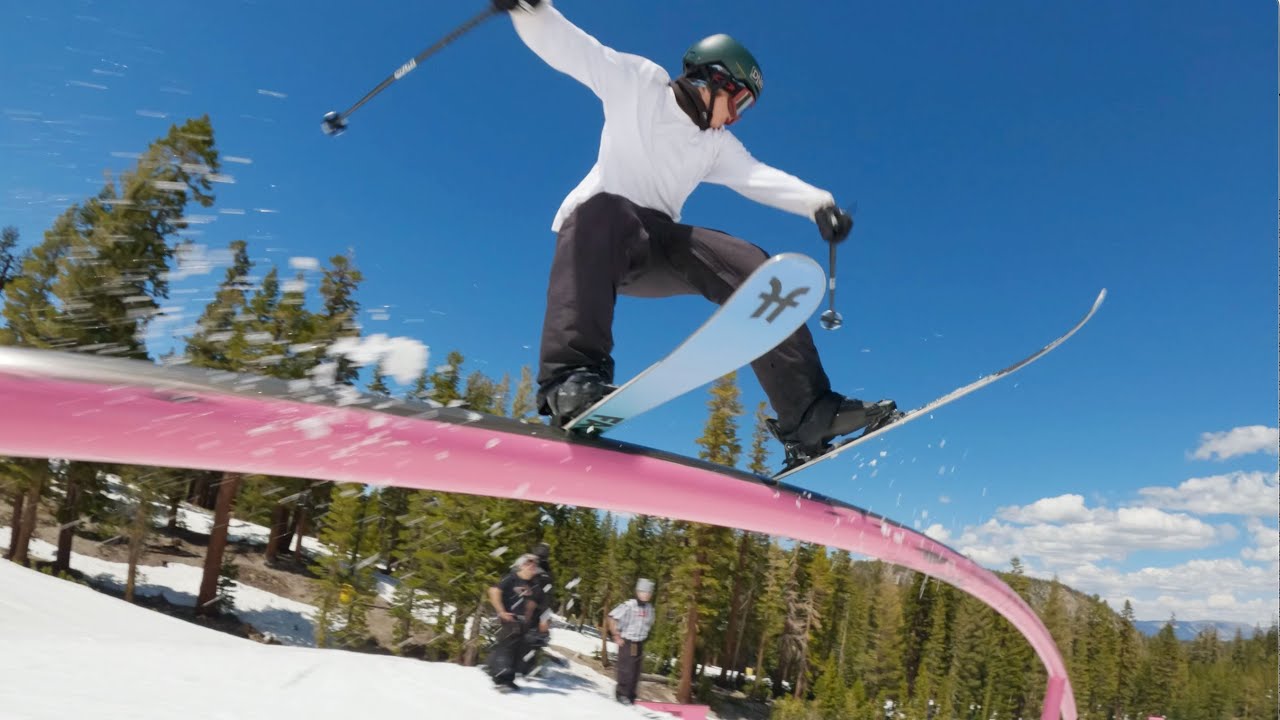
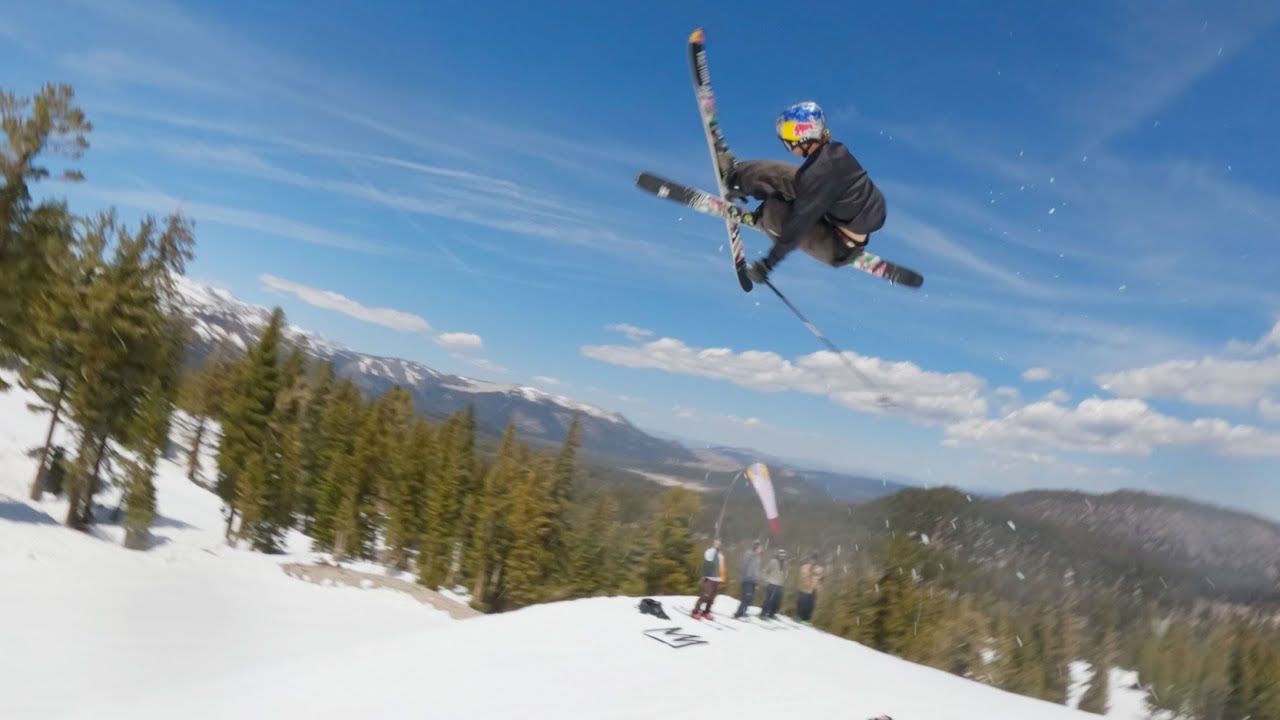
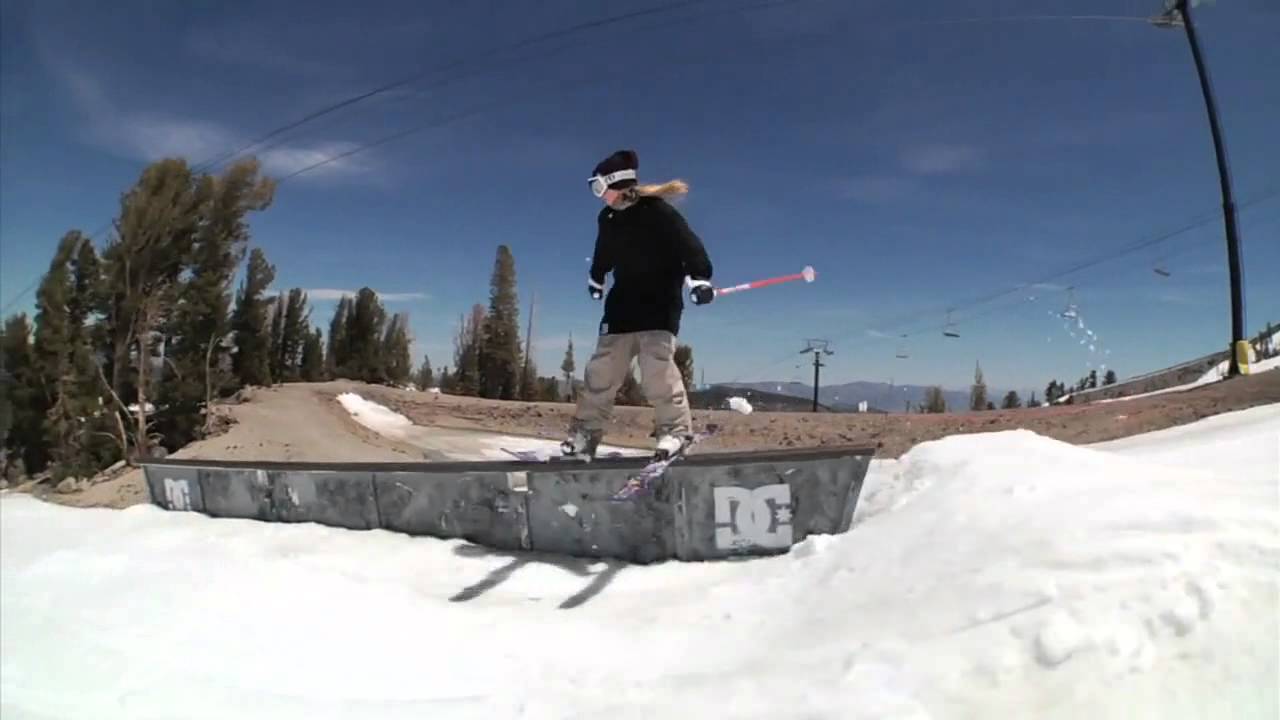
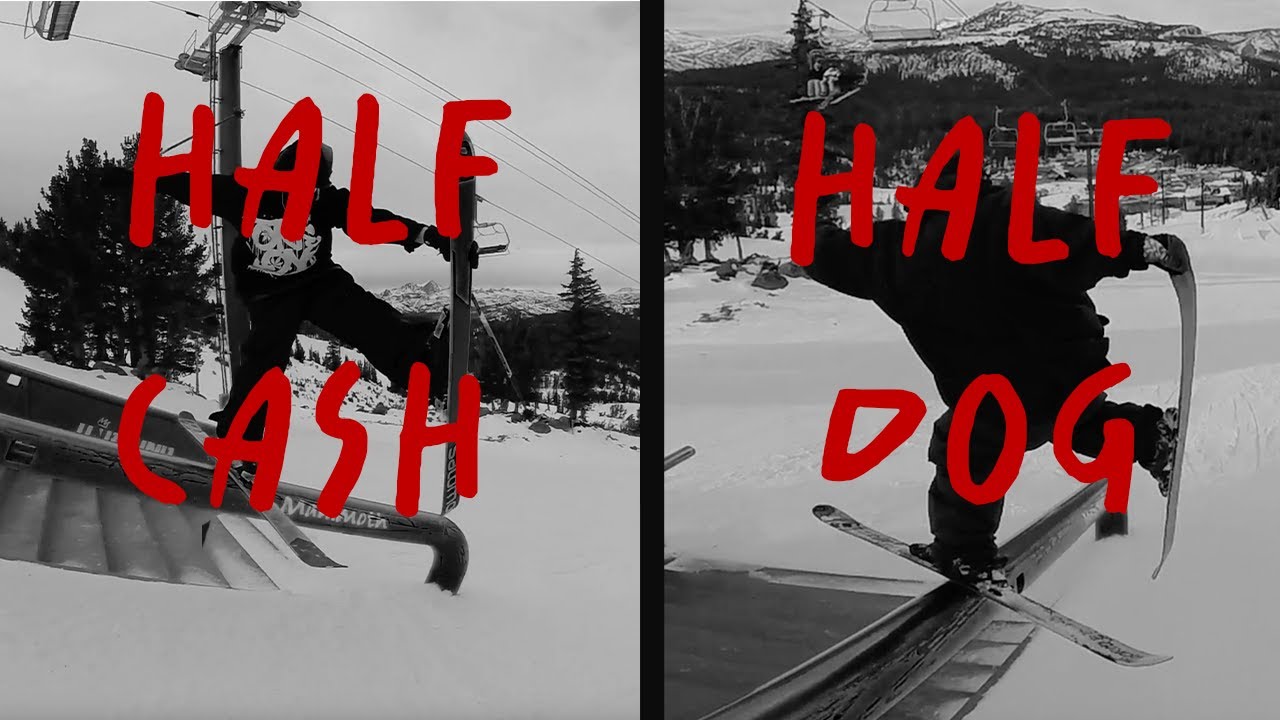
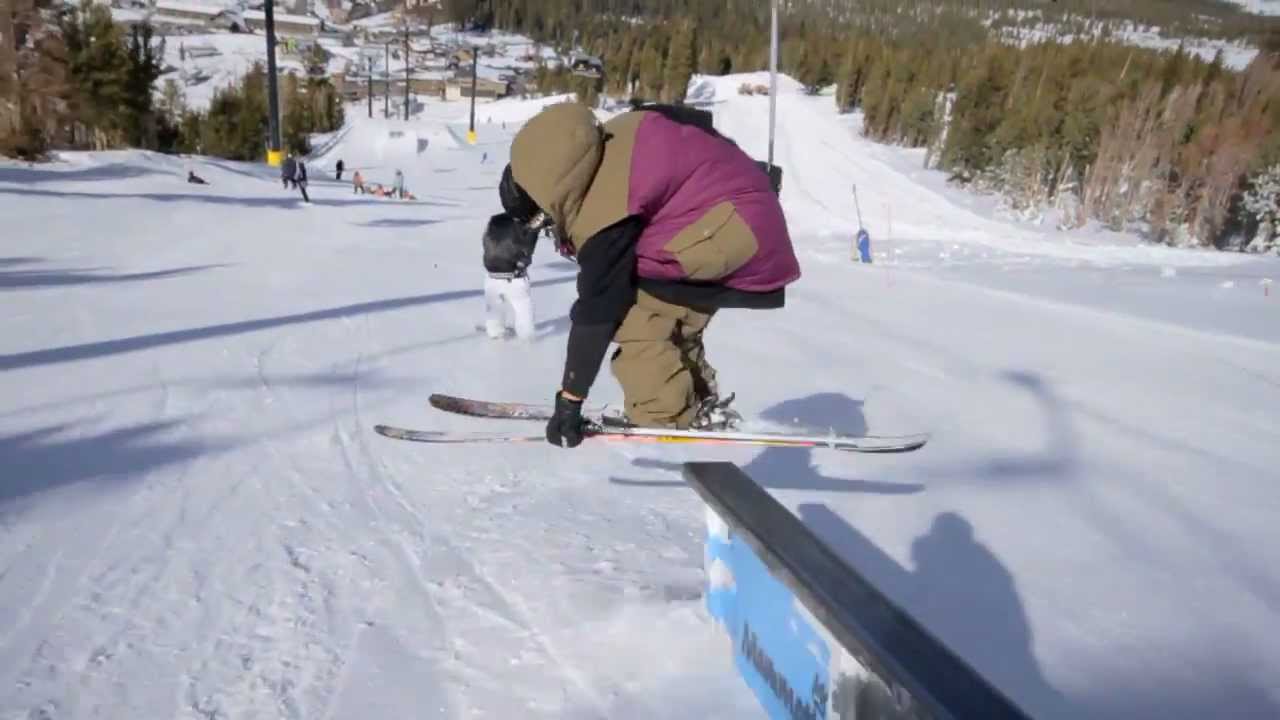
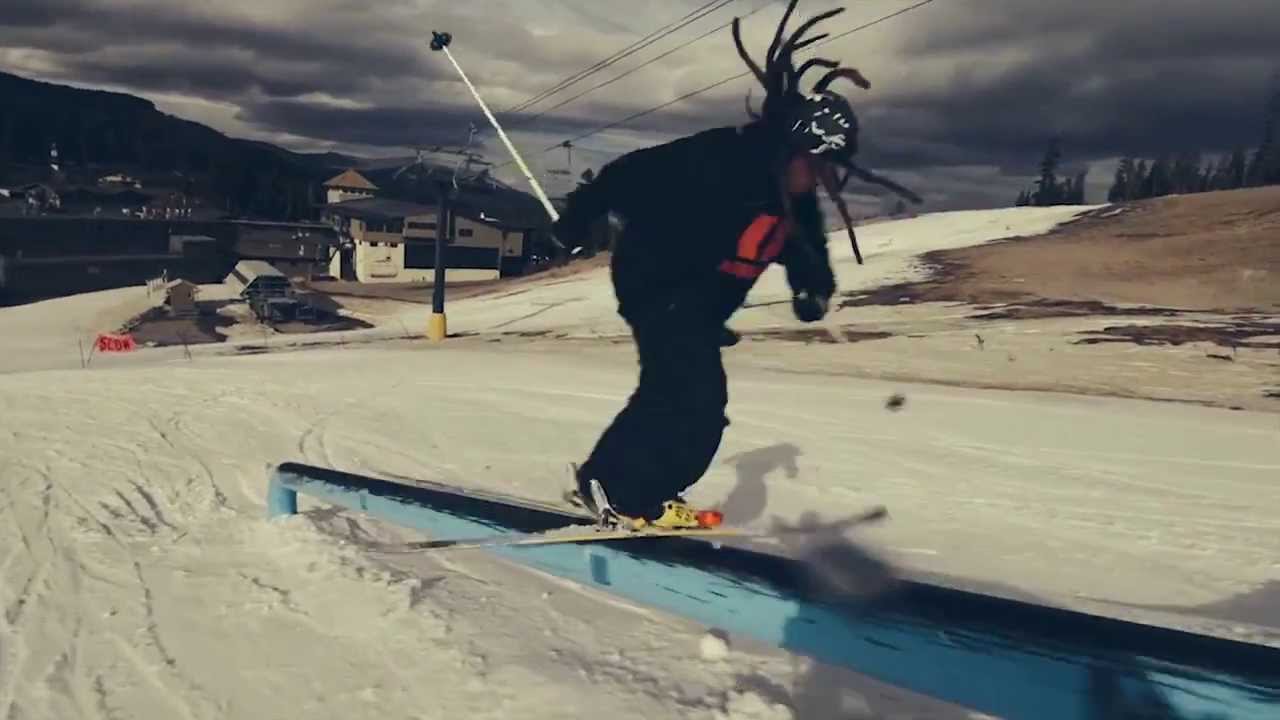
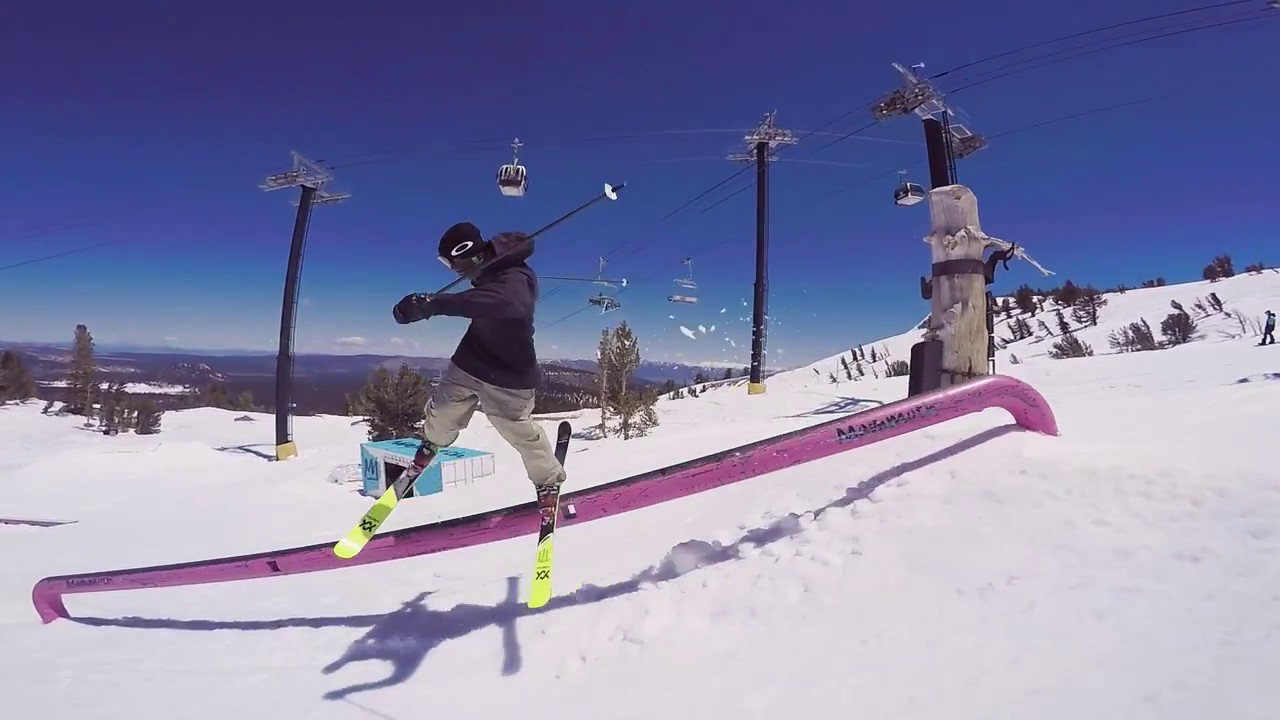
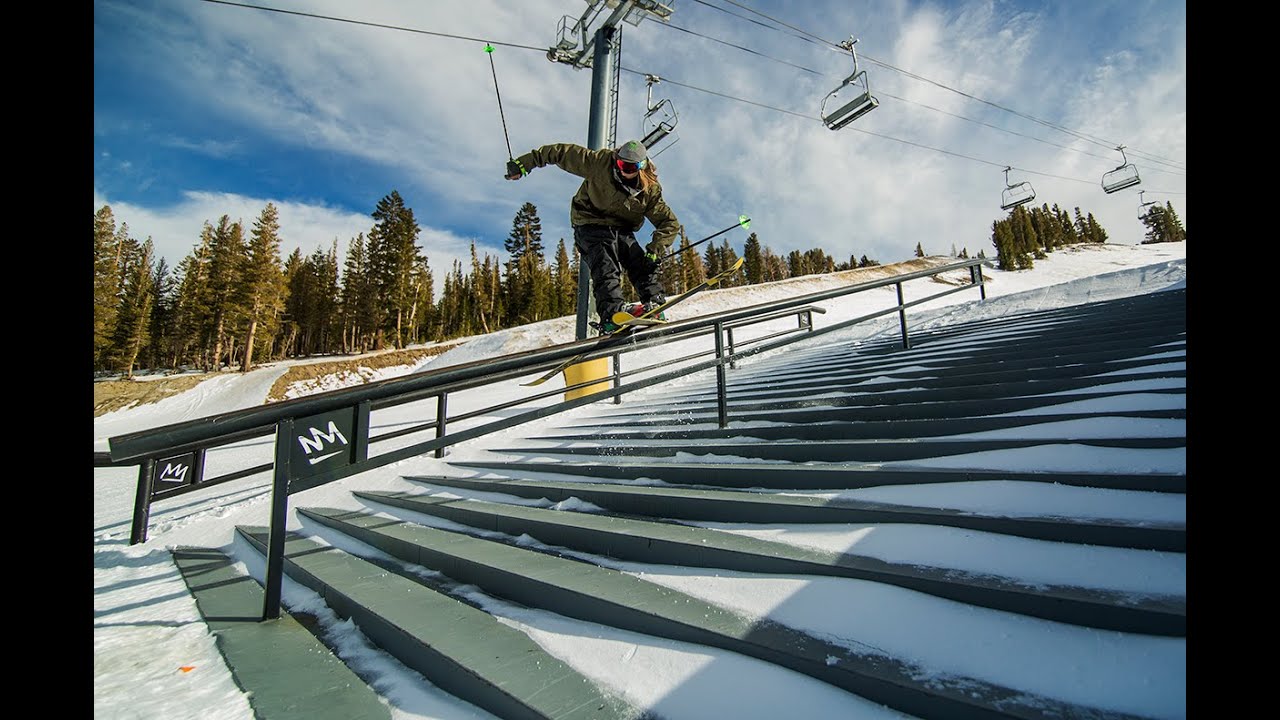
Mammoth’s Unbound Terrain Parks remain a benchmark: the official brief cites 10 parks, 2 halfpipes, 100+ jibs and up to 40–50 jumps on more than 100 acres when fully built. Main Park is the pro-stage lap with a 22-foot superpipe and large jump lines accessed via Unbound Express; South Park offers long, flowing lines and a secondary pipe; Forest Trail and the playground parks at each base give beginners and intermediates a clean ladder for repetition. The Unbound park map and daily status updates are the control tower for which lines are open and how they’re riding.
Event pedigree is current and deep. Mammoth regularly hosts the U.S. Revolution Tour with freeski halfpipe, slopestyle and big air competitions staged in Unbound’s Main Park and the 22-foot pipe, and the mountain has closed World Cup calendars with Toyota U.S. Grand Prix stops in recent seasons. Nor-Am Cup starts appear frequently on the FIS calendar, and spring also brings Far West alpine series finals on the race network. The through-line is that Unbound builds to competition standards while keeping public flow workable—one of the reasons teams and film crews treat Mammoth as a repeat training base.
Access, logistics, and on-mountain flow
US-395 is the spine of any Eastern Sierra trip. In winter, chain controls and full closures are possible during major storms, so plan around Caltrans’ live tools and road information pages before you roll. Once you are in Mammoth Lakes, the free town and mountain shuttles simplify car-free days; the Red and Green lines connect Main, Canyon and Eagle pods on frequent winter schedules, with additional routes and evening service linking The Village and lodging zones. If you’re mixing days with June Mountain, note that Mammoth lift tickets are valid at June the same day (beginner tickets excluded), which makes pivoting for wind or crowds low-friction.
Flow tips are simple. On storm mornings, prioritize treeline off Canyon and Eagle to keep visibility and speed honest; as ceilings rise, step to the summit panels and backside bowls. For park volume, build a two- or three-feature circuit in Forest Trail or South Park to check speed and pop, then move to Main Park and the superpipe when temperatures stabilize and lips are crisp. When The Hemlocks are in condition and open, treat it like big-mountain freestyle: watch wind loading, manage group spacing and expect ungroomed landings.
Local culture, safety, and etiquette
Mammoth’s scene blends high-output park laps with serious mountain management. Inside the ropes, respect closures and staged openings—wind and snow transport can change hazard quickly on the ridges, and patrol will hold lines until they are safe. Beyond the ski area boundary or on touring days, start with the daily bulletin from the Eastern Sierra Avalanche Center, travel with beacon, shovel and probe, and move with partners who know companion rescue. Tree wells are a recurring risk in deep cycles, especially below storm snow in glades; keep partners visible and communicate during powder laps.
Park etiquette is non-negotiable: inspect features, call your drop, hold a predictable line and clear landings and knuckles immediately. Give the shape crew and winch cats space during rebuilds; they adjust lips and takeoffs to protect speed, not to slow the session. Altitude also matters here. With a base around 7,953 ft and a summit at 11,053 ft, hydrate, manage sun exposure and pace early days if you are new to high elevation.
Best time to go and how to plan
For cold surfaces, stable jump speed and frequent refreshes, target mid-January through early March. That window typically yields the most repeatable park laps and forgiving landings. March into April adds longer light and classic spring cycles—corn on solar aspects by late morning and preserved winter on shaded, higher faces—while Unbound keeps rotating rebuilds so rail lines and jumps stay fresh. Build a flexible plan each morning: check the mountain’s lift and trail report for wind holds and staged terrain openings, confirm Unbound’s line status, then pick sectors by aspect and visibility.
Transit and tickets reward a little homework. If you intend to mix Mammoth and June, structure days by weather and crowds and use the same-day ticket validation to pivot midday if needed. If you are aiming for event weeks, book early and expect footprint changes around Main Park and the pipe during training blocks. For car-free trips, align lodging with shuttle stops on the Red and Green lines so uploads are simple even on busy days; if you drive, monitor Caltrans QuickMap for chain controls and rolling closures on US-395 during storm cycles. Mammoth’s official winter trail map and Unbound page are the daily baseline for what’s spinning and how to lap efficiently.
Why freeskiers care
Because Mammoth turns a long, high-quality season into repeatable progression. You get a massive, weather-resilient mountain with tree zones for storm days and chalky ridges for bluebirds, plus Unbound’s tiered park system and a superpipe that mirror competition standards. You can add big-mountain freestyle in The Hemlocks when conditions align, pivot to June on the same ticket if wind or crowds push you to change plans, and rely on a shuttle network that keeps the day moving. The combination—credible terrain, contest-grade shaping, and frictionless logistics—explains why Mammoth remains a global reference point for skiers who want to learn fast, film well, and ride real mountains all season long.