Profile and significance
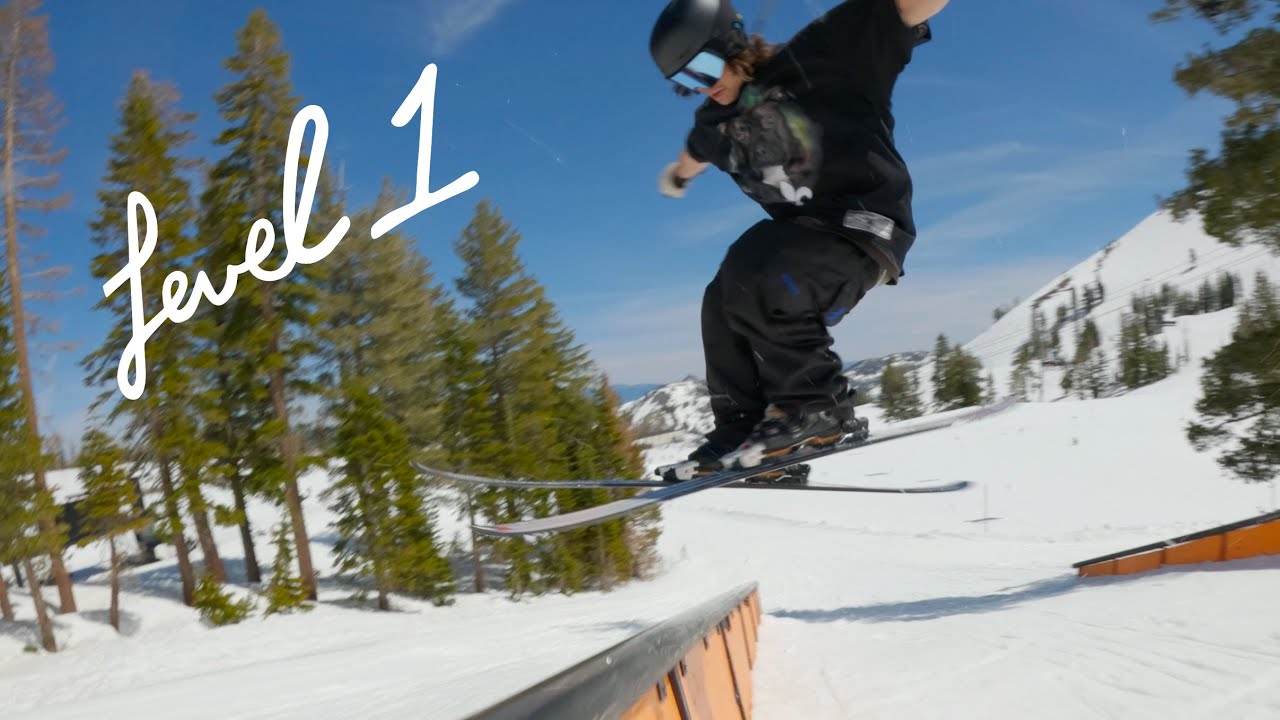
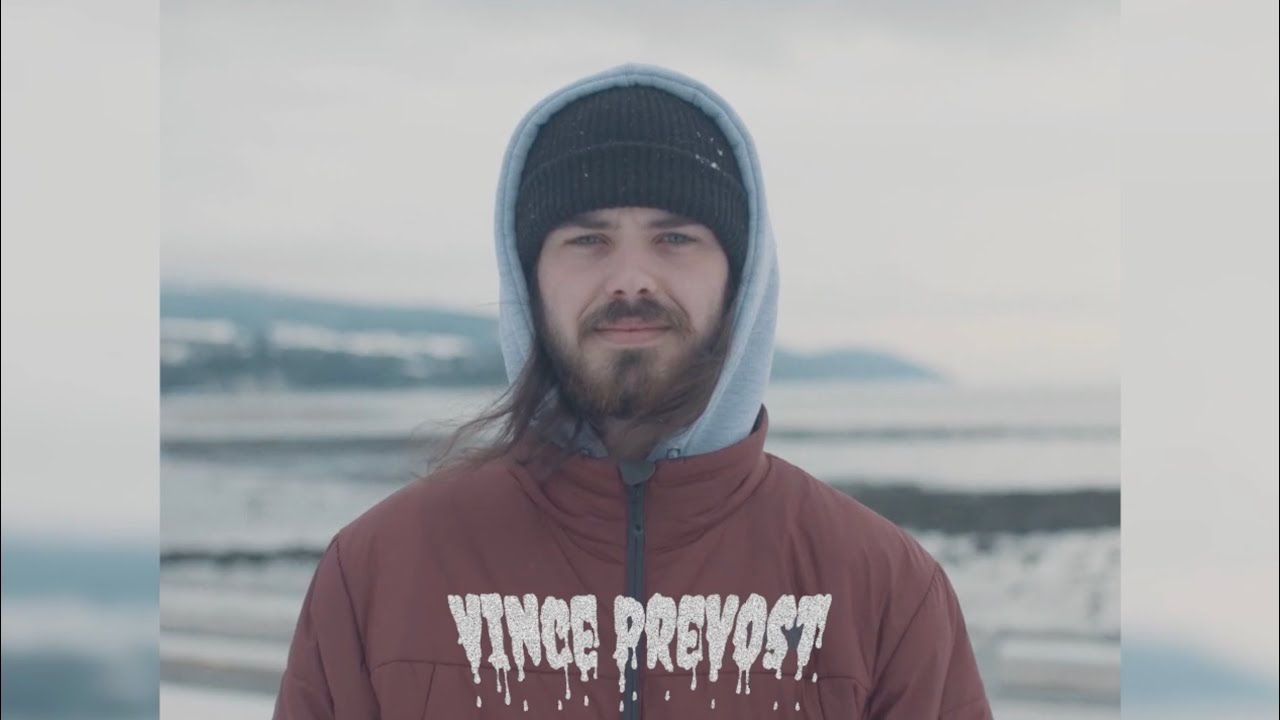
Mat Dufresne—often credited as Mathieu “Mat” Dufresne—is a Quebec street and park skier whose profile has grown through short films and rider-led sessions more than traditional ranking sheets. Based around Montréal and the Laurentians, he broke out internationally by winning Level 1’s SuperUnknown XIX in 2022, a milestone that signaled to the wider freeski world that his blend of rail precision, creative spot choice, and effortless style belonged on the global stage. Since then, he has doubled down on street projects including MTL, MTL 2, and the 2024 short “Word to the Wise,” while stepping into high-visibility jam formats like Dew Tour Streetstyle. He matters because he shows what modern freeski progression looks like when it’s rooted in streets and local parks, then pressure-tested at headline events.
Competitive arc and key venues
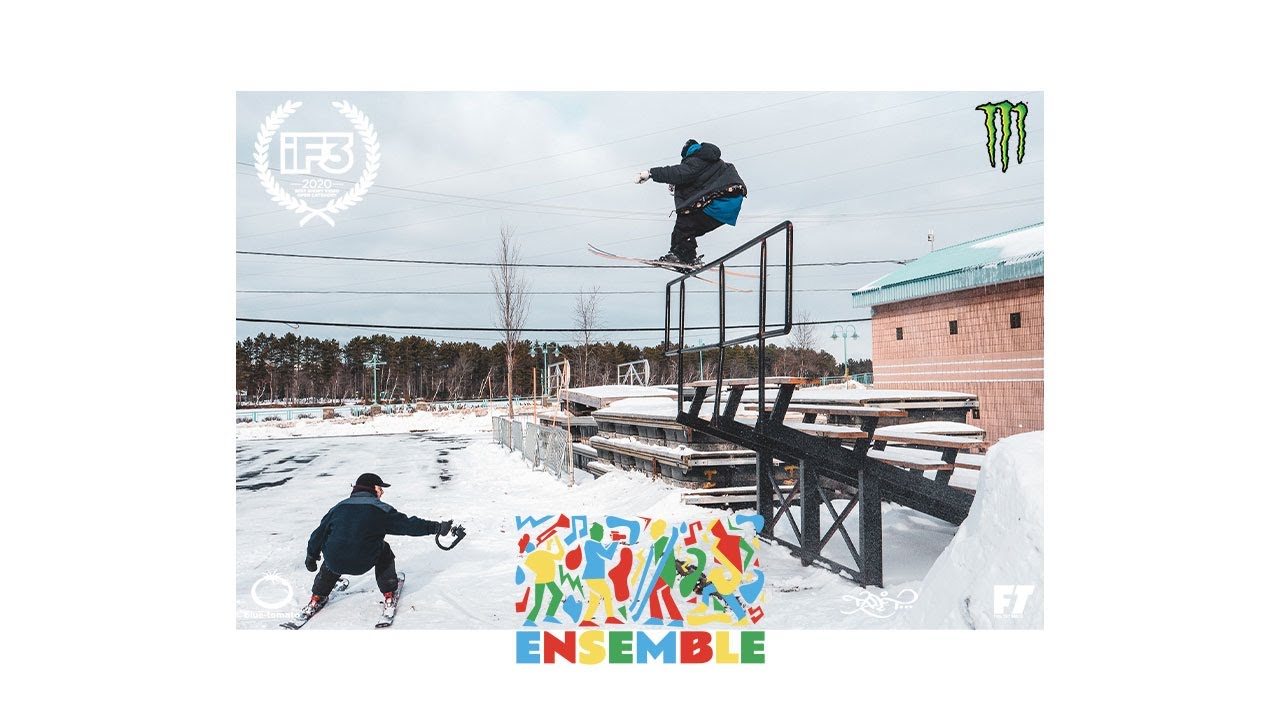
Dufresne’s most important “result” is cultural: winning SuperUnknown XIX at Mammoth in 2022, which placed his name alongside prior era-defining winners and validated his approach in front of peers and brands. That week unfolded in the Unbound parks at Mammoth Mountain, famous for XXL rails and progressive jump lines that expose any technical shortcuts. In March 2024 he added breadth by qualifying through heats in Men’s Ski Streetstyle at Copper, bringing his street-born timing to a live-event format at Copper Mountain. Away from contest scaffolding, the primary “venues” of his career are the handrails, ledges, walls, and stairsets of Montréal, and the park laps at Versant Avila in the Les Sommets network—two environments that reward accuracy, speed control, and quick resets. His films have screened on the fall festival circuit, including the iF3 tour organized by iF3 Festival and showcases linked to Annecy’s High Five Festival, reflecting growing recognition for his street work.
How they ski: what to watch for
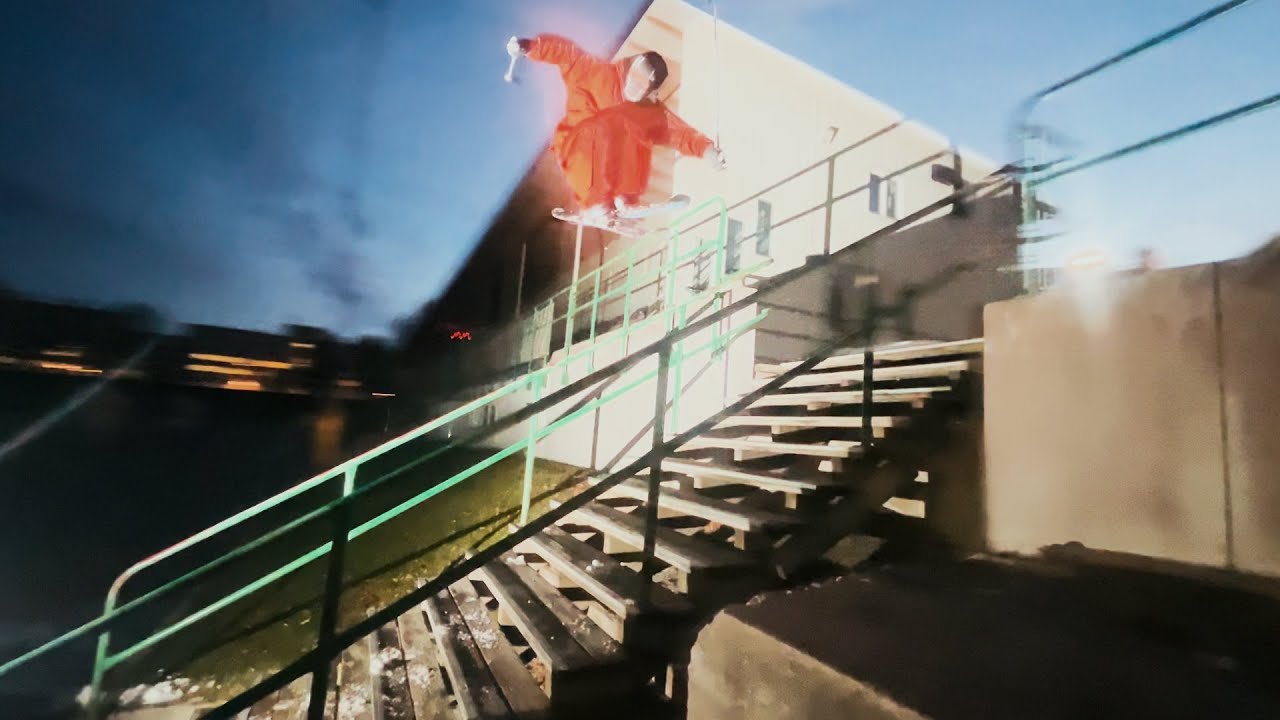
Dufresne’s skiing is built on economy and definition. On rails, he favors stable, locked body positions—backslides and presses that are held long enough to read clearly, then released with minimal arm swing. Watch his early edge set as he steps onto kinks or waterfall features; that pre-emptive pressure management keeps the base flat and lets him exit square. Change-ups tend to be quiet and centered rather than dramatic, which makes the line flow and helps him keep speed for the next feature. On small-to-medium jumps and side hits, the trademark is patience into the lip, grabs established early, and rotations that come from the hips instead of a rushed upper-body huck. The net effect is “replayable” skiing: slow any clip down and you’ll see checkpoints—tall approach, stacked takeoff, neutral shoulders, soft ankles on landing—that progressing skiers can copy.
Resilience, filming, and influence
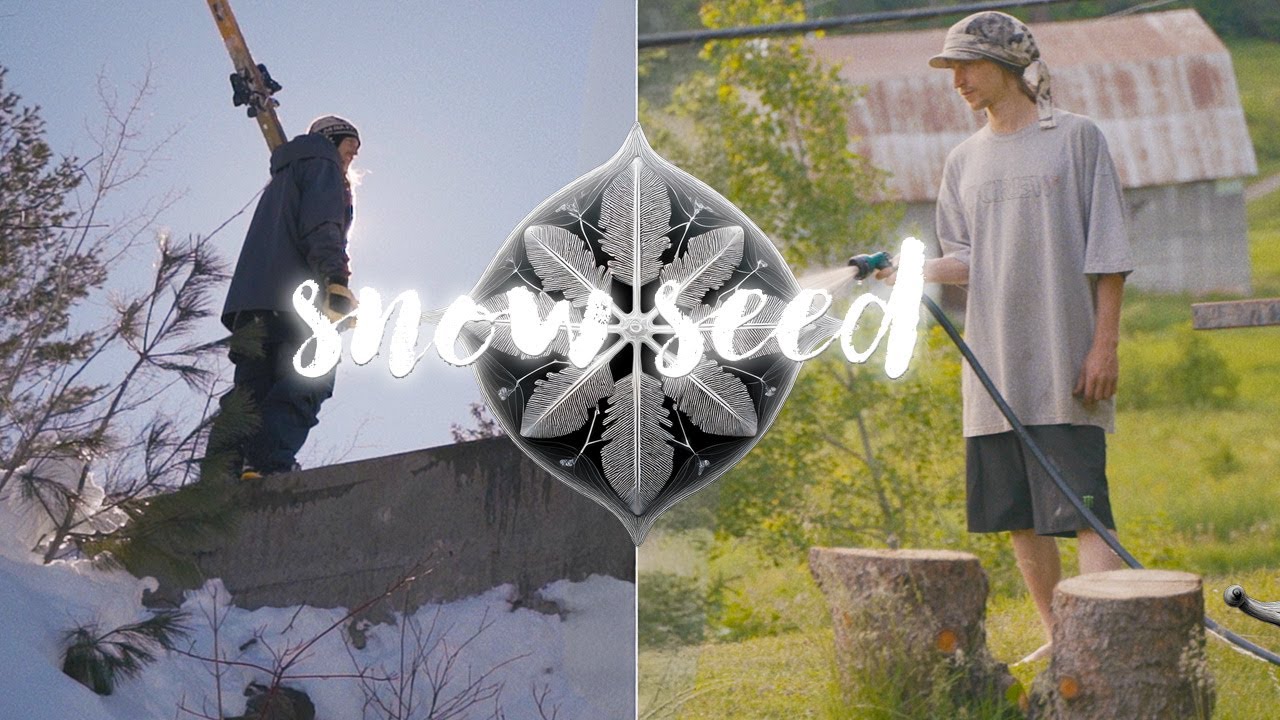
Street skiing in and around Montréal means thin cover, variable run-ins, and fast decision-making. Dufresne leans into those constraints with smart feature prep and trick choices that read well on camera, turning scarcity into a style advantage. His 2024 short “Word to the Wise,” shot and edited with longtime Quebec filmer-host Xavier Mayrand, distilled a season’s worth of urban sessions into a compact statement about timing and line reading. That project followed earlier MTL and MTL 2 chapters and continued a run of festival recognition, including nominations at iF3. Between winters, he keeps close to the scene via community sessions—think summer laps and pop-up jam days—where he passes on drill-based habits that make his clips look so composed. In aggregate, the films and sessions have made him a reference point for street-first skiers who still want the composure to step into bigger park builds when it counts.
Geography that built the toolkit
Dufresne’s toolkit reflects the places he rides most. The rails and ledges of Montréal sharpen his approach speed and commitment—there’s rarely room to recover once you drop. Repetition at Versant Avila gives him lap volume on tight, feature-dense lines that demand quick feet and balanced exits. Time at Mammoth’s Unbound layered in XXL spacing, long decks, and wind management, while Streetstyle at Copper Mountain brought the pressure of bright lights and one-take runs. Together these environments yield a skier who reads terrain instantly and picks options others miss—an asset whether the spot is a city handrail or a contest rail garden.
Equipment and partners: practical takeaways
Dufresne rides with J Skis, including a collaborative “Poutine” graphic on the playful Vacation platform, and leans on the simple, durable feel of Joystick poles. In his backyard scene he works closely with Axis Boutique, a long-standing Quebec hub for park and street skiers. For riders trying to emulate the look, the gear lessons are straightforward: detune contact points to reduce unexpected edge bite on rails; choose a mount that keeps the ski balanced for presses and switch landings; and prioritize predictable flex over pure stiffness so you can stay centered as you exit features. Off-snow, build the same habits seen in his clips—trampoline timing, balance drills, and deliberate video review—so patience at the lip and quiet shoulders become automatic.
Why fans and progressing skiers care
Dufresne is a case study in how strong fundamentals plus good taste can travel from neighborhood rails to major parks. Fans get clean, creative urban clips that hold up to repeat viewing. Developing skiers get a roadmap for building reliable rail and side-hit technique without needing the biggest jumps or deepest snowpacks. In a freeski landscape that values both film parts and event moments, his SuperUnknown title at Level 1, his Streetstyle appearances at Copper Mountain, and his continued film output around Montréal and Versant Avila make him a reliable watch for anyone who cares about rail craft, composure, and creative line choice in modern freeskiing.