Profile and significance
Joel Magnusson is a Swedish freeski original whose name has become synonymous with high-level rail craft and clean, rewatchable street parts. Born in 1998, he surfaced on the wider scene through the European film collective Suéde and a run of standout appearances at rider-led gatherings, then carried that reputation into invite-only showcases like Red Bull Unrailistic. Earlier in his career he logged federation starts—his FIS bio lists him as Swedish with a 1998 birth year—before focusing on projects that prize style as substance. Today he’s recognized as one of Scandinavia’s most dependable rail specialists: calm approaches, decisive lock-ins, and landings that keep momentum alive for what comes next.
Brand footprints mirror that identity. Magnusson rides for the outerwear label LEAD Fabrics, and earlier made noise with the rider-run ski brand J Skis during Level 1’s SuperUnknown XV era. The common thread is rider agency and durable tools—gear that supports measured spin speed, deep grabs, and rail work that reads clearly at full speed.
Competitive arc and key venues
Magnusson’s résumé tilts toward filmed output and culture-first events rather than a long World Cup tour. The inflection points are easy to spot. He was a SuperUnknown XV finalist with Level 1’s pipeline before turning heads at Sweden’s Kimbo Sessions, where he even lined up for a filmed SLVSH game against Eirik “Krypto” Moberg. In 2023 he debuted at Red Bull Unrailistic as a perceived wildcard and impressed with heavy, technical rail choices; he returned for the 2024 edition in Åre with even more confidence. In June 2025 he stepped into the Scandinavian Team Battle at CopenHill in Copenhagen, replacing an injured Jesper Tjäder on Team Sweden and helping the squad to a runner-up finish in a format that rewards flow, creativity, and crowd energy as much as raw trick count.
Venue context explains his toolkit. Spring laps at Kläppen and other Scandinavian parks honed cadence on dense rail panels and medium booters. CopenHill’s dryslope rails compress decision-making into short in-runs and quick outruns, demanding early commitments and airtight exits. In Åre’s Unrailistic build, the features are unforgiving but consistent—perfect for someone who protects speed and finishes tricks early. Layer in the travel-heavy street missions across Sweden and Finland with Suéde, and you get a rider whose habits survive different surfaces and setups without losing clarity.
How they ski: what to watch for
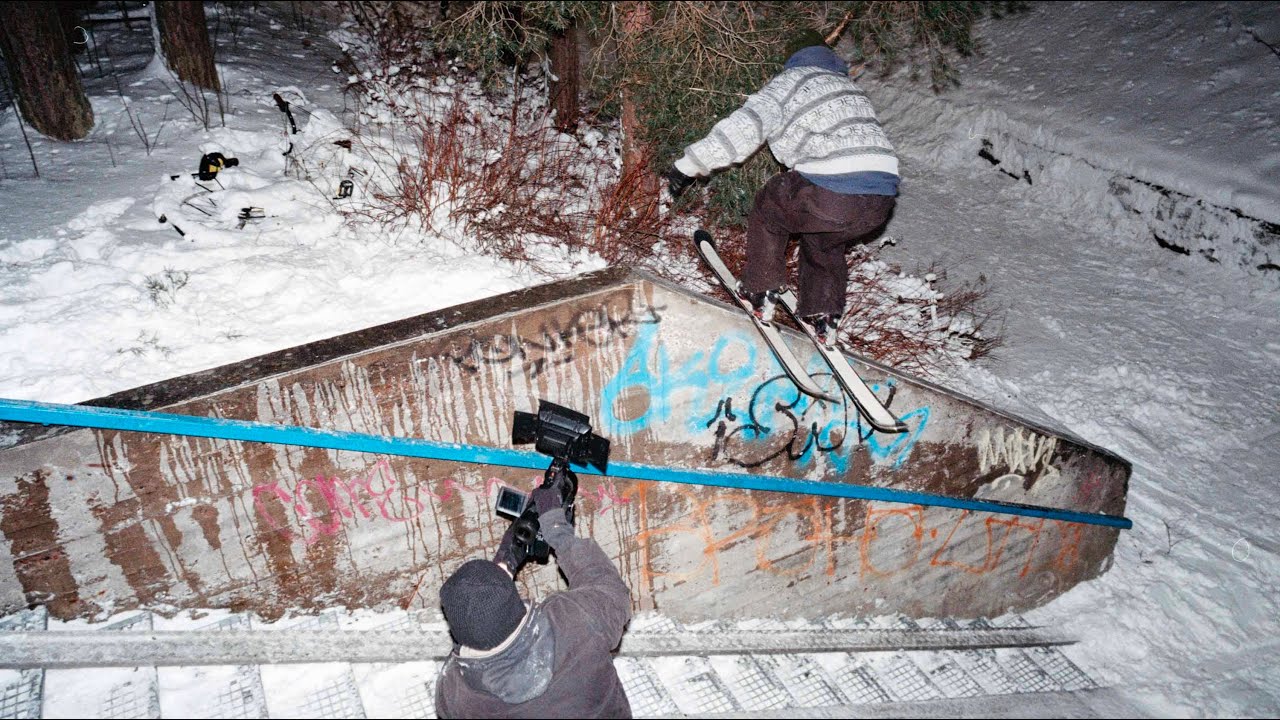
Magnusson skis with deliberate economy. On rails, he squares up early, centers his mass on contact, and locks in decisively rather than theatrically. Surface swaps resolve completely; presses have visible shape; exits protect enough speed that the next feature arrives naturally. On jumps, he manages spin speed with deep, functional grabs—safety, tail, or blunt depending on axis—arriving early enough to quiet rotation and keep his hips stacked over his feet. That discipline makes his bigger spins look unhurried and explains why editors can present his clips at normal speed without slow-motion rescue.
Two cues help you read a Magnusson clip in real time. First, spacing: every trick creates room for the next one, so the run feels like a sentence rather than disconnected words. Second, grab timing: the hand finds the ski early and stays long enough to stabilize the axis, not just decorate the frame. Those habits translate whether the camera is ten meters from a city down-flat-down or perched above a spring booter.
Resilience, filming, and influence
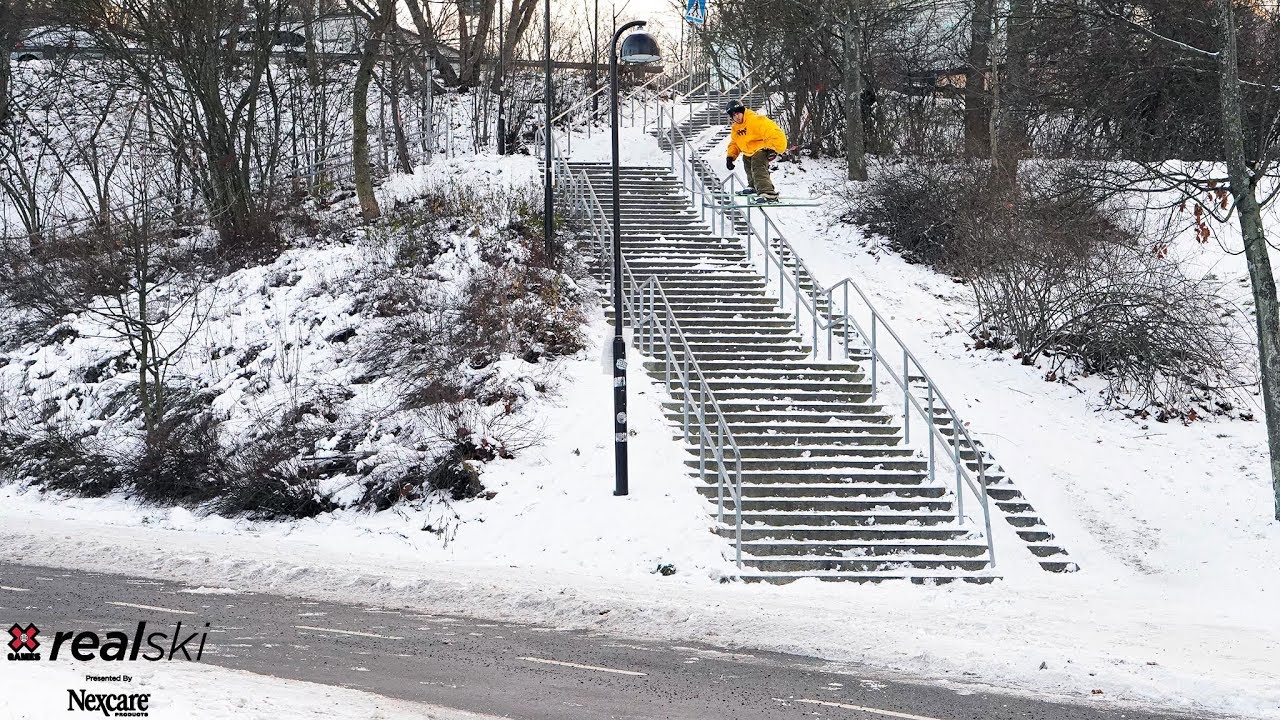
Street seasons and rider-led events reward process—shovel and salt, rebuilds after busts, and the judgment to walk away when the approach won’t hold. Magnusson leans into that rhythm, which is why his segments age well. With Suéde he contributed to widely circulated shorts like “What’s for Breakfast?” and took part in community projects such as the Forre Megasessions, where spot selection and line design are scrutinized by peers. Those parts underline a core message: style is technique. It’s the spacing between moves, the functional grab that calms rotation, the centered landing that preserves momentum for the next decision. Younger riders see a blueprint they can copy, and event organizers know his skiing reads cleanly for a live audience.
The influence is amplified by consistency under pressure. At Unrailistic, where the best rail skiers on the planet converge, Magnusson’s trick choices are heavy but legible; at Team Battle, his pacing and teamwork keep runs coherent even as the format turns chaotic. That combination—difficulty plus clarity—has made him a go-to name when a crew wants lines that hold up on the tenth watch.
Geography that built the toolkit
Place is the skeleton of Magnusson’s skiing. Scandinavian parks like Kläppen supply repetition and firm, honest snow where late commitments get punished. Åre’s Unrailistic build—staged within the resort footprint—adds high-consequence rail geometry that demands precise entries and tidy exits. Copenhagen’s CopenHill dryslope, with its short in-runs and plastic surface, sharpens approach angles and speed protection in a way that few winter venues can match. Street trips across Sweden and Finland round out the education with quick redirects, short runouts, and spots that reward obstacle-spanning tricks. Stitch those environments together and the habits become portable: protect momentum, finish movements early, and let the line keep its shape from first hit to last landing.
Equipment and partners: practical takeaways
Magnusson’s setup is built for repeatability. Outerwear from LEAD Fabrics keeps mobility high and weather out during long street days, and his earlier association with J Skis underscored a preference for predictable swing weight and edge life on steel. For skiers translating that into their own choices, think category fit over model names. Choose a symmetrical or near-symmetrical park ski and mount it so presses feel natural without compromising takeoff stability. Keep bases fast so cadence doesn’t depend on perfect weather; tune edges to hold on rails yet soften contact points enough to avoid surprise bites on swaps. Treat the grab as a control input—lock it early to stabilize the axis—and protect speed through the outrun so the next setup arrives on time.
Why fans and progressing skiers care
Joel Magnusson matters because he turns elite street difficulty into runs that anyone can follow in real time. The résumé spans culture-defining venues—Kimbo Sessions laps, Unrailistic in Åre, Team Battle at CopenHill—and film parts that travel far beyond Scandinavia. The skiing itself is readable at full speed: decisive lock-ins, functional grabs, centered landings, and lines that breathe. For viewers, that makes his clips endlessly replayable. For developing riders, it offers a checklist you can practice on your next lap—square the approach, make early commitments, finish the trick with time to spare, and leave every feature with speed for whatever comes next.