Profile and significance
Benjamin Carlund is a Swedish freeski original whose reputation has been built in front of the camera more than under a start wand. Born in 1997 and FIS-registered for Sweden, he moved past the traditional contest track to become a film-first rider with a distinct, highly technical approach to rails and resort features. His name reached a global audience as a Level 1 SuperUnknown finalist in Mammoth, a springboard that confirmed what European crews already knew from his edits and spring sessions. He rides for Armada Skis, and his presence each May at Kimbo Sessions—the style-driven “anti-contest” staged at Kläppen—has turned him into a reliable source of clips that travel fast across the park-ski internet.
What sets Carlund apart is the way his skiing reads without slow motion. He favors deliberate approaches, clean lock-ins, and trick selection that values line continuity over one-off bangers. That philosophy translates from purpose-built park lines to urban features, and it’s why his parts with Sweden’s Suéde crew—along with his SuperUnknown raw cut from Mammoth—have become reference points for skiers who study speed control as closely as trick lists.
Competitive arc and key venues
Although he has entries in the FIS database, Carlund is best understood through filming blocks and rider-led events rather than ranking tables. The turning point for international visibility came with Level 1’s SuperUnknown finals at Mammoth Mountain, where a week of high-frequency laps spotlit his timing on rails and medium-to-large jumps. At home in Sweden, the annual Kimbo Sessions at Kläppen has been his perfect habitat: long spring days, dense creative features, and a culture that rewards flow and originality. He has also featured in SLVSH-format games and crew shoots that prize style over scores, further anchoring his identity as a rider whose “contest” is the final export edit.
These venues matter because they explain his composure. Mammoth’s speed and scale force disciplined takeoffs; Kläppen’s custom builds demand decision-making between features; and urban sessions insist on exact approach angles with no room for panic scrubs. Linking those environments, Carlund developed a toolkit that looks the same whether a camera is ten meters away on a park booter or tucked into a stair set downtown.
How they ski: what to watch for
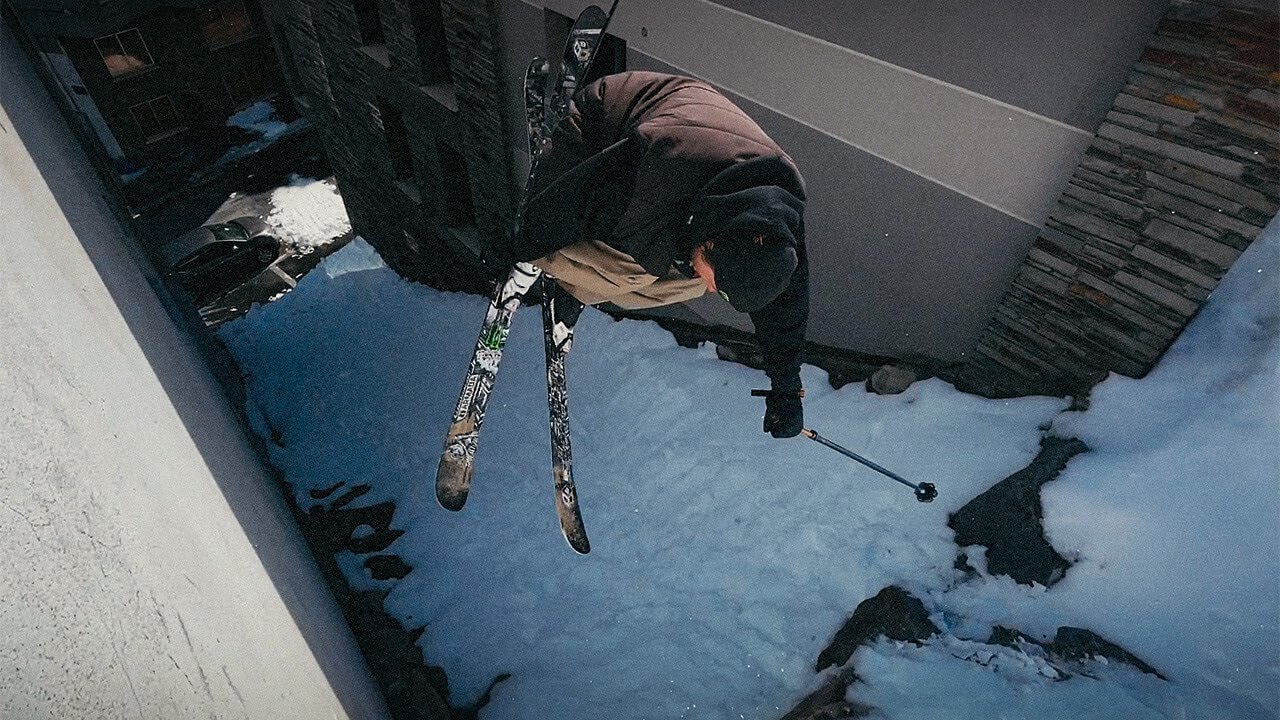
Carlund’s skiing is economical and readable. On rails, he commits edges early, centers his mass on contact, and exits with speed preserved for the next setup. Expect surface swaps that finish cleanly, presses that have shape rather than wobble, and landings that stay over the feet. He often uses nose or tail touches as punctuation—think switch 720 tail taps on wall or pole features—to add flavor without breaking cadence. On jumps he prefers full-value grabs and measured spin speed; axes stay tidy, so the trick resolves into a calm outrun instead of a save.
For viewers, the tells are subtle: quiet shoulders on impact, grab timing that stabilizes rotation instead of decorating it, and tiny speed checks that never spill into the next feature. For skiers studying his clips, notice how he creates space between tricks—each move sets up the next one rather than stealing from it.
Resilience, filming, and influence
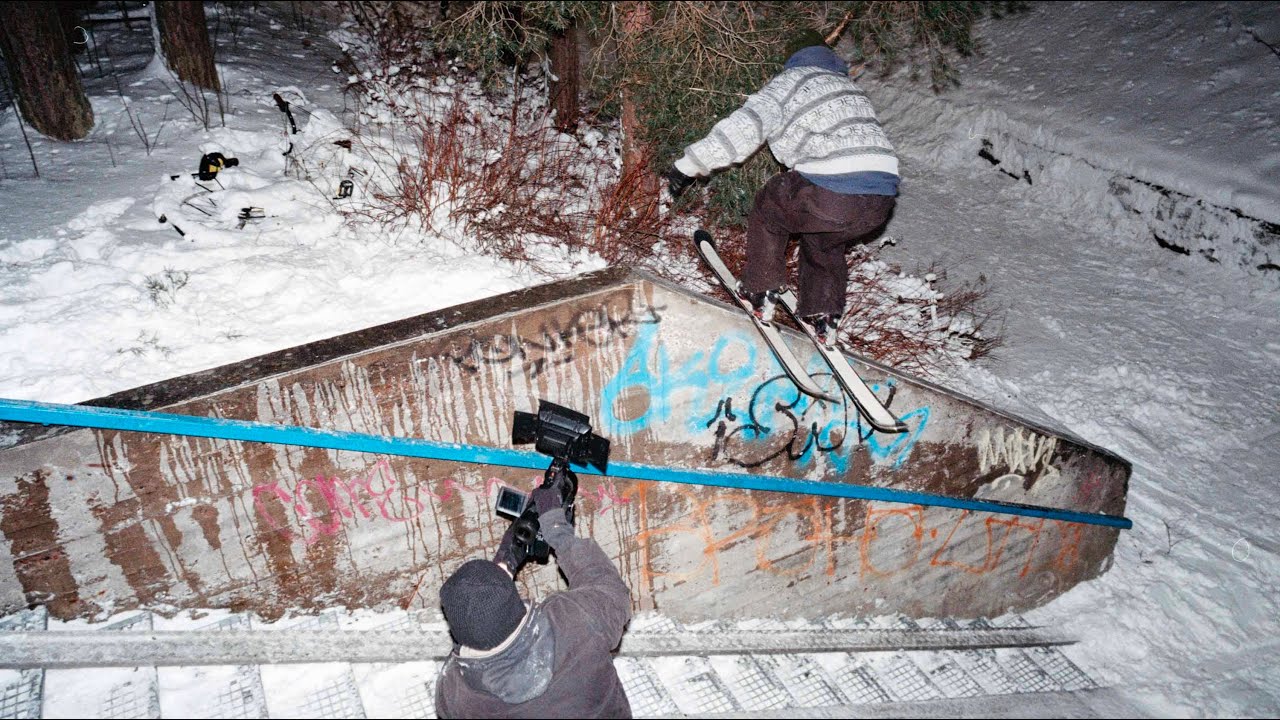
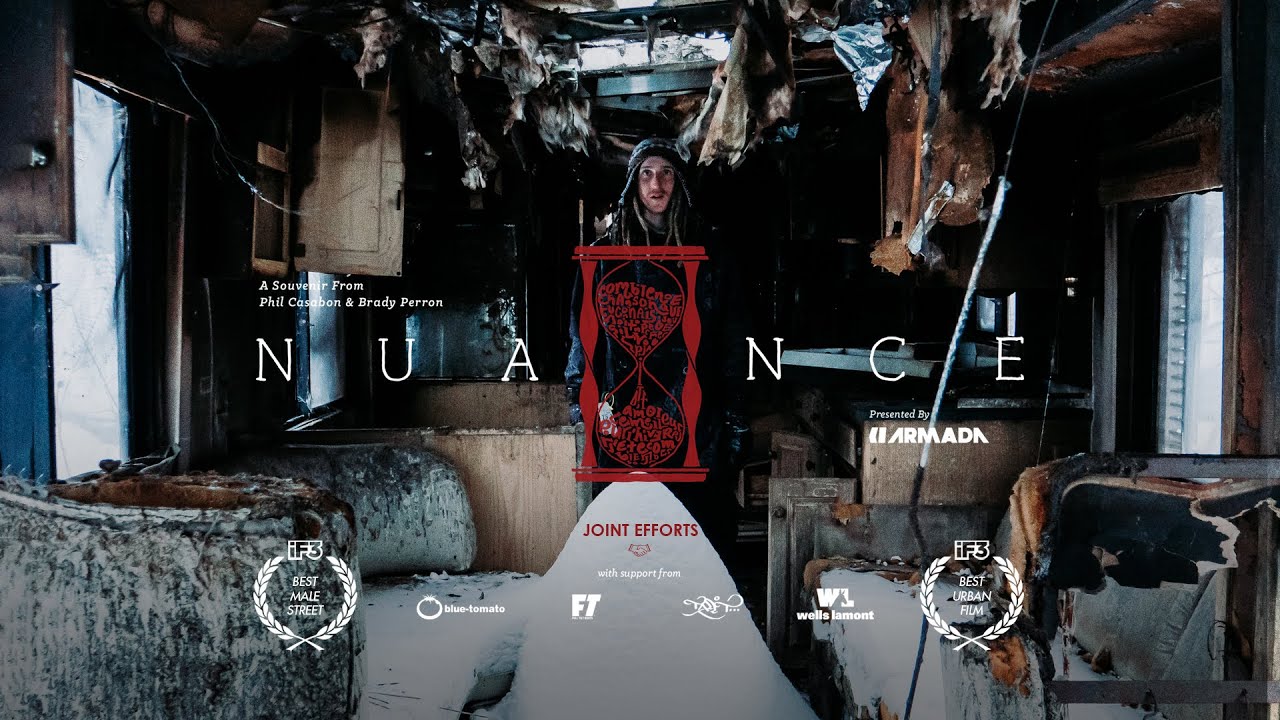
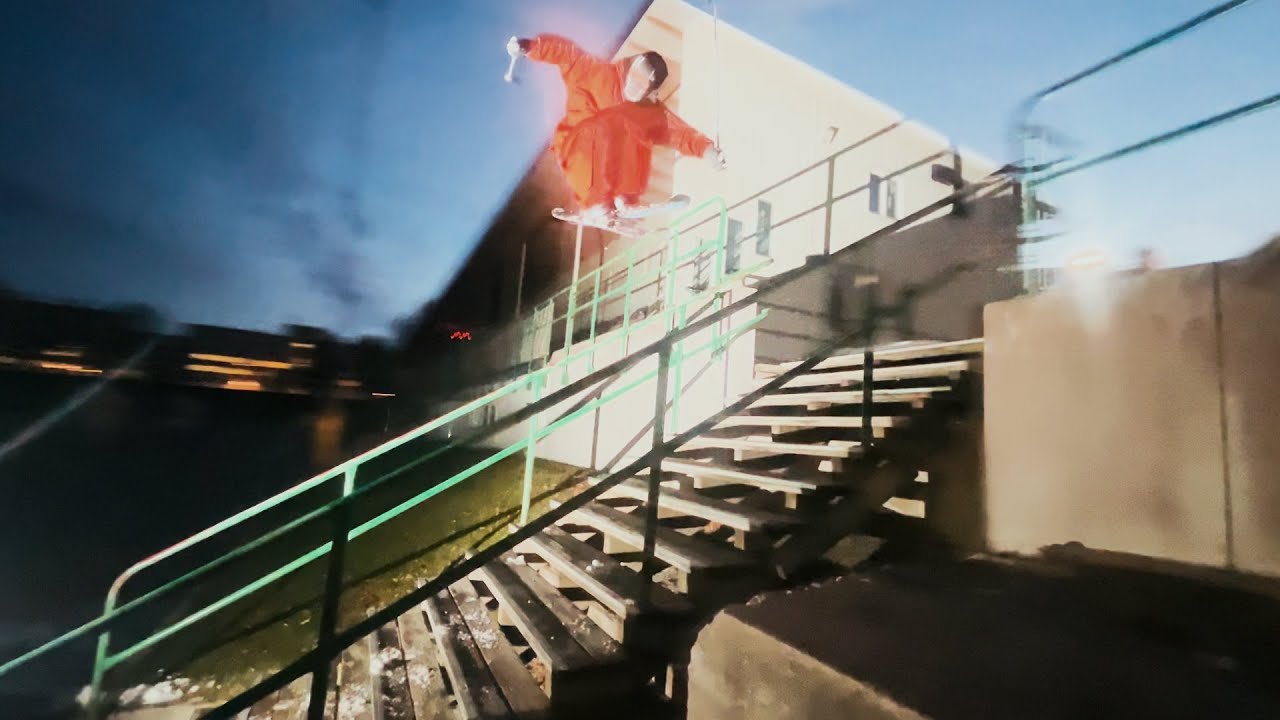
Carlund’s footprint is strongest in film. With Suéde, he appeared in street-driven projects that highlight long rails, directional changes, and the Scandinavian habit of letting the spot dictate the trick. The SuperUnknown week added volume to that story by showing his park laps at pace, while subsequent short edits and brand pieces kept the line fresh into the mid-2020s. In 2024 he entered a rider-submitted, street-first video contest chapter that continued to showcase his ability to turn compact city features into tightly edited sequences.
The influence is practical. Younger riders pull ideas from his clips because the choices feel replicable: pick lines that protect speed, set edges early, and favor tricks that look as good at normal speed as they do frame-by-frame. In an era where some videos chase shock value, Carlund’s segments hold up on rewatch because the craft sits in the details—clean lock-ins, controlled exits, and tricks that belong to the spot.
Geography that built the toolkit
Sweden’s park-and-street loop shaped Carlund’s approach. Spring laps at Kläppen provide repetition on creative features, teaching speed discipline and how to link ideas without stalling. Winters add the urban ingredient—municipal handrails, flat-light sessions, and firm entries that punish sloppy edge angles. When his calendar stretches beyond Scandinavia, places like Mammoth Mountain scale those habits to faster in-runs and bigger takeoffs, while summer training blocks on the Palmer snowfields at Timberline Lodge offer stable conditions for refining grab timing and axis control.
Across those environments, the constants are the same: protect line speed, make early commitments, and choose tricks that leave room for the camera to breathe. That geographic mix is visible in his edits year after year.
Equipment and partners: practical takeaways
As part of the Armada Skis family, Carlund rides park- and street-capable shapes built for repeated rail contact and consistent takeoff feel. For progressing skiers, the lessons are straightforward: pick a symmetric or near-symmetric park ski with reinforced edges and a mount point that supports presses without sacrificing stability; keep edges tuned enough to hold but dull enough to avoid unwanted bites on swaps; and tune bases for predictable glide in spring salt or winter cold.
Equipment doesn’t replace the habits that make his skiing pop, but the right platform makes those habits repeatable. If your rails are locking and your outruns look calm, the camera—and the line—will reward you the same way it does for Carlund.
Why fans and progressing skiers care
Benjamin Carlund matters because he represents a complete, film-first vision of modern freeskiing. He took a global stage like SuperUnknown and used it to underline his identity rather than pivot away from it, then kept delivering edits where style and structure rule the day. For fans, his clips are satisfying without commentary. For skiers learning the craft, they are a blueprint: manage speed, hold grabs, exit clean, and let the spot decide the trick. That’s why his best work from Kläppen to Mammoth continues to circulate far beyond Sweden’s borders.