Profile and significance
Behind the YouTube channel “redthecameraman” is Rory “Red” Edwards, a UK-based videographer, editor and lifelong skier whose work has become tightly woven into the modern freeski landscape. Red grew up with a background in competitive freeride skiing and later appeared on the Freeride World Tour Qualifier ranking lists, but his real impact comes from the way he has turned that on-snow experience into high-end visual storytelling. Now based between Edinburgh and the Alps, he specialises in outdoor and mountain sports, and his channel and portfolio showcase everything from ski tutorials and resort marketing pieces to expedition-style adventure films.
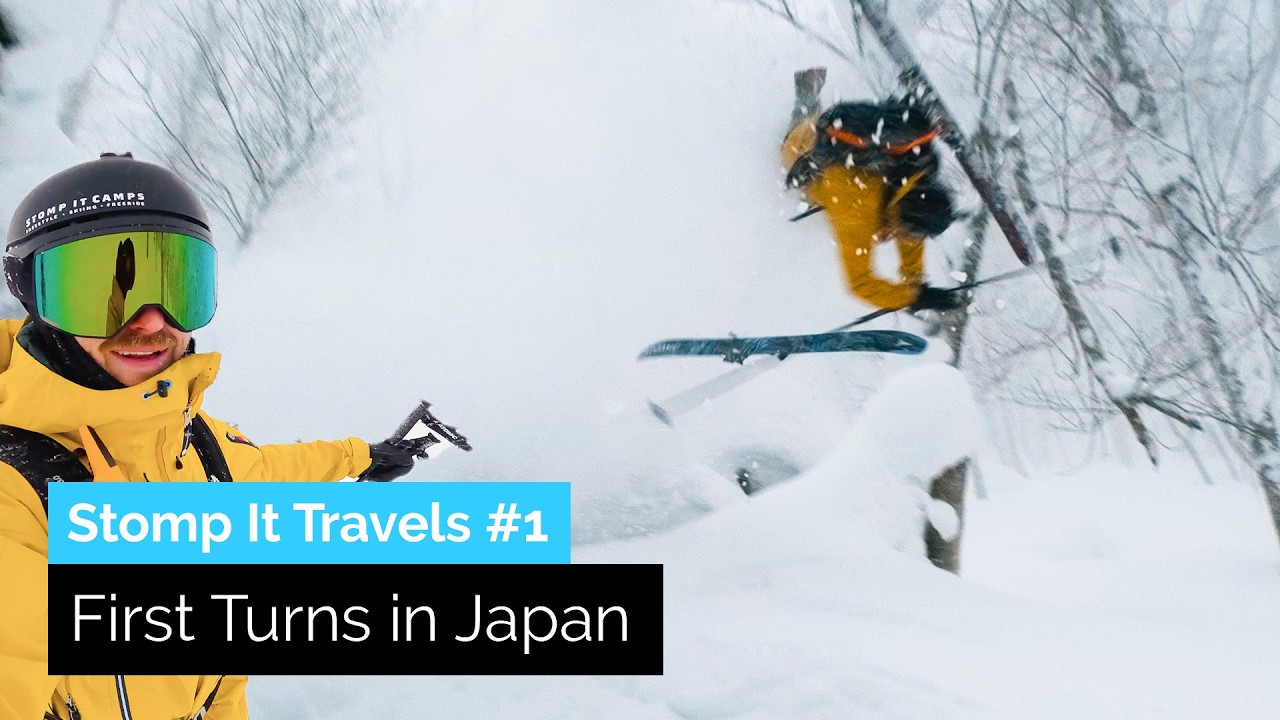
Red first stepped behind the camera in earnest while working in the marketing department for Cardrona Alpine Resort in New Zealand, shooting park edits, resort campaigns and athlete projects. That work led to collaborations with major names such as Red Bull, Monster Energy, Inflite Ski Planes and Helis, GoPro and Cardrona itself, plus road and trail brands in cycling and other sports. At the same time, he became a key creative force behind Stomp It Tutorials, the hugely popular ski-instruction platform, shaping an entire winter’s worth of tutorials and long-form content. For skiers, the “redthecameraman” name has come to mean two things at once: a technically strong freerider in his own right, and one of the clearest visual translators of what good skiing looks and feels like.
Competitive arc and key venues
Red’s competitive arc is modest on paper but important for understanding his perspective. As a younger skier he gravitated toward freeride rather than park contests, eventually earning results on the Freeride World Tour Qualifier circuit. One of his listed results is from the Red Mountain Collegiate Freeride Series in Canada, where he scored in the Ski Men division and placed on the FWT Qualifier ranking table. That experience gave him a first-hand sense of how it feels to choose lines, manage exposure and perform in front of judges, even if he ultimately found his long-term calling behind the lens rather than chasing the full tour calendar.
The key venues in his story are the mountains where skiing and filmmaking merged. In New Zealand, Cardrona’s extensive park and freeride terrain gave him both the visual playground and the in-house role needed to refine his craft, turning daily resort life into polished edits and commercial pieces. Later, he embedded himself in the Swiss resort of LAAX, whose world-class parks, halfpipe and freeride zones now show up frequently in his clips and follow-cam runs with Stomp It coaches and invited riders. Heli missions on the Tasman Glacier with athletes like Finn Bilous and Margaux Hackett, and work around Wanaka and Queenstown’s surrounding peaks, expanded his canvas to bigger terrain and more complex logistics. Combined with filming mountain bike projects and outdoor campaigns across the UK and Europe, these venues have shaped him into a filmmaker who understands both the sport and the environment on a granular level.
How they ski: what to watch for
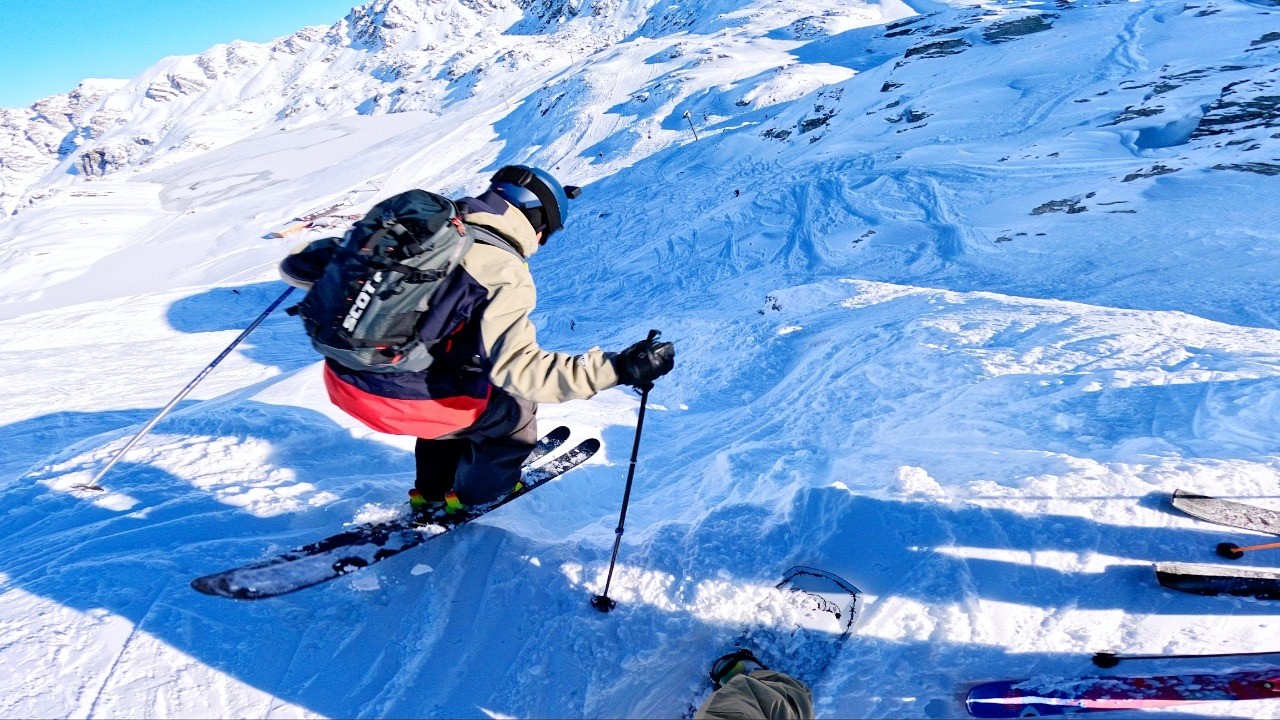
Although many viewers know him primarily as the person on the other end of the camera, Edwards is also a technically strong skier, and that is part of what makes his follow-cam work so compelling. In his own edits and uncut laps, you see a skier who is very comfortable on edge, carving clean arcs at speed and keeping a low, athletic stance. That stance is crucial when he is skiing just a few metres behind another rider with a camera in his hands or strapped to a gimbal; small fore–aft adjustments and subtle ankle movements let him absorb terrain without letting the shot wobble or lose the subject.
On jumps and in the park, his skiing is more about smoothness than spectacle. Spins tend to be well-timed and fully grabbed, with rotations that stay on axis and landings that look prepared rather than improvised. Because he has spent so many days shadowing high-level freeskiers in places like Cardrona Parks and LAAX, his sense of speed and trajectory is finely tuned; he knows exactly how fast a skier needs to hit a feature and where they will likely land. For viewers, that shows up in how rarely he appears surprised by what happens in front of him. Even when an athlete under- or overshoots slightly, Red usually has his own line dialed, maintaining enough control to ski out cleanly and keep the shot usable.
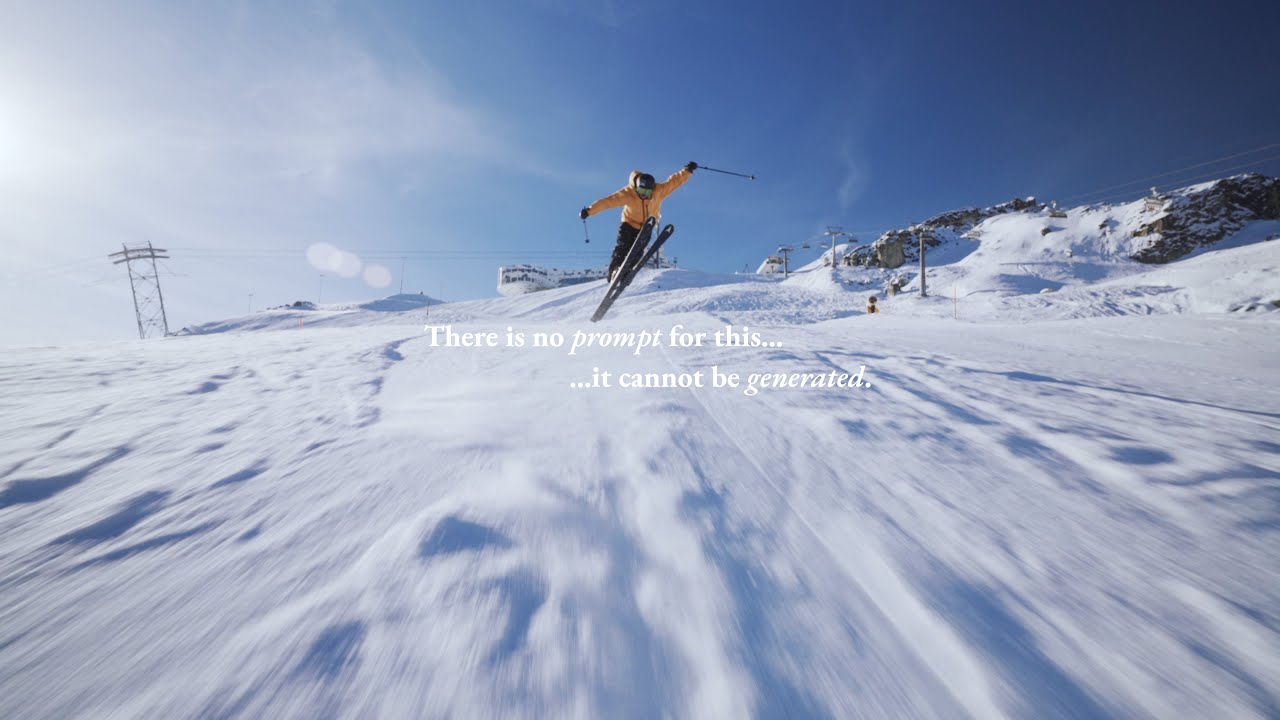
If you watch his “You can’t fake this feeling” and similar top-to-bottom runs, pay attention to how stable the camera is relative to the terrain. That stability comes from strong, quiet skiing as much as from any piece of hardware. For progressing skiers, there is a useful lesson here: good follow-cam footage is only possible if the filmer skis well enough to control line, speed and stance under pressure, and Red’s background in freeride and resort laps is what makes those smooth one-take clips possible.
Resilience, filming, and influence
Red’s resilience is more about long-term dedication than about a single dramatic comeback. He has spent more than a decade building his craft, progressing from self-shot ski clips to running the camera and edit for high-profile brands and YouTube channels. Along the way, he has navigated the usual mix of seasonal contracts, demanding travel schedules and the physical strain of carrying heavy camera gear while still skiing hard enough to keep up with pro athletes. His stint in the British Armed Forces, working as a light reconnaissance soldier, added another layer: the ability to operate methodically under stress, manage logistics in harsh environments and keep a calm head when conditions get complicated. Those skills now show up in his expedition-style projects, where he may be skiing, flying drones and coordinating multiple shooters in remote, weather-dependent locations.
The influence of “redthecameraman” spreads across several overlapping communities. Through his work with Stomp It Camps and the Stomp It Tutorials channel, he has helped millions of skiers understand everything from basic carving and balance to freestyle tricks and powder technique. His own channel adds behind-the-scenes looks at how ski films are made, including colour grading, camera setups and creative decisions, demystifying the process for aspiring filmmakers and athletes. Commercial projects with brands like Red Bull, Cardrona & Treble Cone, GoPro and others further amplify his visual style, blending crisp action with a clear narrative thread. For the freeski world, he is part of a small but crucial group of skiers whose biggest contribution is capturing other riders at their best and making those moments accessible to a global audience.
Geography that built the toolkit
Geography plays a central role in Red’s development as both skier and filmmaker. New Zealand was an early proving ground: at Cardrona Alpine Resort, he had daily access to one of the Southern Hemisphere’s most complete playgrounds, from progressive park lines and a full-size halfpipe to mellow groomers and off-piste pockets. Shooting and skiing there across multiple seasons forced him to adapt to quickly changing light, wind and snow conditions, while also learning how to tell stories that feel authentic to the resort experience.
Switzerland, especially LAAX, became his northern home base. LAAX’s combination of world-class parks, superpipe, freeride zones and a dense community of freestyle and freeride athletes gave him an ideal laboratory for follow-cam laps, trick-focused edits and long-form tutorial content. At the same time, he has worked in the high mountains of the Southern Alps around the Tasman Glacier, filming heli-ski campaigns where glacial terrain, big light and tricky logistics demand careful planning and strong skiing. Back in the UK, he draws inspiration from the hills of Scotland and the everyday outdoor culture around Edinburgh, using those landscapes for biking and other sports that keep his eye and legs tuned.
Layered together, these places have created a toolkit that is much broader than a typical resort skier’s. Red is comfortable filming in dense park traffic, on steep glacier faces and in backcountry zones where both safety and storytelling depend on reading the terrain accurately. That breadth is one reason his shots feel so natural, whether they are teaching beginners how to ski powder or following high-end park riders through a jump line.
Equipment and partners: practical takeaways
Unlike many pro skiers who centre their identity around ski sponsors, Red’s “equipment and partners” story revolves as much around cameras as skis. On the ski side, his choices tend to be versatile, all-mountain or freeride setups that allow him to carve confidently, absorb big compression and hold a stable platform while filming. He needs skis that are predictable on hardpack, forgiving enough for variable snow and responsive enough to correct his line mid-turn without throwing the camera off balance. Boots and bindings follow the same logic: supportive enough to handle long days and sudden impacts, but comfortable and reliable over hundreds of laps each season.
On the camera side, he leans into durability and redundancy. Action cameras like GoPros, gimbals for smoother follow-cam work and weather-sealed mirrorless bodies allow him to operate in storms, on glaciers and in cold park mornings without constantly worrying about his gear. Long-term collaborations with brands such as GoPro, Inflite, Cardrona and Stomp It show that his partners trust him to make the most of those tools in challenging environments. For skiers who want to emulate his approach, the practical takeaway is straightforward: prioritise a setup—both ski equipment and camera kit—that you can use confidently in a wide range of conditions, rather than chasing hyper-specialised gear that only works in narrow scenarios. Consistency in your tools makes it far easier to focus on skiing well and telling better stories.
Why fans and progressing skiers care
Fans care about “redthecameraman” because he sits at the intersection of performance and perspective. He understands what it feels like to stand in a freeride start gate or drop into a big park line, and he uses that understanding to frame shots that communicate the true speed, consequence and joy of skiing. His YouTube channel and his work with Stomp It give everyday skiers a front-row seat to high-level riding, but also offer practical tools—tutorials, visual breakdowns and behind-the-scenes explanations—that help them progress on their own.
For progressing skiers and aspiring filmmakers, Red offers a realistic, modern blueprint. You do not see a single, linear path of contest victories; you see someone who mixed competitive freeride, resort work, military discipline and a deep love for mountains into a hybrid career. He proves that you can have a meaningful impact on the sport without being the athlete in the spotlight on every shot. Whether you are learning your first carve, trying to film smoother follow-cams, or dreaming about turning ski days into a creative job, following “redthecameraman” shows how strong skiing and strong storytelling can reinforce each other and open doors far beyond the lift line.