HEAD Ski
Austria
Austrian-American ski equipment brand | Founded in 1950 by Howard Head | Known for: Head Standard, Worldcup Rebels, Supershape, KORE, CRUX, Oblivion, Joy, Raptor, Formula, Kaliber, Tyrolia bindings, EMC, Graphene and race-dominant World Cup systems | Focus: high-performance ski systems for racing, carving, freeride, touring, freestyle, resort progression and complete winter equipment.
Howard Head and the metal ski that changed the sport
HEAD Ski is one of the most important brands in the history of skiing. The company was founded in 1950 by Howard Head, an aeronautical engineer who looked at wooden skis and believed ski construction could be radically improved with metal and laminated materials. The result was the Head Standard, a ski that helped move alpine skiing away from traditional wood-only construction and toward modern composite thinking.
That origin matters because HEAD was not built as a fashion label or a marketing exercise. It began with engineering dissatisfaction. Howard Head wanted a ski that turned more easily, tracked better and delivered more torsional strength than the wooden skis of his time. The Head Standard became one of the defining skis of the 1950s and 1960s and helped establish HEAD as a major force in ski manufacturing.
Today, HEAD is headquartered in Austria and operates as a broad sports equipment group, but its ski identity remains tied to that same engineering-first approach. The modern brand covers skis, ski boots, bindings through the Tyrolia ecosystem, helmets, goggles, poles, apparel and race service. For skipowd.tv, HEAD deserves a 5 out of 5 importance rating because it has influenced ski construction, World Cup racing, carving, freeride, freestyle and complete ski systems across multiple generations.
Worldcup Rebels and the race-room spine of the brand
The Worldcup Rebels line is the clearest expression of HEAD’s modern power. These skis sit at the heart of the brand’s race identity, from FIS-level slalom and giant slalom skis to race-performance models built for strong skiers who want World Cup DNA without needing a full race-room setup. The Worldcup Rebels family is about edge grip, speed, stability, precision and a direct connection between skier input and ski response.
HEAD’s race credibility is not symbolic. In March 2026, HEAD announced that its Worldcup Rebels had again won the FIS manufacturer ranking, with 9,720 points, 79 podium finishes and 23 victories during the season. The same announcement credited the team with both men’s and women’s ranking leadership, plus Crystal Globes for Laura Pirovano in downhill and Atle Lie McGrath in slalom.
This race strength matters even for non-racers. Technologies, plate systems, sidecut philosophy, boot stiffness, binding interfaces and damping ideas developed around racing often influence the rest of the brand. HEAD’s recreational carving skis feel so precise partly because the company has kept such a strong race-room culture alive.
Supershape and the frontside carving identity
Supershape is HEAD’s performance carving family. It is less extreme than full Worldcup Rebels race skis, but it carries a similar desire for grip, acceleration and powerful piste performance. Supershape models such as e-Speed, e-Magnum, e-Rally and e-Original are built for advanced skiers who love clean arcs, short-to-long turn variation and groomed-snow confidence.
The Supershape line uses HEAD technologies such as EMC, Graphene and ERA 3.0 S. EMC, or Energy Management Circuit, is HEAD’s electronic damping concept: piezoelectric elements convert ski vibration into electrical energy, then the circuit helps reduce negative vibration. Graphene allows HEAD to tune weight distribution and flex while keeping strength. ERA 3.0 S combines rocker, radius and rebound ideas in a more sport-oriented piste format.
In real skiing, Supershape is the line for people who want a ski that bites early, holds through the arc and stays composed at speed without requiring the commitment of a pure FIS race ski. It is one of the reasons HEAD remains so visible among instructors, ex-racers and strong piste skiers in Europe.
KORE and the lightweight freeride shift
KORE is HEAD’s freeride and all-mountain freeride platform. It gives the brand a completely different voice from Worldcup Rebels and Supershape. Instead of piste precision first, KORE focuses on lightness, off-piste versatility, float, stability in variable snow and a construction philosophy built around modern materials such as Graphene, carbon and lightweight wood cores.
The KORE family has included widths for all-mountain resort skiers, freeriders and wider soft-snow riders. The current KORE TI and KORE all-mountain direction gives HEAD a stronger answer for skiers who want to leave the groomer, ski chopped powder, trees, bowls, storm snow and mixed resort conditions without carrying a heavy metal charger.
KORE is important because HEAD’s older image was often race and piste focused. KORE helped move the brand deeper into freeride culture, especially for skiers who wanted a ski that felt light in the hand but still strong on edge. It does not have the same park/street identity as Oblivion, and it does not have the race-room bite of Rebels, but it gives HEAD credibility in the modern freeride/all-mountain market.
CRUX touring and the human-powered mountain lane
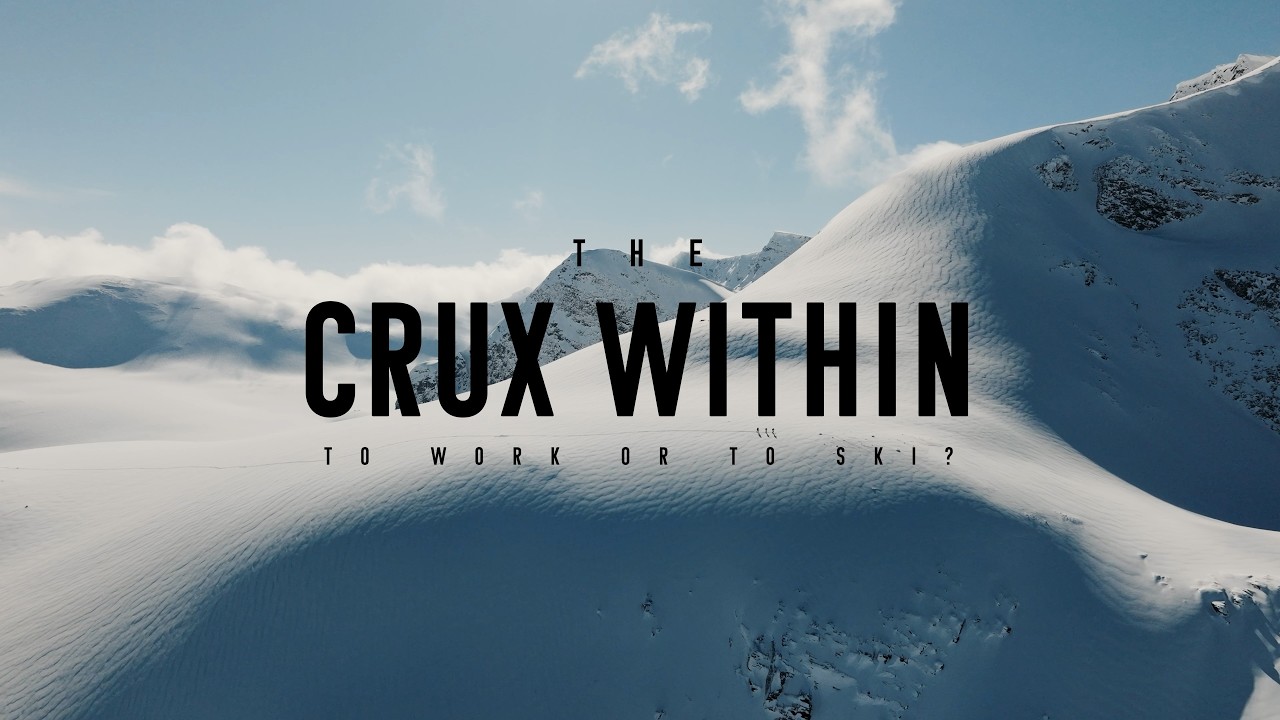
CRUX Touring is HEAD’s dedicated touring direction. Models such as Crux Pro 87 and Crux Pro 105 place the brand in the ski touring and free-touring conversation, especially when paired with Tyrolia’s Almonte pin bindings. This is the part of HEAD built for uphill movement, long approaches, skin tracks and backcountry days where weight matters but downhill performance still counts.
CRUX is not as historically central to HEAD as race or carving, but it shows how the brand has adapted to a ski market where many riders no longer separate resort and backcountry completely. A modern skier may own a race-inspired piste ski, a KORE freeride ski and a CRUX touring setup in the same quiver.
For skipowd.tv, this matters because touring and freeride videos often show the full mountain process, not just the descent. A ski brand that wants to stay relevant now needs an uphill answer. HEAD has that through CRUX, KORE and the wider Tyrolia-linked binding ecosystem.
Oblivion and the freestyle side of HEAD
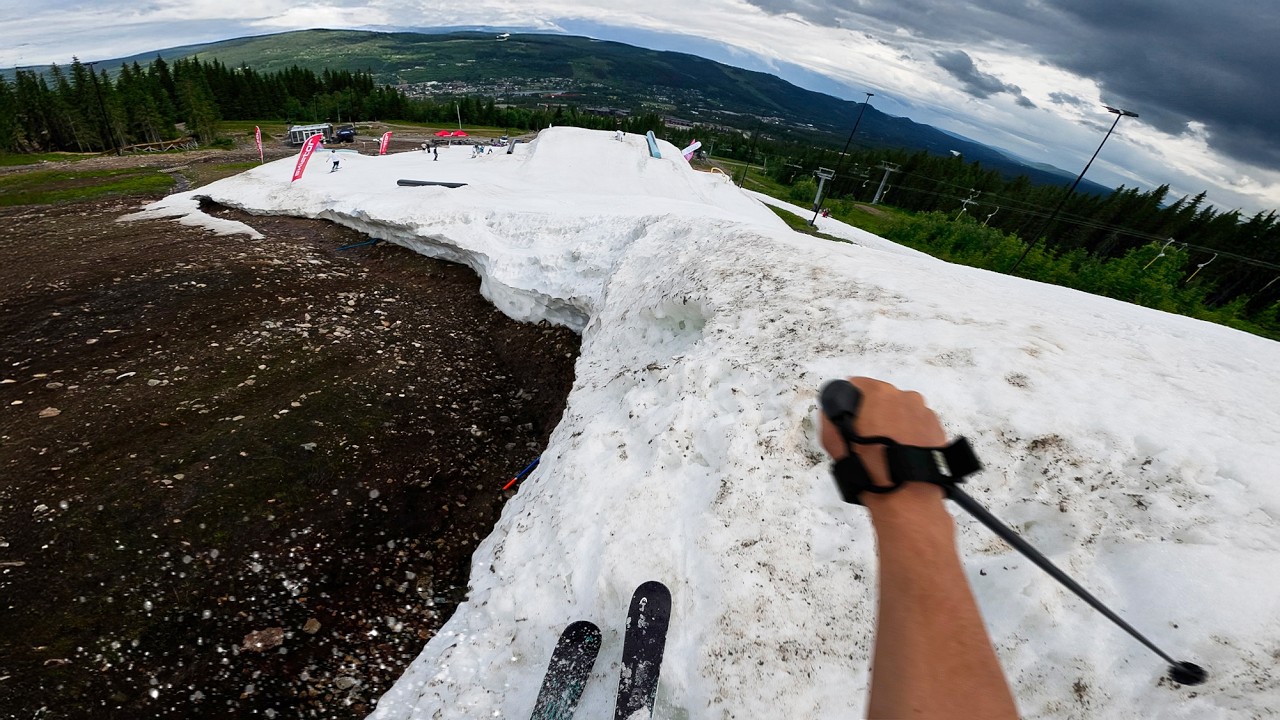
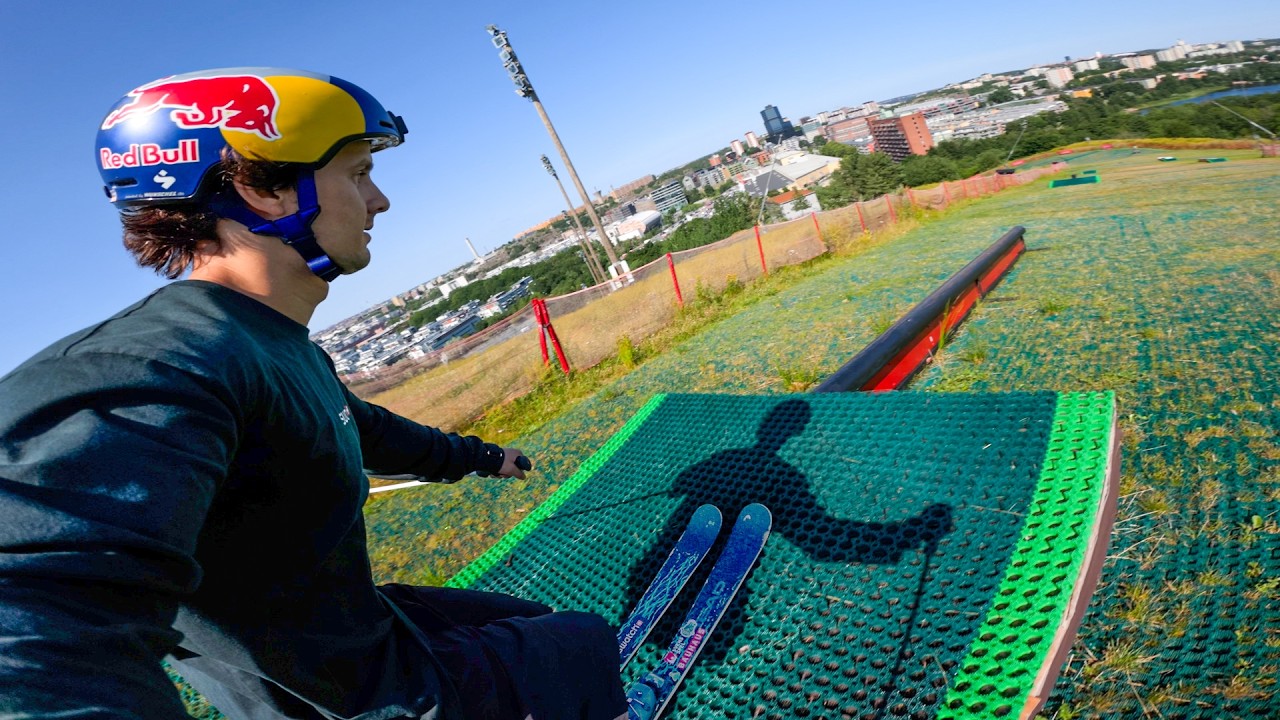
Oblivion is HEAD’s freestyle and twin-tip family. It covers park, pipe, all-mountain freestyle and wider creative skiing. Models such as Oblivion 84, 94, 102 and 116 give the brand a presence in a part of skiing that looks very different from World Cup racing: rails, jumps, switch landings, side hits, slush laps and freeride-freestyle lines.
HEAD describes the Oblivion concept around powerful, resilient freestyle use in the park, pipe and all over the mountain. Wider Oblivion models bring the freestyle feel into soft snow and off-piste terrain, while narrower models are more natural for park and rail-focused skiing. The line has been co-developed with HEAD freeski athletes, which gives it more credibility than a token twin-tip added to a race brand catalogue.
Oblivion is essential for HEAD’s ski-culture balance. Without it, HEAD would feel mostly race, piste and freeride. With it, the brand can appear in pipe edits, park sessions, freestyle clips and rider-led content where creativity matters as much as edge hold.
Joy, Shape and the accessible performance wall
HEAD’s ski range is not only for experts. Shape and Joy are central to the brand’s broader resort audience. Shape is built for piste and all-mountain skiers who want easier turn initiation, lighter constructions and forgiving handling without abandoning HEAD’s technical identity. It is the line for progressing skiers who want carving support but do not need Supershape power.
Joy is HEAD’s women’s-focused ski platform, ranging from accessible piste skis to sportier all-mountain models. The Joy family uses HEAD’s lightweight construction ideas, women’s-specific balance and technologies such as LYT Tech, Graphene and EMC F on selected models. It is designed to reduce fatigue, improve agility and make high-quality piste and all-mountain skiing more approachable.
These lines matter because a brand’s importance is not measured only by elite athletes. Shape, Joy and junior systems bring HEAD technology to everyday skiers, families, rental fleets and progression pathways. They are the products that put HEAD under people’s feet long before they need a Worldcup Rebels or KORE setup.
Raptor, Formula, Kaliber and the boot system
HEAD’s ski identity is also built through boots. Raptor is the race and high-performance boot line, connected directly to World Cup power, precision and aggressive stance. Formula is the performance resort boot family, designed for strong skiers who want race-inspired support with more comfort and fit adaptability. EDGE and other comfort-focused models serve wider and more relaxed skier profiles.
HEAD boot technologies include Liquid Fit, Form Fit, Perfect Fit, GripWalk, BOA Alpine Fit on selected models, double power levers and race-inspired shell concepts. Kaliber adds a newer high-performance BOA direction, bringing more even foot wrapping and modern closure logic into the brand’s boot system.
This matters because HEAD is not only a ski company. It can build the full skier interface: ski, boot and binding. A Worldcup Rebels ski with a Raptor boot and Tyrolia race binding is a complete race system. A KORE ski with a freeride boot and Attack binding is a different system. HEAD’s strength is that it can think about the whole chain from foot to snow.
Tyrolia and the binding backbone
HEAD’s binding identity is tied closely to Tyrolia. Tyrolia sits inside the same winter-sports ecosystem and gives HEAD access to one of the longest-running binding platforms in skiing. Attack, Freeflex, Protector, Almonte, Ambition, Adrenalin, PowerRail and junior systems all support different parts of the HEAD ski range.
This is crucial because binding compatibility shapes how HEAD skis are sold and used. Race skis often rely on plate and binding systems designed for power transfer and precision. Recreational skis often use integrated rail systems that make sizing and adjustment easier. Freeride skis use Attack-style alpine bindings, while touring skis can pair with Almonte or other touring systems.
HEAD’s advantage is not just that it sells skis. It can pair skis with bindings that match the intended use. That is a major reason the brand feels complete in shops, rentals, race rooms and resort fleets.
EMC, Graphene, ERA and the technology language
HEAD’s technology story is one of the most recognizable in ski marketing. EMC is the modern signature in race and performance skis, designed to reduce unwanted vibration and create a calmer, more stable ride. Graphene is used to tune weight distribution and strength while keeping skis light and responsive. ERA 3.0 combines rocker, radius and rebound to make skis easier to steer while maintaining grip.
These technologies should not be treated as magic. A ski still depends on core, sidecut, flex, construction, mount point, tune and the skier’s technique. But HEAD’s technology language is meaningful because it supports a consistent product feel: strong edge hold, smooth damping, predictable turn initiation and a preference for precision.
In piste skis, these ideas help make carving feel more stable. In freeride skis, they help reduce weight while keeping torsional strength. In beginner and intermediate skis, they help create easier entry into turns. HEAD’s best products feel engineered rather than random, and that is a major part of the brand’s identity.
Race team scale and modern athlete credibility
HEAD’s Worldcup Rebels team is one of the strongest race programs in the sport. The 2025–26 season results confirmed the brand’s current strength, with HEAD leading the manufacturer rankings and claiming major podium and victory totals. Athletes connected to the HEAD race universe include names such as Atle Lie McGrath, Laura Pirovano, Vincent Kriechmayr, Corinne Suter and other elite World Cup skiers.
The brand’s historical race credibility also includes icons such as Lindsey Vonn, Aksel Lund Svindal, Ted Ligety, Bode Miller and Alexis Pinturault. That legacy matters because HEAD has been visible at the highest level of skiing across multiple eras, not only through one athlete or one season.
On the freeride and freestyle side, HEAD has pushed through KORE and Oblivion athlete development, giving the brand relevance beyond race gates. It may still be most famous for racing and carving, but modern HEAD is much broader than that.
Choosing HEAD for a real ski quiver
Choosing HEAD starts with terrain. If you are a racer or want race-room precision, Worldcup Rebels is the correct family. Choose FIS and RD models only if you truly need them; race-performance models are more realistic for most advanced skiers.
If you love carving but want something more usable for everyday resort skiing, Supershape is the best place to start. e-Original favors shorter turns, e-Speed favors longer arcs, e-Magnum sits in a versatile carving lane, and e-Rally gives more all-mountain frontside width.
If you want freeride and all-mountain versatility, choose KORE. Narrower KORE models work for mixed resort conditions, while wider KORE models suit soft snow and off-piste terrain. If touring is the priority, choose CRUX. If park, pipe, switch skiing and freestyle are central, choose Oblivion. If you are progressing on piste, Shape and Joy are more realistic than jumping straight into a demanding ski.
Why HEAD Ski deserves a 5 out of 5
HEAD Ski deserves a 5 out of 5 importance rating because it is one of the foundational brands in modern skiing. Howard Head’s metal laminate ski changed ski construction. The Head Standard became a historic benchmark. The brand later expanded into boots, bindings, race service, freeride, freestyle, touring, helmets, goggles and apparel. Very few ski companies have influenced so many parts of the sport.
HEAD is also not only a heritage name. It remains highly current: Worldcup Rebels dominates racing, Supershape remains a carving reference, KORE is relevant in freeride, CRUX gives the brand a touring lane, Oblivion keeps it connected to freestyle, and Tyrolia-linked bindings make the system complete.
On skipowd.tv, HEAD Ski belongs as a core ski hardgoods and winter equipment sponsor. Its value is the full engineering chain: the edge grip of a Rebels ski, the carving power of Supershape, the light freeride feel of KORE, the touring reach of CRUX, the twin-tip creativity of Oblivion, and the long story of a brand that began with one engineer refusing to accept that wooden skis were good enough.