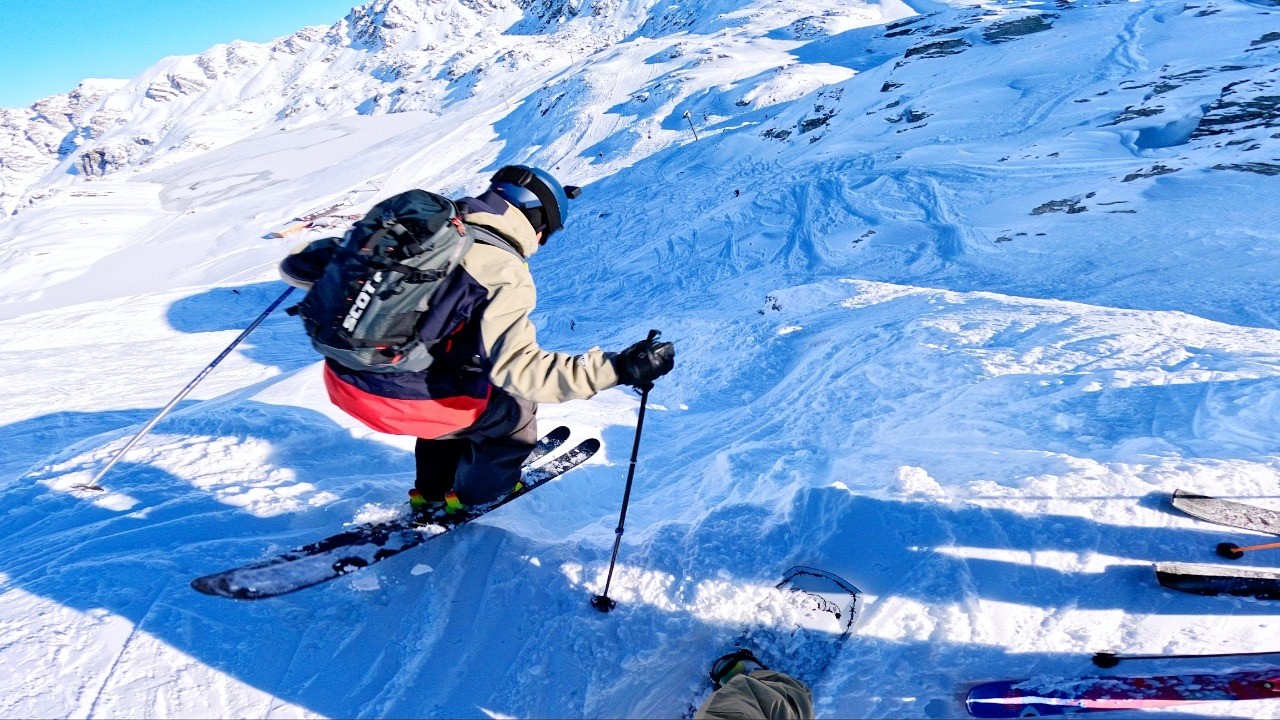
Lucas Daines
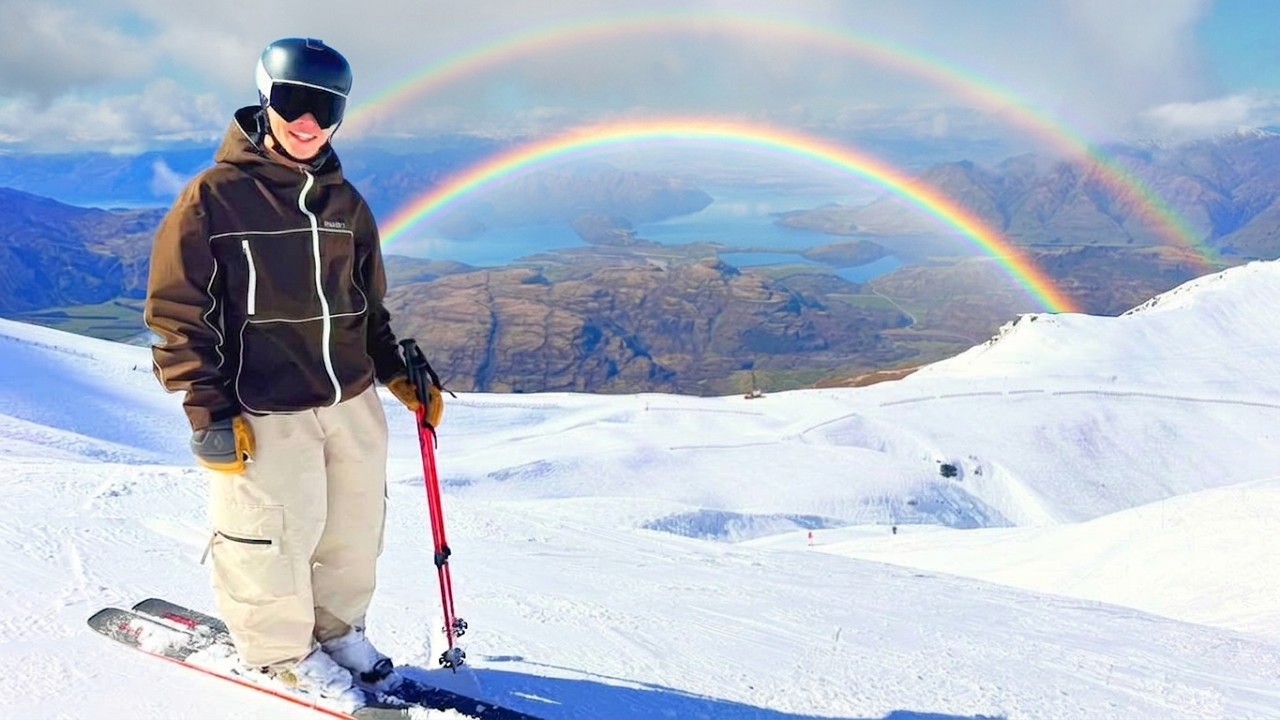
Canada / Portes du Soleil | Active: 2025-present public FWT record | Known for: FWT Qualifier Les Arcs win, freeride POV vlogs, Swiss Alps powder and park training | Current: FWT Qualifier rider and mountain-content creator
Les Arcs When The Run Finally Counted
Les Arcs sat in January light with the kind of face that does not forgive a late turn. Lucas Daines came into the 2026 Evolution 2 Freeride Qualifier needing more than a clean descent: he needed line choice, speed, control, and enough confidence to make the terrain look planned. The result was his clearest official marker so far, a first place in Ski Men at the Les Arcs Qualifier. For a Canadian rider based around Portes du Soleil, that win moved his profile beyond YouTube powder days and into the Freeride World Tour Qualifier record.
Canada On The Bib, Portes Du Soleil Under The Skis
Freeride World Tour lists Daines as a Canadian Ski Men rider, 20 years old, with Portes du Soleil as his base. That setting matters because it gives him a large daily training map rather than one fixed home hill. Morzine, Avoriaz, Châtel and the wider French-Swiss domain offer trees, bowls, wind lips, sidecountry exits, park laps and quick changes in snow texture. His public videos show the same geography through a rider’s lens: resort laps one day, freeride lines the next, then park or airbag training when the weather pushes him away from open faces.
The Qualifier Ladder Across The Alps
Daines’ 2026 FWT Qualifier record gives his current competitive frame. The official rider page lists results at Les 7 Laux, Bruson, Les Arcs, Chamonix, Verbier, Nendaz, Bonneval-sur-Arc and Valfréjus. The strongest result is the Les Arcs win, followed by a seventh place at Les 7 Laux and a fourteenth at Verbier. The range is useful because freeride development is rarely linear. A rider can find the right line on one face, miss the speed pocket on the next, then learn more from a lower result than from a clean podium day.
Verbier Vlogs And The Camera That Studies Mistakes
His YouTube channel gives the other half of the profile. Daines posts long-form ski videos around freeride, powder, park and mountain life, with recent titles built around Verbier, Swiss Alps backcountry, Portes du Soleil powder, Zermatt, Glacier 3000 and competition days. The format matters because it shows more than final clips. A viewer sees entrances, crashes, hesitation, snow checks, friends dropping in, rocks hidden under fresh snow, and the mood after a line works or fails. That makes his content closer to a working freeride notebook than a polished film part.
Powder Days With Jordan Koch And Friends
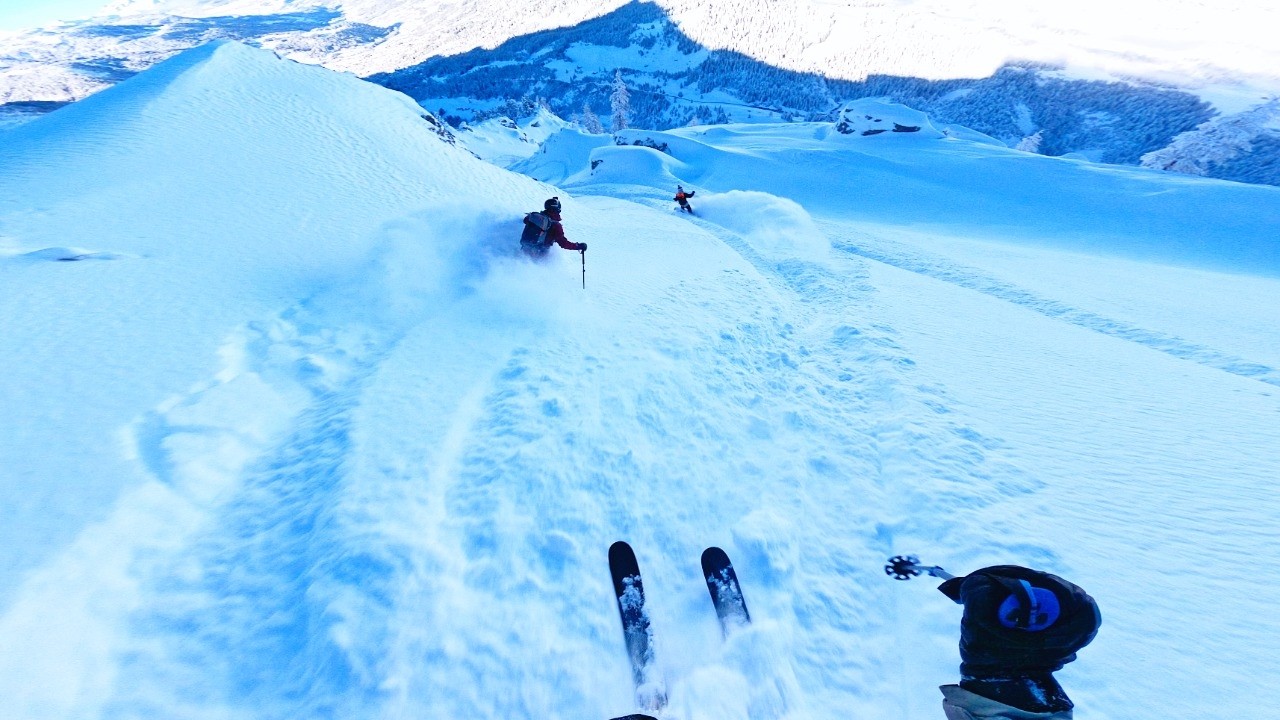
Daines’ public videos often place him with a small crew rather than alone. Jordan Koch appears in Swiss Alps powder footage, while other friends and family names appear across Verbier, airbag and training videos. That crew structure is important in freeride. Line choice is individual once the skier drops, but the day is built by the group: who checks the slope, who watches the landing, who films, who calls out rocks, who decides when the snow has changed too much. Daines’ videos keep that social layer visible instead of cutting directly to the best turn.
Triples On The Airbag Before The Snowpack Opens
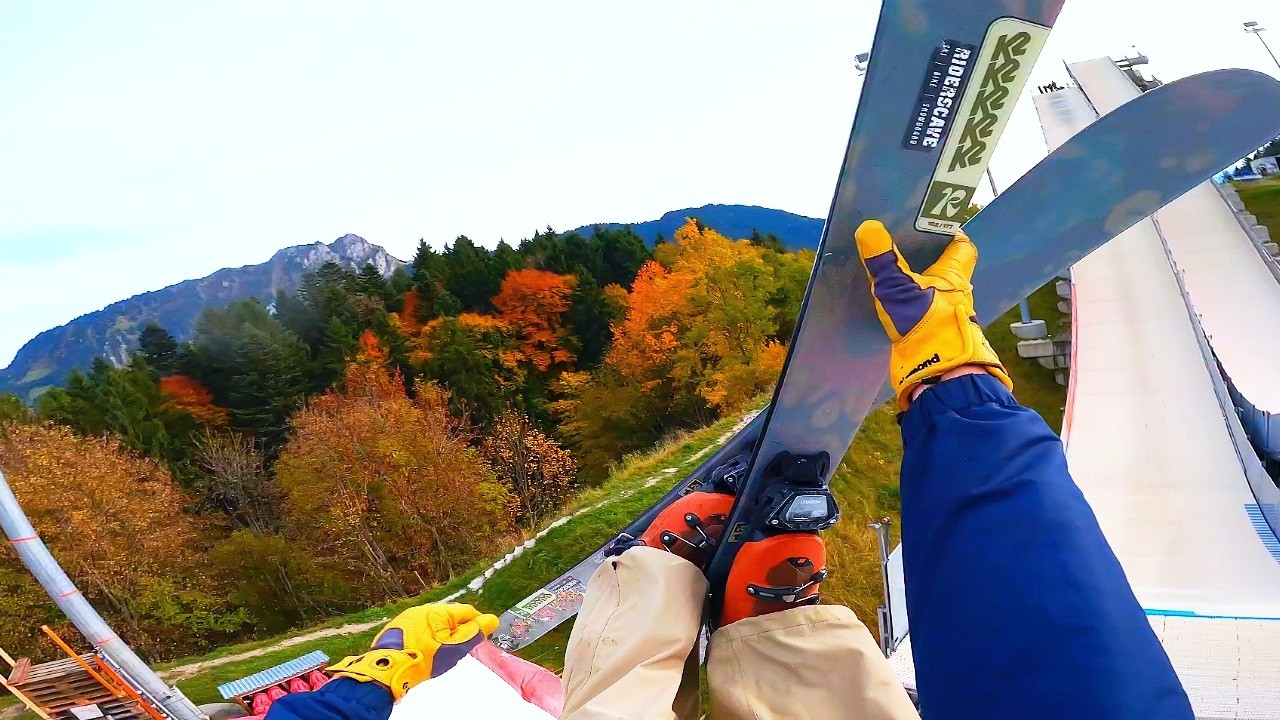
Park and airbag training are part of his public lane, not a separate side project. One recent video centers on throwing triples on an airbag before winter fully begins. That detail helps explain his freeride direction. Modern freeride rewards more than fast turns and cliff drops; judges and viewers notice air awareness, grab control, axis discipline, landing composure and whether freestyle choices fit the face. Airbag work gives Daines repetition without the consequence of a hard mountain landing, then lets him bring more confidence into natural terrain when the snowpack is ready.
How Daines Reads A Freeride Face
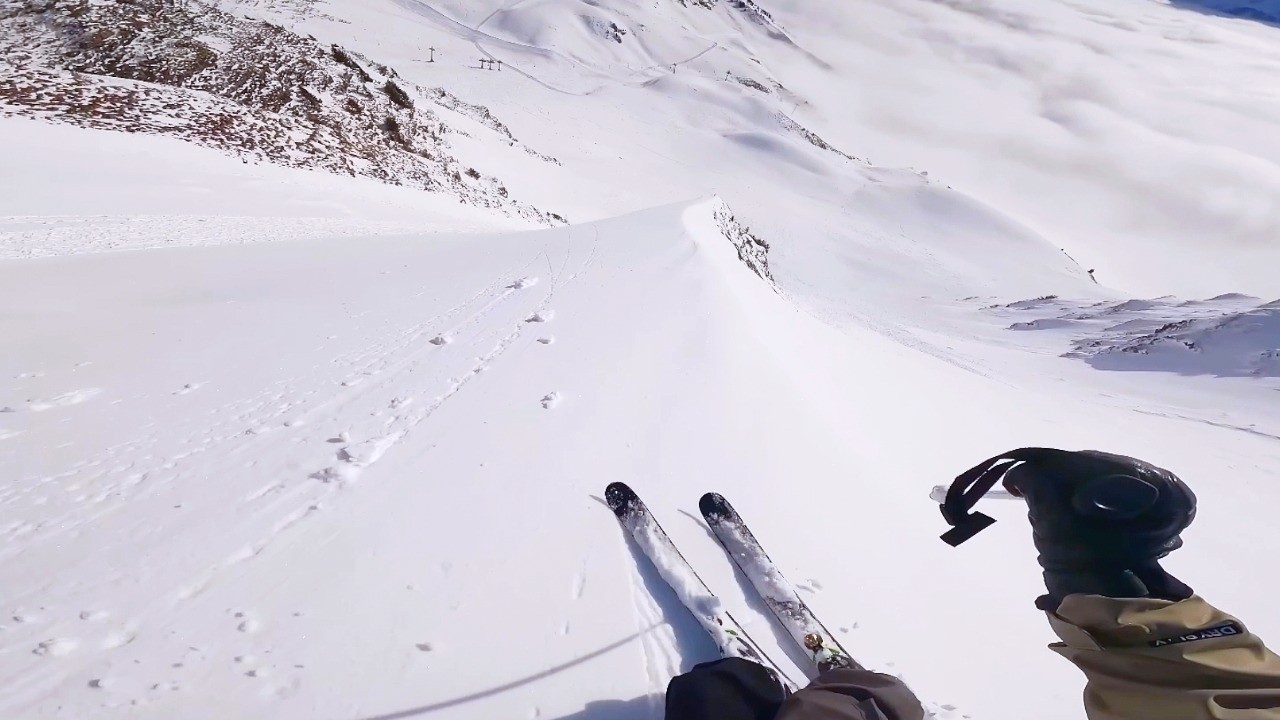
Daines’ skiing is still developing, but the public record already shows the main ingredients: line inspection, speed management, powder turns, small cliffs, side hits, park movement, switch comfort, air awareness and a willingness to show failed attempts. The helmet-camera style makes terrain reading easier to understand. Viewers can see how fast a takeoff arrives, how little time exists between turns, and how one patch of wind-affected snow can change the whole line. His strongest clips work when he links those decisions smoothly instead of treating freeride as isolated drops.
The Creator Route Instead Of A Hidden Season
Daines belongs to a newer development route where competition and content run at the same time. Older freeride profiles often stayed invisible until a big result or film segment appeared. Daines is building in public: Qualifier starts, powder days, park laps, mountain bike injuries, first days back on skis, crashes and long edits that show the process. That visibility can help a young rider because every venue becomes part of the archive. Les Arcs gives the result. Verbier gives the terrain language. Portes du Soleil gives repetition. YouTube gives the audience a way to follow the gaps between start gates.
The Next Line From Portes Du Soleil
The current factual picture is clear: Daines is a Canadian freeride skier on the FWT Qualifier Europe-Asia-Oceania pathway, with Portes du Soleil as his listed base, a 2026 Les Arcs Qualifier win, and a growing video archive built around Swiss and French Alpine terrain. The next measurable step is deeper consistency across qualifier faces, especially when conditions change from soft powder to exposed, variable snow. His public lane now sits between two scoreboards: the official freeride ranking sheet and the weekly video record of how those runs are built.