GoPro
United States
Brand overview and significance
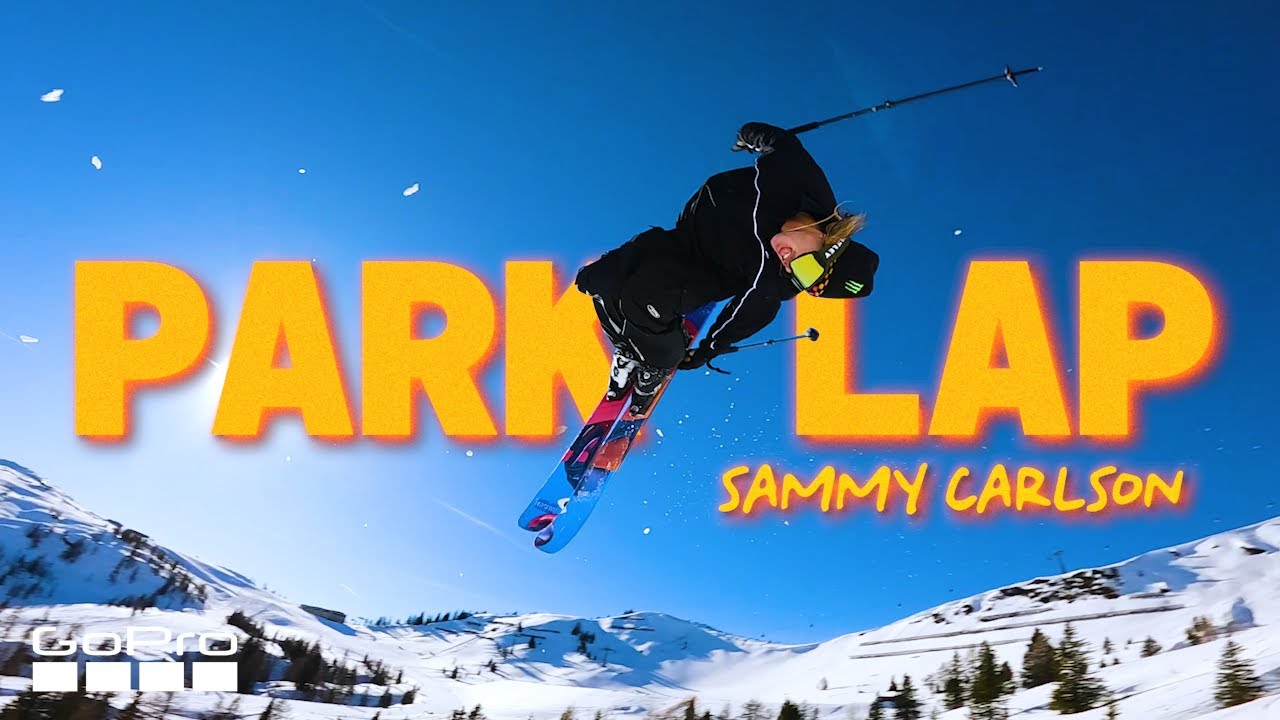
GoPro is the reference name in action cameras and a cornerstone of modern ski media. Founded in 2002 by Nick Woodman, the company turned rugged, mount-anywhere cameras into a creative toolkit that reshaped how freeskiing is filmed—POV from the helmet or chesty on storm laps, pole-cam follow lines in the trees, and stabilized, edit-ready clips from lift to backcountry. For skiers, GoPro’s value isn’t just the camera; it’s an ecosystem of mounts, lens options, accessories, and the Quik app with cloud backup and automatic highlight videos. In 2024–2025 the lineup is led by HERO13 Black (single-lens POV) and MAX2 (8K 360 capture), supported by a growing family of HB-Series Lens Mods that expand field of view and creative looks. Within the ski world—from park laps in Austria to deep British Columbia tree lines—GoPro is the default device you’re most likely to see clipped to a helmet, pole, or chest harness.
Product lines and key technologies
HERO13 Black. Flagship single-lens camera with 5.3K/4K capture, advanced HyperSmooth stabilization, hydrophobic lens cover, and improved Enduro battery performance for cold days. HERO13 adds automatic lens detection for the HB-Series Lens Mods so the camera switches into the right mode without fuss. The HB collection currently includes an Ultra-Wide Lens Mod (up to 177° FOV for immersive POV), a Macro Lens Mod (close-focus with a variable focus ring), an Anamorphic Lens Mod (true 21:9 look with cinematic flares), and ND filter packs for motion control. GoPro also offers a HERO13 “Ultra Wide Edition” bundle pairing the camera with the ultra-wide mod for ski-ready POV.
MAX2 (360). Second-generation 360 camera capable of true 8K spherical video with replaceable, water-repellent lens elements, upgraded battery, and improved touch UI. Skiers can capture everything in one take, then “reframe” angles later in Quik—useful when you’re shooting a partner on unpredictable lines or want both forward and backward POV on a single run.
Quik + Subscription. GoPro’s app ties the system together: charge the camera and it can auto-upload runs to the cloud, generate a highlight cut, and let you refine it without downloading source files. Subscription adds unlimited cloud storage for GoPro footage, extra storage for non-GoPro files, and camera replacement coverage in many regions—practical for heavy winter use.
Accessories that matter for skiing. Media Mod (directional mic + I/O), Light Mod, Volta battery grip/remote/tripod, chest and helmet mounts, glove-friendly remotes, and pole/grip mounts (for “third-person” follow). The small details—glove-operable buttons, locking fingers, hydrophobic lens cover—are what make GoPro workable in blowing snow.
Ride feel: who it’s for (terrains & use-cases)
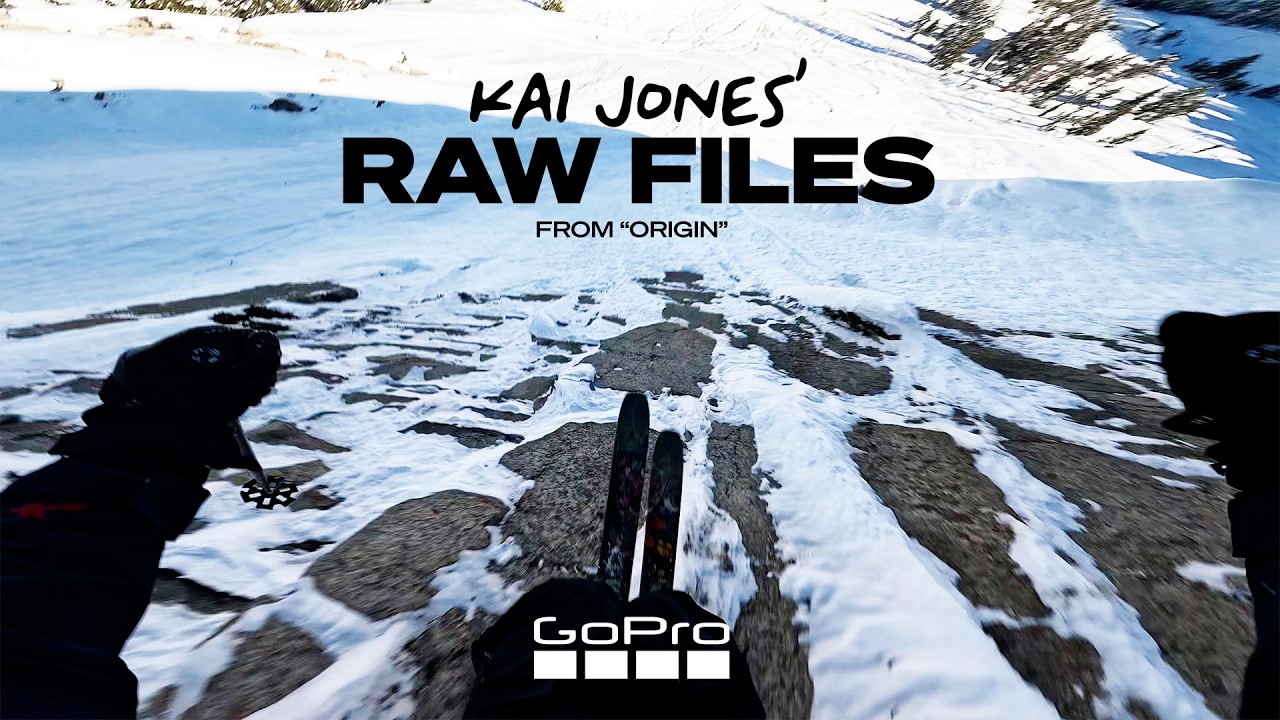
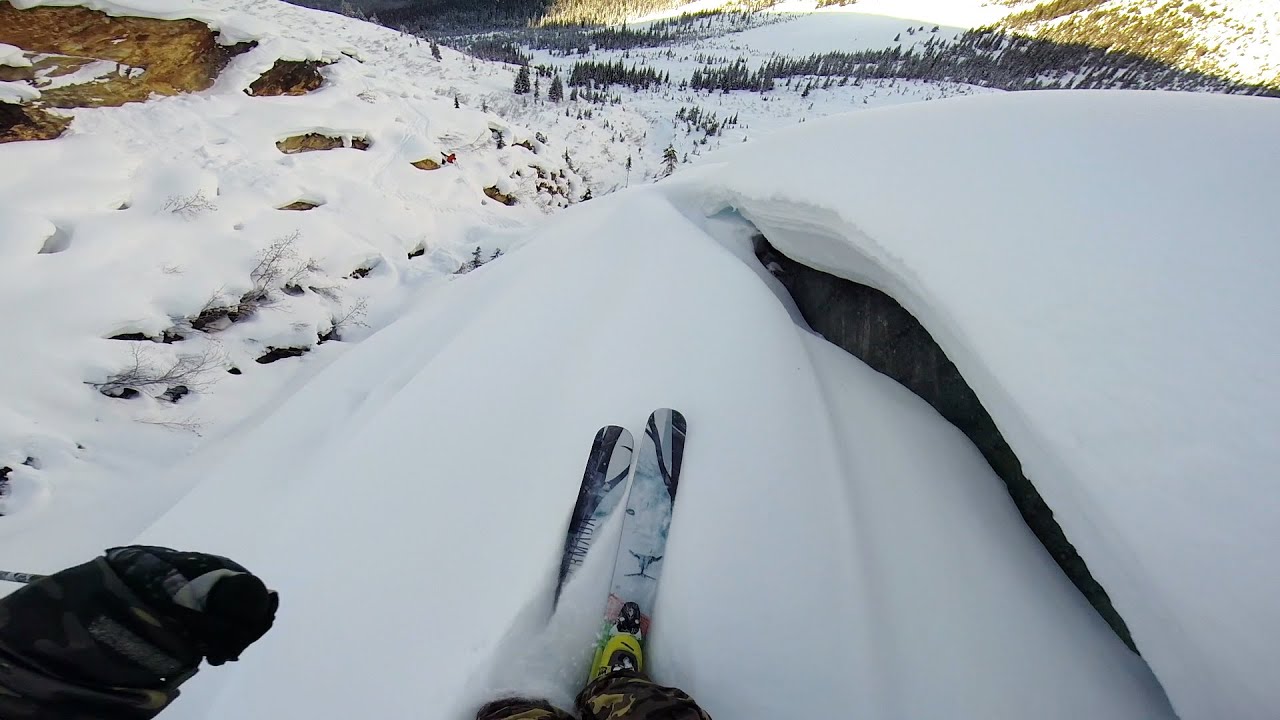
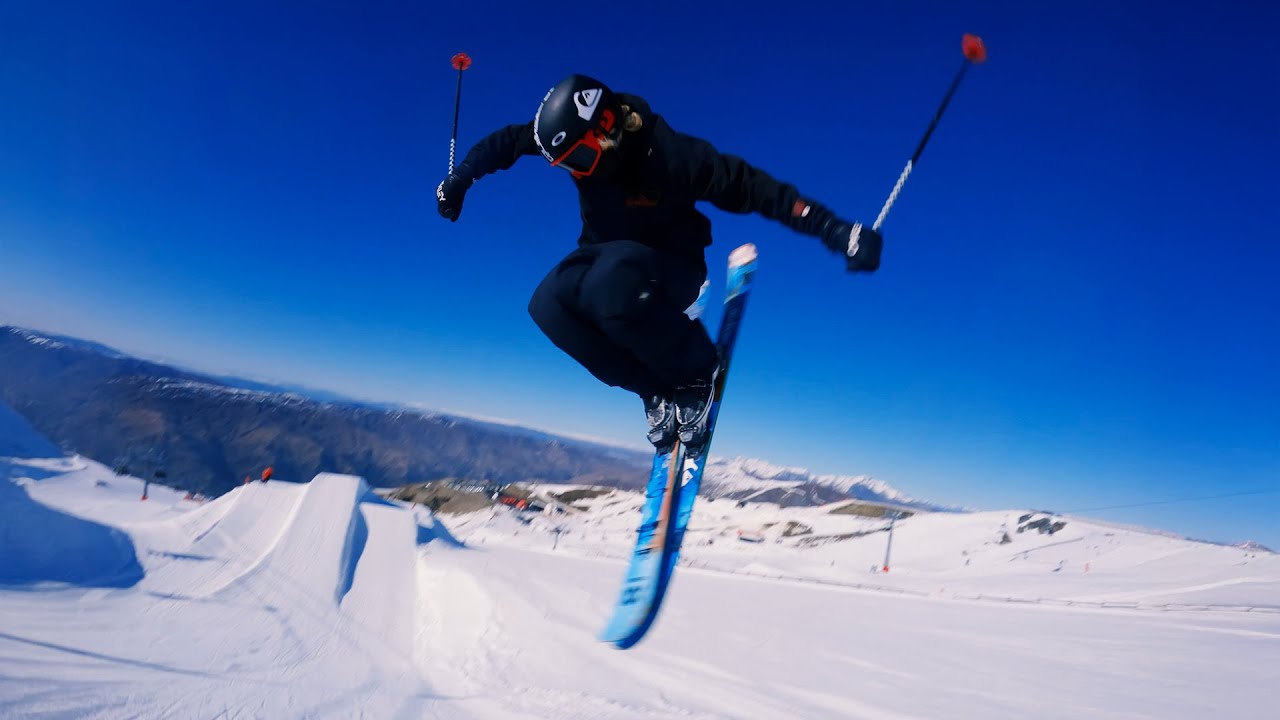
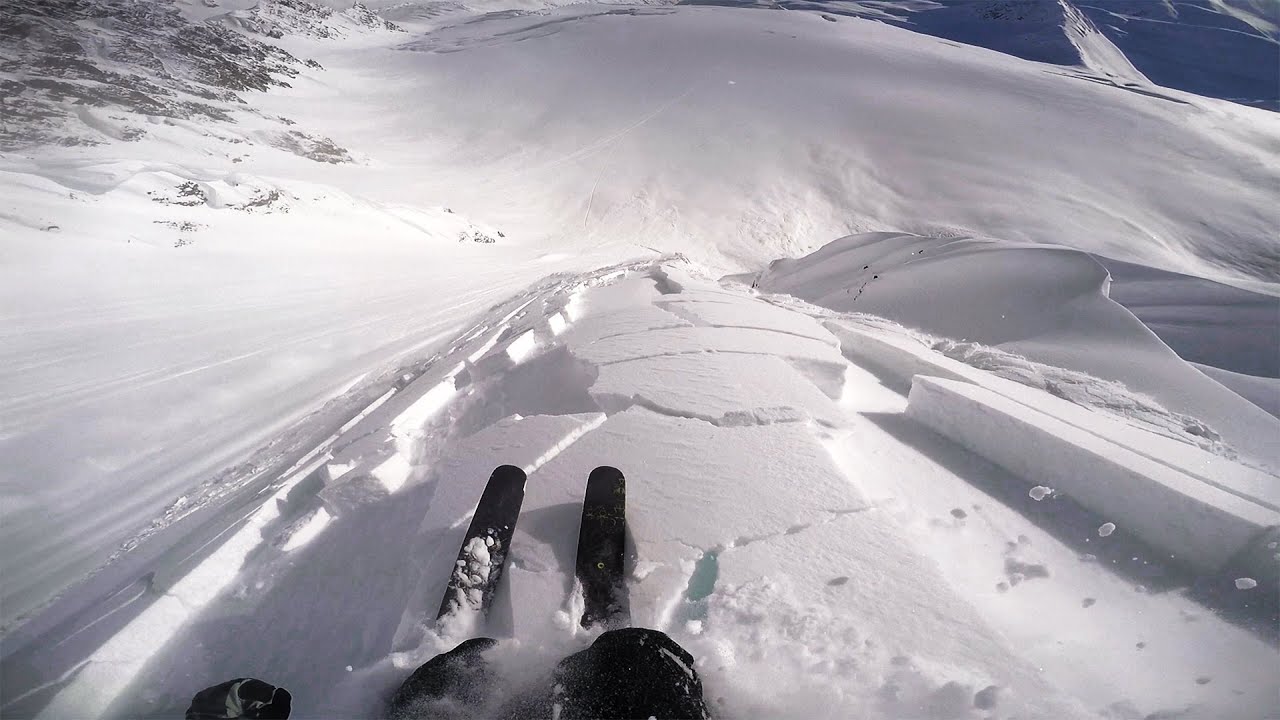
Think of “ride feel” as what the footage looks like. HERO13 with the Ultra-Wide Lens Mod is the classic resort POV: steep feels steep, turns feel fast, and cliff takeoffs read clearly. Macro is niche but fun for gear B-roll and snow crystals on storm days. The anamorphic mod gives your backcountry stories a cinematic flavor without post hacks. If you often swap who’s filming whom mid-lap, MAX2 shines—capture everything and pick angles later. For creative park skiing, a pole-mounted HERO13 produces stable, low-effort follow shots; for big mountain lines, a chesty mount smooths pole swings and keeps skis in frame. Night laps and flat-light days benefit from ND choices and HDR/Log profiles that grade cleanly.
Team presence, competitions, and reputation
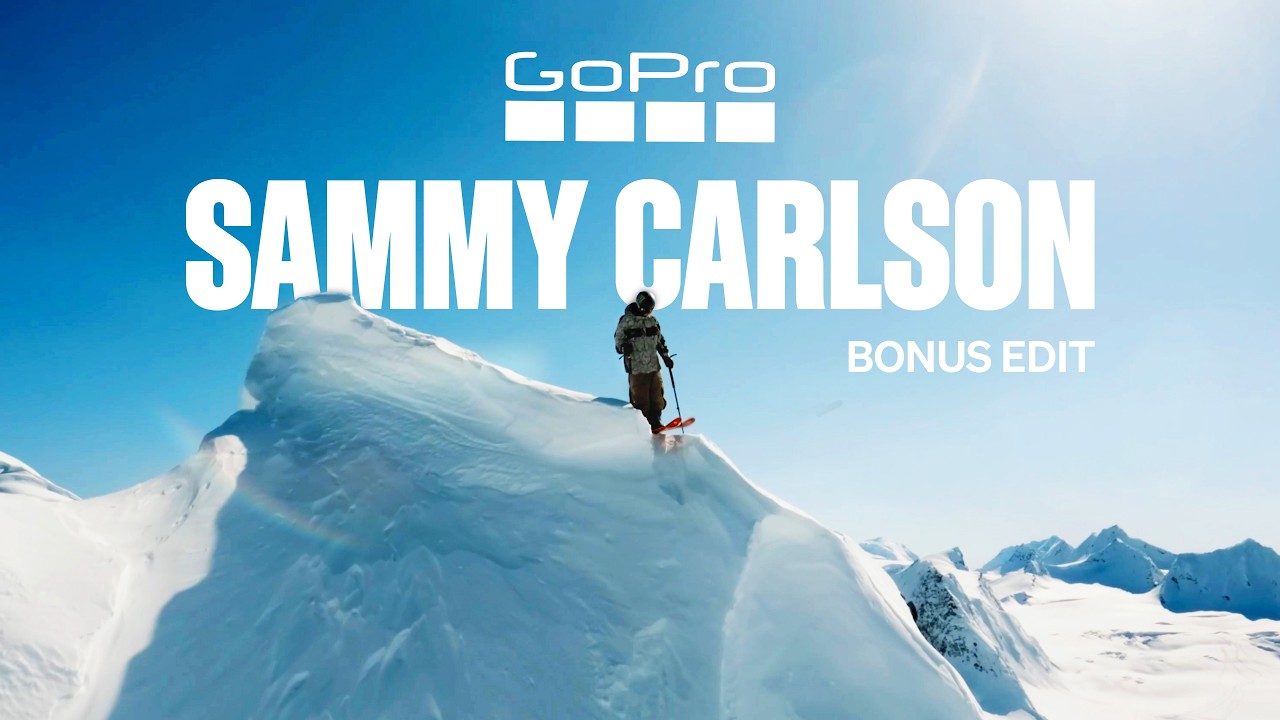
GoPro maintains a visible snow roster and commissions seasonal projects and contests that drive progression and culture. Recent ski names tied to GoPro content and team news include Sammy Carlson, Eric “Hoji” Hjorleifson, Arianna Tricomi, Parkin Costain, Dennis Ranalter, Hedvig Wessel, and Jesper Tjäder. The company’s seasonal “Line of the Winter”–style community contests regularly surface standout edits from resorts and backcountry zones, while athlete films and POV drops keep GoPro footage at the center of ski media. Reputation among skiers is simple: reliable cameras, lots of creative options, and an ecosystem that rewards experimentation.
Geography and hubs (heritage, testing, venues)
GoPro’s cameras show up wherever skiers lap and film: storm cycles and spring parks at Whistler Blackcomb (see our page for Whistler-Blackcomb), deep-snow pillows and long fall-line exits at Revelstoke Mountain Resort (see Revelstoke), and high-traffic pow runs in Utah’s Little Cottonwood at Alta (see Alta Ski Area). The brand’s own ski presence on Skipowd is aggregated here: GoPro (skipowd.tv).
Construction, durability, and sustainability
Housings are waterproof without a case, with hydrophobic, scratch-resistant lens covers; MAX2 adds replaceable protective lenses. Enduro batteries are tuned for better cold-weather performance (a noticeable benefit on lift days below freezing). Mods and mounts are designed for glove use and repeat abuse—buckles, adhesive bases, and locking fingers that hold up when you tomahawk or stuff the camera in a pack. On the software side, in-camera stabilization plus Quik’s cloud workflows reduce the number of takes you need, which means fewer failed shoots and less wasted travel. As with any electronics, longevity is sustainability: keep spare lens protectors, swapables like batteries and doors, and use the subscription’s repair/replacement coverage where available to extend service life.
How to choose within the lineup
Pick your capture style first. If your goal is classic POV and follow shots with the least editing overhead, choose HERO13 Black; add the Ultra-Wide Lens Mod for immersive 177° resort POV. If you often film a partner or want both forward and backward angles from one run, choose MAX2 and reframe later in Quik.
Decide on look controls. Want cinematic ski stories? Add the Anamorphic Lens Mod (21:9 look and flares). Shooting close gear details or snow textures? Macro Lens Mod earns its keep. If you prefer simple, vibrant output straight from camera, stick with standard lens and HDR modes; if you grade, enable GP-Log/10-bit for more latitude.
Power & carry. For all-day lift laps or sled days, the Volta grip extends runtime and gives one-handed control; a compact 20–26 L ski pack fits camera, Volta, a spare battery or two, and a microfiber for lens clearing. In very cold climates, keep batteries warm in an inside pocket and rotate.
Mounting basics. Helmet mount for most POV, chesty for stable pole-swing shots and steeps, pole/grip for follow-cams. Keep a 3-way pivot and extra adhesive bases in your repair kit. Check goggle clearance with helmet mounts and test chesty angle on a groomer before dropping into consequential terrain.
Why riders care
GoPro makes it easy to turn ski days into shareable stories without hauling a cinema rig. The stabilization is trustworthy on chopped exits, batteries last longer in the cold than they used to, and the new lens mods let you pick an aesthetic—from ultra-wide immersion to anamorphic drama—without complicated setups. Add Quik’s cloud backups and automatic highlight videos and you get a simple, end-to-end pipeline: shoot, charge, receive a cut, refine if you want, and post. That predictability is why GoPro stays strapped to helmets and poles across resorts and backcountry zones worldwide.
Quick reference (places & hubs)
- GoPro (skipowd.tv)
- Whistler Blackcomb • Whistler-Blackcomb (skipowd.tv)
- Revelstoke Mountain Resort • Revelstoke (skipowd.tv)
- Alta Ski Area • Alta (skipowd.tv)
Principal athletes & ambassadors
- Sammy Carlson
- Eric Hjorleifson
- Arianna Tricomi
- Parkin Costain
- Dennis Ranalter
- Hedvig Wessel
- Jesper Tjäder
- Note: Team rosters change seasonally; consult official GoPro channels for current lists.