Overview and significance
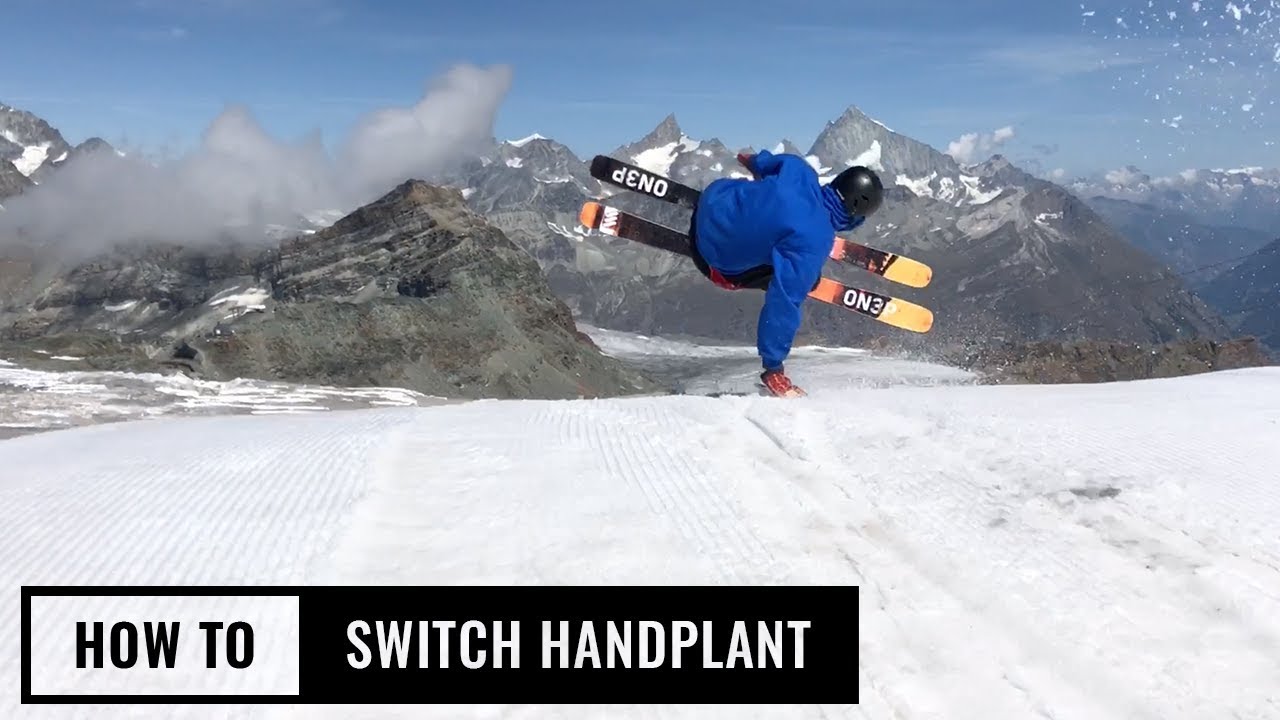
Snowpark Zermatt is one of Europe’s highest and most reliable freestyle venues, set on the Theodul Glacier above the car-free village of Zermatt with the Matterhorn as a permanent backdrop. The resort operates a dedicated winter park on the lower Theodul Glacier by the Furggsattel lift at around 3,250 m, typically from October into mid-May, and runs a summer park high on Plateau Rosa when glacier conditions permit—giving riders access to jumps and rails for well over 300 days most years. Official channels position the park as a flagship offering of the Matterhorn Ski Paradise and a staple for freestylers who want near year-round laps at altitude; regional tourism also highlights its long operating window and visibility among the Alps’ top parks (Zermatt Tourism).
What makes Snowpark Zermatt significant is the combination of location and cadence. At 3,000–3,800 m, winter snow stays dense and shapeable for stable takeoffs, and summer sessions deliver salted, predictable speed before midday. A modern lift network—Matterhorn Glacier Ride I & II, Furggsattel, and Plateau Rosa T-bars—keeps laps tight, while the cross-border connection with Italy via the Matterhorn Alpine Crossing adds logistics flexibility for mixed crews.
Terrain, snow, and seasons
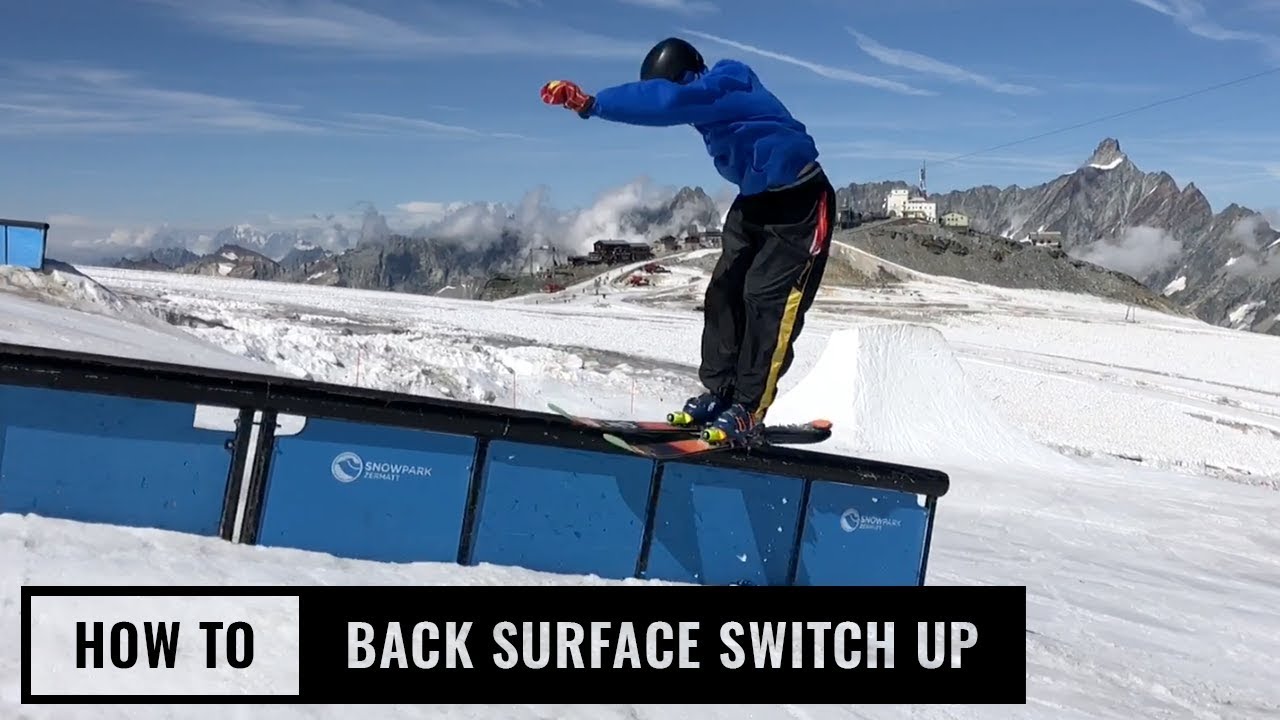
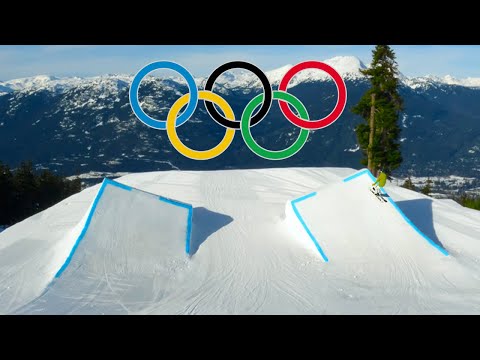
In winter, the park line sits just off the Furggsattel glacier chair at roughly 3,250 m. The shaping team typically divides the layout into progression zones—beginner features, a rail garden, and medium/large tables as snow depth allows—set on a broad, groomed bench with clean in-runs and long, safe landings. The altitude and aspect mean maritime-continental storms deposit dense, workable snow that sets into supportive chalk on leeward panels between resets. Outside the park, laps on adjacent glacier pistes are ideal for speed checks and filming B-roll between sessions.
Summer shifts the scene a few hundred vertical meters higher to Plateau Rosa in Europe’s highest lift-served summer ski area, reaching 3,883 m at Matterhorn Glacier Paradise. Mornings start early, with the public park and lanes running until around midday to preserve surface quality in the sun. Expect salted takeoffs, quick resets on the summer ski network, and a compact footprint engineered for repetition before warmth softens the snow. Zermatt’s official guidance is simple: start early, ride hard through late morning, and treat afternoon as recovery and review (Zermatt Summer Skiing).
Park infrastructure and events
Snowpark Zermatt is built for throughput. The winter park near Furggsattel prioritizes a clear ladder from learn-to-park features to medium/large jumps and a deep rail menu; in summer, the Plateau Rosa setup condenses into a high-frequency lane where you can stack many clean attempts in a short window. The crew refreshes features frequently—especially in summer—so lines evolve week to week while maintaining consistent speed and landings. A funslope often operates nearby in winter for mixed groups, and groomed glacier pistes flank the park for fast resets. While Zermatt isn’t marketed around stadium-scale freestyle events, its high-altitude reliability draws teams and camps during the off-season, and the public benefits from contest-grade shaping standards applied to daily builds.
Access, logistics, and on-mountain flow
Getting to Zermatt is straightforward and car-free. Private vehicles stop in Täsch; from there a 12-minute shuttle train or taxi completes the trip into the village (Zermatt arrival). For the winter park, upload via Matterhorn Express to Trockener Steg and continue to Furggsattel, or go direct when the chair is spinning. For summer laps, follow the Matterhorn Glacier Ride to Matterhorn Glacier Paradise and drop to the Plateau Rosa park area. The cross-border Alpine Crossing makes it possible to approach from the Italian side (Breuil-Cervinia) without skis when operations allow.
Daily flow depends on temperature and wind. In winter, start by dialing speed on smaller features, then step to the main jump line mid-morning as lips set and light improves. In summer, set an early alarm; the best speed window is the first few hours after opening, with salted takeoffs and firm run-ins. Expect a glide-and-go rhythm on glacier lifts: park laps → quick return on T-bars/chairs → water and wax check → back to the line. Keep an eye on the live lift/piste status before you head out, as high-alpine operations can change with winds and visibility (lift & piste status).
Local culture, safety, and etiquette
Zermatt’s freestyle scene is international and pragmatic—progression early, filming when the light is right, and respect for the glacier environment. Inside the park, follow Park SMART: inspect first, call your drop, hold a predictable line, and clear landings and knuckles immediately so the lane keeps moving. Beyond groomed corridors, remember that you are on glaciated terrain; rope lines exist for a reason. Never duck closures to “take a look” at seracs or crevasse fields. For any step into off-piste terrain, treat it as true backcountry: beacon, shovel, and probe, partners who know rescue, and a morning read of the official Swiss avalanche bulletin from the WSL/SLF (SLF avalanche bulletin).
Altitude is a real factor here. Hydrate aggressively, use high-SPF sunscreen, and take short breaks; fatigue leads to speed mistakes. In summer, when operations pause around midday, respect closures and let the shapers do quick touch-ups that keep speed consistent the next morning. In the village, everything runs on foot or by electric shuttle—Zermatt is proudly car-free—which makes staying near the Matterhorn Express stations ideal for an early upload (car-free info).
Best time to go and how to plan
For winter jump consistency and broad feature sets, target late January through April, when overnight freezes are reliable and the park can scale up with a deep base. The official winter park typically runs from October into mid-May depending on conditions, so early-season rail mileage and late-season slush sessions are very much on the menu (winter park). For summer park laps, July to mid-October is the classic window on Plateau Rosa, with best-in-class morning surfaces—plan to load early, stack attempts before 11:00, then switch to filming angles or recovery when the snow softens (summer ski info).
Build your day around two or three “anchor” features to lock speed and pop before stepping to the full line. Keep a pocket wax for quick temperature swings, and rotate lenses for flat light versus high-alpine glare. If you’re mixing riding with sightseeing or non-skiers, the Matterhorn Glacier Paradise platform and ice palace are easy adds without derailing a training morning. Always recheck lift status at breakfast on wind-prone days.
Why freeskiers care
Because Snowpark Zermatt turns altitude and access into almost year-round progression. You can learn and film on stable winter lips with glacier-cold snow, return in July for salted morning sessions under the highest lifts in the Alps, and do it all with efficient laps and real mountain views. Add the car-free village logistics, modern upload via the Glacier Ride, and a clear safety framework backed by the national avalanche service, and you get a park that rewards intent—a place to build skills steadily, session clean lines, and keep momentum across seasons.