Teton Gravity Research
StudioUnited States
Brand overview and significance
Teton Gravity Research (TGR) is one of skiing’s defining media houses: founded in the Tetons in the mid-1990s, headquartered near Jackson Hole, and built by riders who wanted films to reflect real mountain decision-making. Over three decades, TGR has helped set the visual language of big-mountain and freeride skiing—long, honest line shots, athlete-driven objectives, and film tours that mark the start of winter for communities worldwide. The company’s catalog spans seminal Alaska segments and Jackson Hole storm days to modern, athlete-led stories that balance consequence with creativity. For skipowd.tv readers, TGR matters because it consistently turns winter into narrative: venues, riders, and weather windows woven into films that become seasonal landmarks.
The brand’s annual feature is a cultural metronome. Recent releases include the 30th-anniversary film “Pressure Drop,” a return-to-roots celebration of steep lines and clean execution shot across North America and Europe, and “Beyond the Fantasy,” which explored how athletes translate imagined lines into reality. Beyond feature films, TGR’s shorts, athlete profiles, and tour events keep the stoke rolling between premieres, while long-form storytelling ensures the heavy clips still make sense ten seasons later.
Product lines and key technologies
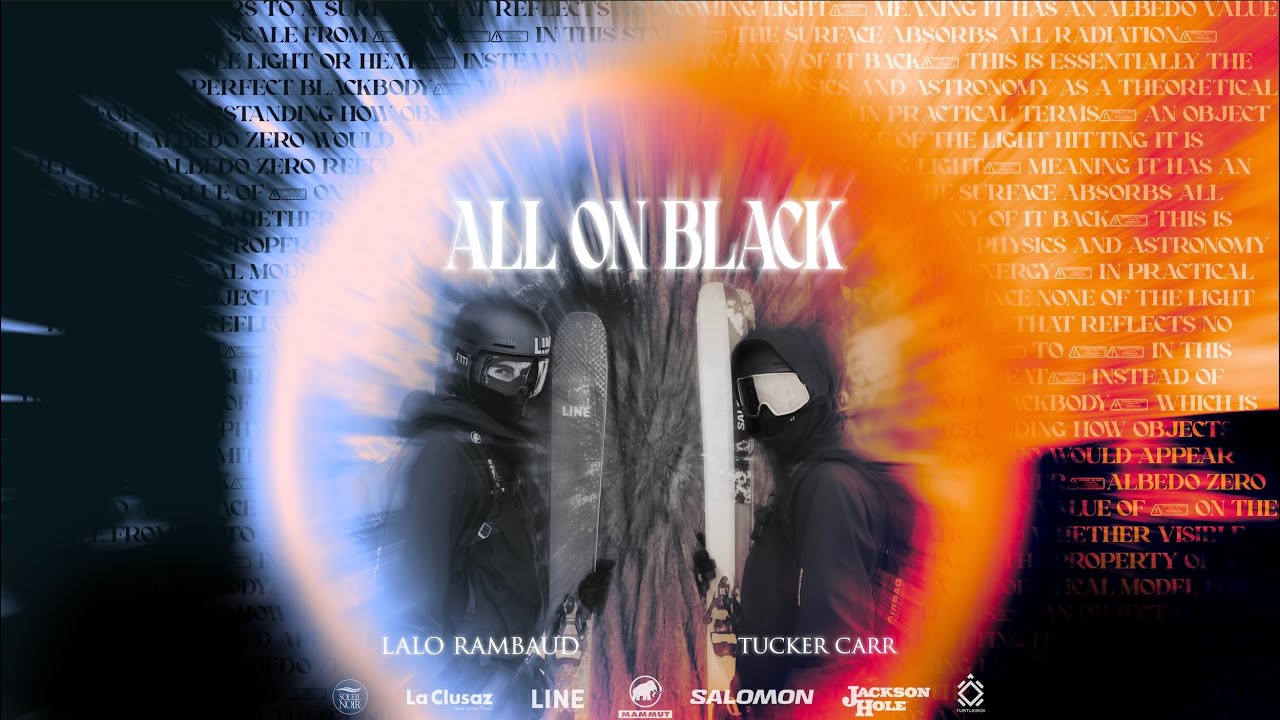
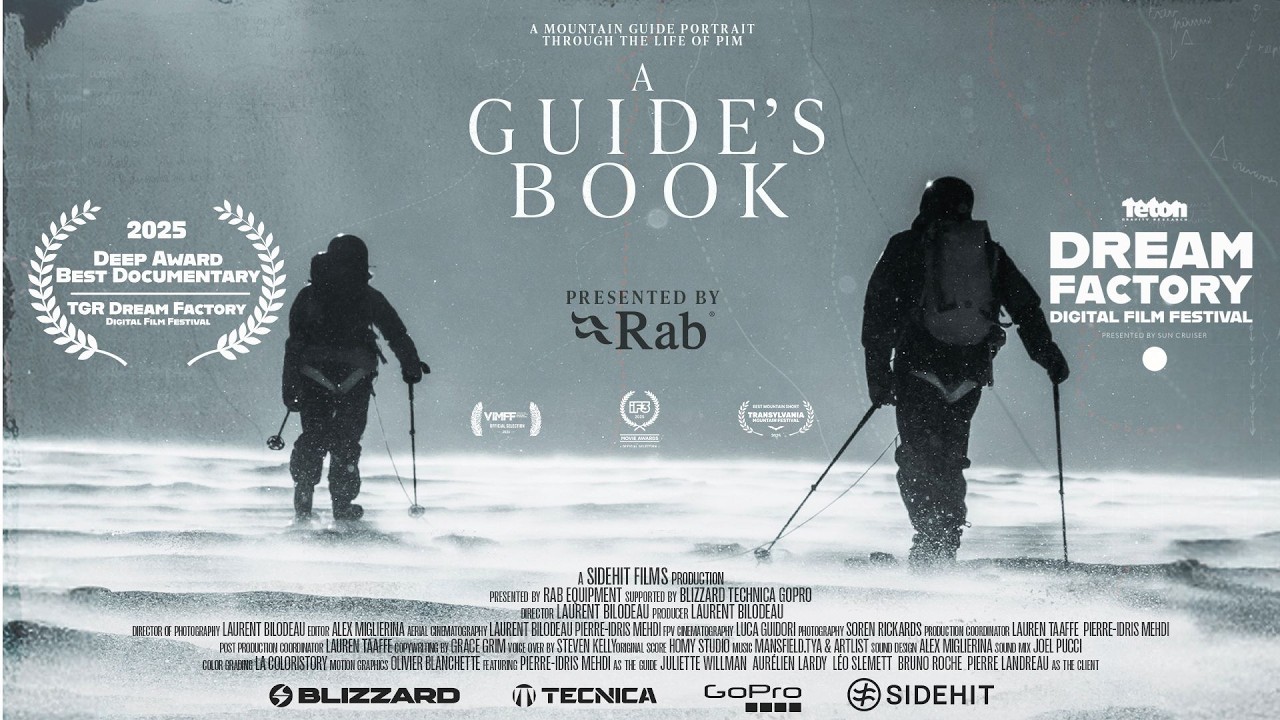
TGR does not build skis; its “products” are films, tours, and a platform that develops riders and destinations. The flagship is the annual ski/snowboard movie and the accompanying Film Tour, which drops into mountain towns each fall. Parallel series—athlete spotlights, destination pieces, and web shorts—extend the life of a winter, bringing viewers back to the same faces and venues as conditions evolve.
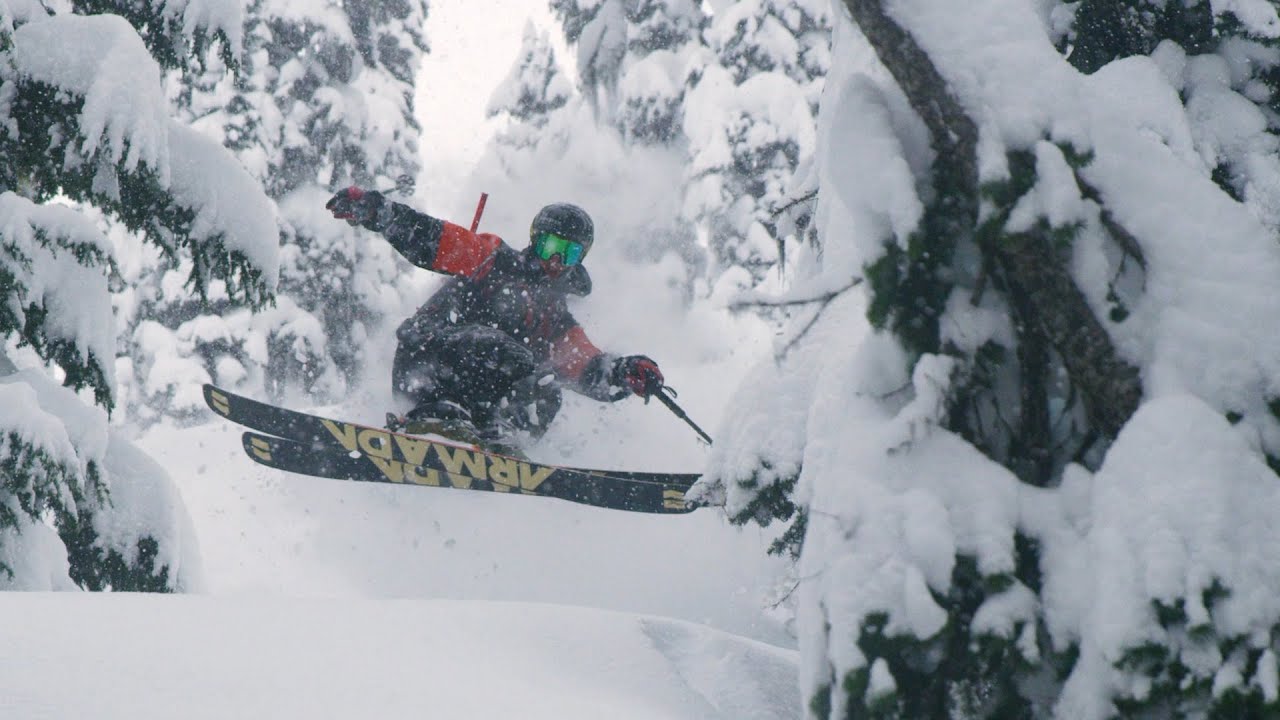
Technically, TGR helped popularize ultra-stable, high-definition aerial cinematography in ski films. Helicopter-mounted, gyro-stabilized camera systems paired with cinema-grade bodies allowed the crew to hold a skier in frame at speed on big faces without losing the texture of snow or slope angle. On the ground, a mix of long-lens, cable, and follow-cam work keeps perspective honest: you see approach speed, takeoff timing, sluff management, and landing control instead of abstract close-ups. The result is footage that both entertains and teaches—useful for riders who study line choice as much as they enjoy the spectacle.
Ride feel: who it’s for (terrains & use-cases)
TGR’s work speaks first to all-mountain and freeride skiers who chase real terrain—steep bowls, spines, couloirs, storm-cleaned trees—and want to see how elite athletes manage risk and speed when conditions are authentic, not staged. Park and backcountry-freestyle skiers also find a consistent thread: natural takeoffs, side hits, wind lips, and transitions treated as canvases for style. If you alternate between in-bounds challenge laps and out-of-bounds tours, TGR’s films mirror your calendar—resort storm days, bluebird windows, and spring missions strung together by avalanche awareness and crew trust.
For learners, the films function like masterclasses. You can pause to analyze fall-line choices, sight-lines into roll-overs, or how riders “read” sluff and manage exposure. For trip planners, destination segments preview pace and pitch at places like Jackson Hole and Verbier, helping crews match ambitions to terrain reality before they book tickets.
Team presence, competitions, and reputation
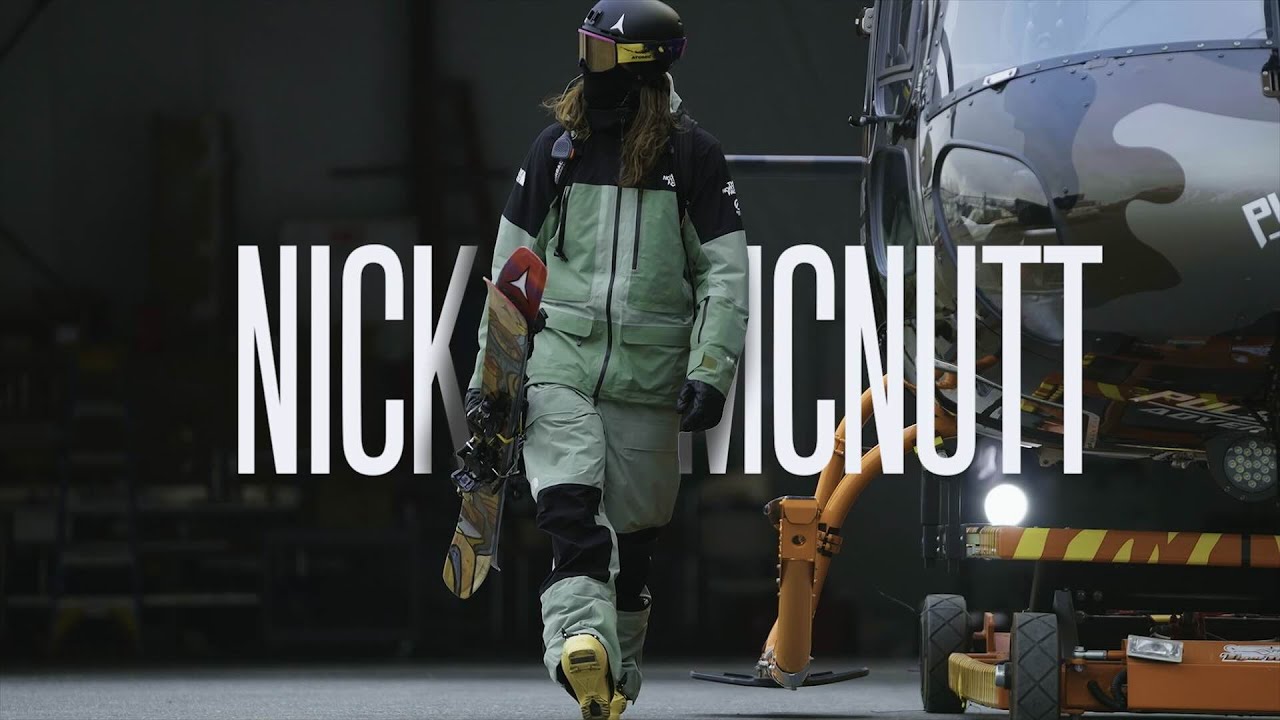
TGR’s athlete network has included many of the names that shaped modern freeskiing—chargers known for committing to the fall line and bringing style to consequential snow. That roster has evolved with the sport, blending seasoned big-mountain specialists with younger riders comfortable moving between film, freeride venues, and creative backcountry features. The company’s reputation rests on two pillars: it consistently captures skiing at its most honest (speed, consequence, variable surfaces), and it shows athletes as decision-makers, not just stunt performers. This approach earned trust with guides, resorts, and viewers, keeping access open to terrain that rewards skill but punishes shortcuts.
Tour nights reinforce the relationship. A TGR premiere is part film screening, part community gathering: local avalanche centers table in the lobby, resort operations teams show up, and skiers plan first snow days under the glow of the closing credits. That annual ritual keeps the brand connected to real mountain towns instead of existing only as a streaming logo.
Geography and hubs (heritage, testing, venues)
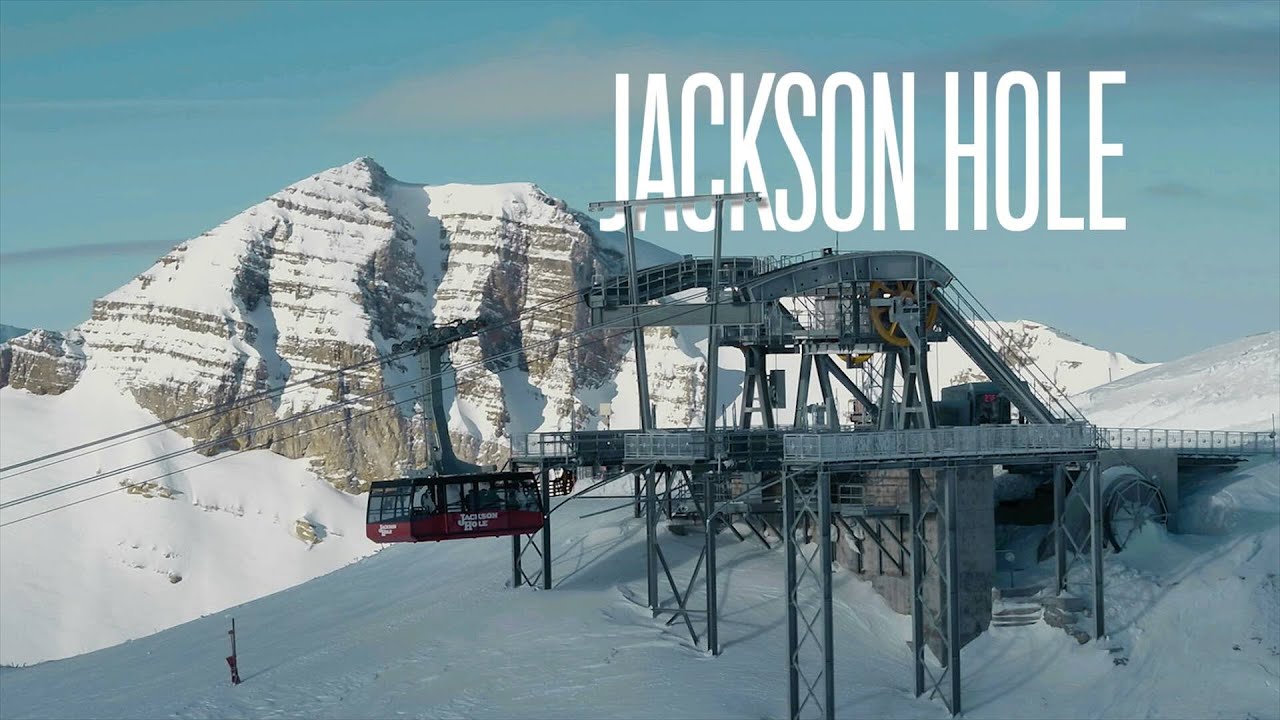
Home base is Wyoming’s Tetons, where the Jackson Hole culture of tram laps, technical chutes, and storm cycles has shaped TGR’s pacing and priorities. The resort’s character—steep entries, long fall lines, and crowd-aware decision-making—translates directly to the films’ tempo and line selection. For skiers scoping a stateside itinerary, the official resort portal for Jackson Hole is jacksonhole.com, while skipowd.tv’s location guide to Jackson Hole gives a rider’s eye to the terrain.
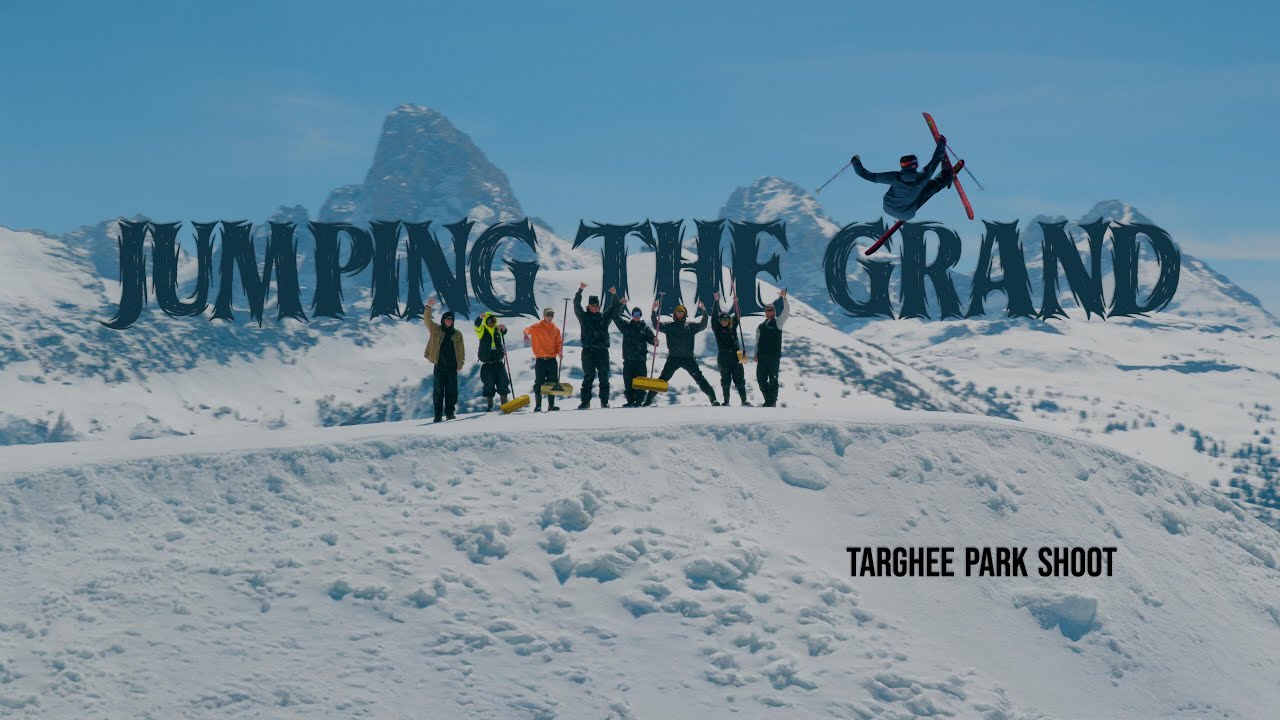
Across the Atlantic, the Alps are a second home. Filming and athlete projects regularly pass through Les Arcs and Verbier, where lift-served big-mountain terrain allows multiple attempts inside tight weather windows—ideal for capturing clean lines without heli overuse. Closer to the Tetons, Grand Targhee often appears in storm-day segments for its forgiving landings and consistent snowfall. These hubs are not random pins on a map; they’re places where speed, access, and avalanche frameworks make ambitious filming repeatable.
Construction, durability, and sustainability
In a media context, “construction” means how a project is built: pre-production with guides and resorts, weather modeling, camera plans that won’t distort slope angle, and shot lists flexible enough to follow real snow. Durability shows up as films that age well; a decade on, viewers still reference certain TGR segments when discussing line selection or snowpack behavior. Sustainability is practical and cultural. Practically, crews lean on lift-served access when possible, compress travel around storm cycles and tour stops, and work with local experts to minimize footprint in sensitive zones. Culturally, TGR has amplified environmental conversations via athlete-led projects and partnerships that nudge the community toward responsible travel and decision-making. The throughline is respect for mountains and the people who operate in them.
From a gear-care standpoint, the company’s footage quietly advocates for maintenance and preparedness: tuned edges and predictable bases for firm entries, binding checks before bootpacks, radios and rescue kits where exposure demands them. That attention to detail is why the skiing looks smooth on camera—it’s built on a foundation of redundancy and process.
How to choose within the lineup
Viewers: Start with the latest annual feature to catch the state of the art, then dive backward to compare eras. Watch a modern Alaska spine sequence and follow it with a classic to see how angle capture, runout management, and pacing evolved. Use athlete profiles to study how different skiers solve similar terrain.
Trip planners: Use destination segments to set expectations. If “Pressure Drop” shows a storm-cleaned day at Jackson Hole, notice how riders manage speed into consequential terrain and how patrol openings shape the day’s rhythm. If a Verbier sequence sparks your interest, pair the film with the Verbier location guide and build a plan that respects itinerary closures and changing light.
Athletes and creators: TGR rewards authored ideas that can be repeated safely under real conditions. When pitching, think like a guide and a shaper: is the line skiable at speed, can you reset for multiple attempts, and does it film cleanly without misrepresenting slope angle? Consider venues with lift-served access and consistent snow so your story survives typical winter variability.
Why riders care
Skiers care about TGR because the films feel true to the way we actually ride: weather-dependent, partner-driven, and shaped by terrain that asks for respect. The camera shows speed, consequence, and style without faking the experience; the editing leaves room for context so a clip makes sense in the bigger story of a winter. For aspiring chargers, the movies double as study guides. For seasoned riders, they’re reminders of why careful preparation and strong crews unlock the best days. And for mountain towns, a TGR tour stop is a seasonal gathering—an evening where the community lines up plans for the first deep week and the last spring mission. In a sport that depends on timing, teamwork, and trust, TGR keeps delivering the template for how to capture skiing at its most alive.