Joona Kangas
Profile and significance
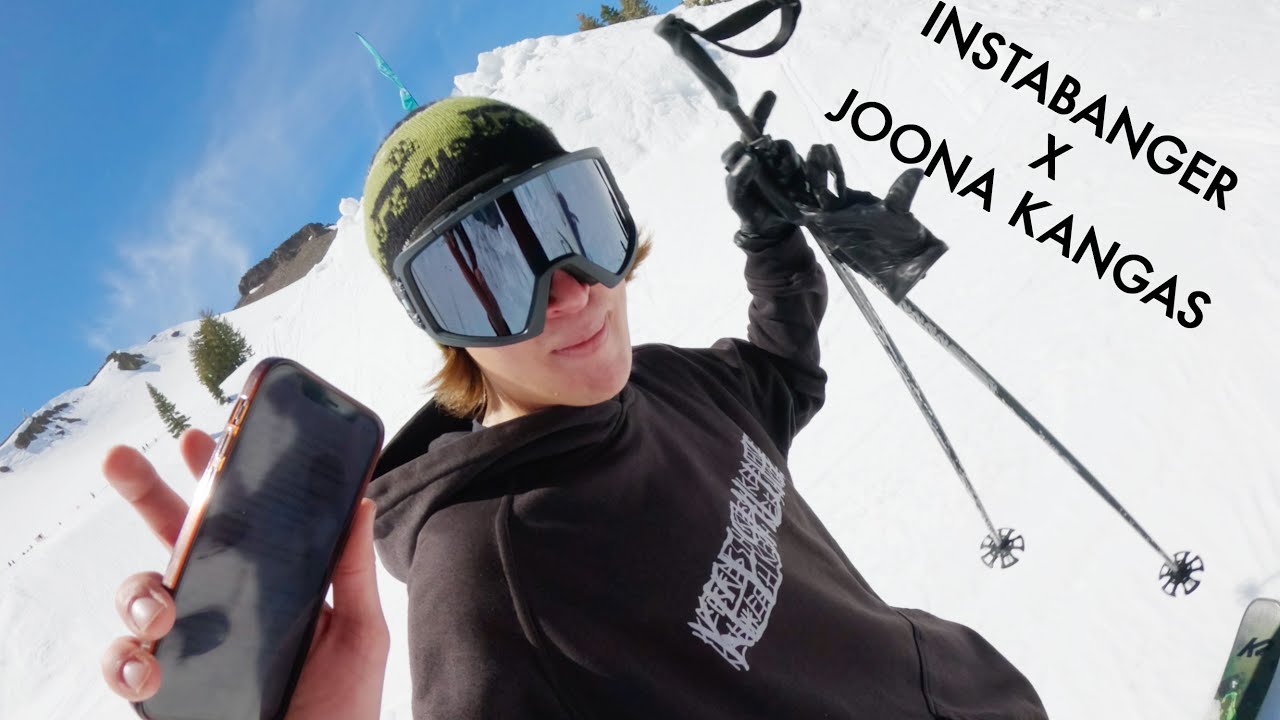
Joona Kangas is one of the clearest examples of how modern freeskiing can blend contest success with a deep film and street pedigree. Born in 1997 and raised in Finland, he came up through local hills like Himos before settling in Lapland and riding for Levi Ski Club. That northern upbringing, with long winters and floodlit parks, shaped a skier who would go on to win the 2014 FIS Freestyle Junior World Championships in men’s slopestyle and later represent Finland at the 2018 Winter Olympics. For many fans, though, his legacy is just as tied to the gritty, DIY style of the Keesh collective and a steady stream of influential video parts.
Within the freeski community, Kangas is regarded as a style leader rather than a numbers-only contest machine. His best competition years overlapped with his rise online: SLVSH games, Keeshlife edits, and later full parts like “Land of the Darker Sun” turned him into a reference point for skiers looking for a loose, creative but highly controlled approach. That combination of technical depth and effortless-looking flow keeps his clips circulating on social feeds long after individual contest results fade from memory.
Today, Kangas balances life as a professional skier with business studies, using his time at Häme University of Applied Sciences to build skills that support his career off the hill. Supported by multiple international sponsors and still active at the top level of freestyle, he has shifted toward “skiing on his own terms”—fewer World Cup starts, more filming, more invitational events, and more influence on how freeski style evolves.
Competitive arc and key venues
Kangas’ competitive arc moved fast. After dominating junior ranks in Finland, he broke through internationally by winning the 2014 Junior World Championship slopestyle title in Chiesa in Valmalenco, Italy. That result announced him as one of the strongest young riders in Europe, especially impressive given that it came in only his first handful of FIS events. It also set up his move onto the World Cup circuit, where he began to test his rail-dominant, creative approach against the best in the world.
On the FIS World Cup tour he stacked a series of strong showings in slopestyle and big air. Key highlights include a seventh place in slopestyle at Seiser Alm, Italy, and a ninth place in slopestyle at Quebec City, Canada, in 2017—both results that put him within touching distance of the podium at fully stacked events. An eleventh-place finish at Snowmass, USA, early in the 2017–18 season confirmed that his run construction could earn serious scores when he held it together top to bottom. Those results, combined with his world junior title, were enough to secure Olympic selection.
At the PyeongChang 2018 Winter Olympics, Kangas was the only male slopestyle skier representing Finland. The course favored big, risky rail approaches and heavy trick density—conditions that matched his strengths on paper—but he was unable to land the full package in qualification and finished outside the final. Even so, his presence at the Games, backed by his World Cup top-10s, cemented his status as a world-level athlete before he chose to step away from full-time FIS competition in 2019.
Since then, “events” for Kangas have meant another kind of stage. You are more likely to see him at Jib League stops, SuperUnknown sessions, or invited shootings in parks like Kläppen than at a standard open field World Cup. A 2025 profile from Häme University of Applied Sciences highlighted that he was named best male skier at a SuperUnknown gathering in California, underlining that his peers still view him as one of the sport’s most complete riders even outside the conventional ranking system.
How they ski: what to watch for
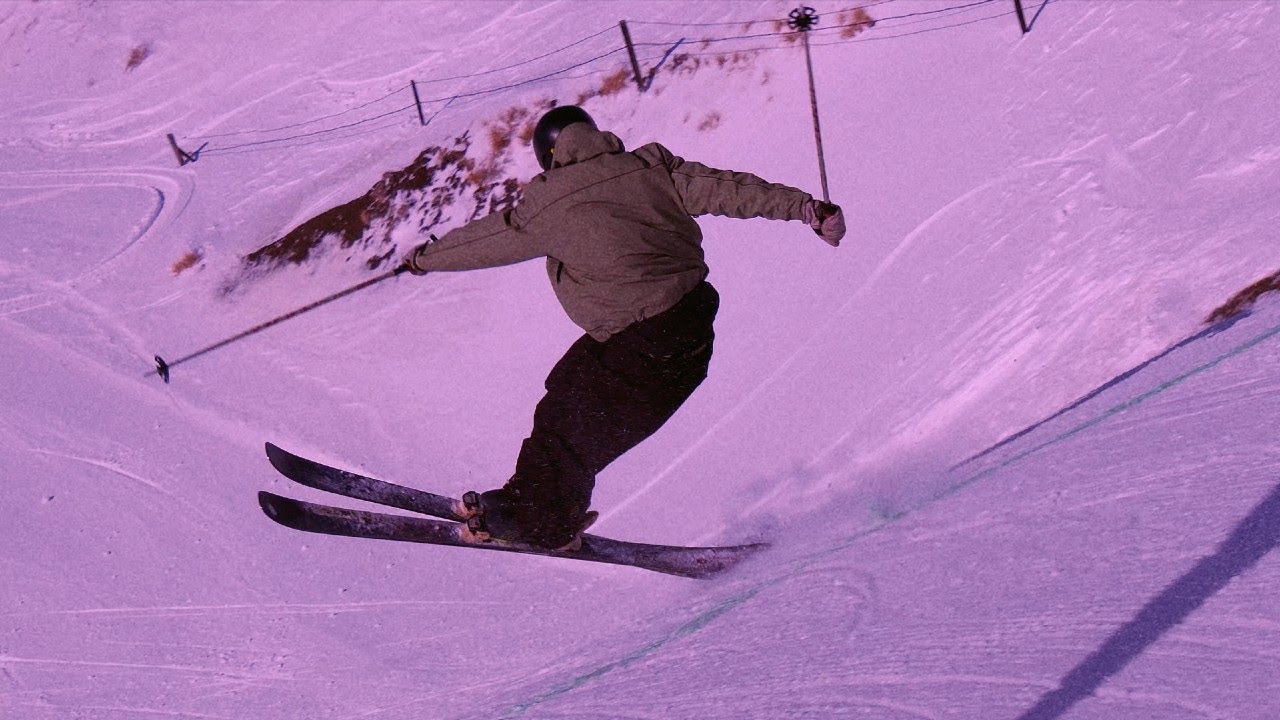
Kangas’ skiing is built around three pillars: powerful rail precision, relaxed airtime, and a constant search for slightly different takeoffs and landings. On rails, he is known for centered, locked-on slides and presses that look casual but leave no margin for error. Watch how he uses surface swaps, quick direction changes and subtle nose or tail pressure to create lines that zigzag across an entire rail section instead of simply ticking off one feature at a time.
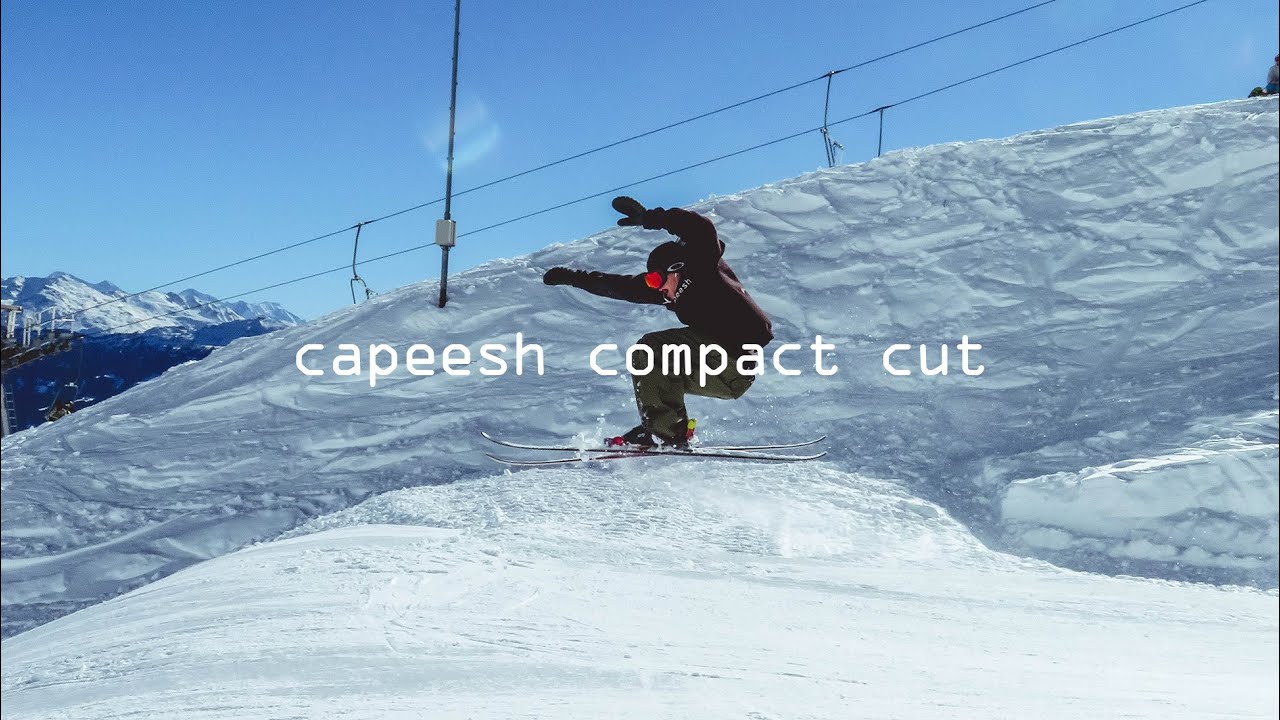
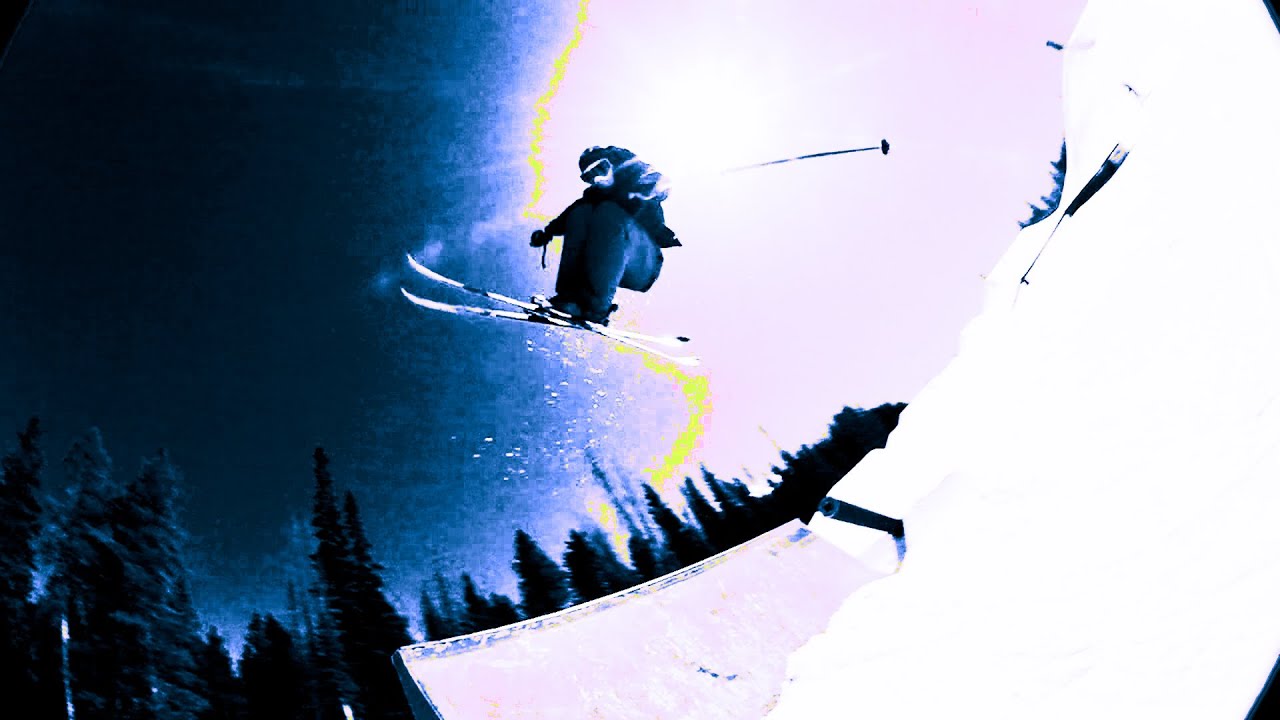
On jumps, the same attitude shows up as smooth, fully held grabs and spin directions that avoid the obvious choice. Switch takeoffs, off-axis rotations and late tweaks are common in his clips, but they rarely feel forced. Instead, he rides with a medium-high speed and lets the trick unfold slowly in the air, often holding a grab from the lip almost all the way to the landing. That timing, combined with soft, controlled landings, is a big part of why fellow skiers talk about his “feel” for snow as much as his trick list.
Street and backcountry shots reveal another dimension: Kangas is comfortable adapting his park skill set to handrails, wallrides and natural trannies. In these settings he often adds small but memorable details—ollies into kinks, nose-butter entries onto natural rolls, or little drifted pivots on the way out of a pillow line—that reward slow-motion rewatching as much as first impressions.
Resilience, filming, and influence
Choosing to step away from the structured life of the Finnish national team after years of investment took both courage and clarity. Kangas has described the 2012–2019 national-team period, which included Junior Worlds gold and an Olympic start, as a crucial education—but he also wanted more creative control over his skiing. Since that transition he has built a career around projects that reflect his own taste: smaller crews, longer stays in one zone, and an emphasis on filming rather than chasing ranking points.
“Land of the Darker Sun,” released in 2021, is one of the cleanest windows into this phase. Shot in Finnish Lapland, the Swiss Alps and Riksgränsen in Sweden, the short film strings together street, backcountry and resort features into a cohesive portrait of how he likes to ski when there is no start gate involved. Later appearances in Keesh full movies and in K2 team projects like “Rikka,” filmed in Tokyo and Hokkaido, pushed his profile beyond the core freeski audience and underlined his value as a film skier capable of holding down full segments, not just one-off shots.
That filming focus has also made him influential as a stylist. Younger Finnish riders and international park skiers study his Keesh and K2 segments not only for the tricks, but for choices of speed, body position, and how he uses terrain that other people might ignore. In an era when many contest runs look similar, Kangas has become an example of how to keep freeskiing’s improvisational, playful roots alive even at a very high technical level.
Geography that built the toolkit
Kangas’ skiing is inseparable from the places that shaped him. Early days at Himos and other central Finnish resorts introduced him to park skiing on compact, efficient hills where creativity matters more than vertical drop. A family move north brought him to Levi Ski Resort, inside the Arctic Circle, where he still calls home. Long winters, floodlit slopes and the repetition of lapping the same lines night after night helped him develop the consistency you see in his competition runs and film segments.
From there his circle of “home” hills expanded: Finnish resorts like Sappee hosted national-level slopestyle events he won in his youth, while European venues such as Font Romeu, Seiser Alm and Silvaplana became regular stops during his World Cup years. Backcountry trips to Lapland and heli or touring days in the high Alps introduced him to bigger terrain, which now features heavily in his film parts. More recently, projects like “Rikka” have taken him to the deep snow and compact lift-served zones of Hokkaido as well as urban backdrops in Tokyo, further rounding out the environments where his skiing feels at home.
Equipment and partners: practical takeaways
For viewers who also ski, Kangas’ choice of equipment offers useful cues. As a long-time athlete for K2 Skis, he rides playful, freestyle-oriented skis with enough width to feel comfortable both in parks and in softer snow. Paired with bindings from Marker, his setups are built to handle heavy rail impacts, side hits, and bigger step-down jumps. Soft but supportive boots and a progressive mounting point help explain why his switch landings and butters look so natural even on variable landings.
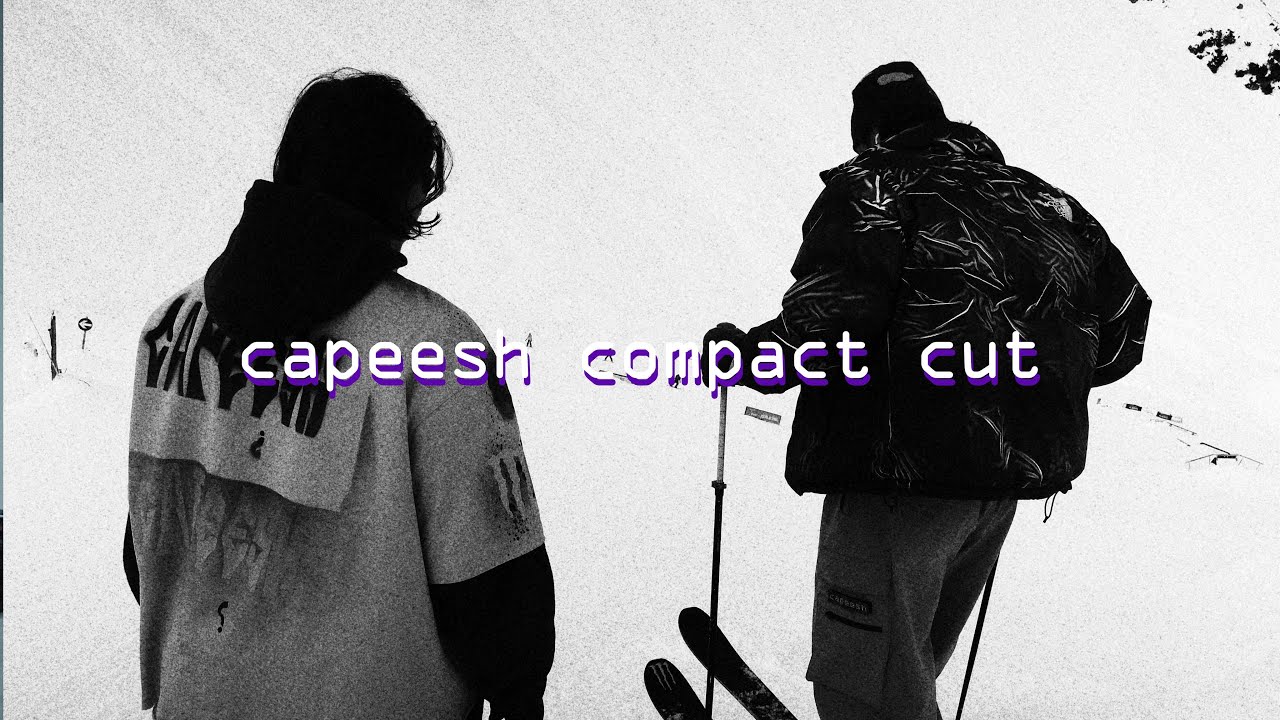
Outerwear and streetwear from Capeesh Supply reflects the same aesthetic as his skiing: relaxed, functional, and clearly rooted in skate and street culture. While individual gear choices will depend on a skier’s local conditions, riders looking to emulate Kangas’ feel should pay attention to how his setup supports both rail precision and all-mountain versatility. The balance he strikes—park-capable but still reliable for backcountry jumps and natural features—shows in how confidently he moves between urban spots, resort laps and powder.
Why fans and progressing skiers care
For casual viewers, Joona Kangas is simply enjoyable to watch: his tricks are big without looking anxious, his landings are soft, and his lines often include surprising details that make you rewind the clip. For core fans and up-and-coming skiers, he represents a path that values style, creativity and long-term love of the sport as much as podiums. He has proven that you can win world titles as a junior, make an Olympic team, and then deliberately shift focus toward filming, small-crew projects and building a sustainable life around skiing.
If you are a skier trying to progress in slopestyle, big air or urban skiing, Kangas is a particularly good study subject. Watch how he chooses tricks that he can land consistently rather than chasing the biggest possible rotation every time, how he keeps his shoulders calm over rails, and how often he uses speed and line choice—not just spin count—to stand out. Whether he is lapping Levi in midwinter darkness, exploring the high alpine, or drifting through Hokkaido powder with the K2 team, Joona Kangas continues to show that the most memorable freeskiing blends technical difficulty with personality and a clear sense of fun.