Profile and significance
Pete Koukov is a Denver–Boulder–raised freeski original whose work sits at the crossroads of street filming, rider-led events, and the small-park culture that builds durable style. Coming up with Colorado crews and graduating into the Strictly film collective, he developed a movement language—calm approaches, early grab definition, long-held presses, square-shoulder exits—that reads crisply on camera and transfers to everyday parks. As his profile grew, he joined the athlete rosters of LINE Skis and Jiberish, helped shape Strictly’s run of influential projects, and became a reliable reference for how to turn modest speed and thin cover into memorable skiing. The significance is cultural as much as competitive: Koukov helps define what modern, replayable street-and-park skiing looks like for a generation that learns from edits as much as from contests.
Competitive arc and key venues
Koukov’s résumé tilts toward film and rider-curated gatherings rather than rankings, but the contest touchpoints he chooses matter. He has been on the hill at Level 1’s SuperUnknown weeks—long-running talent incubators hosted on a private build at Mammoth Unbound—where finals and pro sessions blend. That environment suits his strengths: reading a setup quickly, defining each movement, and linking features so speed survives to the next hit. Closer to home, he helped energize Denver’s scene around the free, city-run Ruby Hill Rail Yard, a floodlit winter park that delivers repetition on demand. In recent seasons he even hosted a week-long, edit-based jam there—an “un-invitational” that rewarded line reading and creativity over bib numbers. Those venues explain the arc: incubate in Colorado’s public parks, pressure-test at SuperUnknown, and feed the community with film-first sessions.
How they ski: what to watch for
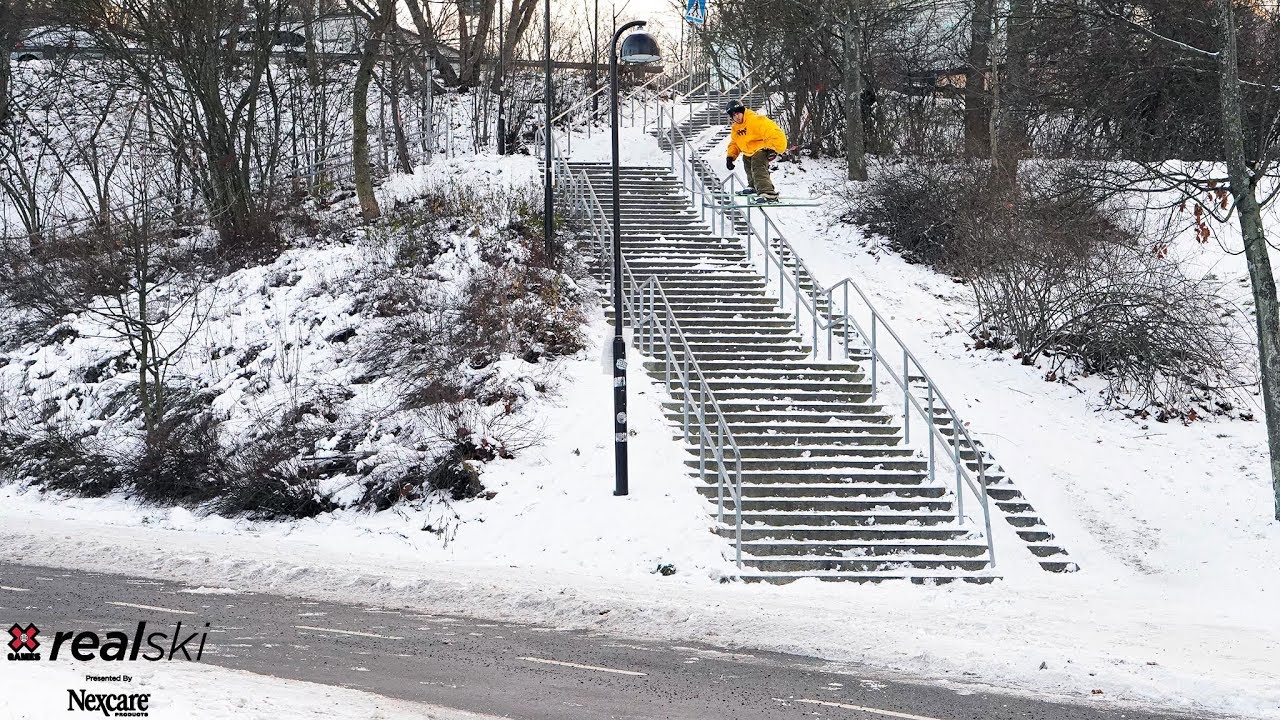
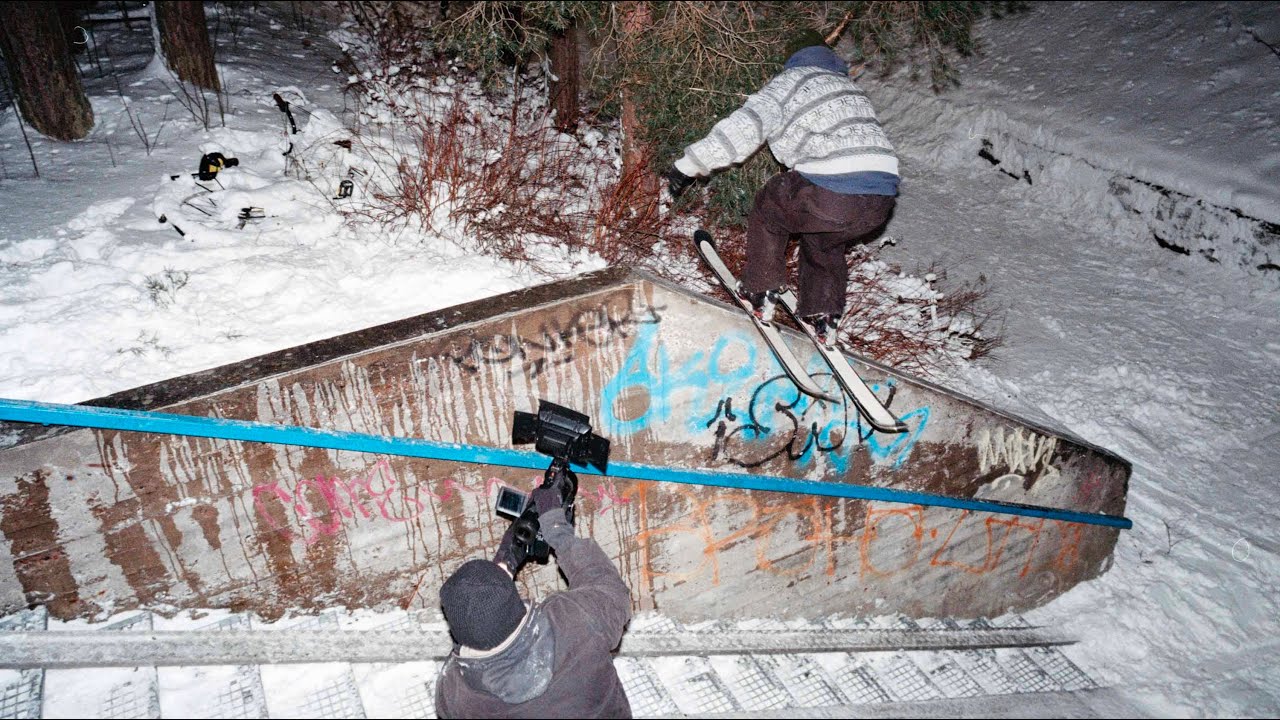
Koukov skis with economy and definition. Into a takeoff he stays tall and neutral, sets rotation late, and locks the grab before 180 degrees so the trick breathes. On rails, the signatures are square entries, backslides and presses held long enough to be unmistakable, and exits with shoulders aligned so momentum carries into the next feature. Surface swaps are quiet, with minimal arm swing; the base stays flat through kinks because edge pressure is organized early, not rescued late. Even when he chooses complex spots, the approach looks calm and deliberate—hips over feet, soft ankles on impact—so landings read inevitable rather than survived. It’s a blueprint developing riders can copy on their next lap.
Resilience, filming, and influence
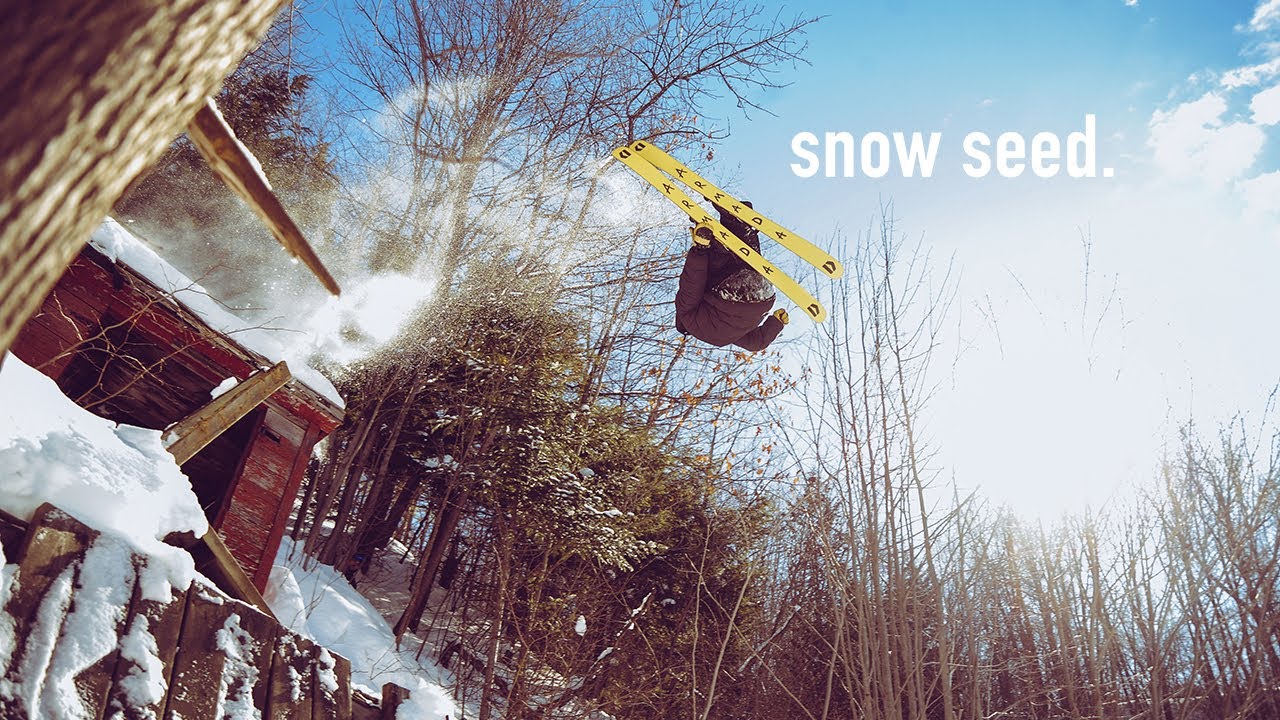
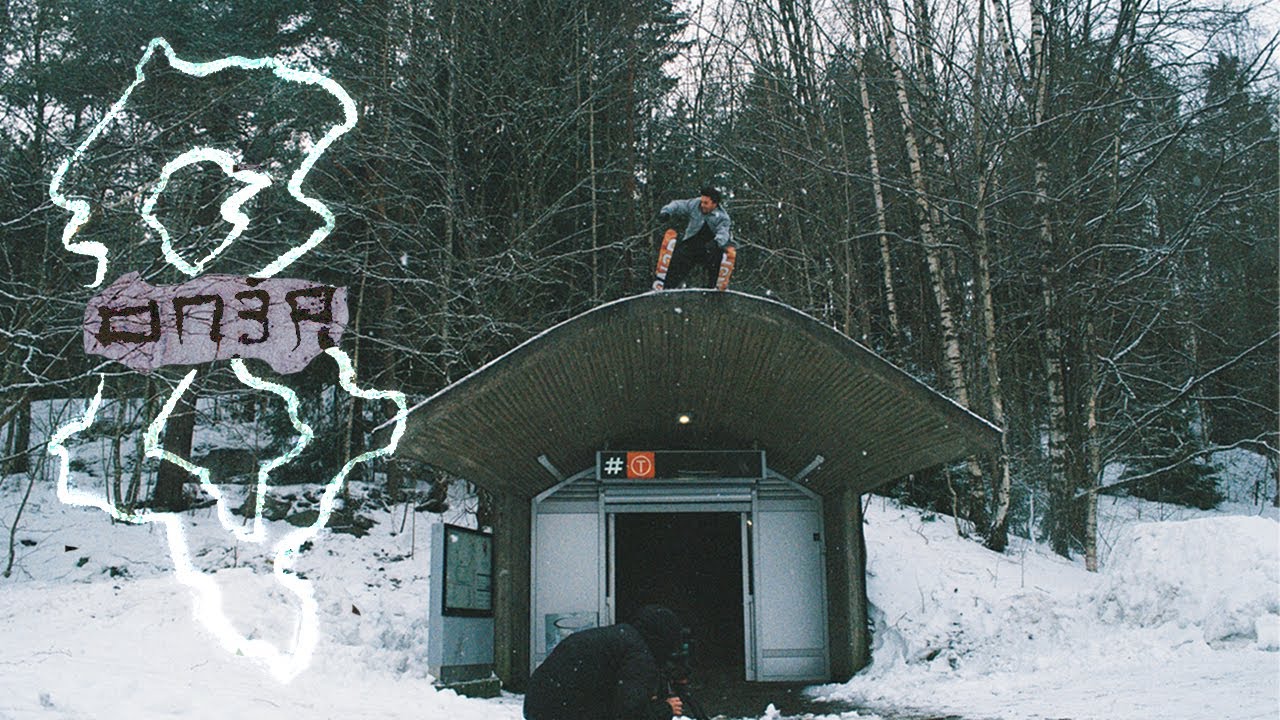
Film seasons are the backbone. With Strictly, Koukov helped craft a run of era-defining projects—from all-street cuts to mixed-discipline shorts—culminating in the collective’s capstone “Delete.” The thread through his parts is clarity: shots framed so you can study timing, edge placement, and body organization. That visual grammar dovetails with his work off the skis, where he increasingly steers projects, edits, and community sessions. In 2025 he found himself in global headlines after surviving a commercial plane crash in Toronto and documenting the aftermath; while unrelated to skiing, it underscored a storyteller’s reflex and a calm under pressure that also shows up in his on-snow decisions. Add a 2024 apparel collaboration voice with Jiberish and continued travel with the LINE Skis crew, and you get influence that flows through films, events, and the broader culture.
Geography that built the toolkit
Place explains the method. Ruby Hill’s city-run park gives him night sessions, quick resets, and the kind of feature density that punishes sloppy setup; that environment sharpens speed control and switch comfort. The training and filming ecosystem around Woodward Copper adds repetition on structured takeoffs and rails, plus off-snow air awareness inside the Barn when storms hit. When SuperUnknown calls, Mammoth Unbound layers in bigger spacing, wind reads, and long decks that demand patience. Colorado’s streets and Front Range light fill in the rest: thin cover, short run-ins, and one-take confidence that carries directly into film weeks. Each location leaves a visible fingerprint in his clips.
Equipment and partners: practical takeaways
Koukov’s setup mirrors his priorities. On LINE Skis park platforms he leans on a balanced, medium flex that will press without folding yet stay predictable on bigger takeoffs. Apparel with Jiberish reflects the rider-run aesthetic that surrounds his projects. For skiers looking to borrow the feel, the lessons are straightforward: detune contact points enough to reduce rail bite while keeping dependable edge hold on the lip; choose a near-center mount so switch landings feel neutral and presses sit level; and keep binding ramp angles that don’t push you onto your heels. Equally important is process. Film laps, compare shoulder alignment and hip-to-ankle stack against clear checkpoints, and iterate until patient takeoffs, clean grabs, and square-shoulder exits become automatic.
Why fans and progressing skiers care
Fans care about Pete Koukov because his skiing is built to last in slow motion. The clips prioritize timing, organization, and line choice over noise, which is why they hold up on a second, third, or tenth watch. Progressing skiers care because the same choices are teachable on small parks: calm entries, patient pop, early grab definition, long presses that read, and exits that preserve speed for what’s next. Whether the backdrop is a free public lap at Ruby Hill, a training day at Woodward Copper, or a private build at Mammoth Unbound, the read stays the same—precise, stylish freeskiing that turns limited resources into high replay value.