Quiksilver
Australia
Brand overview and significance
Quiksilver is a surf-born, snow-proven apparel brand founded in 1969 in Torquay, Australia, that today outfits skiers and snowboarders with outerwear built for storm days, park laps, and travel-heavy seasons. The “mountain and wave” DNA shows up in the snow line’s relaxed silhouettes and rider-led details, while the performance story rests on credible waterproof/breathable fabrics, pragmatic insulation choices, and long-running athlete feedback. For Skipowd readers, the curated hub for Quiksilver pulls together signature films and place context tied to the label’s backcountry and freestyle presence.
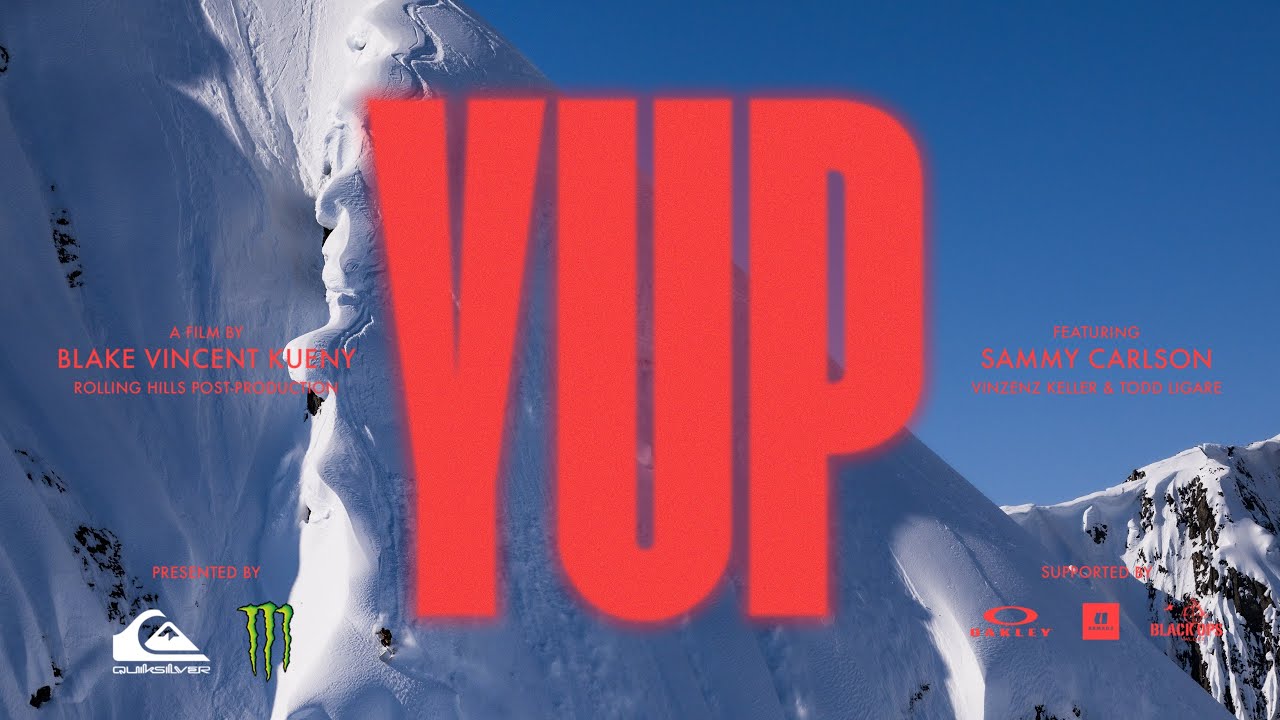
Within freeski culture, Quiksilver has earned visibility by backing heavy-hitting film projects and a small, influential roster. Backcountry icon Sammy Carlson wears the outerwear in deep British Columbia and Alaska segments, while Spanish-Swiss slopestyle/big air talent Thibault Magnin came through the brand’s Young Guns pathway and now bridges contest venues with creative edits. The net effect is a lifestyle label with real on-snow substance: recognizable style backed by weatherproof builds that hold up to long winters.
Product lines and key technologies
Quiksilver’s snow range is organized by protection level rather than race-derived hierarchies. At the top sit 3-layer and 2-layer GORE-TEX shells (including Highline Pro capsules) for riders who need true foul-weather reliability—fully taped seams, storm-sealing hoods, and quiet, durable face fabrics designed for repeated lift laps and sled days. The middle tier relies on the brand’s DryFlight® waterproofing in 20K ratings for technical shells aimed at aggressive resort skiers who want strong weather insurance without stepping to full 3-layer price or weight. Everyday resort kits round out the line with DryFlight® 10K and WarmFlight® Eco insulation, a low-bulk synthetic fill mapped by zone to keep chairlift mornings warm without swamping you on traverses.
Across tiers, the practical tech stack repeats: taped seams (critical or full), long pit zips or mesh-lined core vents, glove-friendly zippers and pulls, powder skirts, boot-friendly cuff gaiters, and helmet-compatible hoods. A material throughline uses recycled polyester—often REPREVE®—and many insulated pieces carry PFC-free durable water repellent finishes. For a quick brand overview of the snow philosophy, see the “Surf The Mountain” Snow Guide hosted by Quiksilver.
Ride feel: who it’s for (terrains & use-cases)
All-mountain resort skiers who mix trees, groomers, side hits, and short hikes will be well served by DryFlight® 10K + WarmFlight® Eco insulated jackets and pants: warm on the chair, ventable on traverses, and cut roomy enough for movement. Storm chasers and skiers in wetter maritime climates will prefer 20K DryFlight® shells or the GORE-TEX capsules for consistent sealing in wind, heavy snowfall, and mixed precipitation. Park and slopestyle riders benefit from the relaxed fit and soft-hand fabrics that slide without snagging, with enough reinforcement at cuffs and hems to withstand rail seasons.
If your winters look like early starts, snowmobile bumps, and back-to-back filming windows, GORE-TEX shells deliver the calm, quiet ride that lets you focus on line choice and speed control. If most days are lift-served with occasional hikes-to, the 20K tier is the value sweet spot—dependable weatherproofing, long vents, and durable shells that shrug off trees, lifts, and repeated pack carry.
Team presence, competitions, and reputation
Quiksilver’s snow credibility is athlete-driven. Carlson’s films and seasonal edits help stress-test storm sealing, hood patterns, and pocket layouts that still work with packs and beacon harnesses. Magnin’s path—winning the brand’s Young Guns Ski final at Whistler-Blackcomb before stepping onto World Cup and major content stages—shows how the label nurtures both contest progression and creative output. The reputation inside liftlines is straightforward: “surf the mountain” style paired with builds that hold up to real winters.
Geography and hubs (heritage, testing, venues)
From Australian surf roots, the snow program now rides where big winters happen. British Columbia’s deep zones and long seasons remain a visual anchor—see Revelstoke and the Coast/Interior film corridors—but you’ll also spot the line in the Alps and Pyrenees through the European team calendar. For official resort context, Whistler-Blackcomb and Revelstoke Mountain Resort provide the kind of storms, wind, and mixed textures that reveal whether shells, vents, and cuffs are truly dialed.
Construction, durability, and sustainability
Top-end shells use GORE-TEX laminates with fully taped seams and hard-wearing face textiles for longevity; mid-tier 20K DryFlight® pieces rely on tightly woven shells, long pit zips, and weather-resistant zippers; resort insulation pairs DryFlight® with WarmFlight® Eco fills to keep bulk down and warmth up. Reinforcements appear where they matter (cuffs, hems, and high-wear zones), and articulation at knees and elbows preserves mobility when you’re skating, side-stepping, or throwing grabs. Many garments incorporate REPREVE® recycled fibers and PFC-free DWR on insulated styles, a practical sustainability signal backed by the more impactful choice of making gear that lasts multiple seasons with basic care (wash, re-proof, and store dry).
How to choose within the lineup
Match your climate first. Ride a wetter snowpack (Pacific Northwest, coastal BC)? Choose GORE-TEX shells for consistent storm performance. Colder, drier interior or high-altitude climates? 20K DryFlight® shells are a smart balance of protection and breathability. For chairlift winters and night laps, DryFlight® 10K + WarmFlight® Eco insulated kits keep things simple and warm.
Decide shell vs. insulation. Shell systems maximize versatility—add or subtract midlayers as temps swing. Insulated jackets and pants simplify the kit for sub-zero mornings when you want one warm piece and reliable vents for the afternoon.
Pick pants vs. bibs thoughtfully. Bibs seal snow and keep pockets high for pack waistbelts; pants are easier to vent wide and tend to cost less. Either way, look for reinforced cuffs and scuff guards that match your boot buckles and stance.
Fit & movement. Quiksilver favors modern-relaxed cuts with articulation. Size for layering without bagging, and check sleeve/hem lengths in ski boots to avoid snags when skating or hiking.
Why riders care
Skiers choose Quiksilver because it combines an unmistakable surf-influenced look with serious mountain function. GORE-TEX and 20K DryFlight® shells stay quiet and sealed in sideways snow, WarmFlight® Eco insulation takes the sting out of long chair rides, and recycled fabrics with PFC-free finishes on many insulated pieces keep the footprint sensible. Layer in a track record of athlete-tested details from places like Whistler-Blackcomb and Revelstoke, and you get outerwear that looks the part and performs when winter turns real.