Orage
Canada
Brand overview and significance
Orage is a Canadian ski apparel brand founded in 1989 in Montréal by UQAM business student Evelyne Trempe, later joined by Eric D’Anjou. From the start, the company’s identity blended technical mountain performance with a street-influenced style that resonated with freeskiers. Decades on, Orage remains headquartered in Québec and has expanded its footprint in Europe—including a 2024 flagship in Chamonix—while keeping product development tightly focused on skiing. The brand’s catalog spans three-layer shells, insulated resort pieces, midlayers, base layers, and accessories, all dialed for cold, wet winters and high-output days. On Skipowd, the curated hub for Orage gathers edits and athlete projects tied to the label’s history in freeski culture.
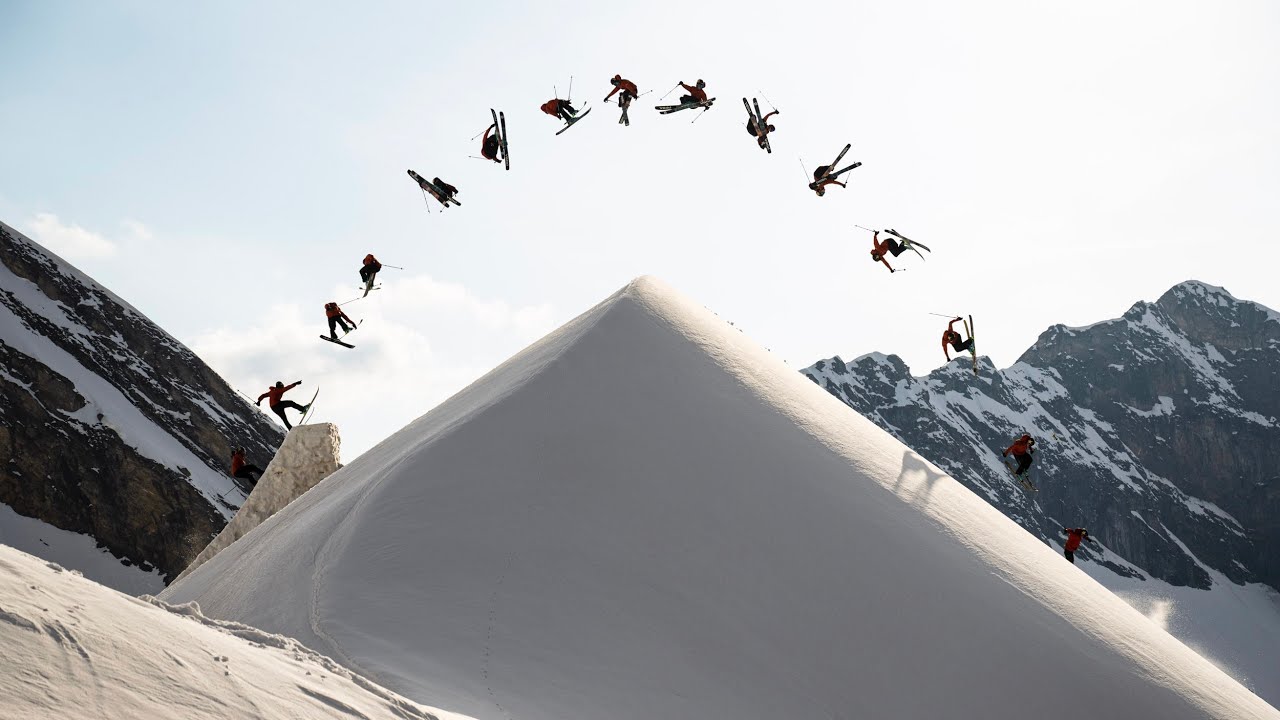
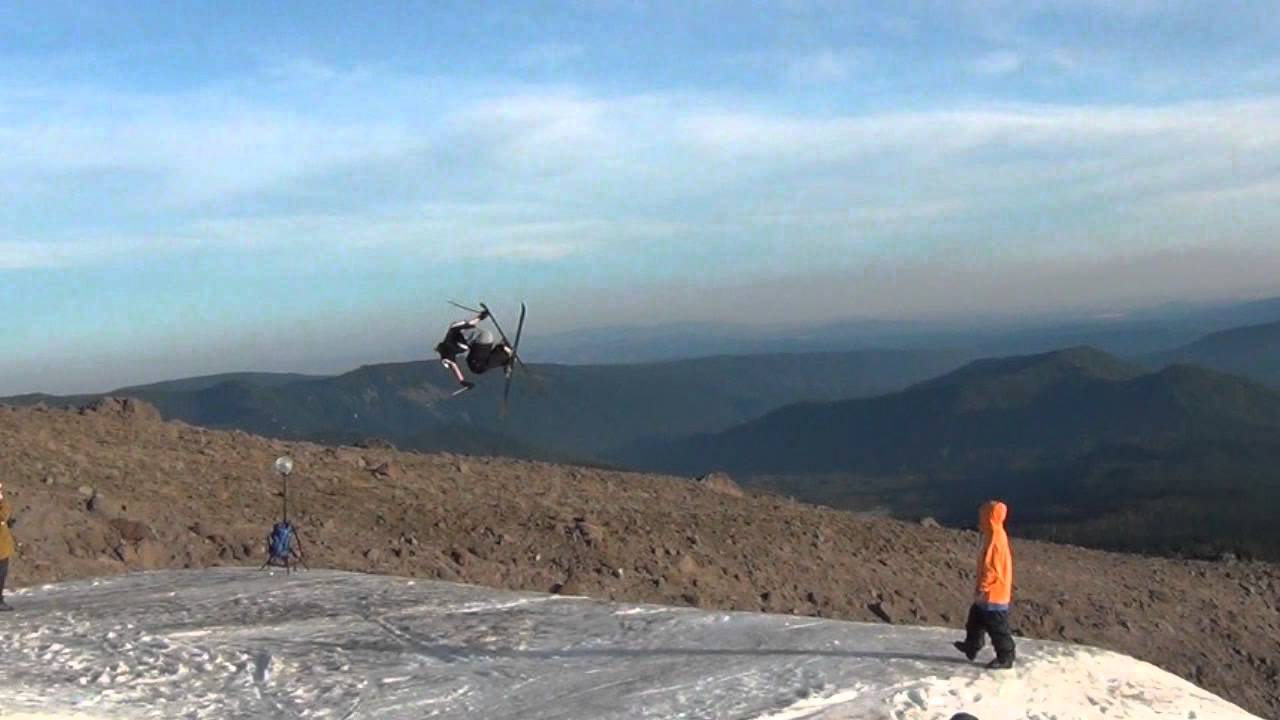
Orage’s cultural contribution is tangible. The brand helped define the freeski aesthetic in the 2000s and 2010s (including the irreverent Orage Masters “anti-comp”) and today backs progression through series partnerships like the FWT Challenger by Orage. That mix of credible tech and authentic scene presence makes Orage a consistent choice for skiers who want gear that performs in harsh storms yet still feels at home in the park and on spring booters.
Product lines and key technologies
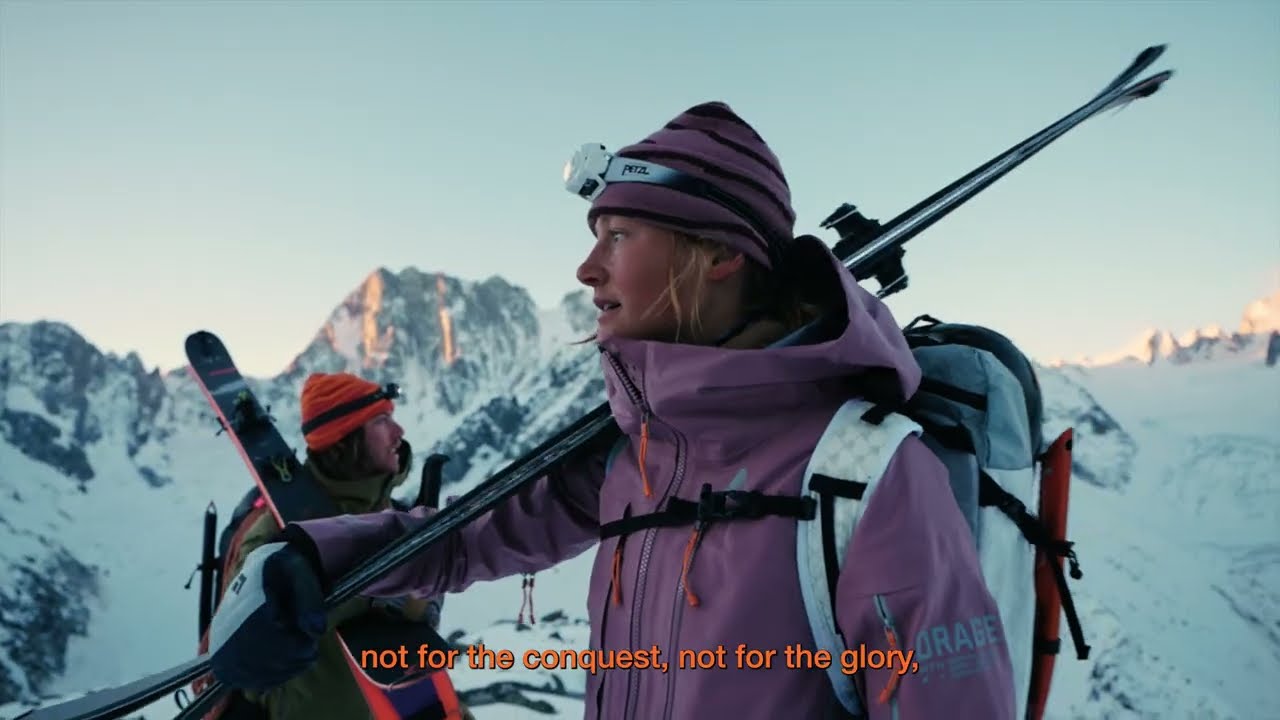
The pinnacle collection is MTN-X: big-mountain, touring, and storm-day outerwear built around three-layer Dermizax® laminates with 20k/20k waterproof/breathability ratings, fully taped seams, and articulated patterns for mobility. Orage also uses hybrid 3L designs—pairing tough Dermizax® panels in high-wear zones with lighter, air-permeable Prime Alpha panels in the torso and underarms—to shed heat on long climbs without sacrificing weather protection. Many MTN-X pieces are available for both men and women with bibs, pants, and shells tuned for deep days.
For resort mileage and cold snaps, Orage’s insulation story centers on Gilltek™—a breathable baffle concept that integrates mesh “gills” to dump excess heat—often combined with high-loft synthetic fills such as PrimaLoft® ThermoPlume. The result is a puffy that feels warm on the chair but won’t swamp you on traverse pushes or hike-to shots. Across the range you’ll also see practical fabric choices like C0 DWR finishes and OEKO-TEX®-listed textiles on select styles, plus durable face fabrics that resist abrasion from packs and sled decks.
Ride feel: who it’s for (terrains & use-cases)
If your winter alternates between storm cycles and technical terrain, MTN-X shells deliver a quiet, protective ride with dependable sealing and venting. Hybrid MTN-X pieces are purpose-built for high-output freestyle touring, ridge laps, and sled-access missions; they breathe better in the torso and move easily when you’re side-stepping, skating, or booting. Resort-first skiers who chase bell-to-bell laps will appreciate insulated jackets using Gilltek™ for that warm-but-not-clammy equilibrium during cold mornings, lift holds, and windy chairs.
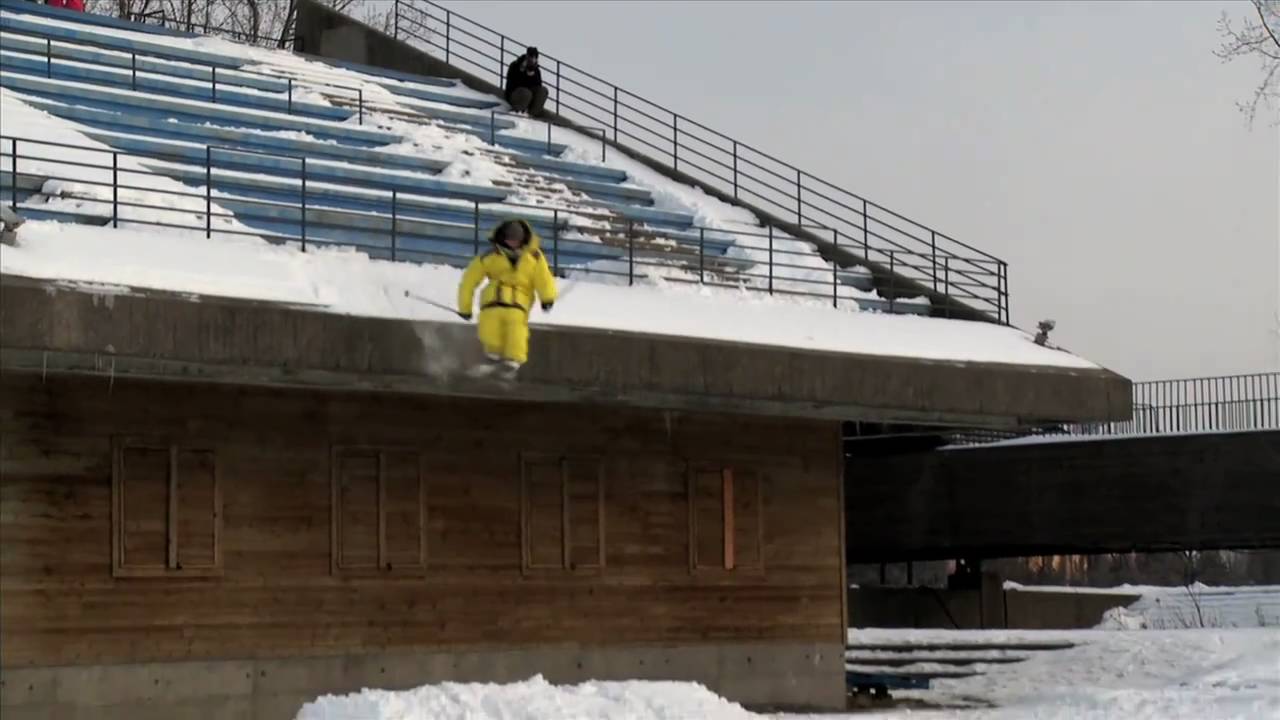
Park and slopestyle riders tend to gravitate toward the brand’s more relaxed fits and durable face fabrics that hold up to rail seasons and repeated falls, while all-mountain skiers in colder climates get the core promise that built Orage’s reputation in Québec: weather protection that still feels comfortable and mobile when temps plunge and snow goes through thaw-freeze cycles.
Team presence, competitions, and reputation
Orage’s legacy in freeskiing runs from iconic riders (including long-time ties with Québec style leaders) to events that shaped the culture. The Orage Masters became a cult-favorite team showdown that prioritized creativity and showmanship, cementing the brand’s playful credibility. Today, the partnership with the Freeride World Tour Challenger circuit keeps Orage visible in venues where real snow, speed, and consequence stress-test outerwear. The through-line is consistent: hands-on athlete feedback and projects that feed directly back into patterning, vent placement, and fabric choices.
Geography and hubs (heritage, testing, venues)
Montréal roots anchor the brand’s cold-weather DNA, and Québec resorts like Mont-Tremblant remain a natural testing ground for eastern conditions—wind, humidity, fast temperature swings. For deep, high-relief terrain and spring shoot weeks, teams and friends of the brand rack up mileage in British Columbia—from lift-served laps at Whistler-Blackcomb to storm cycles and sled-access zones around Retallack. In Europe, the new flagship presence in Chamonix reflects a long history of athlete trips and late-season alpine testing where weather can flip from sun to spindrift in minutes.
Construction, durability, and sustainability
Under the hood, Orage leans on robust three-layer laminates (Dermizax®) with clean interior backers for easy layering and long-term comfort. Hybrid MTN-X pieces strategically place Prime Alpha panels to balance breathability and protection, while resort-focused jackets and pants use mapped insulation and tough face fabrics that shrug off chairlifts, glades, and repeated pack carry. Many garments specify C0 DWR and OEKO-TEX®-listed materials; Gilltek™ styles incorporate recycled shell fabrics and synthetic fills to reduce reliance on virgin inputs. The company also signals longevity through a practical warranty and repair stance—favoring repair when possible—so a well-chosen kit can run for multiple seasons with proper care.
Fit and patterning are part of durability: articulated knees and elbows reduce seam stress, and higher denier reinforcements appear at cuffs, hems, and shoulders to manage edge contact and pack abrasion. Hardware is serviceable (snaps, zips, hem cords), and bibs feature sturdy suspenders and functional pocket layouts that don’t interfere with beacon harnesses or hip belts.
How to choose within the lineup
Match environment first. If you ski deep storms, mixed alpine weather, or tour regularly, start with MTN-X 3L shells for maximum sealing and durability. If you spend equal time skinning and riding lifts—or tend to overheat—look to hybrid MTN-X shells that blend Dermizax® with Prime Alpha panels for extra airflow where your body runs hot.
Decide on insulation. For cold resorts, Gilltek™ puffies slot cleanly under a shell or stand alone on dry days: they’re warm on the chair yet vent during traverses. If you run hot, use a lighter, air-permeable midlayer and save heavier insulation for genuine deep-freeze weeks.
Dial fit for your skiing. Freeride and park skiers often prefer slightly roomier cuts for range of motion and style; all-mountain skiers prioritizing speed and trees may choose trimmer silhouettes to reduce flapping and snag risk. In bibs, choose a rise that clears your beacon harness and verify cuff openings against your boot buckles and walk-modes.
Think long-term use. Prioritize three-layer shells if you’ll repair and keep gear multiple seasons; they age gracefully with re-proofing and seam care. Resort-only skiers who value warmth and simplicity can lean into insulated jackets and pants, adding a light shell for spring.
Why riders care
Skiers choose Orage because it feels built for real winters and real riding: shells that stay quiet and sealed in sideways snow, insulated pieces that warm up the chair without boiling you on the traverse, and patterns that move naturally whether you’re skinning, spinning, or smashing chop. Add a heritage rooted in Montréal, a present-day presence from Québec to British Columbia and the Alps, and visible support of competitive and creative freeskiing, and you get a brand that balances credibility with comfort. If your season ranges from icy night laps to storm-day trees and spring couloirs, Orage’s clear, skiing-first lineup makes it easy to put together a kit that works—without overthinking it.