Olivia Asselin
Profile and significance
Olivia Asselin is a Canadian freeski standout from Québec who blends film-ready style with contest composure. Born in 2004 and raised in the Québec City/Lévis corridor, she rose through Stoneham’s club scene to the national team and broke out internationally with a bronze medal in Women’s Ski Big Air at the X Games in 2022. She followed that with Women’s Ski Knuckle Huck gold in 2024 and, in 2025, a defining weekend at Aspen that delivered Women’s Ski Street Style gold and Slopestyle silver. At the Olympics in 2022, Asselin made both finals, finishing eighth in Big Air and 11th in Slopestyle, underscoring her ability to translate style into major-stage results. World Cup podiums—third in Big Air at Copper Mountain in December 2022 and third in Slopestyle at Tignes in March 2024—round out a résumé that now straddles culture and medals. With partners including Armada, Monster Energy, and Smith Optics, she has become a reference point for skiers who prize clean mechanics and fresh ideas as much as difficulty.
Competitive arc and key venues
Asselin’s arc reveals a rider equally at home in rider-judged street formats and structured courses. The 2022 X Games bronze announced her to a global audience. In January 2024 she won the first Women’s Ski Knuckle Huck, an event that rewards creativity, timing and touch more than raw amplitude. In January 2025 she captured Women’s Street Style gold and Slopestyle silver at Aspen Snowmass, proving she can win on rails under floodlights and then podium on a full slopestyle course the next day. Along the way she stacked results that show breadth: a World Cup Big Air podium at Copper Mountain, a World Cup Slopestyle podium at Tignes, and wins in rider-led formats like Spring Battle at Absolut Park and a street title on the city setup in Innsbruck. Those venues map her progression cleanly. Stoneham taught night-lap repetition; Mammoth Mountain and Aspen demanded XL spacing, wind calls and pressure management; European parks like Tignes and Absolut Park honed rail density and long-line rhythm.
How they ski: what to watch for
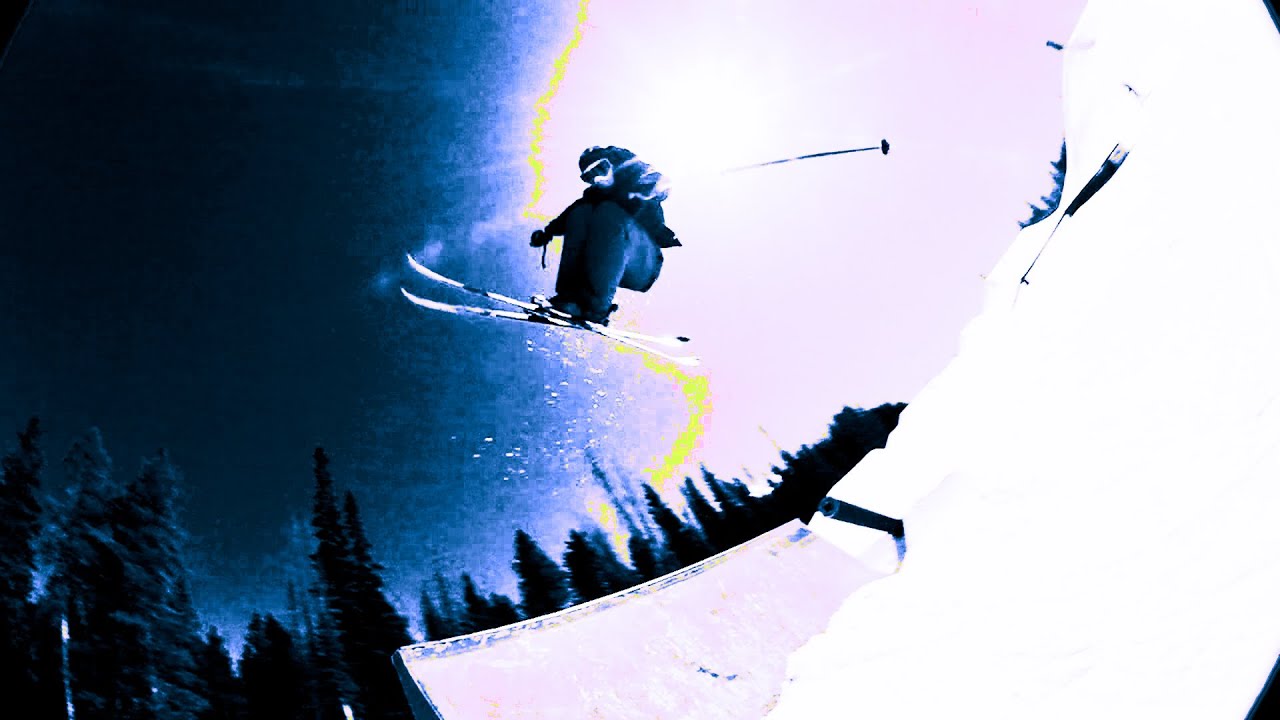
Asselin’s skiing reads calm and deliberate. Into the lip she stays tall and neutral, then sets rotation late and locks grabs early so the trick breathes. On jumps, watch how she spins both directions in a run without rushing the set; grabs are defined before 180 degrees and held through the axis, which keeps the body stacked and the landing quiet. On rails, the signature is composure: locked presses and backslides that hold just long enough to be obvious, surface swaps with minimal arm swing, exits with square shoulders to maintain speed. In Street Style and urban-style jams, that economy becomes advantage—she uses the whole setup, hitting transfer options and disaster takeoffs without sacrificing flow. The big-picture tell is “replayability”: slow any clip down and you’ll find the same checkpoints—tall approach, patient pop, early grab, soft ankles on impact.
Resilience, filming, and influence
Asselin’s emergence coincided with a moment when women’s freeskiing expanded its event palette. By podiuming in Big Air, winning the debut of Knuckle Huck for women, and then claiming Street Style gold, she helped define what modern versatility looks like. Film-heavy weeks at events such as Spring Battle sharpened that voice further; the video-based format rewards riders who can craft coherent, stylish lines on their own terms. Her consistency in rider-curated street contests in Innsbruck added another layer of credibility in urban-influenced settings. The through-line is a repeatable movement language—clear setups, decisive presses, and measured takeoffs—that has become a study guide for developing riders. When she steps into televised slopestyle, the same habits make finals runs look composed rather than improvised.
Geography that built the toolkit
Place matters in Asselin’s skiing. The night network and compact laps at Stoneham built edge precision, rail timing and switch comfort; you can see those roots in how confidently she links rail features. Training blocks at Mammoth Mountain added jump cadence, wind reads and the patience needed for longer decks and higher speeds. World Cup stops at Copper Mountain and Tignes layered in contest rhythm and the ability to reset after misses. Europe’s Absolut Park and the urban scaffolds in Innsbruck reinforced her line-reading in feature-dense environments where creativity and efficiency trump brute force. Finally, Aspen Snowmass is the proving ground that now defines her public profile, a place where she has shown she can win under lights one night and deliver medals on a full course the next day.
Equipment and partners: practical takeaways
Asselin’s choices reflect priorities that progressing skiers can copy. With Armada she rides playful, press-friendly park platforms that still feel predictable on big takeoffs; with Smith Optics she focuses on contrast and lens clarity for flat-light park laps; with Monster Energy she aligns with a team deeply embedded in the X Games ecosystem. The practical setup lessons are simple: detune contact points enough to reduce rail bite without giving up edge hold on the lip; choose a mount point close to center so switch landings stay neutral; and keep binding ramp angles that don’t force you into the backseat. Process matters as much as hardware. Build a “knuckle huck toolkit” on smaller hits—hand drags, flat 5s, late shiftys—then scale those touch-based moves into slopestyle where they add style without costing speed.
Why fans and progressing skiers care
Fans care because Asselin is exciting in multiple languages of freeskiing: she can stack a stylish street run under floodlights, thread a long slopestyle line with both-way spins, or float a knuckle trick that looks effortless. For developing riders, her clips are a masterclass in patience and definition. She shows that high-level skiing does not require constant risk escalation; it requires clear plans for each feature, early grab definition, and exits that preserve speed for what comes next. The results—X Games golds in Knuckle Huck and Street Style, X Games silver in Slopestyle, X Games bronze in Big Air, finals at the Olympics, and multiple World Cup podiums—are milestones, but the real takeaway is how she earned them: by pairing creativity with fundamentals that hold up to slow-motion scrutiny.