Swatch
Switzerland
Swiss watch brand | First launched in 1983 as a colourful Swiss Made second watch | Known for: accessible design, artist collaborations, Proteam athletes, freeride sponsorship and Swatch Nines | Focus: using timekeeping, creativity and sport culture to connect watches with skiing, snowboarding and action sports communities worldwide
1983 plastic watches with a Swiss industry rescue story
Swatch is a Swiss watch brand whose importance goes far beyond a simple accessory logo. The first Swatch appeared in 1983 during a period when the Swiss watch industry was under pressure from lower-cost quartz competitors. Nicolas G. Hayek’s strategy helped turn the watch into a low-cost, high-tech, artistic and emotional Swiss Made product assembled from 51 components. The result was not only a product launch. It became one of the symbols of a Swiss watchmaking comeback and a new way to think about watches as personal expression.
For Skipowd.tv, Swatch should be classified as a sponsor and lifestyle brand, not as a ski manufacturer. It does not build skis, boots, bindings, goggles or avalanche equipment. Its snow relevance comes from decades of cultural sponsorship, athlete support, event naming, resort partnerships and the way its playful design language fits action sports. Swatch matters because it treated skiing and snowboarding as creative communities rather than only as clean timing sheets or luxury-watch settings.
Colour time and athletes before the modern Proteam
Swatch’s product identity is built around watches that are easy to recognise: colour, plastic cases, playful graphics, limited editions, collaborations and an attitude that is more open than traditional luxury horology. That made the brand unusually compatible with youth-driven sports. Snowboarding and freeskiing both developed as cultures where style, identity and self-expression were part of the performance, so Swatch could enter those spaces without looking like a formal timekeeping sponsor borrowed from alpine racing.
The current Swatch Proteam continues that logic. It brings together athletes from skating, surfing, BMX, mountain biking, snowboarding and freeskiing. On snow, the roster has included riders and athletes such as Jesper Tjäder, Kaishu Hirano, Xavier De Le Rue, Mia Brookes, Sam Anthamatten and others. That spread matters because the brand is not tied to one discipline. Swatch can sit beside a Swedish rail skier, a Japanese halfpipe snowboarder, a freeride legend or a young park rider because the common thread is creativity under pressure rather than one technical product category.
Watches that function as culture markers more than mountain tools
A Swatch watch can be worn on the mountain, but it should not be oversold as essential ski equipment. Skiers need reliable layers, eye protection, helmet fit, avalanche knowledge when leaving controlled terrain and the right skis or snowboard for the day. A watch is not a substitute for those basics. The brand’s role is cultural and symbolic: it gives athletes, events and fans a visible object connected to time, graphics, personal style and shared moments around competition or filming.
That distinction keeps the page accurate. Swatch is not relevant because a skier cannot ride without one. It is relevant because the brand repeatedly placed itself inside the scenes where freeride and freestyle were defining their public image. A colourful watch on a rider’s wrist, a title sponsorship on a competition banner or a limited event edition can become part of the memory around a ski era. Swatch’s snow value is therefore closer to media, identity and event culture than to technical mountain performance.
Freeride World Tour years and the Verbier connection
Swatch’s strongest historical ski connection is freeride. The brand was a faithful supporter of freeride from the Xtreme Verbier era in 1997 and later became closely associated with the Freeride World Tour. During the early 2010s, the tour was widely known under Swatch naming, including the Swatch Freeride World Tour and Swatch Freeride World Tour by The North Face. That sponsorship helped give freeride a stronger global identity at a time when the sport was consolidating into a more visible international circuit.
Verbier is central to that story. The Bec des Rosses final gave the tour a dramatic end point, while Swatch brought a non-hardgoods sponsor into a space built around steep faces, exposed lines and high-risk decisions. This matters because freeride needed more than local prestige to grow. It needed media, naming partners, recognisable branding and a way to present athletes to viewers who were not standing below the face. Swatch helped make freeride feel like a global stage without changing the mountain reality that still decides every run.
Swatch Skiers Cup and the team format from Valle Nevado to Zermatt
Swatch also backed a more unusual freeski format through the Swatch Skiers Cup. The event was created around a Ryder Cup style idea, with Team Europe against Team Americas in big mountain and backcountry slopestyle formats. Early editions in Valle Nevado used the Chilean Andes as a southern-hemisphere stage, while later Zermatt editions moved the contest into a classic Swiss high-alpine setting.
The Skiers Cup mattered because it presented freeride and freestyle as two sides of the same athlete identity. Riders were not only judged on a single contest run inside a machine-built park. They had to handle natural terrain, team pressure, style choices and head-to-head scoring. Names linked to the event included Kaj Zackrisson, Sverre Liliequist, JP Auclair, Sage Cattabriga-Alosa, Seth Morrison and other major skiers from the big mountain and freeski film worlds. Swatch’s value here was not a technical product; it was the ability to give a creative contest structure enough brand weight to be seen beyond the immediate rider community.
LAAX partnership and the modern freestyle playground
Swatch’s current snow identity is not only historical. The brand has also partnered with Laax, one of Europe’s strongest freestyle resorts. LAAX combines 216 kilometres of slopes, multiple snowparks and a permanently operated halfpipe with a cultural identity that attracts snowboarders, freeskiers and event travellers. For Swatch, that makes the Swiss resort a natural stage: creative, visual, international and clearly connected to the kind of snow culture the brand wants to represent.
The partnership also includes Swatch-style experiences around major events such as the LAAX OPEN. That event environment is different from the older freeride connection at Verbier. LAAX is about pipe, slopestyle, park progression, youth culture and resort creativity. Swatch fits because its brand language is bold rather than conservative. In a place where pro riders, shaped features, music, art and spectators all share the same mountain week, a watch brand can become part of the atmosphere rather than just a sponsor logo on a start gate.
Jesper Tjader and Swatch Nines keep the brand in progression mode
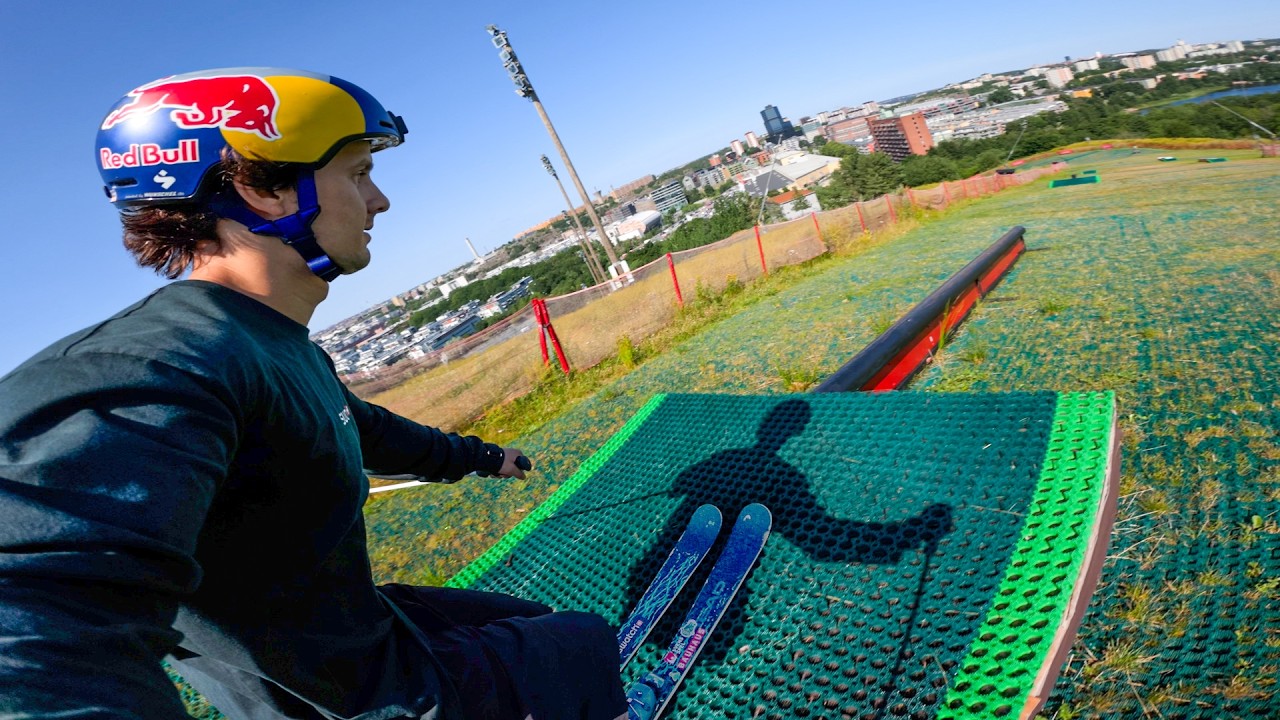
The clearest current freeski link is Jesper Tjäder. Swatch lists the Swedish skier as part of its Proteam and frames him around creativity, rail progression and boundary-pushing projects. Tjäder is a strong match for the brand because his skiing is not only about medals. His identity includes impossible-looking rails, Unrailistic features, world-record rail slides and projects that turn skiing into engineering, art and problem-solving.
Swatch Nines extends that idea into event form. The 2026 snow edition took place at Tokyu Grand HIRAFU in Niseko, Japan, with a format built around progression, creativity and athlete-shaped features. The event highlights included skiers and snowboarders exploring unusual lines, quarterpipes, creative jumps and experimental setups. This is exactly where Swatch’s sports identity works best: not in a standard league structure, but in a setting where time, style, invention and spectacle come together. For riders who follow park and freestyle evolution, Swatch Nines is one of the places where brand sponsorship supports the playground rather than only the podium.
From Riksgransen freeride energy to global snow storytelling
Swatch’s snow map also overlaps with the wider locations that define freeride and freestyle storytelling. A resort such as Riksgränsen shows the kind of culture Swatch historically aligned with: remote-feeling terrain, late-season light, freeride heritage and riders who value atmosphere as much as formal infrastructure. The same brand can also sit comfortably beside glacier parks, urban rail projects and large festival-style events because its identity is not locked to one mountain type.
This flexibility is the reason Swatch has remained relevant across several snow eras. The brand could support freeride when the sport needed a global title-stage identity, then move into park and rail culture through athletes like Tjäder, snowboarding through riders like Kaishu Hirano, and resort partnerships through LAAX. Few non-equipment brands have stayed so recognisable across that many snow-sport contexts. Swatch’s contribution is not that it tells people how to ski. It helps frame how skiing and snowboarding are seen, remembered and shared.
Why Swatch earns a major snow culture profile
Swatch earns a 5/5 importance score because it is a globally recognised Swiss brand with deep, documented ties to freeride, freestyle skiing, snowboarding, athlete culture and major events. It did not become important to skiing through product performance. It became important by helping fund, brand and amplify moments that shaped how action-sport snow culture was presented to the world.
The accurate way to place Swatch on Skipowd.tv is as a cultural sponsor and watch brand with unusually strong snow credibility. Its story connects the first 1983 Swiss Made watch to the Freeride World Tour, Swatch Skiers Cup, LAAX, Swatch Nines and athletes who treat creativity as seriously as competition. For readers browsing ski videos, Swatch represents the sponsor layer that sits beside the athletes and locations: not the gear underfoot, but one of the names that helped give freeride and freestyle more colour, visibility and cultural reach.