Dope Snow
Sweden
Swedish snow outerwear brand | Founded in 2008 and developed by Ridestore in Gothenburg | Known for: colourful jackets, pants, bibs, base layers, fleeces, goggles and accessories | Focus: direct to consumer snow gear shaped by rider feedback, park style, resort comfort and accessible mountain outfits
From Swedish imported gear to a rider led outerwear brand
Dope Snow grew from a simple frustration: two Swedish brothers, Emil and Linus, struggled to find the kind of snow gear they wanted to ride in. The project began in 2006 with imported products that were difficult to access in Sweden, then developed into an in-house snowwear brand launched in 2008. That origin gives Dope a different identity from legacy alpine outerwear companies. It did not start with race suits, expedition shells or ski hardgoods. It started with riders, online retail, social feedback and the idea that snow clothing could be technical enough for winter while still feeling relaxed, colourful and community-driven.
Ridestore and the direct to consumer snowwear model
The parent company, Ridestore, built Dope Snow around a direct to consumer structure. That means the brand designs, sells and ships its own products rather than relying primarily on traditional shop distribution. This model strongly shapes the Dope identity. Customer feedback is not treated as an afterthought; it is part of product development, website decisions, fit adjustments and the way new colourways are tested. The result is a brand that feels unusually close to its online community. That can be powerful, especially for younger riders who discover outerwear through social content, trip planning and outfit building rather than through a specialist ski shop wall.
Blizzard Adept Spartan and the colourful resort uniform
Dope Snow is best known for jackets, pants and bibs with a strong visual identity. Models such as Blizzard, Adept, Legacy and Spartan have helped create the brand’s mountain look: loose shapes, large pockets, pullover cuts, retro influence, visible colour blocking and a casual fit that sits closer to snowboard and park culture than traditional fitted alpine clothing. The catalogue also includes base layers, fleeces, hoodies, gloves, goggles, helmets, face masks, beanies and ski socks. Dope should therefore be described as a snowwear and accessories brand, not simply a jacket label. Its strength is creating a full outfit system for riders who want their resort kit to feel practical, expressive and easy to combine.
DRY Tech 15k for groomers park laps and mixed resort days
Dope’s technical position sits in the mid to strong resort outerwear range rather than the most specialised expedition category. Ridestore’s own comparison explains that Dope uses DRY Tech 15k waterproofing and breathability, with fully taped seams, Comfortemp insulation on selected pieces and weather focused details such as helmet compatible hoods, powder skirts, wrist gaiters, waterproof zips and lift pass pockets. That makes the brand suitable for long resort days, park laps, groomers, travel weeks and ordinary winter storms. It is not the obvious first choice for every extreme backcountry mission, but it is more technical than simple fashion snow clothing. The key is matching the garment to the day: shell or insulated, bib or pant, baggy or cleaner fit, colder climate or spring session.
Jesper Tjader and the Spartan jacket story
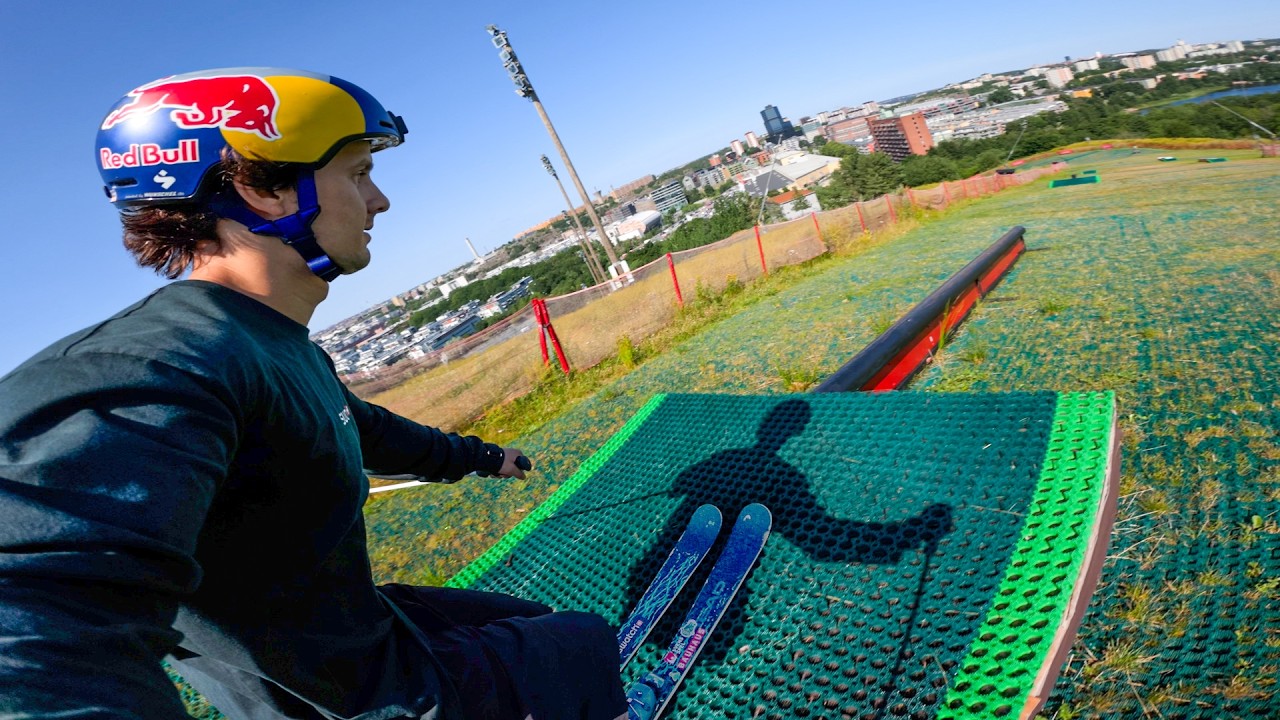
Dope’s most important freeski connection is Jesper Tjäder. The Swedish skier appears in the Dope rider programme, and the Spartan jacket began as a Jesper Tjäder signature piece before becoming a broader crew favourite shaped by rider and community feedback. That relationship fits both sides. Tjäder is known for creative rail skiing, impossible feature ideas and a style that sits outside normal contest uniformity, while Dope’s brand language is built around expression and rider involvement. The team also includes skiers and snowboarders such as Juho Saastamoinen, steep steep, Juan Bolinger, Marco Ladner, Sam Baumgartner, Ryan McElmon, Bruce Oldham, Lukas Muellauer, Sven Thorgren, Gabriel Almqvist and others. Dope’s team is less about a single discipline and more about a global mix of park, resort, content and creative snow culture.
Kläppen rails and Scandinavian park culture around the brand
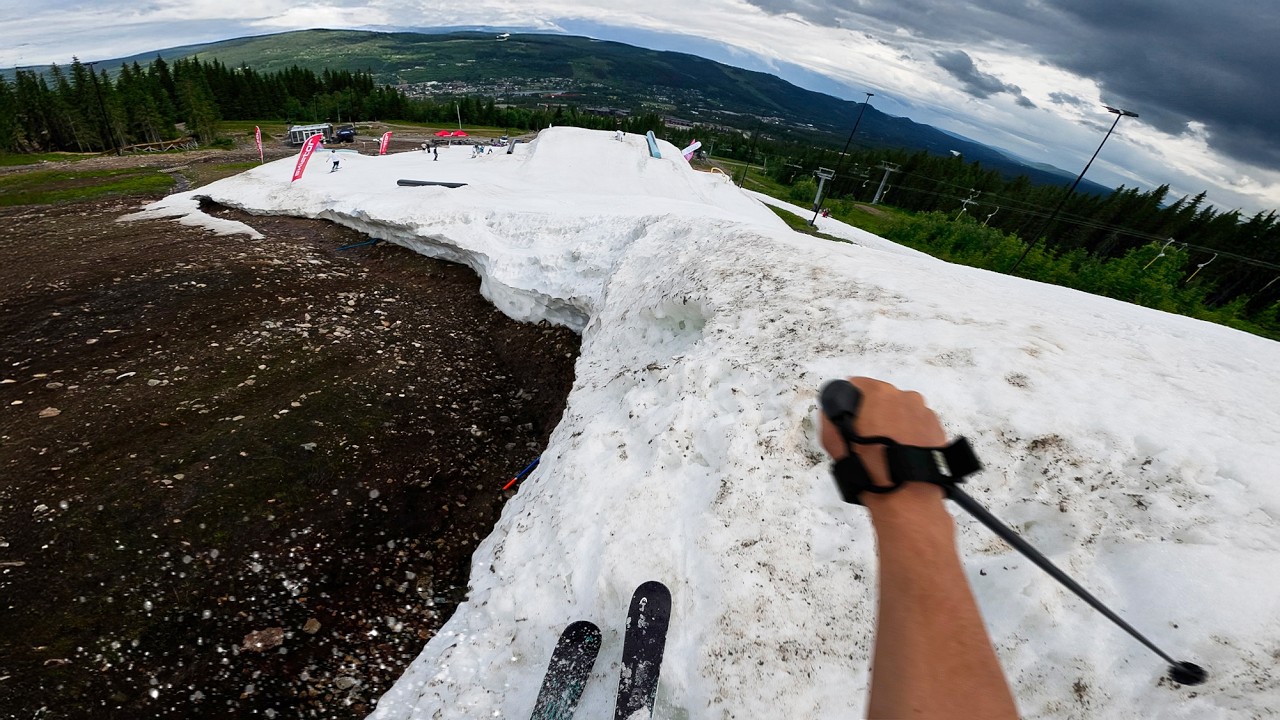
Dope Snow’s Scandinavian roots make its park identity feel natural. Swedish snow culture has a strong rail and repetition language, where riders progress through clean parks, night sessions, compact resorts and repeated laps rather than only through huge alpine terrain. Kläppen Snowpark is one of the best examples of that environment: a Swedish freestyle venue with national arena status, shaped lines and a strong park community. Dope’s rider network and event language fit this world because the brand is not only selling protection from weather. It is selling a look and a riding mood connected to friends, edits, coaching clinics, rail jams and everyday resort creativity. That is where Dope feels strongest: visible, social, repeatable and easy to recognise from the lift line.
Sustainability claims through bluesign and lower impact packaging
Dope Snow and Montec are both presented by Ridestore as bluesign system partners, with PFOA free and PTFE free approaches and lower impact packaging. These are relevant commitments for an outerwear brand because waterproof clothing depends on chemicals, synthetic fabrics, transport and seasonal production. The claims should still be read with realism. A jacket is not sustainable simply because it has a cleaner treatment or arrives in better packaging. The most responsible use is to buy the right size, keep the garment for several seasons, repair small damage where possible and avoid replacing functional clothing only because a new colourway appears. Dope’s direct relationship with customers can help here if feedback leads to better durability, improved fit and fewer returns over time.
Choosing Dope Snow by fit weather and riding style
Choosing within Dope starts with riding style. A park rider may prefer a relaxed cut, lighter insulation and enough room for grabs, falls and layering. A resort skier planning cold chairlift laps may want an insulated jacket or bib with stronger warmth and weather coverage. A traveller heading to a Nordic resort such as Trysilfjellet should think about long groomer days, park repetition, lift comfort and changing temperatures rather than buying only for appearance. Fit is especially important because Dope’s style often leans roomy. That can improve mobility and layering, but the garment still needs to seal properly at the hood, cuffs, hem and waist. Dope Snow earns a 4/5 importance score because it is one of the most visible modern snowwear brands in Europe and North America, with real rider involvement, strong e-commerce reach and a clear place in park and resort culture. It is not a heritage hardgoods brand, but it has become part of how a new generation dresses for the mountain.